18-year-old Helena Muffly wrote exactly 100 years ago today:
Saturday, May 31, 1913: What I did today was far from being romantic. I had to help plant taters this afternoon.
25 Years’
Potato Experience
For a quarter of a century I have made a specialty of growing and handling Choice Seed Potatoes, testing all the leading varieties, retaining and improving the best. This year’s list is the cream.
My 26th Annual Seed Book
should be in the hands of every progressive farmer and gardener. It contains 54 pages crowded full of valuable information. The best in Seed Potatoes, Field and Garden Seeds of all kinds. Write postal today.
L.L. OLDS, President
L.L. Olds Seed Co., Drawer C, Madison, Wis.
Her middle-aged granddaughter’s comments 100 years later:
Grandma did you dream about doing romantic things? Hmm. . . I guess that’s for another day. In the meantime, the farm work needed to be done.
—
I’m not sure whether the Muffly’s raised potatoes to sell . . or if they just raised them for family use. Either way, they would have planted lots of potatoes. A hundred years ago potatoes were one of the main staples that people ate during the long winter months.
18-year-old Helena Muffly wrote exactly 100 years ago today:
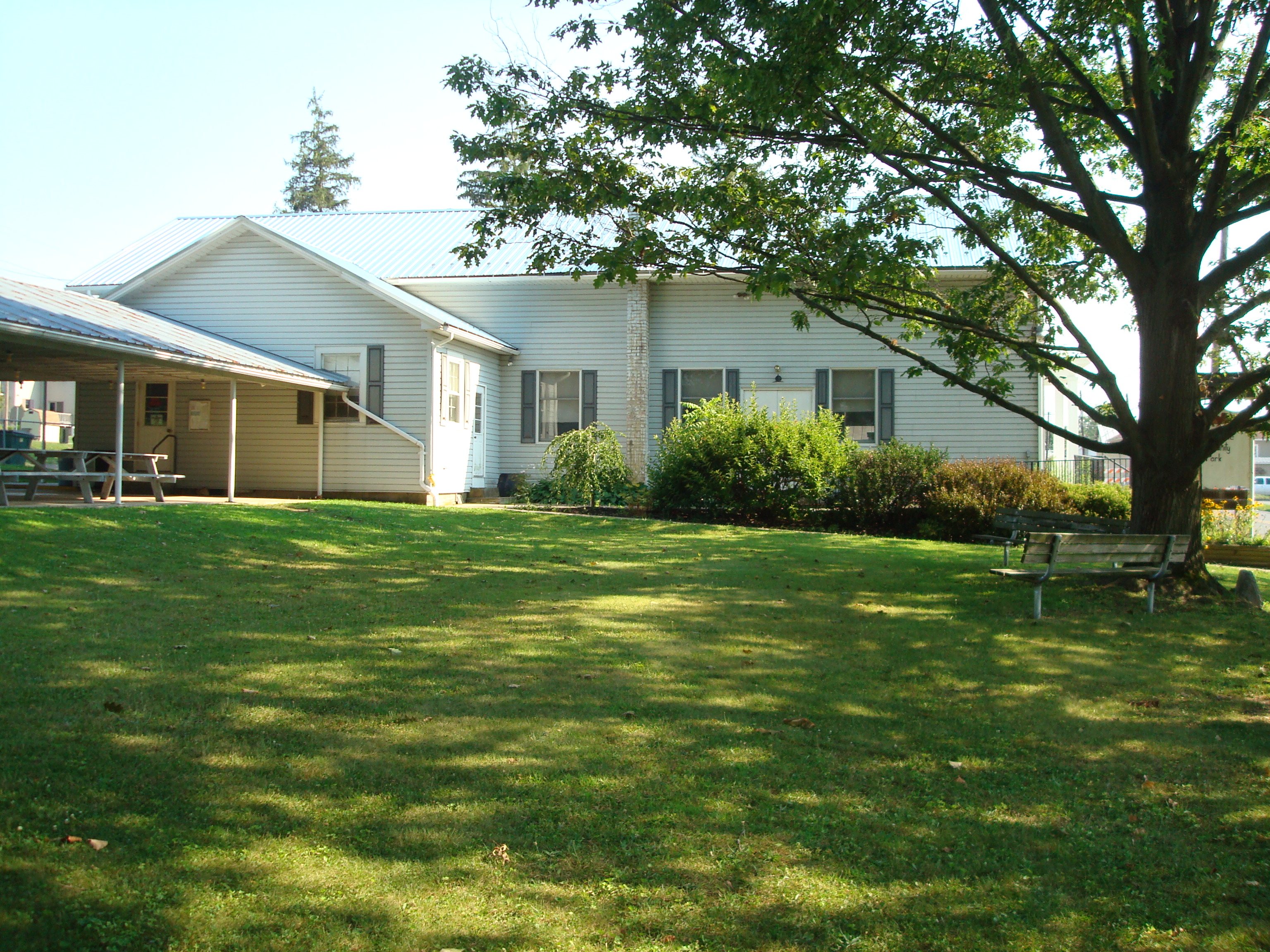
Friday, May 30, 1913: Went up to McEwensville this morning as I planned to do some time ago. There wasn’t any band and not so many people. Wanted to go to Watsontown this afternoon to see the cemetery, but didn’t have anyone to go with. After thinking it over I decided to go as I believed I would feel miserable if I staid at home. The slippers I had on made me awful tired and began to wonder how I would get myself home. The problem was solved when I got a chance to ride where-upon I considered myself quite fortunate.
Was the McEwensville event held at the cemetery or at the Community Center?
Her middle-aged granddaughter’s comments 100 years later:
A hundred years ago Memorial Day was always on May 30. In the 1910s it was an important holiday with lots of parades and celebrations honoring aging Civil War veterans.
It sounds like the day got off to a rocky start, but ended nicely. Did Grandma wear the new dress that her mother made? Who brought her home from Watsontown? . .. . anyone interesting?
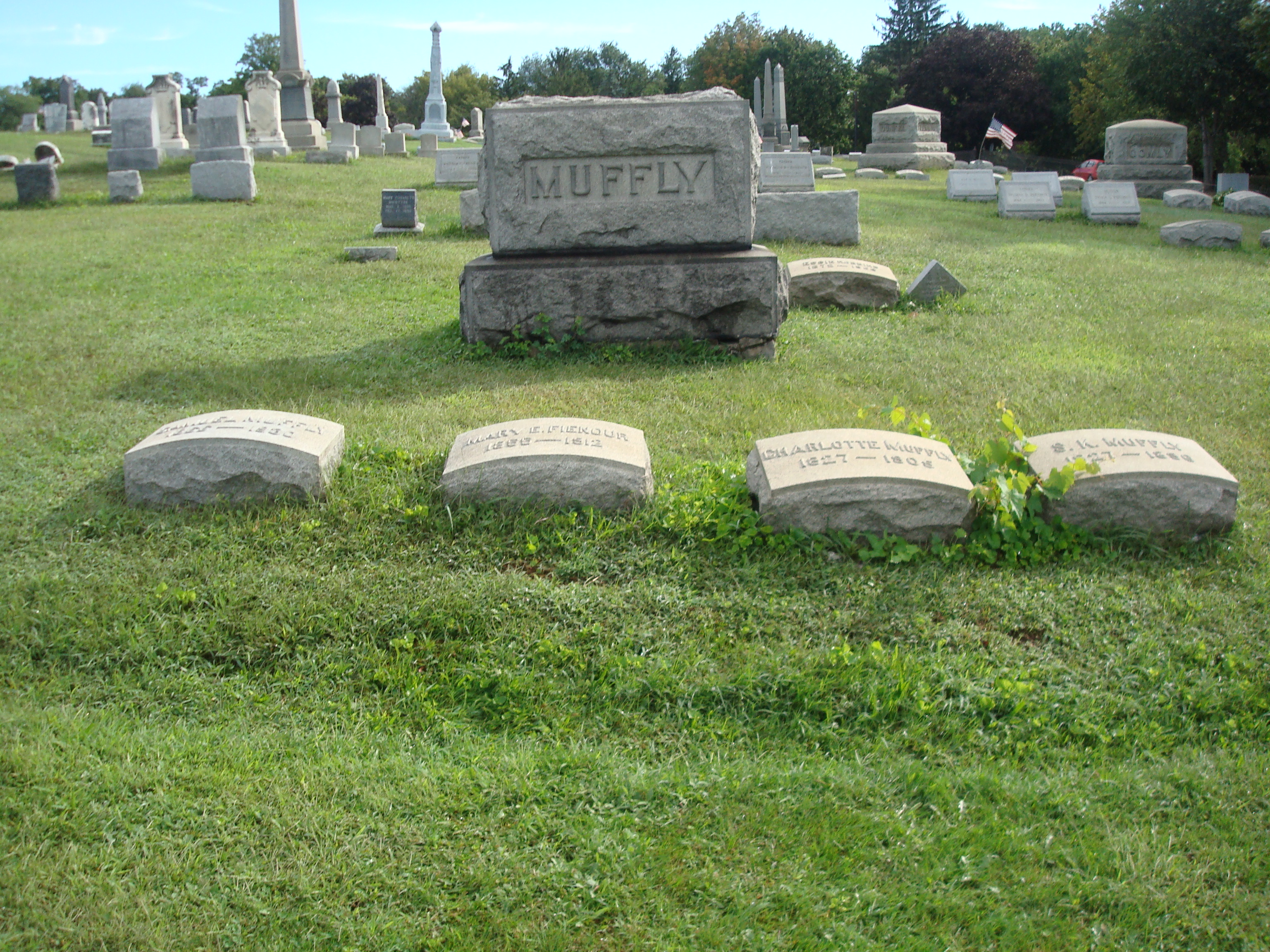
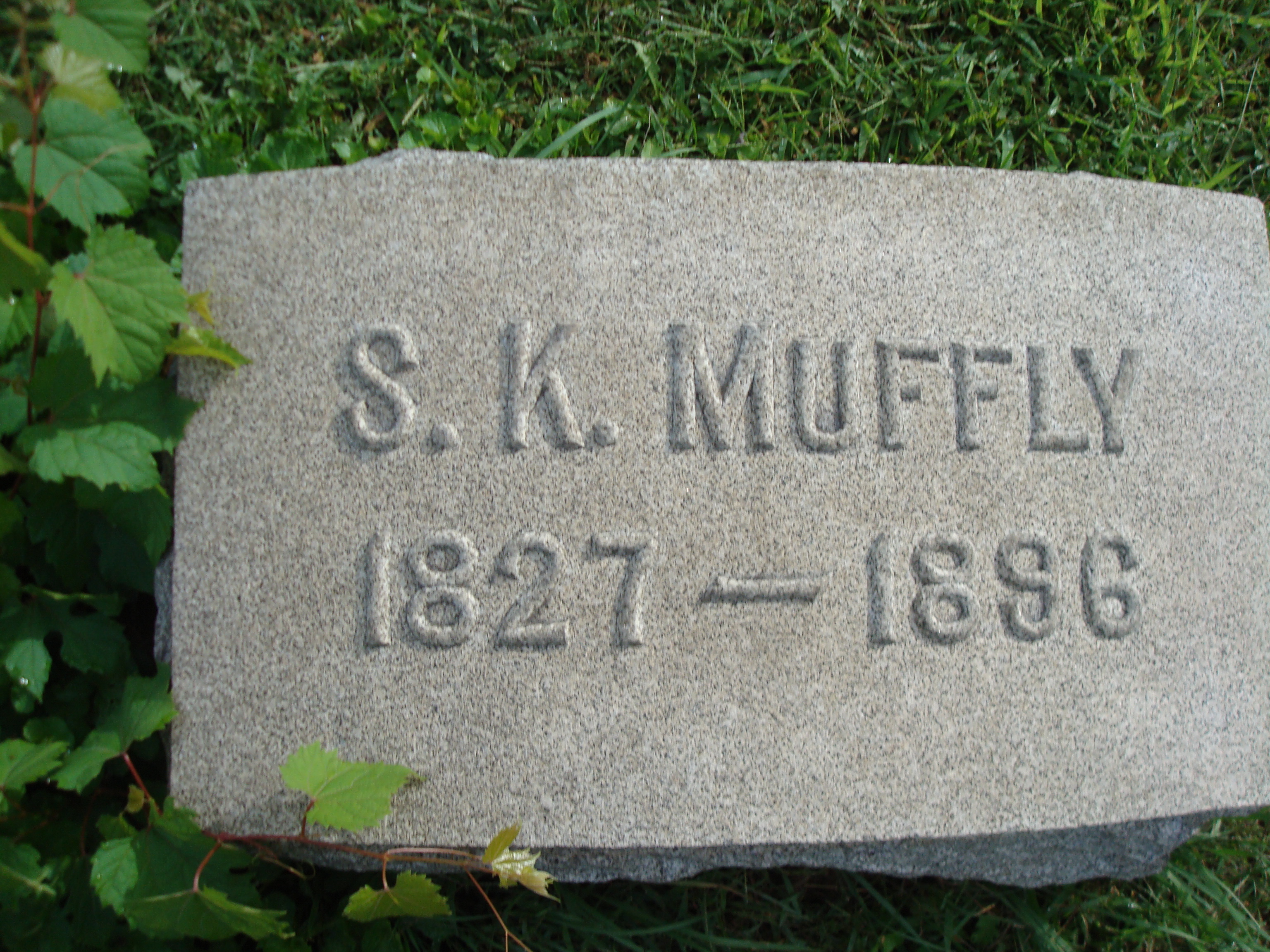
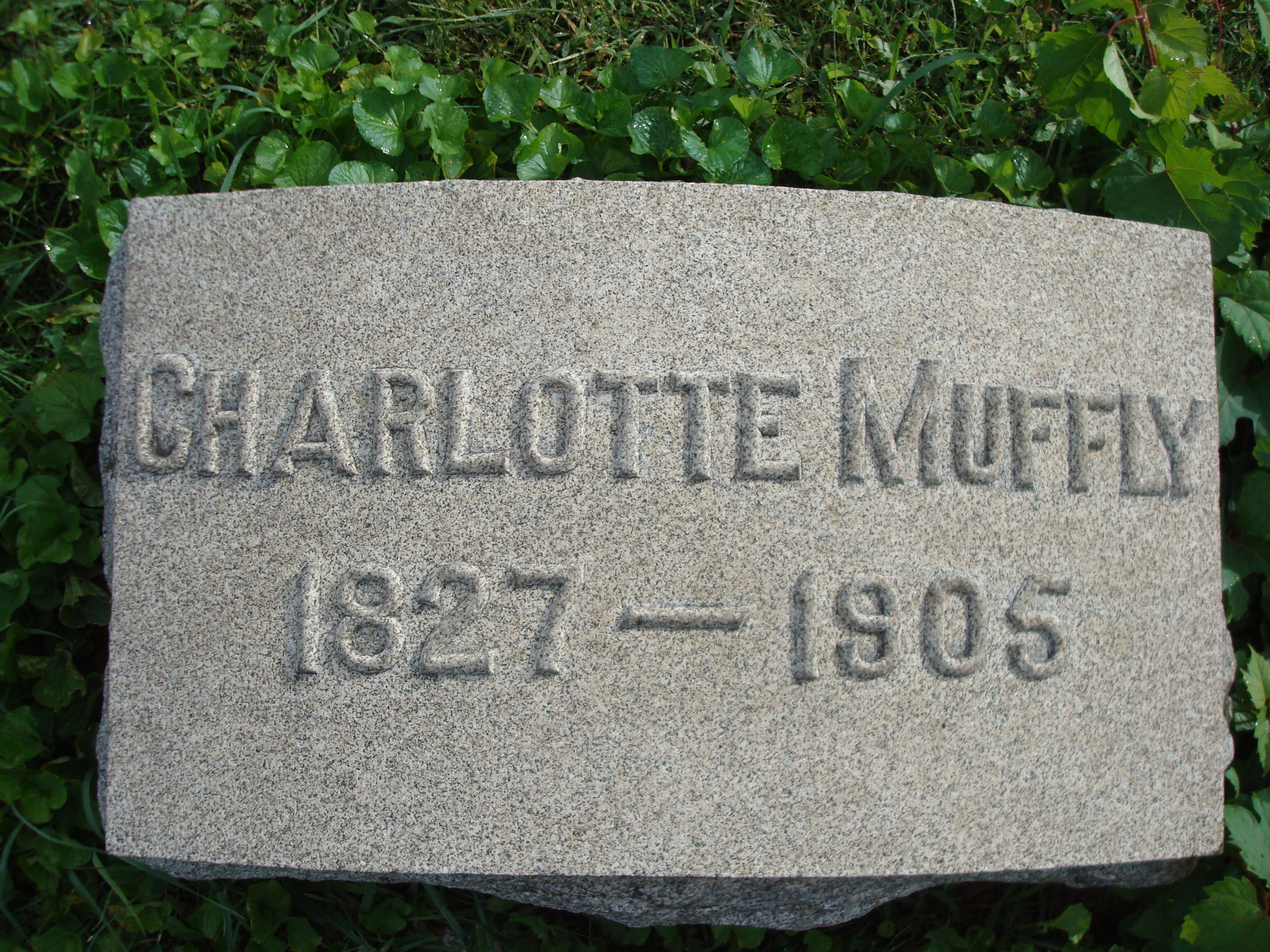
At the Watsontown Cemetery, did Grandma put the wreath she made the previous day on the grave of her paternal grandparents? Her grandfather, S.K. Muffly, died when she was very young; but her grandmother, Charlotte Muffly, died in 1905 when Grandma was 10. What were Grandma’s memories of her grandmother? . . . Did she miss her?
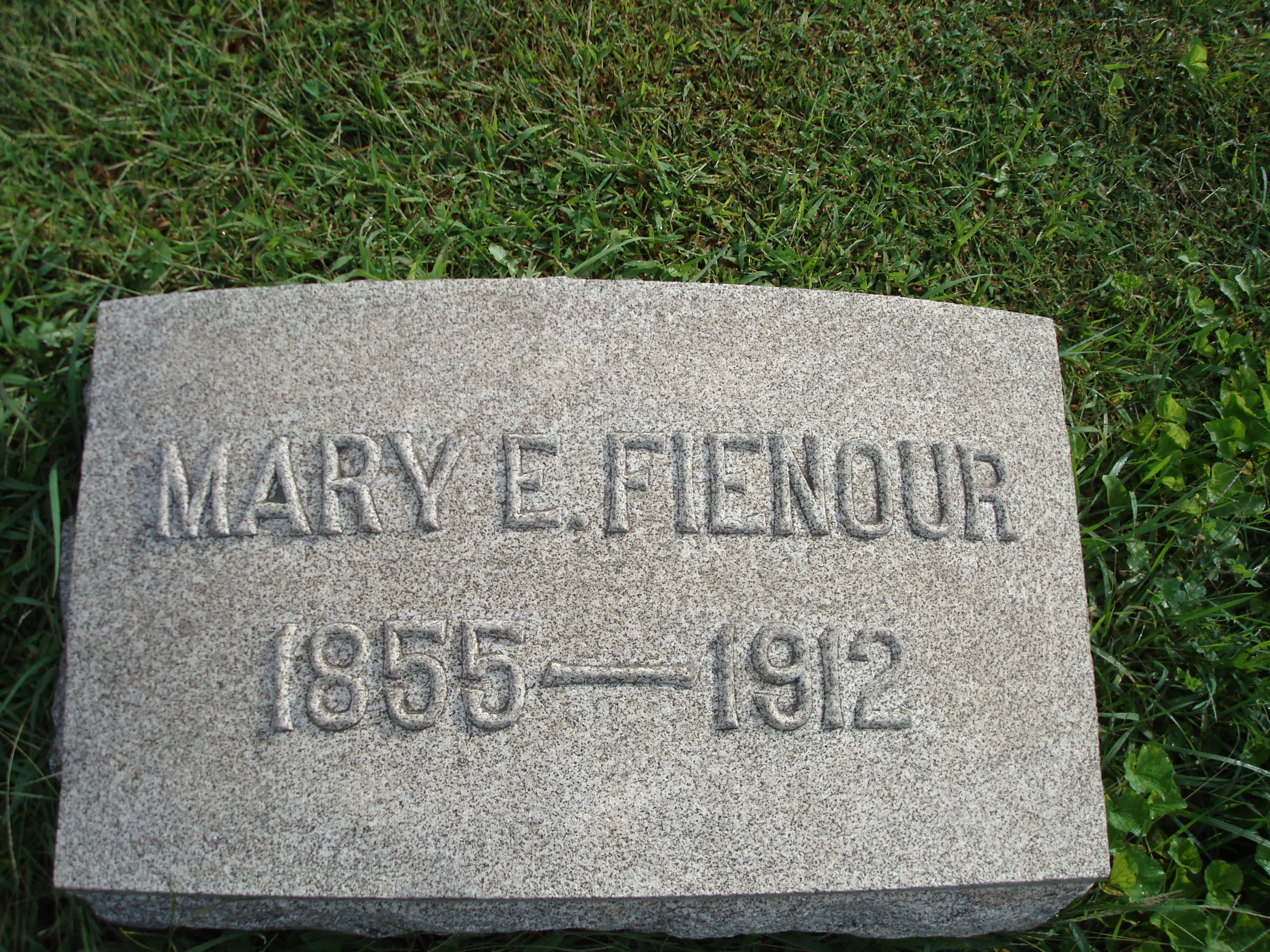
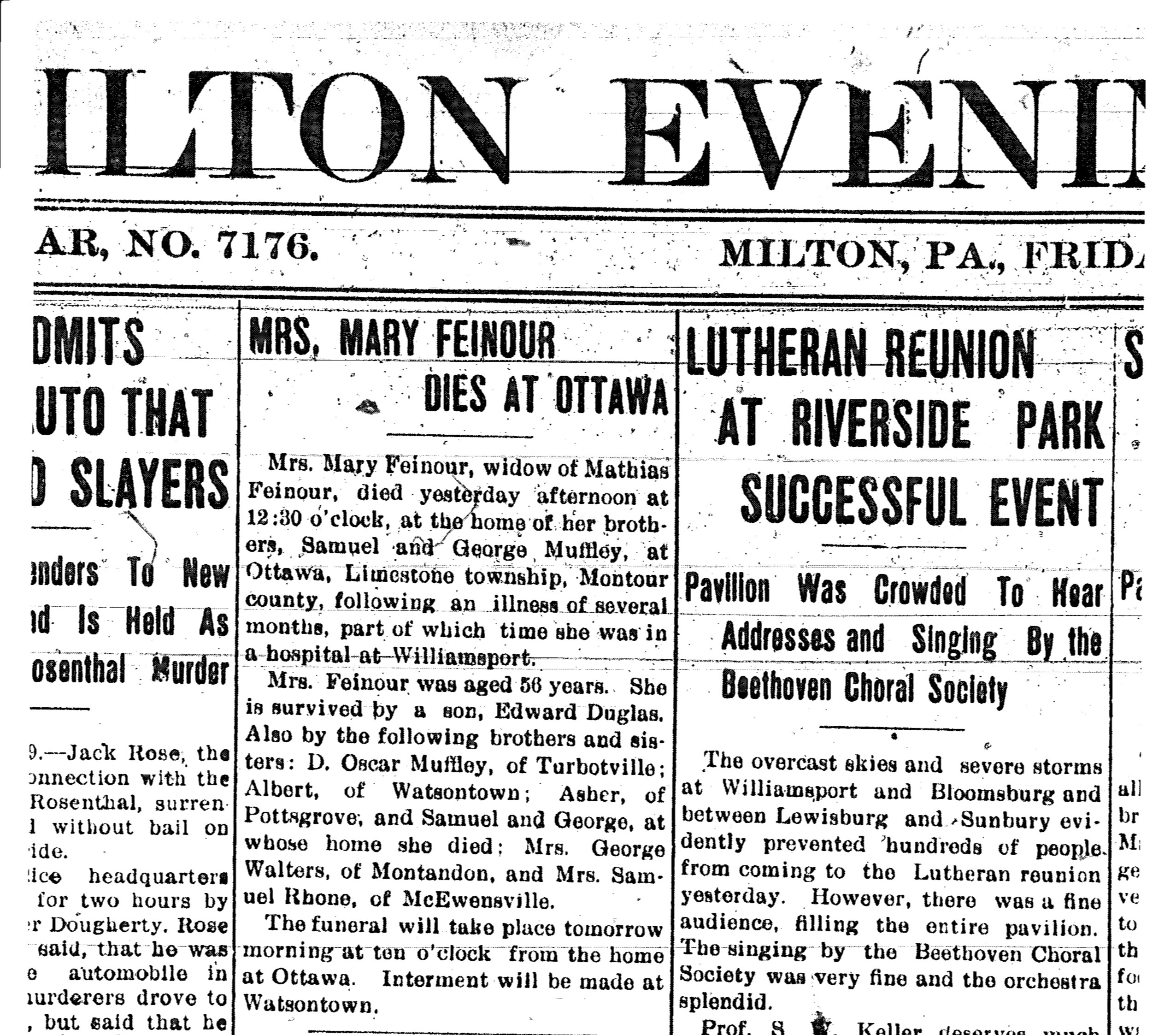
Or maybe Grandma put the wreath on the grave of her aunt, Mary (Muffly) Fienour, who died the previous summer. (In the obituary Mary’s last name is spelled Feinour.) Mary is buried next to her mother (Charlotte).
Mary Feinour Obituary. Source: Milton Evening Standard (July 19, 1912). Click to enlarge for easier reading.
(The fourth gravestone in the group, is the stone of Grandma’s uncle, Samuel Muffly. That stone won’t have been there in 1913–he didn’t die until 1930.)
18-year-old Helena Muffly wrote exactly 100 years ago today:
Monday, May 26, 1913: I haven’t got much to write about for today. At present I feel extremely sleepy.
Her middle-aged granddaughter’s comments 100 years later:
Was Grandma so tired because she’d worked very hard on the farm all day?
Here’s an advertisement for a Philadelphia newspaper which appeared in the May 28, 1913 issue of the Milton Evening Standard that I thought you might enjoy.
Women as Farm Workers
<<picture>>
One Result of the Labor Shortage in Pennsylvania
All of the farm, crop and market news of Pennsylvania, New Jersey and Delaware—what progressive farmers are doing.
Every day of the week, as well as on Friday, the PUBLIC LEDGER prints much of special interest to farmers, as well as all the news, local, foreign and domestic, tersely and interestingly told.
FRIDAY’S AGRICULTURAL SECTION
Present Condition of Garden Crops in the territory that feeds Philadelphia
Poultry-Meat Farming vs. Egg Raising by Michael K. Boyer
Making Alfalfa Pay in the East by D.C. Kauffmann of York
Read the PUBLIC LEDGER regularly. By carrier, daily and Sunday, 17 center a week.
By mail, outside of Philadelphia, daily, 50 cents a month, daily and Sunday, 75 cents a month.
PUBLIC LEDGER
News Agents for Milton, Pa.
W.A. REED B. GALBRAITH
J. BUOY A.H. KREBS
Independence Square Public Ledger Company
Philadelphia Cyrus H.K. Curtis, President
The Public Ledger was a Philadelphia newspaper which apparently hoped to expand its market into rural central Pennsylvania by including agricultural news.
Apparently it was controversial that women helped on their family farms—and articles which addressed these types of issues were seen as selling points for the paper.
18-year-old Helena Muffly wrote exactly 100 years ago today:
Thursday, May 22, 1913: Went to Watsontown this afternoon. It was rather muddy, and my shoes were a sight.
Did the red sky predict rain–which led to the mud Grandma encountered? Source: Wikimedia Commons
Her middle-aged granddaughter’s comments 100 years later:
It must have recently rained. A hundred years ago, you couldn’t instantly get good weather information via the internet or television—but accurately predicting the weather was important for farm families.
Did Grandma use old weather proverbs and sayings to forecast the weather?
Here’s what a 1913 article in her local newspaper had to say about weather proverbs:
OLD PROVERBS ON WEATHER ARE TRUE
Ancient Sayings Based on Experience Are Approved by Uncle Sam’s Scientific Investigators
The idea that old weather proverbs and traditional natural signs are of no value in these days of scientific weather forecasting is not sustained by such an eminent authority as W.J. Humphreys, professor of meteorological physics in the United States Bureau.
He gives credit to the weather prescience of farmers, fishermen, woodsmen and others who make a practice of depending on natural signs to give them knowledge of impending weather changes.
Quoting the jingle about a sailor’s warning and a sailor’s delight, Professor Humphreys says:
“If the evening sky, not far up but near the western horizon, is yellow, greenish, or some other sort wave-length color, then all the greater the chance for clear weather, for these colors indicate ever less condensation and therefore drier air than does red.”
Professor Humphreys says a good word for such old-time proverbs as:
Frost year, fruit year
Year of snow, fruit will grow
A year of snow, a year of plenty
“That these and similar statements commonly are true,” he writes, “is evident from the fact that a more or less continuous covering of snow, incident to a cold winter, not only delays the blossoming of fruit trees until after the probable season of killing frosts but also prevents that alternate thawing and freezing so ruinous in fruit. In short, as another proverb puts it, a late spring never deceives.
The appearance of the moon depends upon the conditions of the atmosphere. Clear moon, frost soon, and moonlit night has the heaviest frosts and others of this class are true enough he says, because on the clearest nights the cooling of the earth’s surface by radiation is greatest, and hence most likely to cause, through the low temperature reached, precipitation in the form of dew or frost.
18-year-old Helena Muffly wrote exactly 100 years ago today:
Monday, May 19, 1913: Saw the kitchen papered this afternoon. It looks quite stylish.
Her middle-aged granddaughter’s comments 100 years later:
Whow! I’ve totally missed the context of the diary entries the past few days. (I probably should read further ahead.)
I thought that spring housecleaning lasted for a couple weeks when I read diary entries that said things like, “Nothing much doing, but the doing of rubbing, scrubbing, etc.” (May 14, 1913).
Really, they probably did the spring house cleaning in early May, and then moved on to removing old wall paper from the kitchen wall in preparation of re-papering.
The caption on this black and white picture in the an article called, “Good Taste in the Farm House” in the October, 1913 issue of Ladies Home Journal says:
“Here striped wall paper in two tons of green was used to give the effect of great height to this low-ceiled room. The furniture was painted a willow green to harmonize with the walls and the cretonne curtains.”
Did the rather stylish Muffly kitchen look anything like the picture in the magazine?
Her middle-aged granddaughter’s comments 100 years later:
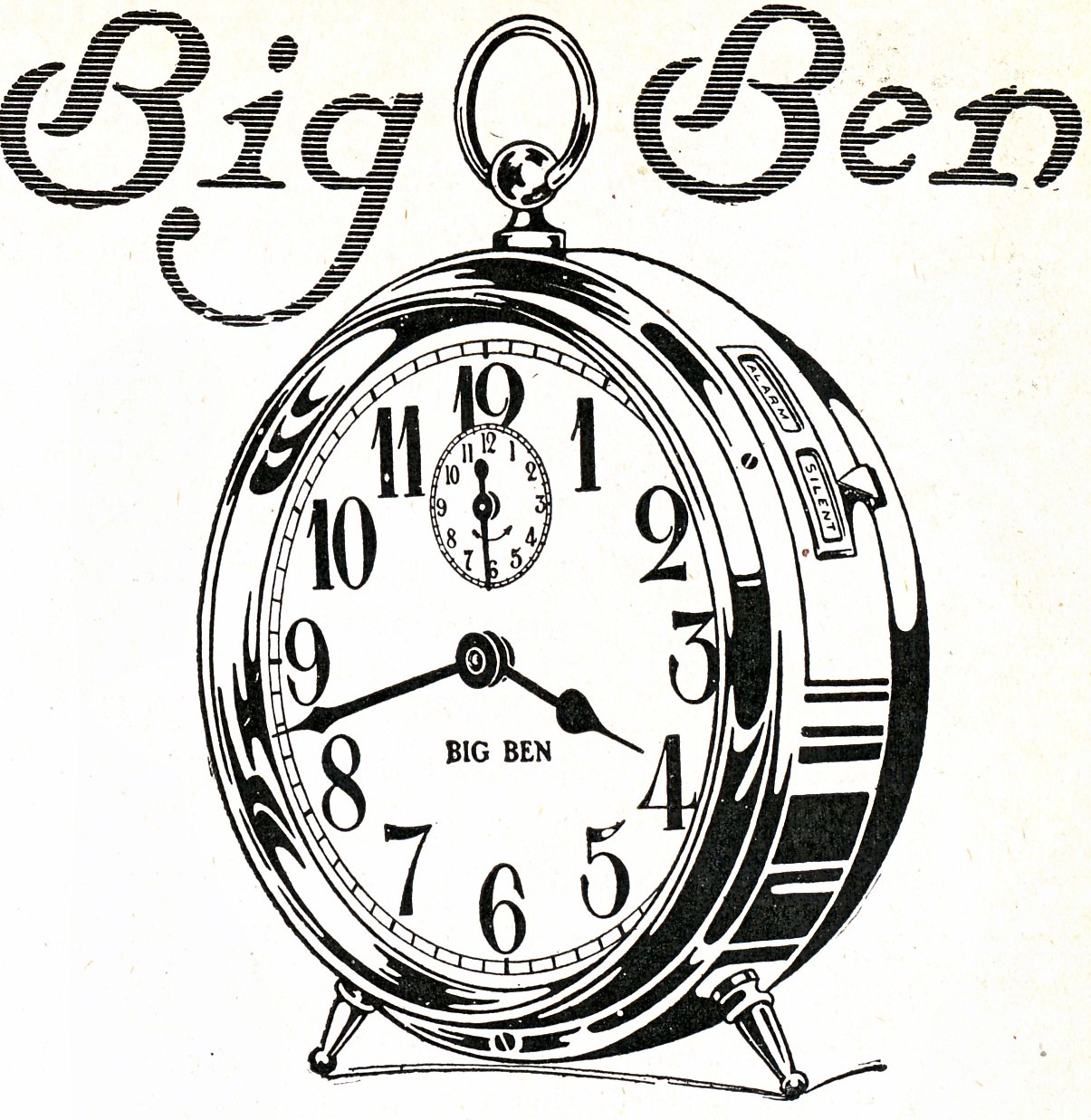
Grandma–How late were you? . . .a few minutes? . . half an hour? Weren’t the clocks working quite right at home?
According to Wikipedia, wrist watches didn’t become popular until the 1920s. What kinds of clocks did your family have? . . . a wind-up alarm clock? . . . a wind-up pocket watch? . . . a grandfather’s clock?. . . some other kind of pendulum clock?