17-year-old Helena Muffly wrote exactly 100 years ago today:
Sunday, November 17, 1912: Went to Sunday School this afternoon. The house was simply topsy-turvy today. Such a mess. Pa and Ma were fixing the stove.
This isn’t a very good picture, but you can see what a stove in a kitchen looked like a hundred years ago. (Source: Good Housekeeping, May, 1911)
Her middle-aged granddaughter’s comments 100 years later:
I don’t know much about wood/coal stoves. What might go wrong that would require immediate repairs on a Sunday in November? How long was the stove out of commission?
What was the weather like? Was the house cold while they were fixing it? . . . Or did the house have two stoves—one in the kitchen and one in the living room?
What did they eat if they were unable to cook hot foods?
17-year-old Helena Muffly wrote exactly 100 years ago today:
Saturday, November 16, 1912: Didn’t have much at all to do this afternoon. I think you feel so funny when you have nothing at all to do.
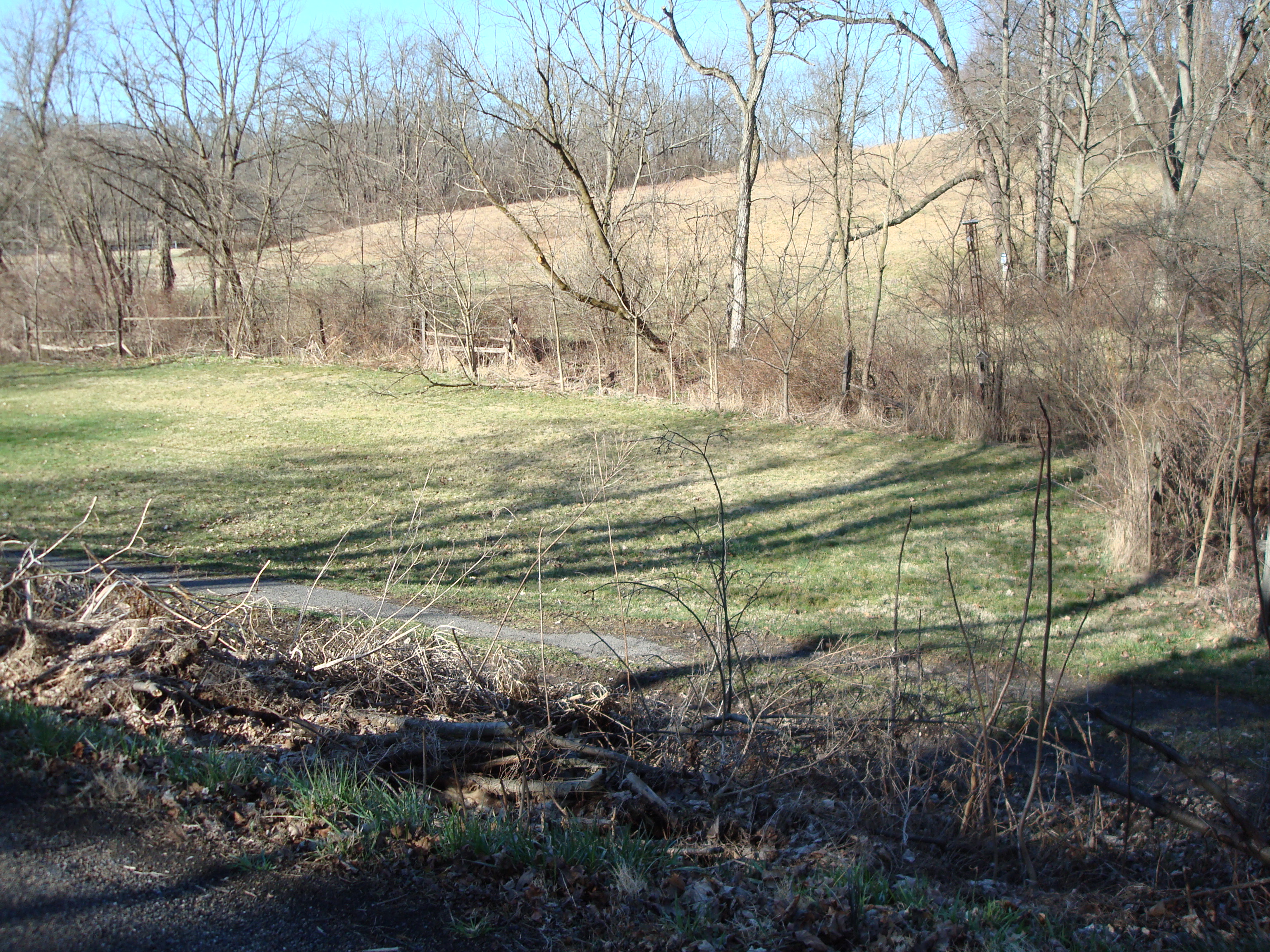
Recent view of the field across the road from the house that Grandma lived in.
Her middle-aged granddaughter’s comments 100 years later:
Many days when I read what Grandma wrote, I am surprised how similar teens a hundred years ago are to teens today.
But occasionally, like today, I’m amazed how astute Grandma was—even though she was only 17. I don’t think that I learned until I was well into my 40s that it feels funny when I have nothing to do—and that I’m happier when I’m busy doing things that are meaningful to me.
17-year-old Helena Muffly wrote exactly 100 years ago today:
Friday, November 15, 1912: Today we had the first meeting of our Literary Society. Everything went off pretty well. But all the same I’ve been having a terrible head-ache today. It is a little better at present.
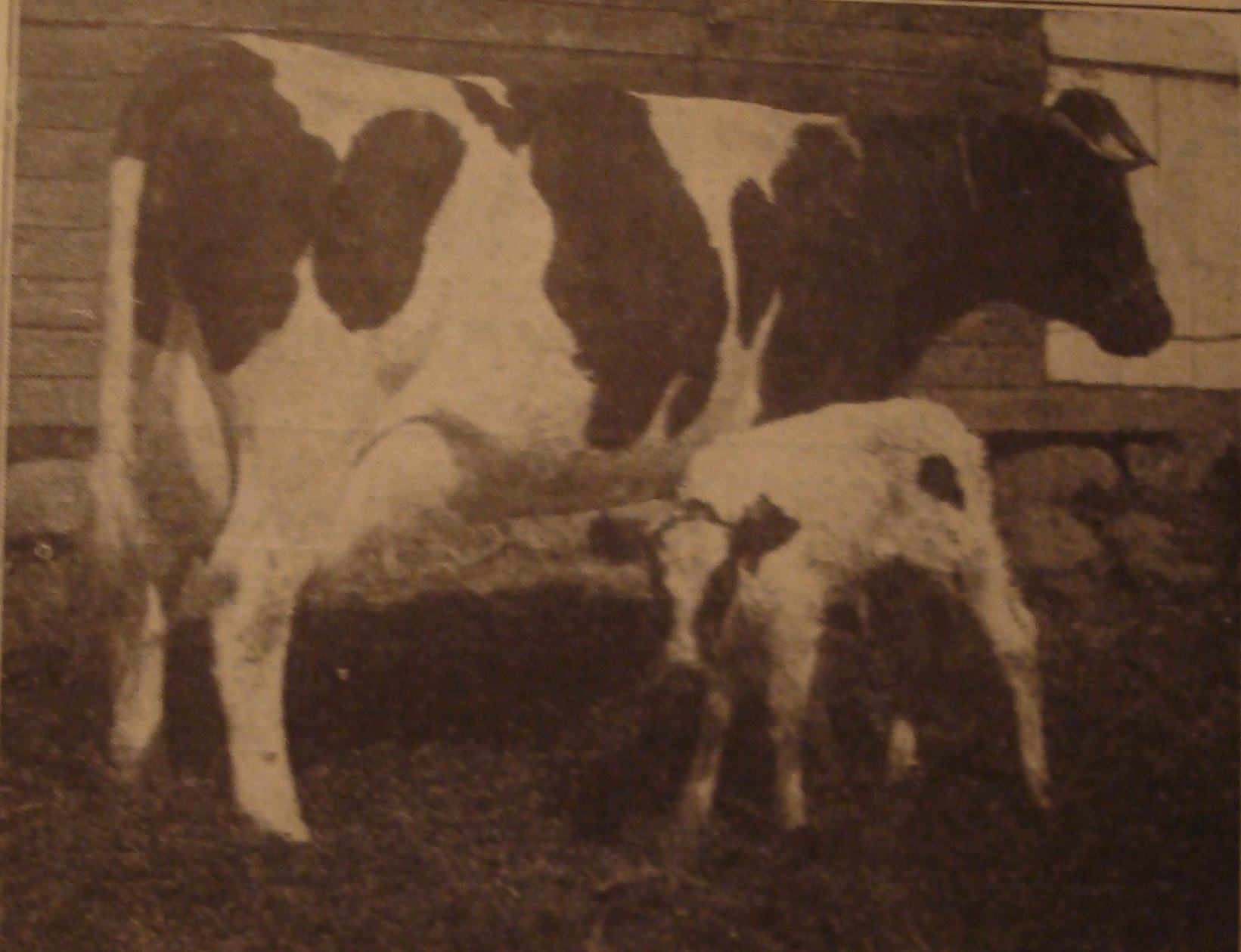
And now what do you think? Why when I come home, and had gone to the barn to gather eggs, I saw Mollie out there with a little calf, hers it was. Was rather surprised you see, I had waited so long for my ship to come in that I didn’t mind waiting.
Her middle-aged granddaughter’s comments 100 years later:
Lots happened in Grandma’s life a hundred years ago today. . . and this is one of her longer diary entries.
Grandma’s school started the Literary Society and Grandma has been very involved in planning for this meeting. She’s been really excited about this club—and seemed to enjoy getting ready for the meeting, but she’s also seemed stressed. I’m glad that it went well.
Mollie was Grandma’s cow. The previous year, she also was excited when Mollie had a calf—and eventually got some cash when the male calf was sold.
I think that Grandma’s parents gave (or sold) each of their children one calf. When the calf grew up and had its own calves—the child’s personal herd grew if it was a female, and the child got some money when the calf was sold if it was male.
For more on how farm children owned their own cows, see my post from last year when Mollie’s calf was sold:
17-year-old Helena Muffly wrote exactly 100 years ago today:
Saturday, November 9, 1912: Was real busy today. Got a new pair of shoes, but I wasn’t away to get them. As I said before that I was busy today.
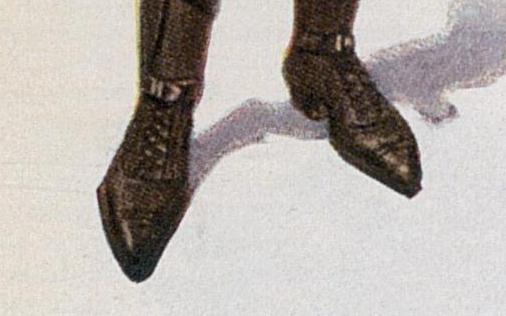
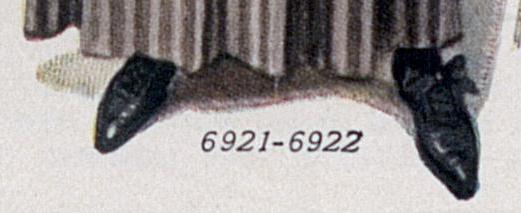
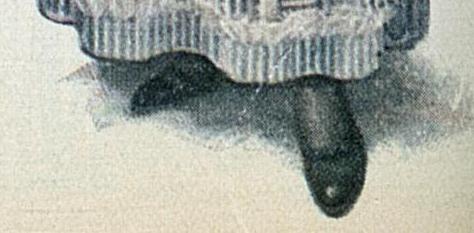
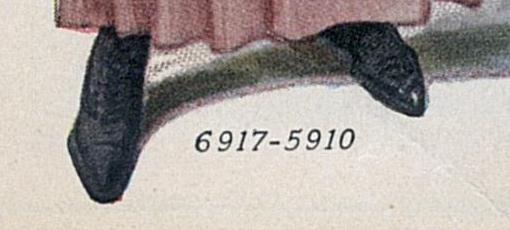
Source of pictures: Ladies Home Journal (1912)
Her middle-aged granddaughter’s comments 100 years later:
Hmm . . . How did Grandma get shoes without going anywhere? Did her mother or sister buy them for her?
I’ve posted lots of pictures of 1912 fashions from Ladies Home Journal—and many of the pictures showed shoes peeking out beneath the dresses. Today, I cropped a few of the pictures to just show the shoes.
You can get a sense of what stylish shoes looked like a hundred years ago—though many of the shoes were drawn in a soft, slightly blurry way since they weren’t the focus of pictures.
17-year-old Helena Muffly wrote exactly 100 years ago today:
Wednesday, November 6, 1912: Am ever so busy these days getting my lessons out, and helping make out that program for our first Literary meeting.
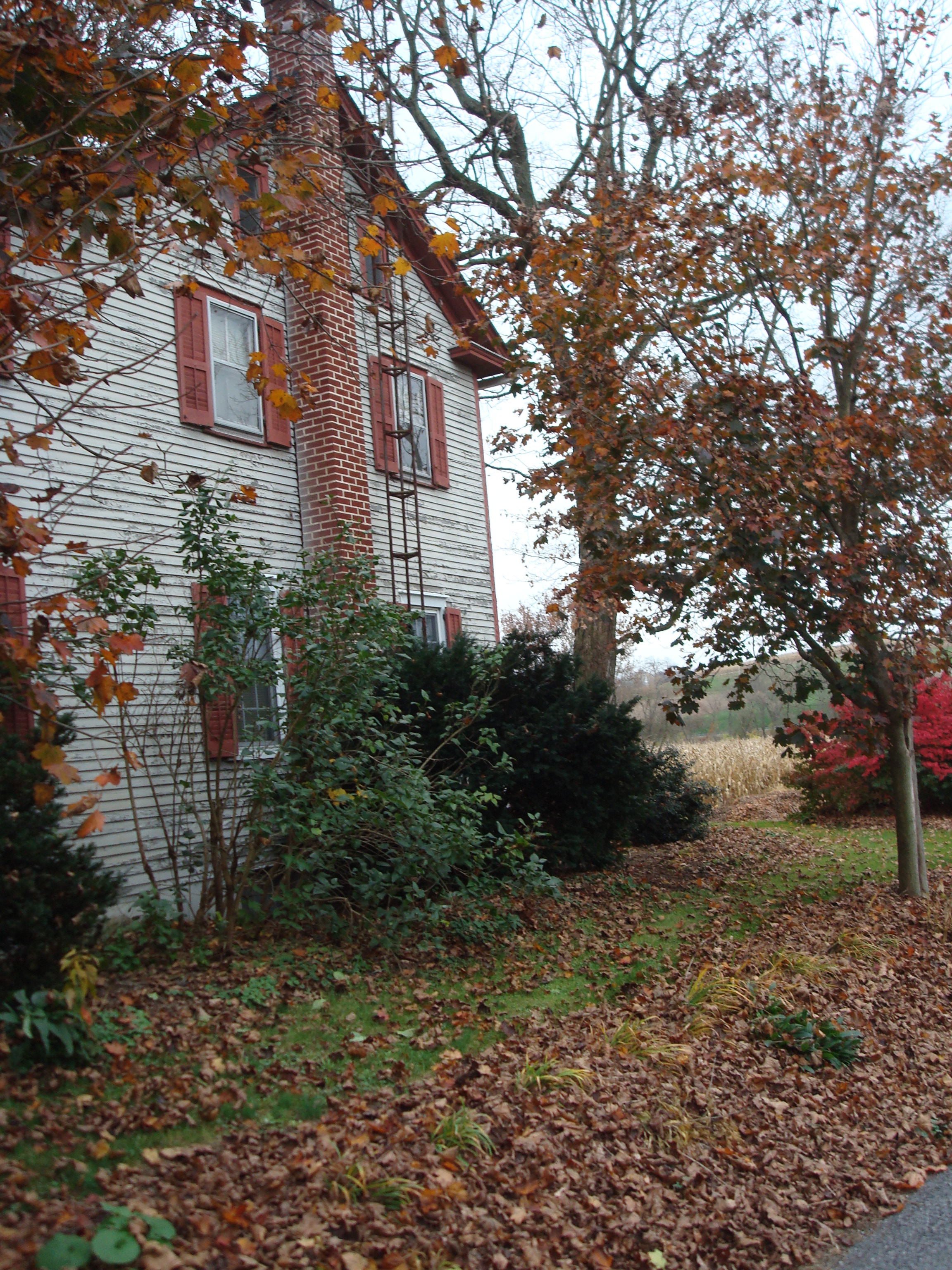
A hundred years ago today Grandma was sitting inside this house writing about how she was trying to juggle many things.
Her middle-aged granddaughter’s comments 100 years later:
On November 1, Grandma wrote that they’d organized a Literary Society at school and that she was on a committee.
Hmm—I wonder what is involved in figuring out the program for the Literary Society. Did they read classics or popular books?
According to Wikipedia, the Publisher’s Weekly bestsellers for 1912 were:
1. The Harvester by Gene Stratton Porter
2. The Street Called Straight by Basil King
3. Their Yesterdays by Harold Bell Wright
4. The Melting of Molly by Maria Thompson Davies
5. A Hoosier Chronicle by Meredith Nicholson
6. The Winning of Barbara Worth by Harold Bell Wright
7. The Just and the Unjust by Vaughan Kester
8. The Net by Rex Beach
9. Tante by Anne Douglas Sedgwick
10. Fran by J. Breckenridge Ellis
Hmm—I’ve never heard of any of these books. Are any of you familiar with any of them?
In a previous post, I listed some of the books on the Goodreads list for 1912 of books that are still widely read —and that list is very different from this list of 1912 bestsellers. It’s amazing how bestseller status may not mean enduring popularity.
17-year-old Helena Muffly wrote exactly 100 years ago today:
Tuesday, November 5, 1912: I must excuse myself for this day.
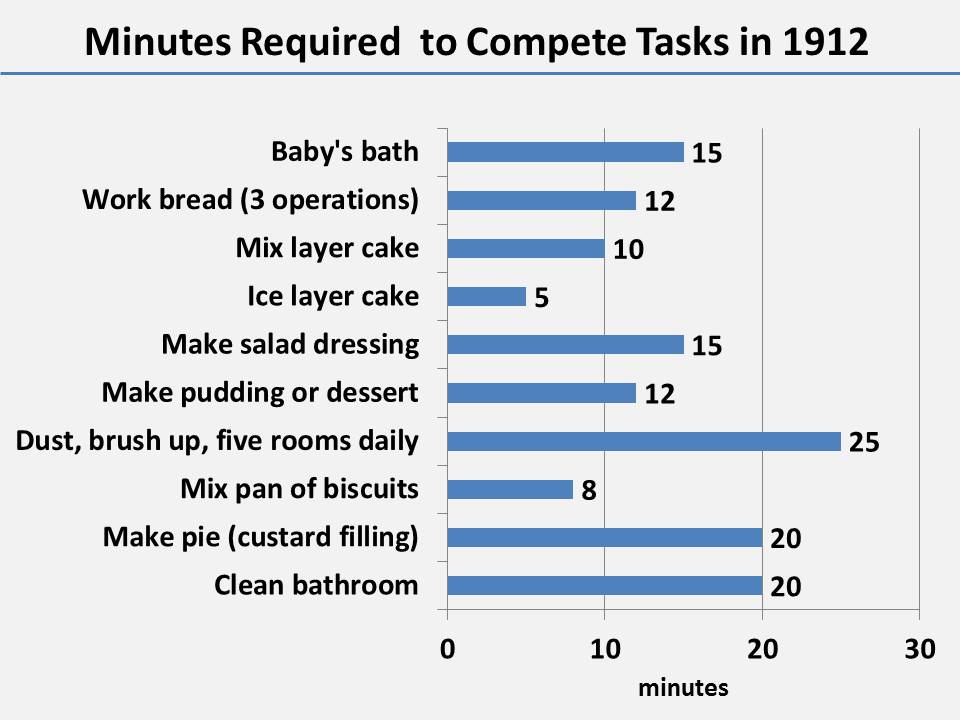
Data Source: “Time Required to Complete Certain Tasks” in the October, 1912 issue of Ladies Home Journal. (Click on graph to enlarge.)
Her middle-aged granddaughter’s comments 100 years later:
Since Grandma didn’t write much a hundred years ago today, I’ll tell you how long it took to complete several household tasks in 1912.
Factory managers in the 1910s believed that workers should be timed doing various tasks to determine how long it took to complete each one.
There also was a movement toward the scientific management of households. Homemakers were encouraged to time how long it took to complete common tasks so that they could better plan their daily schedule.
17-year-old Helena Muffly wrote exactly 100 years ago today:
Sunday, November 3, 1912: Saw some snowflakes yesterday. Had croup this evening so you see that put my studies back somewhat.
Her middle-aged granddaughter’s comments 100 years later:
Croup is no fun. It’s awful to have a bad cough that sounds like a seal!
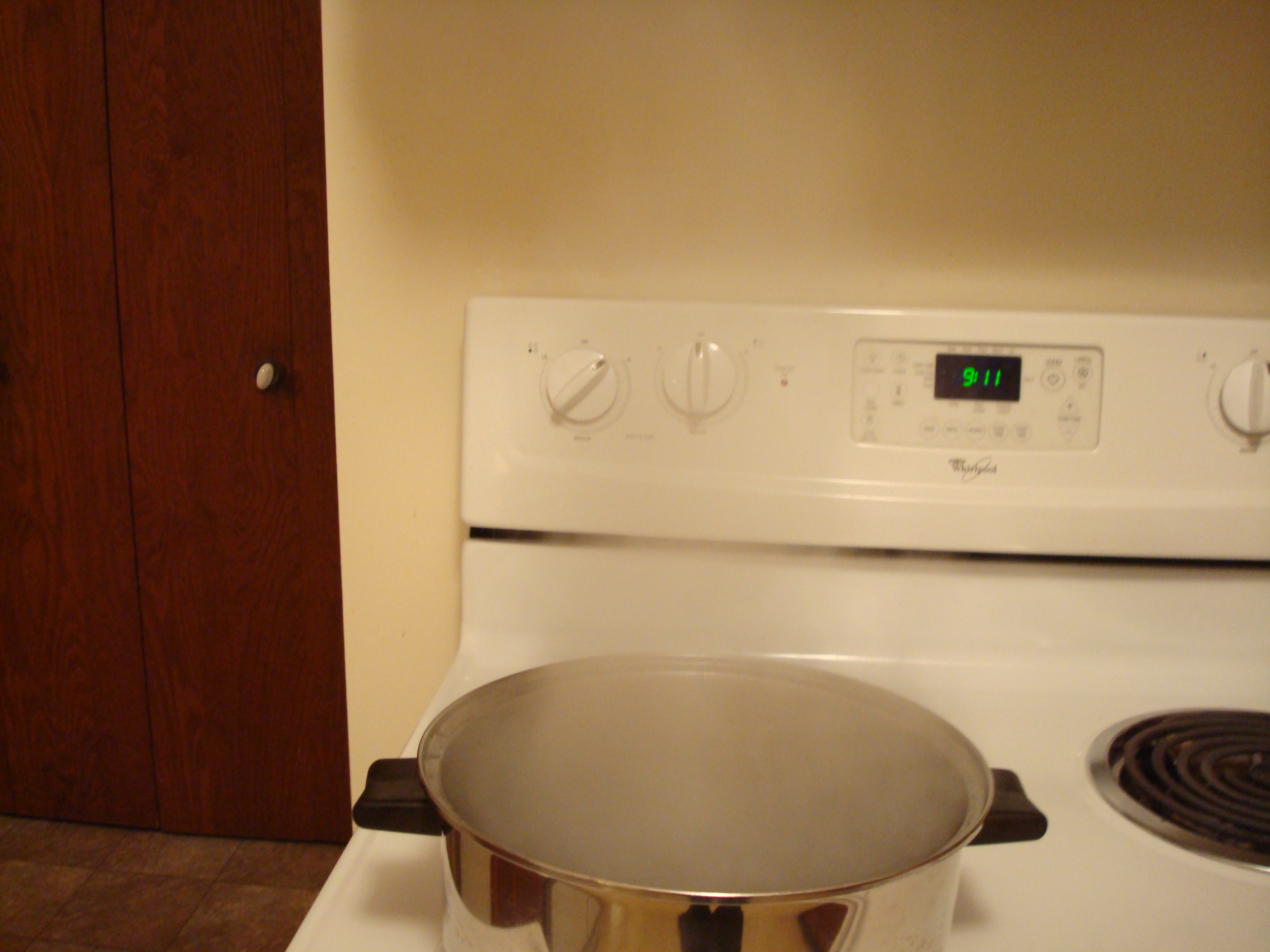
The old- fashioned way to treat croup was to bring some water to a boil on the stove. The ill person would then very, very carefully lean over boiling water and breathe deeply for several minutes. The steam would calm the coughing.
I can picture Grandma leaning over a pot of boiling water on a wood or coal stove trying to sooth her cough—while thinking about the homework that needed to be done.