Hundred-Year-Old History Review Questions on the American Revolution

17-year-old Helena Muffly wrote exactly 100 years ago today: 

Tuesday, February 25, 1913:  I’ve forgotten. Finished essay.

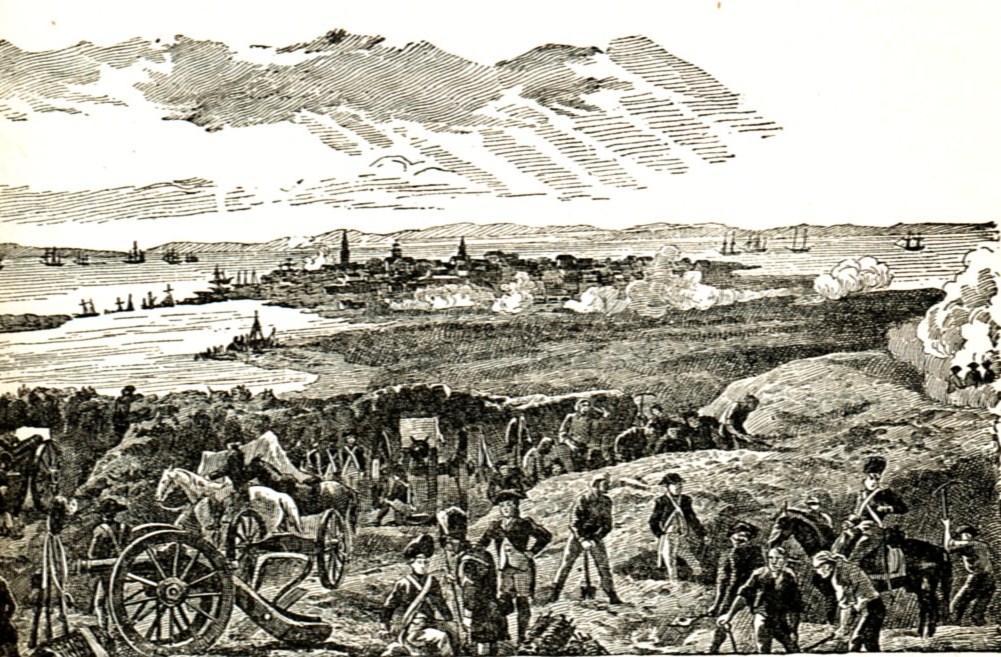
Battle.CharlestonPicture caption: The Siege of Charleston, After the picture by Chappel (Source: American History for Schools, 1913)
Her middle-aged granddaughter’s comments 100 years later:

Yeah, Grandma! I bet it feels good to have finished the essay on the American Revolution that you’ve been working on for almost two weeks. I’m keeping my fingers crossed that you win the two and a half dollar gold piece that your teacher is going to give to the student who wrote the best essay.

I’m still having fun reading the chapter on the American Revolution in the 1913 American History textbook that I quoted in several previous posts.

Here are a few of the review questions at the end of the chapter:

1. If modern battleships had been in use during the Revolution, would the outcome of the war been different?

2. Did the British government have any sound basis, moral or legal, for its policy of coercion?

3. In your opinion, what was the most important battle of the war?

4. How was the Revolution an aid to the cause of liberty everywhere?

5. Name some of the serious problems that confronted the Americans when the war was over?

6. How do you account for the success of the American navy?

American History for Schools (1913) by R.B. Cousins and J.A. Hill

For previous posts on the American Revolution from the same 1913 textbook see:

American Revolution as Described in 1913 Textbook

1913 Perspectives on the Importance of the American Revolution
1913 Perspectives on the Importance of the American Revolution
17-year-old Helena Muffly wrote exactly 100 years ago today:

Monday, February 24, 1913:  My essay is almost done, all but the conclusion. Think it will be finished by tomorrow night.

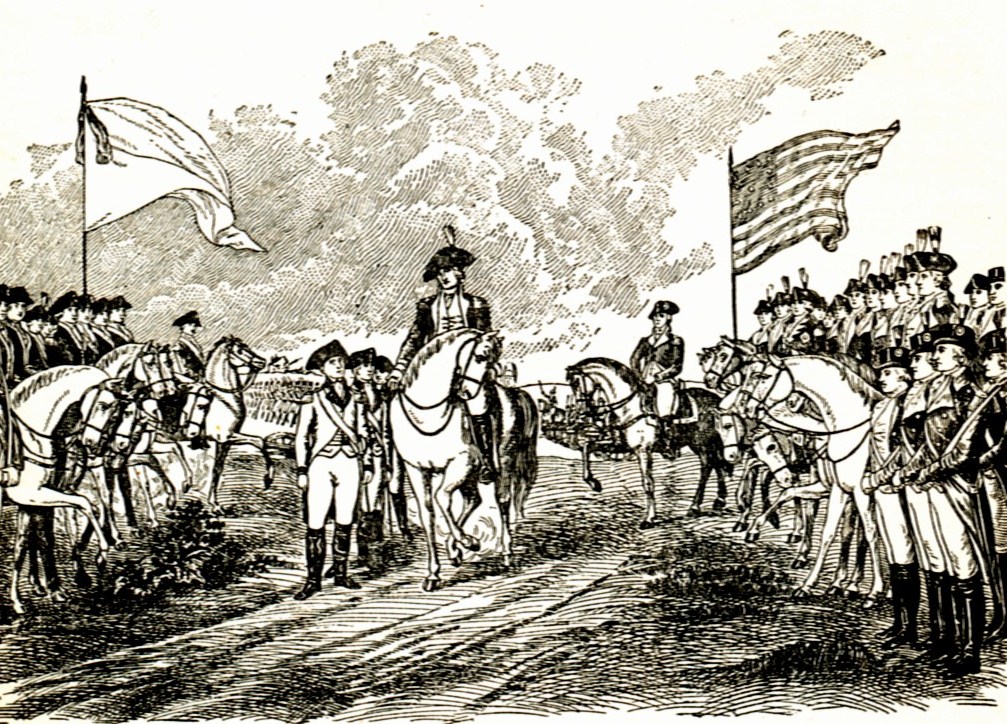
Surrender of Cornwallis at YorktownPicture Caption: The Surrender of Cornwallis at Yorktown, October 19, 1781; From the painting by Turnbull in the Capitol at Washington (Source: American History for Schools, 1913)

Her middle-aged granddaughter’s comments 100 years later:

Grandma was writing an essay on the American Revolution. I always think that the Introduction and the Conclusion are the hardest parts to write.

A few days ago, I told you how the chapter on the Revolutionary War in a 1913 history textbook began. Today, I’ll share the concluding paragraph of the same chapter:

The peace concluded at Paris in 1783 closed one of the most heroic struggles for human liberty that the world has known; but it opened, for the Americans, problems of peace no less serious and difficult of solution than those of war.

American History for Schools (1913) by R.B. Cousins and J.A. Hill

Initiated New Gray Suit

17-year-old Helena Muffly wrote exactly 100 years ago today: 

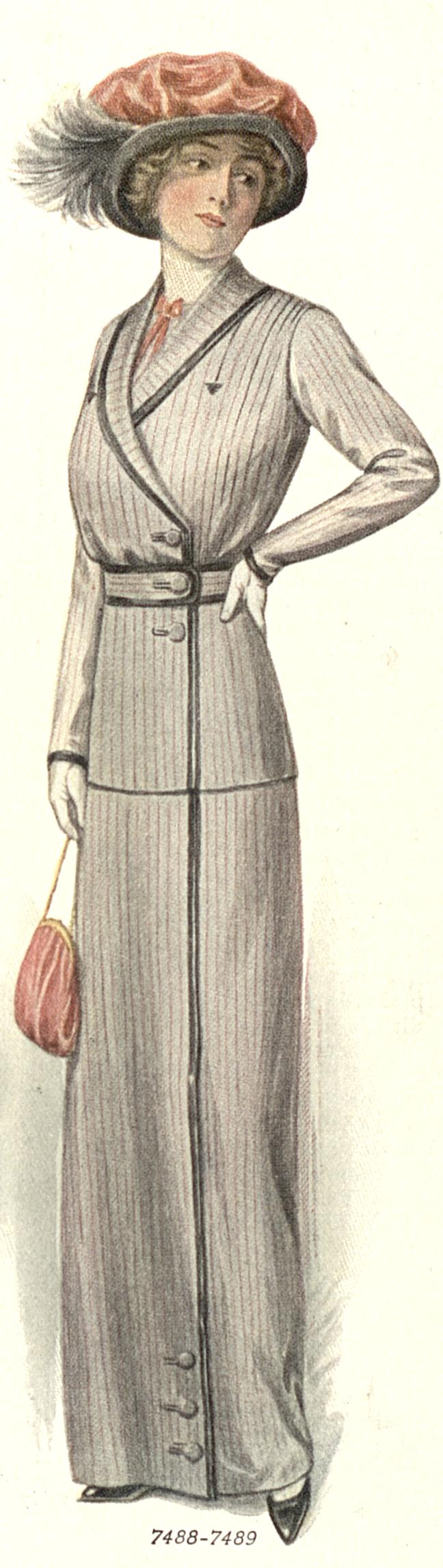
Sunday, February 23, 1913:  Went to Sunday School this afternoon. Initiated my new suit by falling down. The wind blew my hat off and in racing after it, I fell when I went to pick it up.

1913-03-41.d
Source: Ladies Home Journal (March, 1913)


Her middle-aged granddaughter’s comments 100 years later:

How embarrassing! Poor Grandma– I can almost picture a couple cute guys standing on a street corner in McEwensville laughing as Grandma chased after the hat and then fell.

The previous day Grandma wrote about buying the new gray suit in Milton.

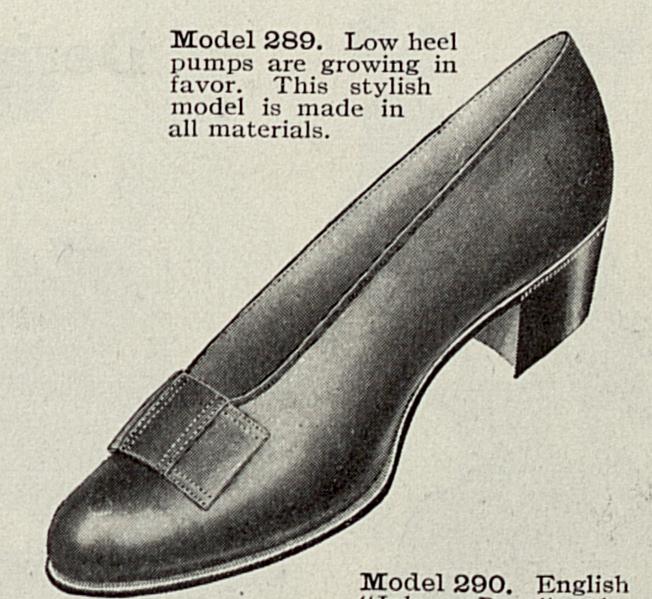
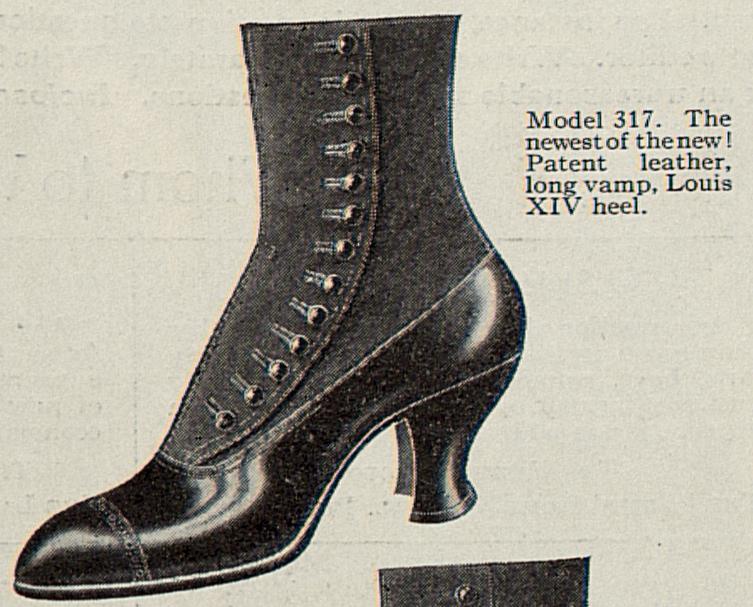
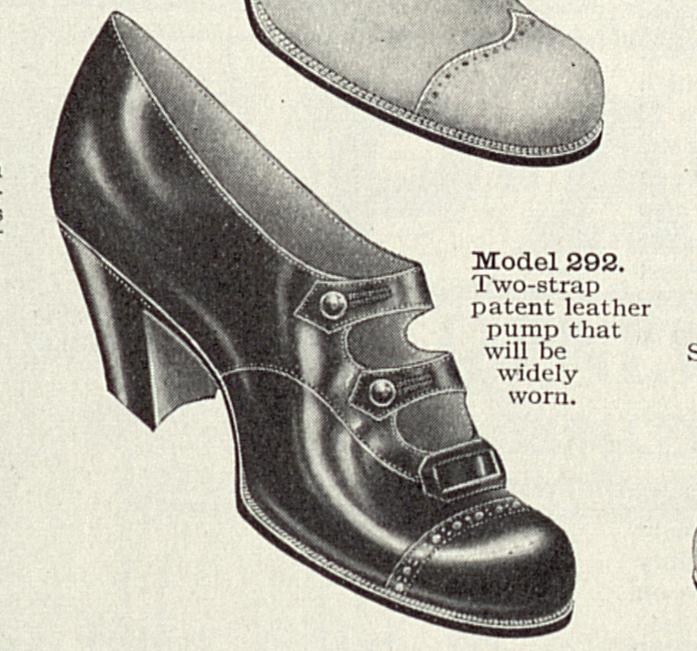
1913 Shoe Styles

17-year-old Helena Muffly wrote exactly 100 years ago today: 

Saturday, February 22, 1913:  Mother and I went on a shopping expedition this morning. I doubted whether we’d ever get to Milton. The train was late, and it looked rainy. Ma got me a gray jacket suit, two waists, one is silk, and a pair of shoes which I think I will keep for graduation.

1913 shoe
All shoes from a Red Cross Shoe advertisements in Ladies Home Journal (April, 1913, October, 1913)

Her middle-aged granddaughter’s comments 100 years later:

It sounds like a fun shopping expedition. The shoes must have been very special if Grandma planned to save them for graduation.

Grandma and her mother probably rode the Susquehanna, Bloomsburg, and Berwick train to Watsontown. There was a flag stop at the feed mill near their farm. They probably then took the trolley to Milton.  According to my father, Grandma used to call the train the Sweet, Bye, and Bye because you never could tell when it would come.

1913-04-47.c

1913-10-55.c

1913-10-55.e

1913-04-47.d

Having Fun Being the President

17-year-old Helena Muffly wrote exactly 100 years ago today: 

Friday, February 21, 1913:  Our Literary Society met again today. It is rather fun being president.

McEwensville School (in the background)

Her middle-aged granddaughter’s comments 100 years later:

Two weeks earlier, on February 7, Grandma wrote:

We had our literary meeting this afternoon and also elected officers to take the place of the old ones. They had to go and elect me president.

When I posted that entry, I was uncertain whether Grandma was secretly pleased that she was the new president or if she had qualms.

In any case, I’m glad Grandma was now enjoying her new role.

I wonder what she liked about being president:

  • Did she like being able to choose what the Society did?
  • Did the presidency may her feel more popular?
  • Did she like the power?
  • Did she . . . ?

American Revolution as Described in 1913 Texbook

17-year-old Helena Muffly wrote exactly 100 years ago today: 

Thursday, February 20, 1913:  Am working at my essay. I have it pretty well on its way.

Map Titled Land Claims of the Thirteen Original Colonies in American History for Schools (1913)
Map Titled “Land Claims of the Thirteen Original Colonies” in American History for Schools (1913)

Her middle-aged granddaughter’s comments 100 years later:

Grandma was writing an essay on the American Revolution. Her teacher was going to give a two and a half-dollar gold piece to whoever wrote the best essay.

The American Revolution seems like an awfully broad topic. There must have been some additional directions to narrow it down—but they didn’t make it into the diary.

I found an American History textbook that was published in 1913. Here’s how the chapter on the American Revolution began:

The Revolutionary War

In the war which she had begun, Great Britain would find both advantage and difficulty in the geographical conditions of the country which she had undertaken to subdue.

The coast line, indented with harbors, and with rivers flowing into the sea at convenient intervals, at first offered to a powerful navy little resistance beyond that of inertia, which condition, however, might prove distinctly embarrassing from the fact that it was temporary and therefore invited a naval commander to possible destruction through necessity for his acting with extreme haste in seizing important towns on the seaboard. But in holding even Boston, the storm center of insurgency, the British power was already largely occupied; and , in the end, events proved that while the coast towns might be taken, their capture would cost more than the results were worth; for the strength of the American colonies was not in the cities, but in the rural regions, where every man and boy knew every stream and mountain, and a column of British never left the coast and marched into the interior without sooner or later coming to grief. . . .

American History for Schools (1913) by R.B. Cousins and J.A. Hill

No Play Practice

17-year-old Helena Muffly wrote exactly 100 years ago today: 

Wednesday, February 19, 1913:  We went up to practice this evening, and then didn’t have any after all.

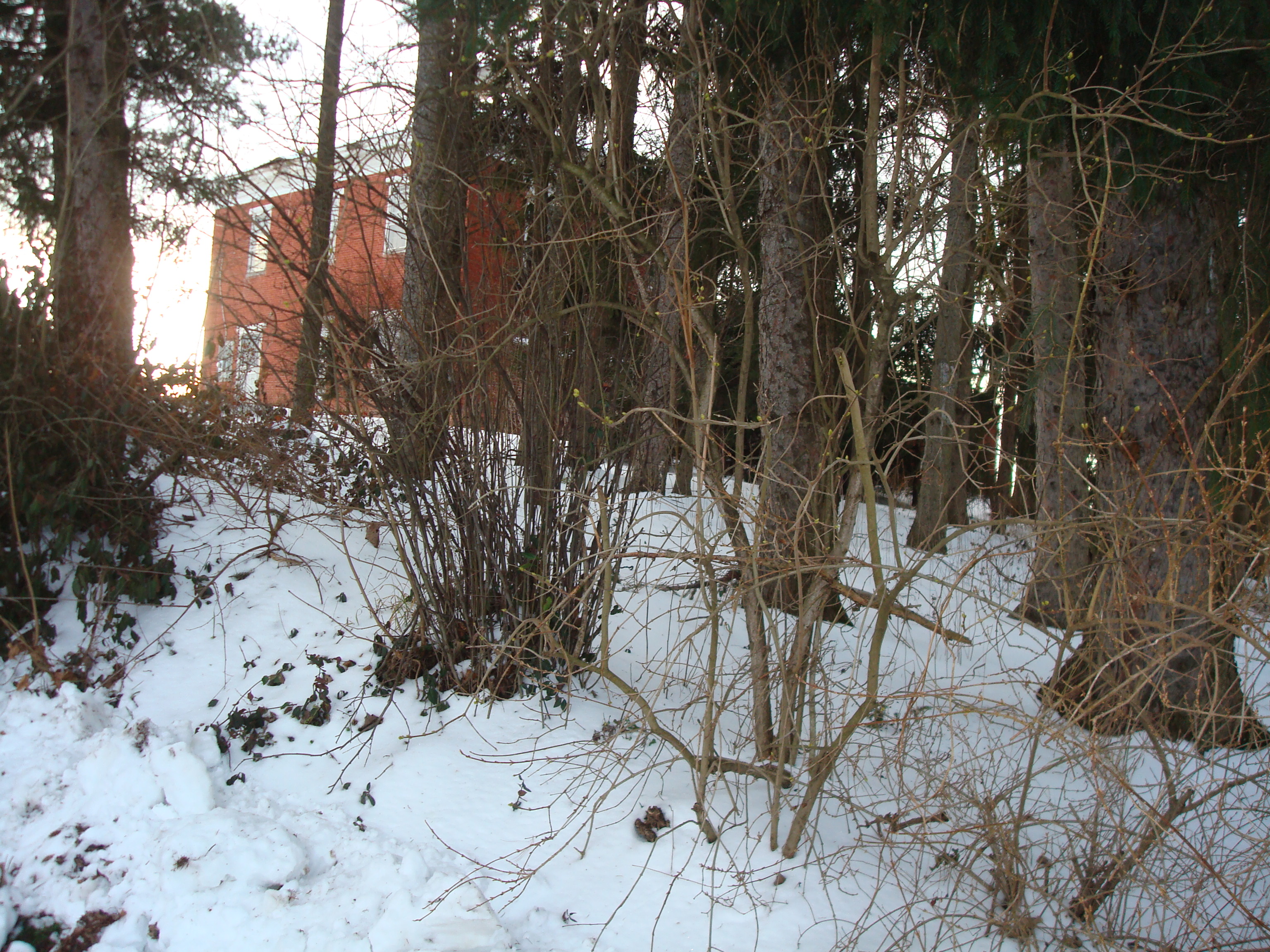
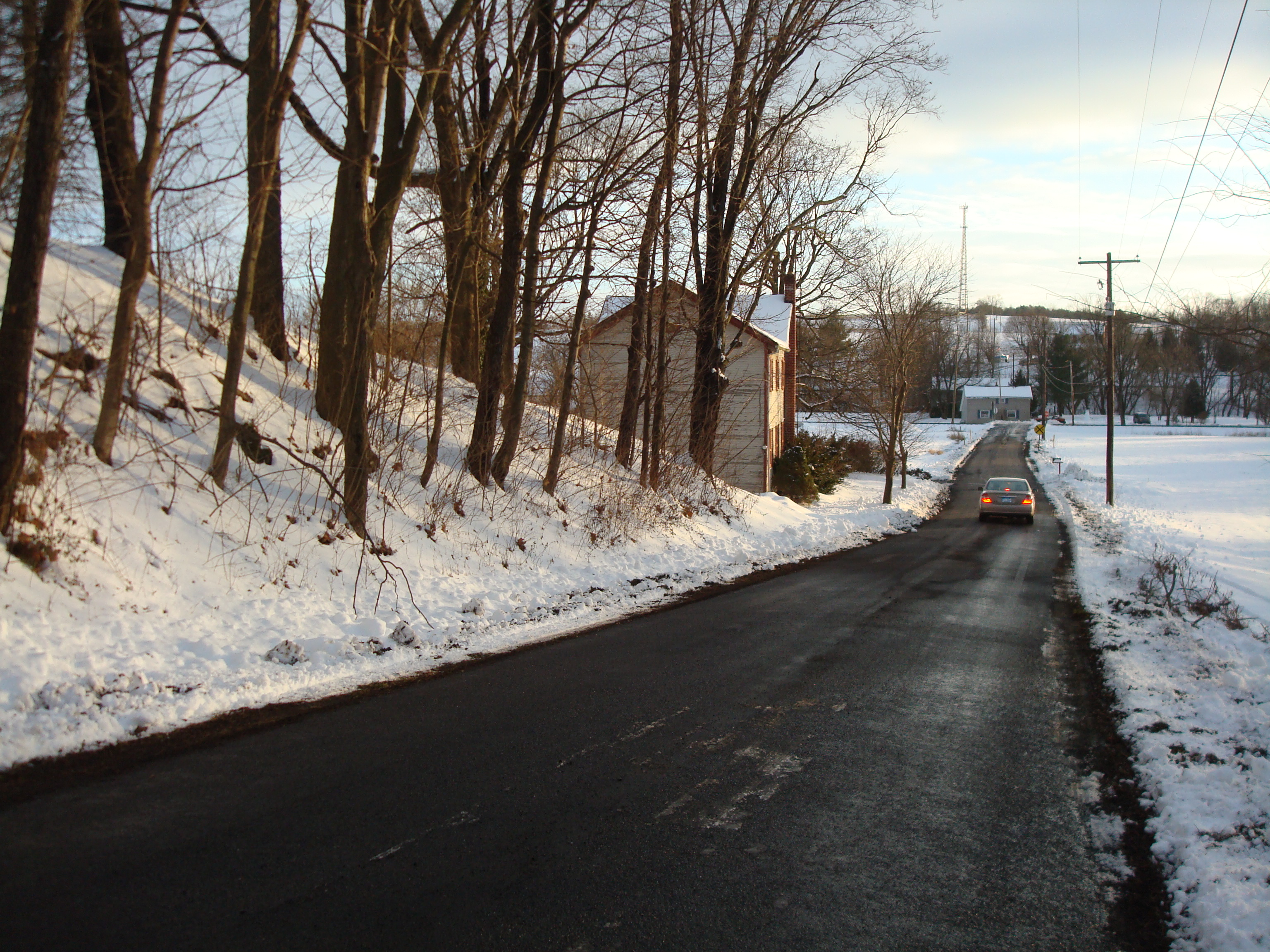
Recent photo of the house Grandma lived in when she was writing the diary--and the road she would have walked to get to McEwensville.
Recent photo of the house Grandma lived in when she was writing the diary–and the road she would have walked down to get to McEwensville.

Her middle-aged granddaughter’s comments 100 years later:

I hate it when signals get crossed. I bet Grandma was ticked off.

Grandma (and probably her sister Ruth) would have walked a mile and a half from their farm into McEwensville for a play practice that didn’t take place. Grandma had the role of Chloe, the servant, in the play.