Did Grandma’s Parents Attend Church or Sunday School?

18-year-old Helena Muffly wrote exactly 100 years ago today: 

Sunday, July 27, 1913:   Went to Sunday School this afternoon.

Grandma would have walked down Main Street in McEwensville to get to the Baptist Church.

Her middle-aged granddaughter’s comments 100 years later:

Across the two and a half years that I’ve been posting the diary, most Sunday’s Grandma wrote that she went to Sunday School. She rarely mentioned Church.  Why? . . . Didn’t she attend the church service?

Did Grandma go alone to Sunday School a hundred years ago today, or did other family members also attend? What about her parents?

In the past, sometimes the diary entries suggested that her sister Ruth may have at least occasionally accompanied her to Sunday School. And, if I remember correctly, Grandma mentioned one time that her 7-year-old brother Jimmie went to Sunday School. But her parents are never mentioned in the context of church or Sunday School.

Today I think that parents are more likely to attend church than their teen-aged children. It almost seems like it was the opposite for Grandma—she attended, but her parents didn’t.

Piano Questions and Answers from a Hundred Years Ago

18-year-old Helena Muffly wrote exactly 100 years ago today: 

Saturday, July 26, 1913:  Ma wanted me to keep digging at my music this morning. I don’t like to practice very well.

DSC08000.crop
Source: Ladies Home Journal (November, 1911)

Her middle-aged granddaughter’s comments 100 years later:

Oh dear, Grandma just began taking piano lessons on June 13—it’s sad that she’s already tiring of practicing.

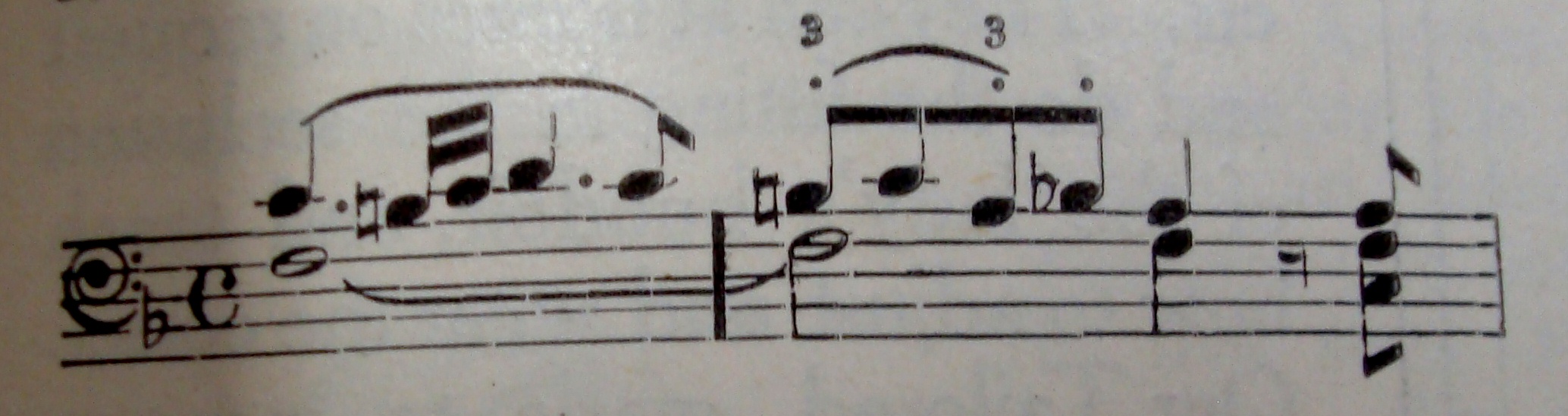
Playing the piano must have been extremely popular a hundred years ago. Back then there was even a column called “Piano Questions Answered by Josef Hofmann” in Ladies Home Journal.

Today I’m sharing two examples from his columns.

Playing Staccato and Legato Together

How can one play staccato when there are two voices, as in the notes of the second measure of the example? Naomi

Why should one finger be unable to play staccato while another finger of the same hand holds a key down? It takes a little practice, it is true, but it is by no means difficult, much less impossible.

Ladies Home Journal (March, 1912)

Blue Hydrangeas and Other Questions

18-year-old Helena Muffly wrote exactly 100 years ago today: 

Friday, July 25, 1913:  Not worth writing about.

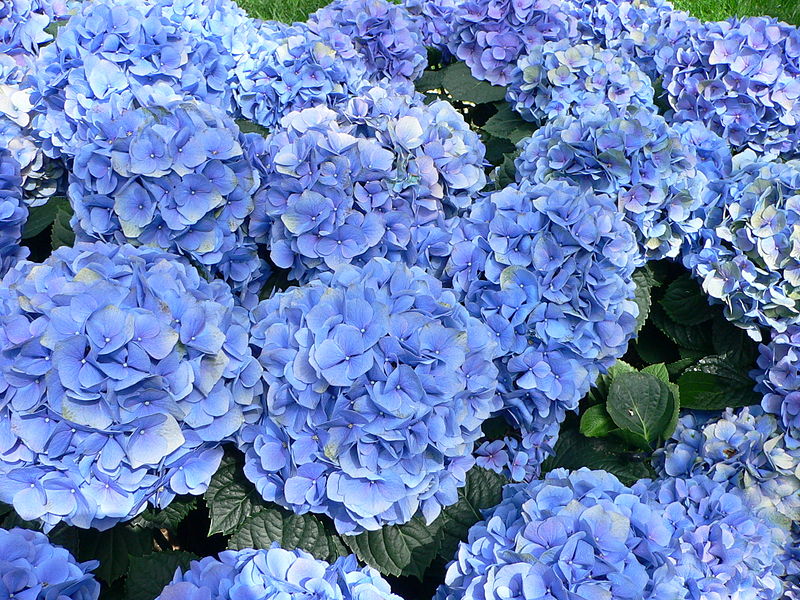
Photo Source: Wikipedia

Her middle-aged granddaughter’s comments 100 years later:

Since I knew my grandmother when she was much older than the teen in the diary, I’m constantly trying to reconcile how the young Helena in the diary evolved into the grandma I knew.

Since it was a slow day a hundred years ago today, I’m going to share a memory that I have of Grandma as an older woman—when she actually was my grandmother.

Every year when the hydrangeas bloom I think of Grandma.  I can remember playing with my cousins—and seeing Grandma  “watering” her hydrangeas with a can filled with something that wasn’t water.

I ran over and asked  what she was doing . She explained how she needed to add aluminum sulfate to the soil to make the hydrangeas blue.

I couldn’t understand how a flower could possibly change colors depending upon what was put on the soil—so I asked a zillion questions. And, I remember Grandma carefully and patiently answering each one.

In many ways this story is very typical of many of my memories of Grandma. When I was a small child Grandma always welcomed questions and treated each question with respect.

When I was a youngster, she treated me like an older person than almost anyone else I knew—but I always understood her answers and really liked that she knew that I was big enough to understand what she was saying when she explained complex things to me.

Easy Paper Fish Directions

18-year-old Helena Muffly wrote exactly 100 years ago today: 

Thursday, July 24, 1913:   This afternoon seemed so long to me because it rained for a long while.DSC07994

Her middle-aged granddaughter’s comments 100 years later:

Grandma—I know that the afternoon seemed long, but you must have done something. What did you do?

I want to imagine that you played with your 7-year-old brother Jimmie on this rainy afternoon. Did you ever make crafts with him?

I love some of the very simple—but fun– paper crafts that people made years ago. Often the crafts were very creative and used very basic techniques.

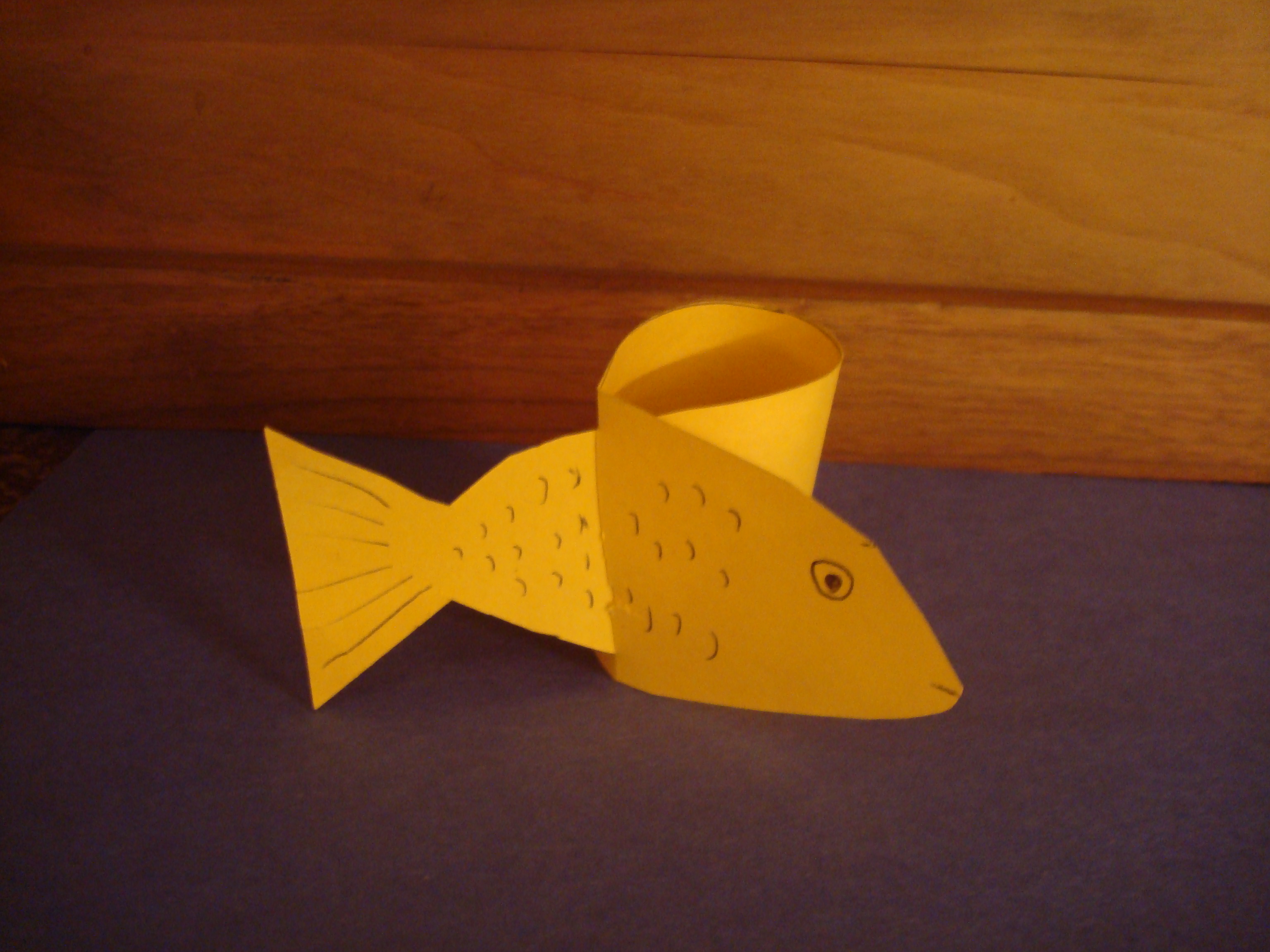
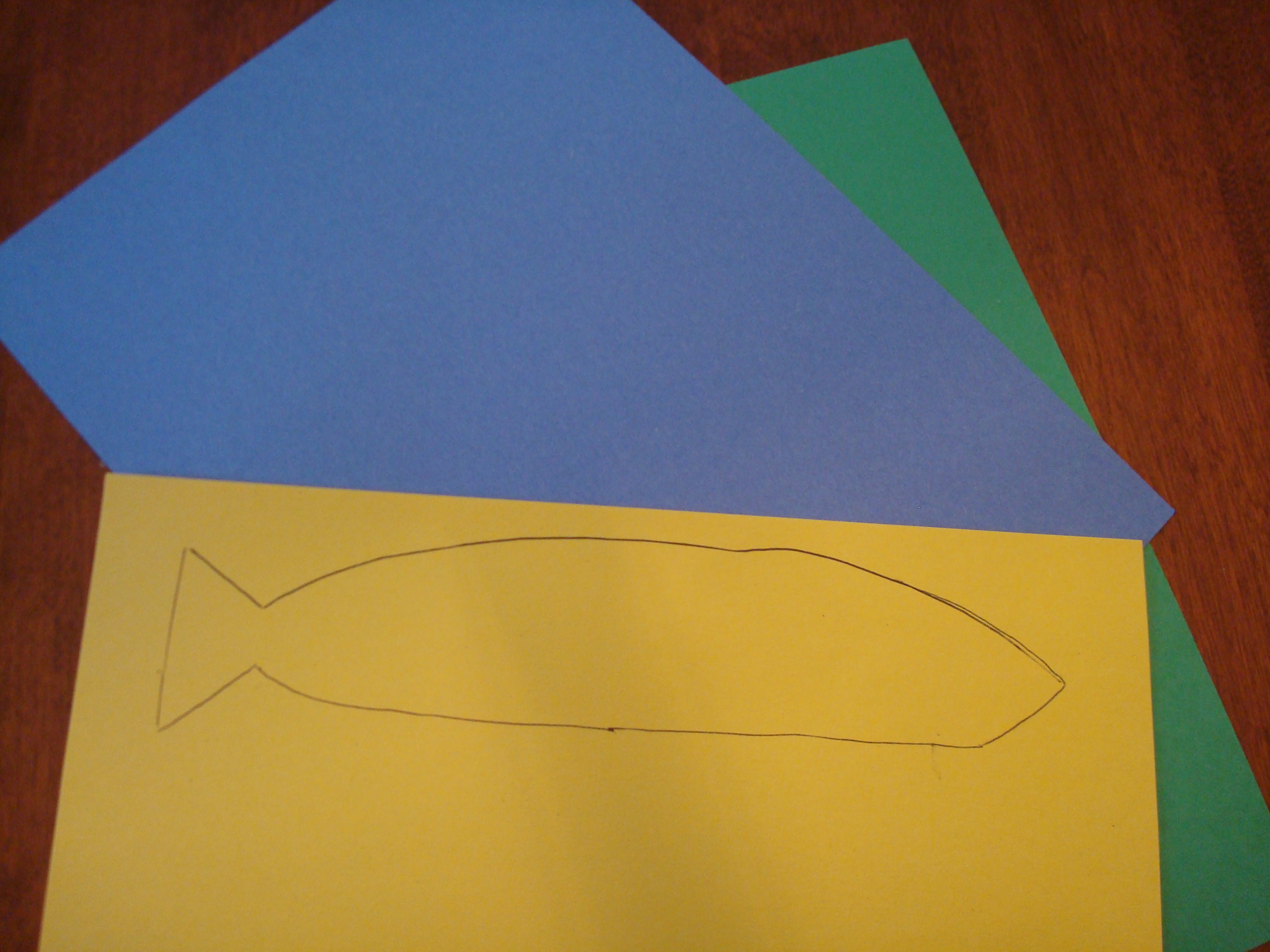
For example, here are easy directions for making a paper fish.

Draw a fish on a piece of paper. The body of the fish should be very long.

DSC07989

Cut the fish out.  About one-third of the way back from the head cut a slit in the paper.

Put the tail through the slit. (You may need to gently fold the tail to get it through the hole). Decorate as desired.

If you like this craft, here are some previous posts with other paper crafts:

Swimming Frog

Patterns for Making Paper Birds

Paper Doll Girl and Her Swimming Ducks

Paper Horse Directions

Paper Cow Directions

Did Some Sewing

18-year-old Helena Muffly wrote exactly 100 years ago today: 

Wednesday, July 24, 1913:  Did some sewing today.

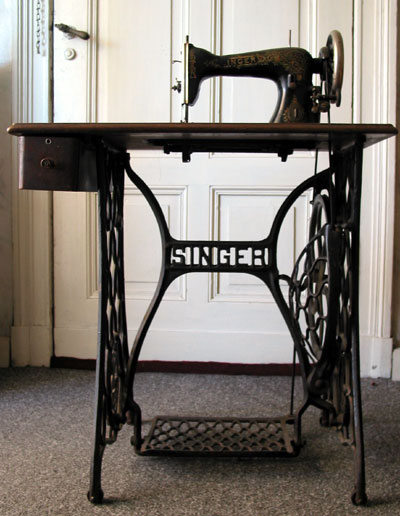
Treadle.sewing.machine

Her middle-aged granddaughter’s comments 100 years later:

Hmm. . . “Sewing”  is such a general term.  Did Grandma do it by hand or did she use a treadle sewing machine? What kind of sewing did she do?

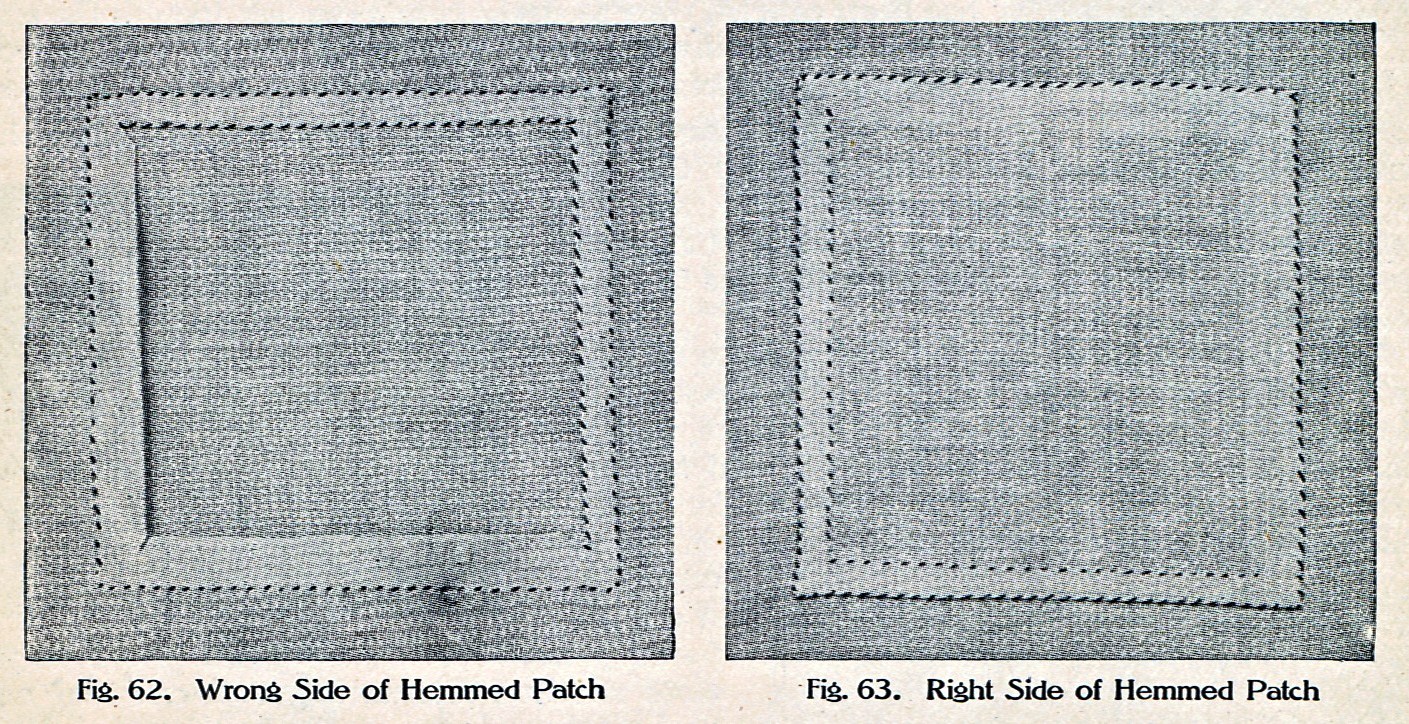
Mending? . . .  or Patching?

patch-01.crop
Source; The Dressmaker (Butterick Publishing Company, 1911)

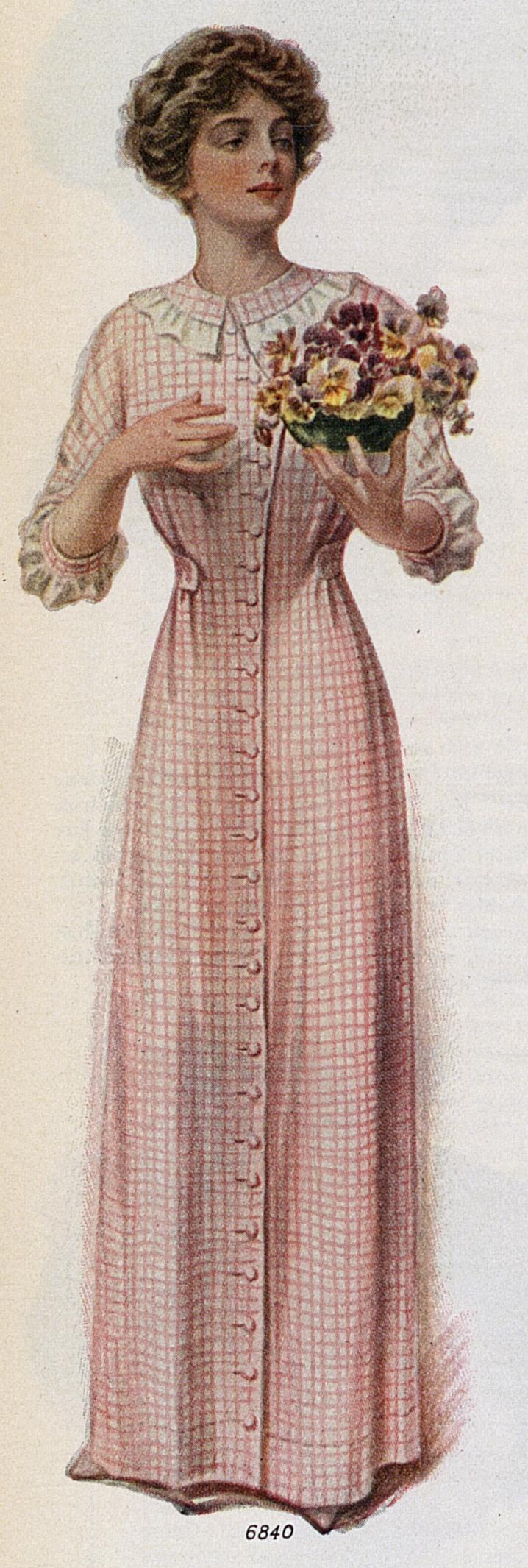
Sewing a new dress?

wils36335.crop.A.J
Source: Ladies Home Journal (June, 1912)

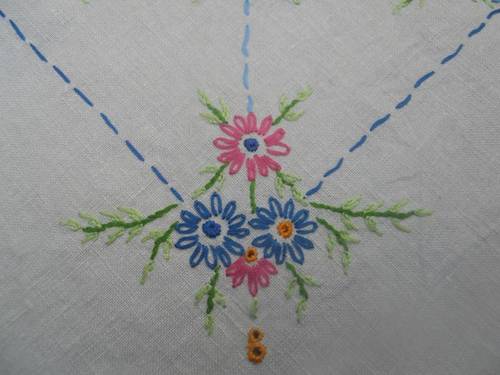
Embroidery?emboidery

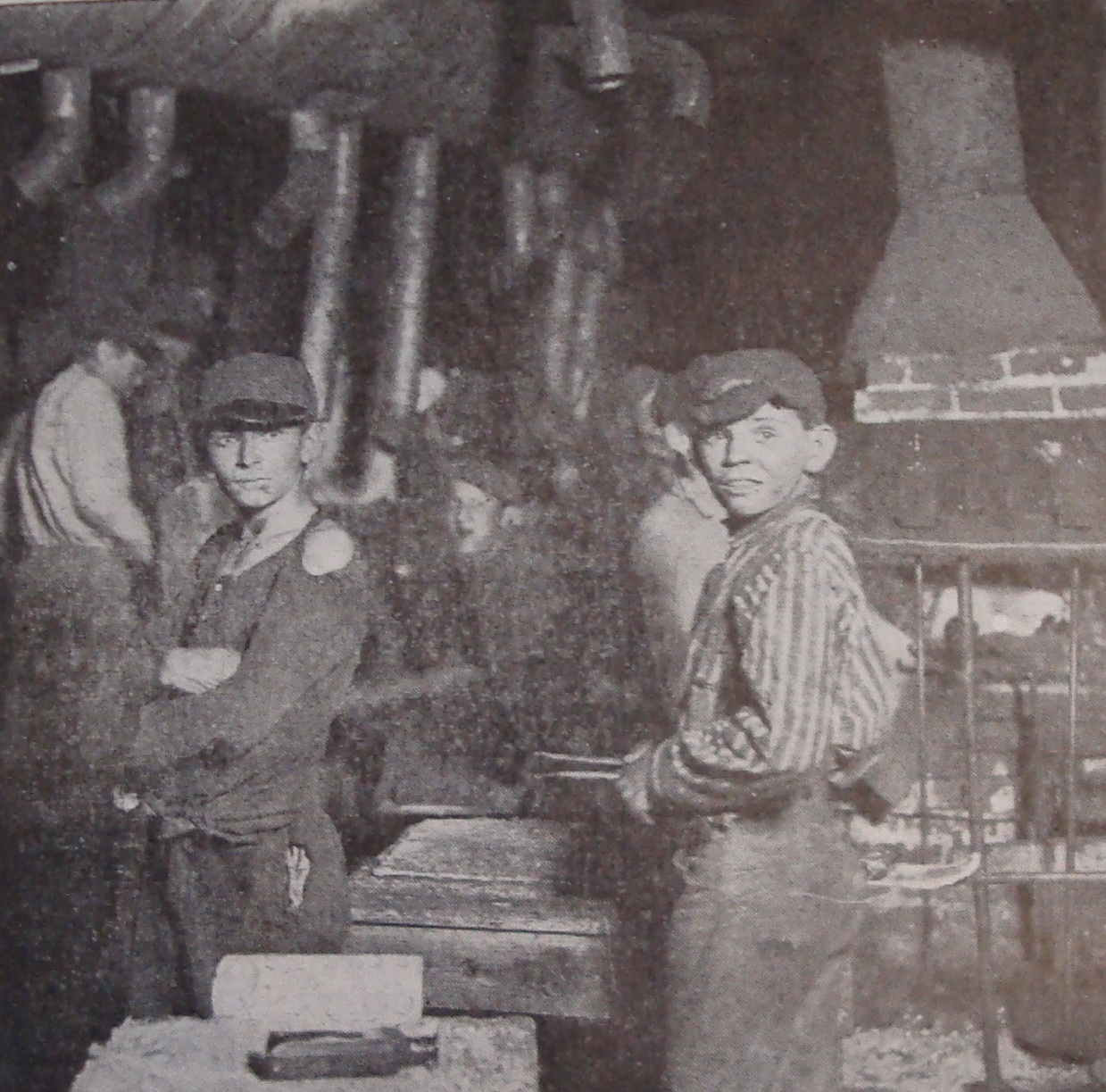
Why Do Children Toil?

18-year-old Helena Muffly wrote exactly 100 years ago today: 

Tuesday, July 22, 1913:  Nothing much going.

Source: Good Housekeeping (July, 1913)

Her middle-aged granddaughter’s comments 100 years later:

Since Grandma didn’t write much a hundred years ago today, I’m going to loop back to a couple posts that I made in early July.

A few weeks ago the diary entry indicated that Grandma’s father hired a “little boy” to help with the farm work—and a few days later the boy ran away.  At the time, I wondered how old the boy was.

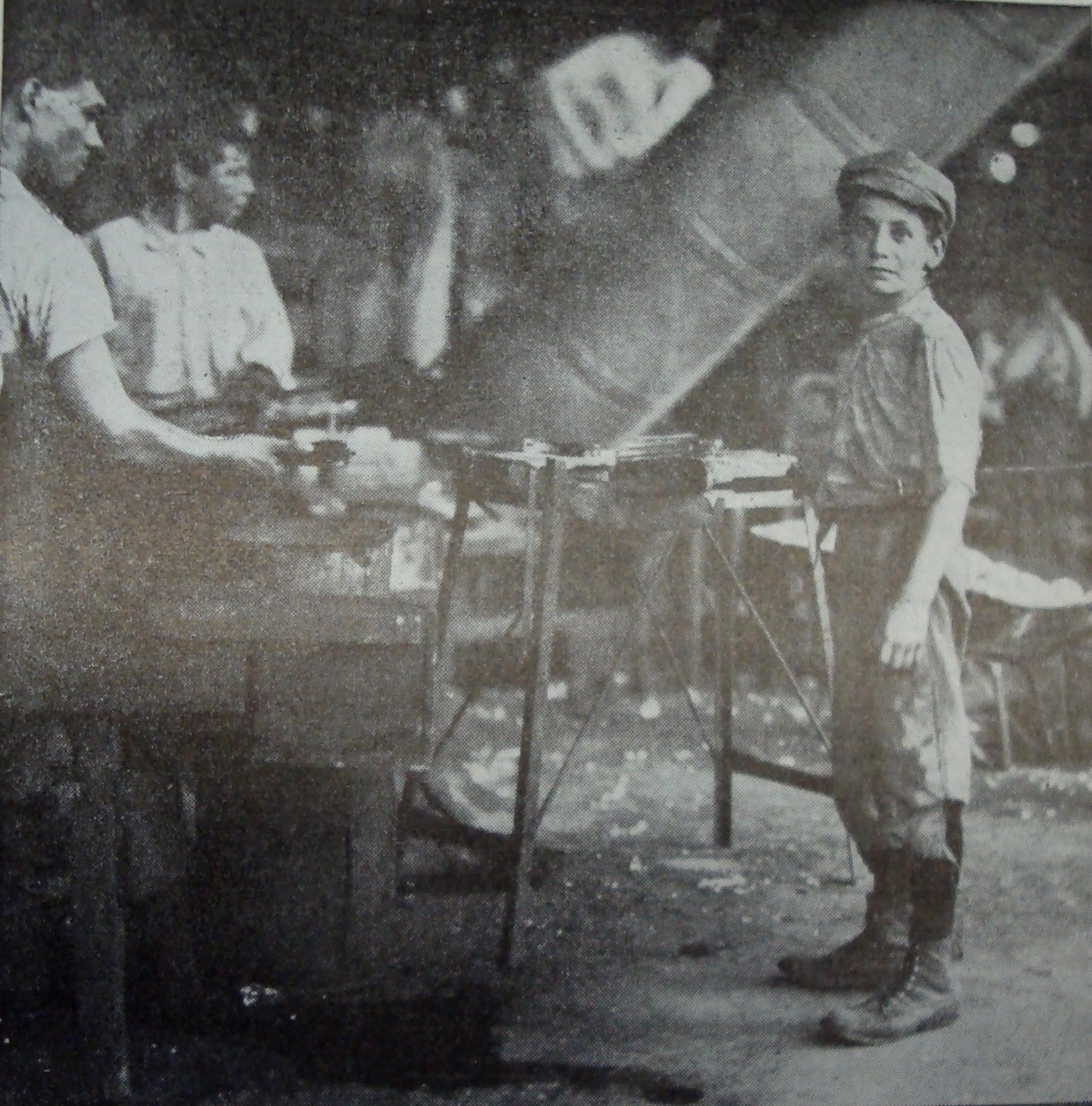
I recently was browsing through some 1913 issues of Good Housekeeping, and came across an article titled, “Why Do Children Toil?” Since a boy helping with farm work is very different from a child working in a factory, the article really isn’t very relevant to this conversation, but I still found it interesting and thought that I’d share a few quotes and pictures.

Neither beasts of the filed nor birds of the forest impose the burdens of existence upon their young. Only man lives upon his offspring. Why is it?

Involuntary poverty underlies child labor. .  .

Poverty drives many a child into the factory.

Good Housekeeping (July, 1913)

Photo caption: Midnight workers in a glass-factory. To the company, it is just a question of getting the work done at the lowest cost, and youth is ever cheaper than age. Some states have forbidden this.

Blackberries on July Menus

18-year-old Helena Muffly wrote exactly 100 years ago today: 

Monday, July 21, 1913:  Picked blackberries this morning and rather enjoyed it. My time seems very much occupied these days. I help load hay, which I really don’t mind so very much and then there is my music to keep me busy and some other things.

Source: Good Housekeeping (July, 1913)

Her middle-aged granddaughter’s comments 100 years later:

Mmm, blackberries. . .  A hundred years ago, berries and other fruits were only available for a few weeks a year when they were in season.  The July, 1913 issue of Good Housekeeping provided menus for the month.

Two of the July menus included blackberries. Note how blackberries are served for both breakfast and dinner on the Thursday menu. 1913 July menu

Even in the mid-1900s people still primarily ate seasonal foods. I can remember being so excited when I was a child when the first blackberries . . . or strawberries. . . or raspberries came into season. And, then we’d have a plethora of berries, and we’d eat them two or three times a day for the next week or two. By the end of the season, I never wanted to see another berry again—but by the time the next year rolled around I’d again be anxiously anticipating the ripening of the first berries.