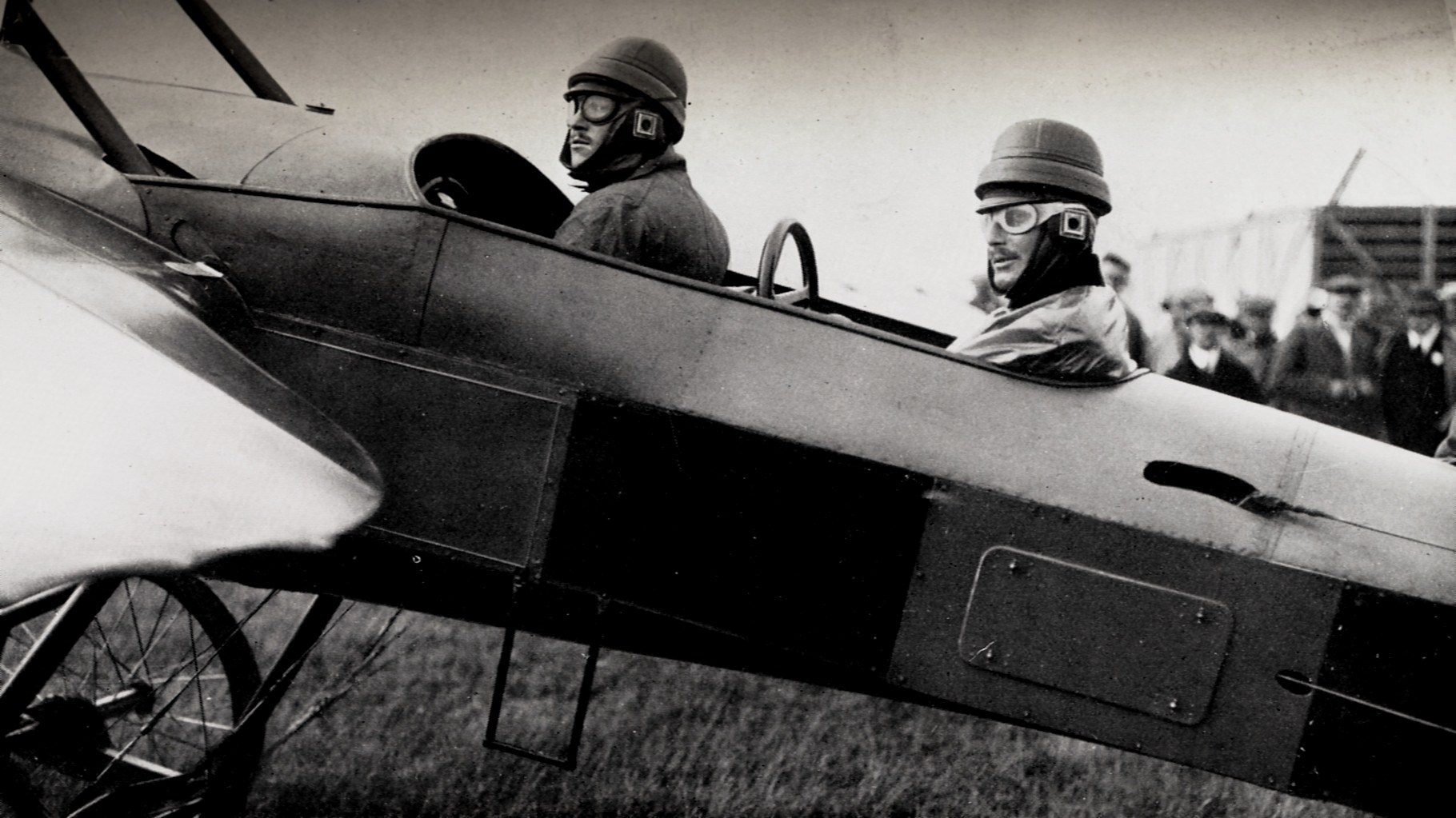
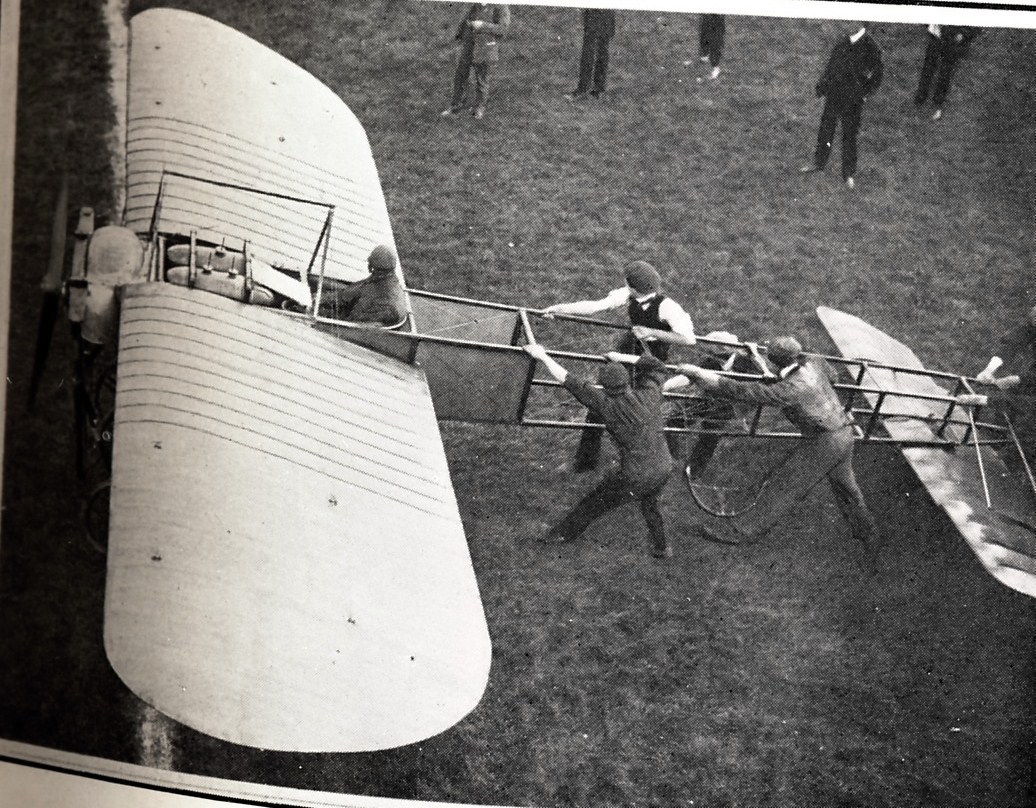
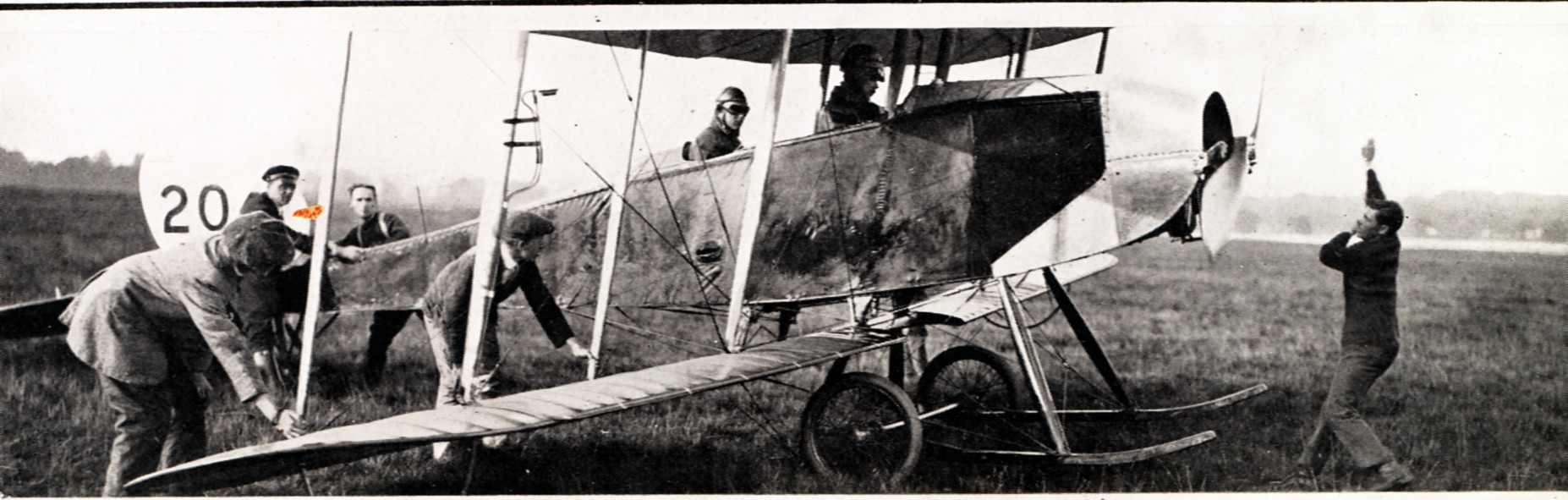
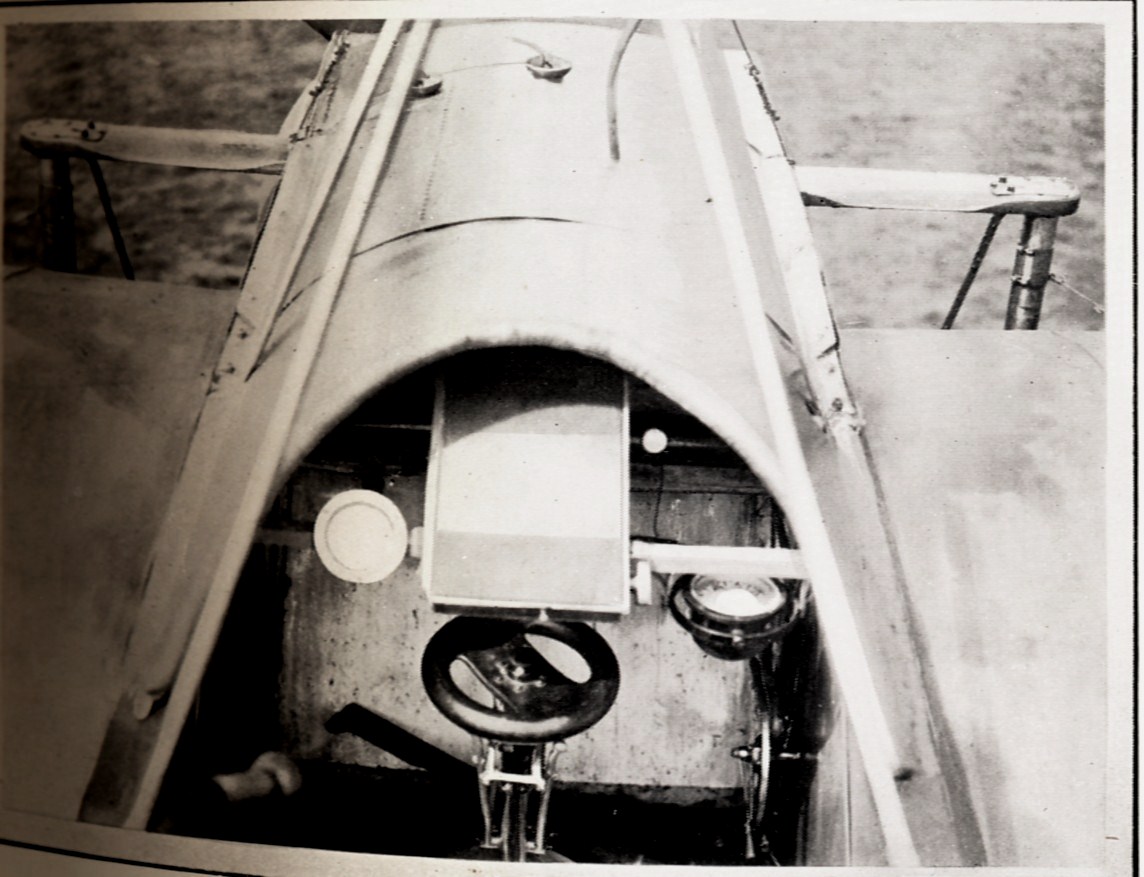
1913 Birdsell Farm Wagon Advertisement

18-year-old Helena Muffly wrote exactly 100 years ago today: 

Monday, October 6, 1913:

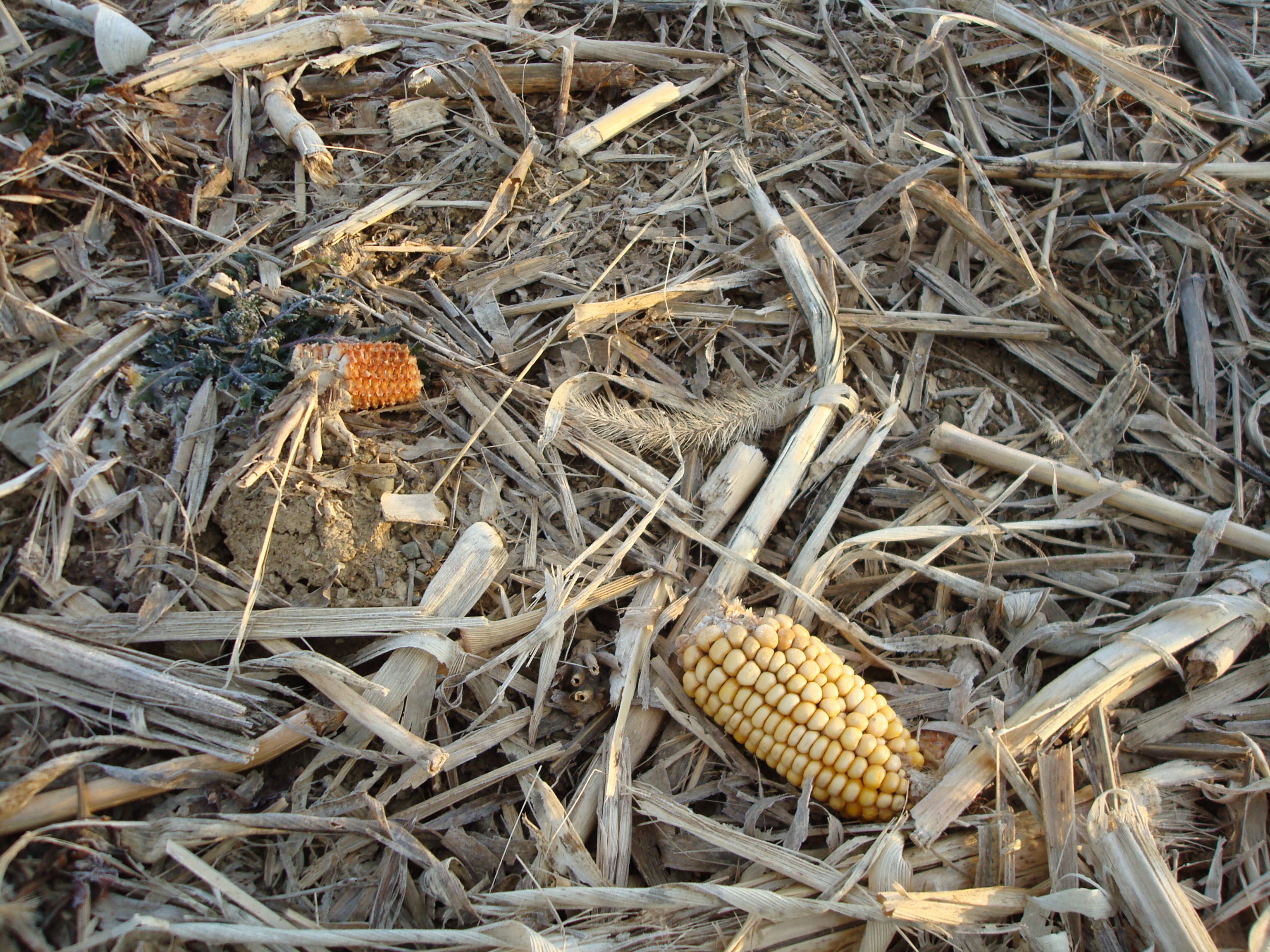
10/6 – 10/8: I’ve husked about ten loads of corn by this time. My hands are sore and roughened, but I didn’t care very much. I’m thinking of what I’m earning.

Farm Implement Magazine (November, 1913)

Her middle-aged granddaughter’s comments 100 years later:

Yeah, Grandma. I’m glad that you’re happy about how much money you’re earning. Ten loads sounds like a lot.

—-

I asked my resident expert (aka, my husband) how many bushels of corn the wagon in the picture would hold. He estimated that if it was 10 ft. long by 3 ft. high by 4 ft. wide that it would hold about 100 bushels of corn.  So if Grandma husked about 10 loads of corn, she husked about 1,000 bushels.

Grandma probably actually wrote this entry on the evening of October 8, 1913. She started husking corn on September 25 (14 days prior to this entry). She did not work on either Sunday, and I think that she didn’t husk corn on the day that her father went to the fair—so I believe that it took her 11 days to husk 1,000 bushels. In other words, Grandma husked about 90 bushels  a day.

,

Old Luden’s Cough Drop Advertisement

18-year-old Helena Muffly wrote exactly 100 years ago today: 

Sunday, October 5, 1913:  Went to Sunday School this afternoon. Am now the possessor of a troublesome cold.

Source: The Etude (March, 1914)

Her middle-aged granddaughter’s comments 100 years later:

Grandma, get well soon!  Colds aren’t any fun. All the corn husking that you’ve been doing on cold, damp days probably made you more susceptible to the germs.

Do you have a sore throat? Cough drops might help.

Old Halloween Costumes

18-year-old Helena Muffly wrote exactly 100 years ago today:

Saturday, October 4, 1913:  Still working for wages.

DSC06562.cropResplendent in a flowing costume of gauzy marquisette studded with stars is the “Queen of the Night.” The dress is the empire design, with a tulle ruffle at the low neck and a drapery of transparent material falling from the shoulders in the back. Paper stars may be bought in various sizes.

Ladies Home Journal (July, 1912)

Her middle-aged granddaughter’s comments 100 years later:

Grandma was still helping with the corn harvest. As she worked,maybe she dreamed of making an awesome Halloween costume.

Here are some costumes that appeared in the July, 1912 issues of Ladies Home Journal. (The pictures showed patterns that the magazine sold—and they apparently wanted to give people plenty of time to sew the costumes.)

pink.witch.costume.1912Divested of the traditional black garments of the traditional witch, the rosy-hued costume envelopes the make-believe witch in a gown that has the power to charm that may prove irresistible. Black cats cut from black crepe paper are used to ornament a simple shirtwaist dress and a peaked cap with strips of paper or ribbon on the dress.

cowgirl.costume.1912A dashing broncho girl is picturesquely costumed and armed with a deadly weapon and cartridge belt, and holding a lariat with which to bring into submission all potential victims.


DSC06563.crop.2The brilliant colorings suggestive of the aboriginal American’s war dress are strikingly developed in the Indian girl costume. The dress is a one-piece princess design and may be made of russet-brown satin, the conventional trim being either hand-painted or developed with white and colored muslin patches.

Whew, some of these costumes (and the descriptions of them) won’t be considered appropriate today. But  some things never change–it’s interesting how the description of almost every costume indicates that the woman wearing it will be attractive or charming.

Note: I included two of these pictures in my October 31, 2012 post—but they are so good I just had to share them again this year.

.

Love Sonnets of a Shop Girl (Sonnet XIII)

18-year-old Helena Muffly wrote exactly 100 years ago today: 

Friday, October 3, 1913: Working for wages.

Her middle-aged granddaughter’s comments 100 years later:

Grandma worked long days on her father’s farm husking corn.  Did she ever wish that she had a job in town—maybe as a clerk in a store?

Postcard showing Marsh Shoe Store, Milton a hundred years ago (postally used December 1910).
Postcard showing Marsh Shoe Store in the nearby town of Milton a hundred years ago (postally used December 1910).

It wasn’t all fun and glamor working in a store. Here’s what one of the sonnets published in 1913 in  Love Sonnets of Shop Girl had to say:

Sonnet XIII

That floor-walker’s getting’ too breezy;

He hangs around me all the time.

I’ve wanted to let him down easy,

But he doesn’t get wise—he’s a lime.

I don’t like the way that he treats me –

You’d think that he owned me, the slob!

You’d think, by the way that he meets me,

I owed him my life—and my job!

.

He’s got to quit callin’ me “Baby”

And “Sister” and “Honey” and “Pet.”

I’ve quarreled with Terence; but maybe

He wouldn’t be tickled to get

A chance at this floor-walker Willie,

Who tried to get merry with muh!

Oh, wouldn’t he wallop him silly!

And then for the ambulance—huh?

.

But I won’t tell Terence; I merely

Will speak to this floor-walker gink,

And tell him, quite plainly and clearly,

Exactly the things that I think.

I don’t want to act at all shady,

But if he get uppish—the yap!—

I’ll lift up my hand like a lady

And bounce him a biff on the map.

Love Sonnets of a Shop Girl by Berton Braley was published in a 1913 book called Sonnets of a Suffragette.  The entire book is available on the Internet Archive.

.

A Day to Relax and Develop Film

18-year-old Helena Muffly wrote exactly 100 years ago today: 

Thursday, October 2, 1913: Ma and I staid at home today, while the rest of the family attended the Fair. To while away the time I got at my pictures and was quite satisfied with the result.

Source: Ladies Home Journal (May, 1913)
A woman developing film (photo source: Ladies Home Journal: May, 1913)

Her middle-aged granddaughter’s comments 100 years later:

Grandma–

Yeah! You got a free day when you could relax and enjoy your hobbies.

When I first read this diary entry, I felt sad that you didn’t get to go to the Milton Fair—but when I reread it I decided that you didn’t care.

You’ve worked so hard helping with the corn harvest—and I bet it feels really good that when your dad took a day off to go to the fair, you also got the day off.

You enjoy photography so much, and I can just picture you developing a roll of film and getting some awesome pictures.

.

Fairs A Hundred Years Ago

 18-year-old Helena Muffly wrote exactly 100 years ago today: 

Wednesday, October 1, 1913:

October comes with the colder days.

Dresses the trees in gayest attire.

Garners the harvest in fields far and near

Into great heaps that all may admire.

This is Fair Week but not so the weather. Not going this year, so I won’t take it as hard as some.

Milton.Fairground_ferris_wheel_Milton Fairgrounds (This picture may have been taken a few years after Grandma wrote this diary entry). Photo source: Milton History. org.  Used with permission.

Her middle-aged granddaughter’s comments 100 years later:

Grandma –

Why aren’t you going to the Milton Fair? You had so much fun last year and even saw an airplane:

Saw a flying machine whirling aloft in the air for at least 10 minutes. I think twas quite a sight to see.

October 3, 1912

There are so many reasons people attend fairs. Here’s what the October, 1913 issue of Farm Journal said about the purpose of fairs:

The word fair, as now used in America, has lost much of its Old world meaning. In this country the fair, whether we call it a world’s fair or a state fair, a county fair or district fair, is an industrial exhibition. And this is as it should be.

It places the fair on a strictly business basis; it makes of it a practical, helpful thing. Conducted on an industrial, practical line, the fair is designed to help both the farmer and the city resident. It is the common meeting ground of all classes. At the fair the man who produces and the man who buys, the grower and the manufacturer, get together. They learn what each is capable of doing, and ascertain each other’s need.

It is remarkable how much benefit we can get out of the fair when we attend filled with a desire to learn—to gain something worthwhile.

The farmer who is seen “taking notes” at a fair—jotting down the name of this big apple, the weight of that monster pumpkin; who writes down all the information he can get about caring for hogs, poultry raising, feeding; who investigates the new kinds of machinery, and secures all available figures about up-to-date methods—that farmer will make his trip to the fair a valuable thing. He can do this and still have plenty of time to accompany his family to the side show, to take a whirl on the merry-go-round, or throw a ball at the doll babies.

Monthly Poem

For information about the monthly poems sees this previous post:

Monthly Poem in Diary

.

What a Difference a Year Makes

18-year-old Helena Muffly wrote exactly 100 years ago today: 

Tuesday, September 30, 1913:  These days have come and gone. They ground me working on my job.

DSC04610

Her middle-aged granddaughter’s comments 100 years later:

Grandma–

You work so hard on the farm—husking corn, digging potatoes, rolling fields in preparation for planting wheat—the list could go on and on.

I know that your life working on the family farm is fairly typical of the lives of many young unmarried women a hundred years ago. . . so I assume that your life just feels normal to you.

But . . .sometimes I wonder if your current jobs and tasks are fully utilizing your knowledge and skills.

Exactly one year before you wrote this entry, you were a high school senior  and wrote:

Our class had a meeting this evening after school. I had the misfortune to be elected secretary. But better, or rather it suits me better to have been that, than president or treasurer would have suited me.

September 30, 1912

You always write in such a matter of fact way.  I hope you feel good about what you are doing—and that you think that your work suits you well.

.