Old-fashioned Fried Potatoes

16-year-old Helena Muffly wrote exactly 100 years ago today: 

Tuesday, January 16, 1912:  There is nothing much to write about for today. Things go on as usual.

Her middle-aged granddaughter’s comments 100 years later:

Since Grandma wrote little a hundred years ago today, I’m going to give you the recipe for an old winter staple–fried potatoes. Potatoes and other locally-grown vegetables that could be stored for many months were an important part of the winter diet.

Old-fashioned Fried Potatoes

1/4 cup lard

approximately 6 medium potatoes, peeled and sliced

salt

Melt lard in large heavy skillet (preferably cast iron) using medium heat.  When the lard  is hot add the sliced potatoes.  Generously sprinkle with salt. Turn potatoes with a spatula and again sprinkle with salt. Continue cooking (and occasionally turning) until potatoes are tender, with a crisped, lightly browned coating.

Old-fashioned fried potatoes cooked in a cast iron skillet are one of my favorite foods. They brown beautifully and are very crisp. And, the lard really enhances the subtle flavor of the potatoes.

Hundred-Year-Old Recipe for Caramel Corn (Sugared Popcorn)

16-year-old Helena Muffly wrote exactly 100 years ago today: 

Sunday, January 7, 1912: Walked to Sunday School this morning though the new fallen snow. I wore my old hat because I didn’t want to get snow on my new one. Miss Carrie was over this afternoon, and we had popcorn by the way of refreshments. By so doing I broke the third commandment for I was the one who did the popping.

Caramel Corn (Sugared Popcorn)

Her middle-aged granddaughter’s comments 100 years later:

Miss Carrie was Grandmas’ friend Carrie Stout. She lived on a nearby farm. I believe that the third commandment refers to “Remember the Sabbath day to keep it holy.” Today that is generally the fourth commandment, but I believe that some denominations number the commandments differently.

The popcorn that Grandma popped was raised on the Muffly farm. In May 1911 she wrote about planting popcorn. In the fall it would have been harvested and hung to dry. When the corn had just the right amount of moisture for popping, the family would have shelled it and stored it in a glass jar until they were ready to pop it.

Grandma probably popped the corn in a cast iron skillet. I bet that she sometimes “dressed it up” and made Caramel Corn.

Here’s a great hundred-year-old recipe for Caramel Corn  that was in the 1912 Boston Cooking School Cook Book by Fannie Farmer. (It is called Sugared Popcorn in the book.)

Sugared Popcorn (Caramel Corn)

2 quarts popped corn

2 tablespoons butter

2 cups brown sugar

1/2 cup water

Put butter in saucepan, and when melted add sugar and water. Bring to boiling point, and let boil for sixteen minutes. Pour over corn, and stir until every kernel is well coated with sugar.

I salted the popped corn before mixing with the syrup. This recipe is a keeper. The Caramel Corn turned out perfectly.

Old-Time Black Walnut Cake Recipe

16-year-old Helena Muffly wrote exactly 100 years ago today: 

Wednesday, December 20, 1911: Pa went to Sunbury this morning and I had all the barn work to do at noon and this evening, but I managed to get through with it at last. Picked out some walnuts for Xmas candy and then Mater had to go and swipe some to stick in some cakes for Jimmie. Maybe they’ll all be gone where they’re wanted.

Her middle-aged granddaughter’s comments 100 years later:

This year my husband and I have enjoyed eating foods mentioned in the diary that we hadn’t eaten in years.

We picked the last of the black walnuts that we gathered last fall out of their shells last week-end.  It’s the first year that we’ve gathered them since we were children.  Next year we’ll need to collect more.

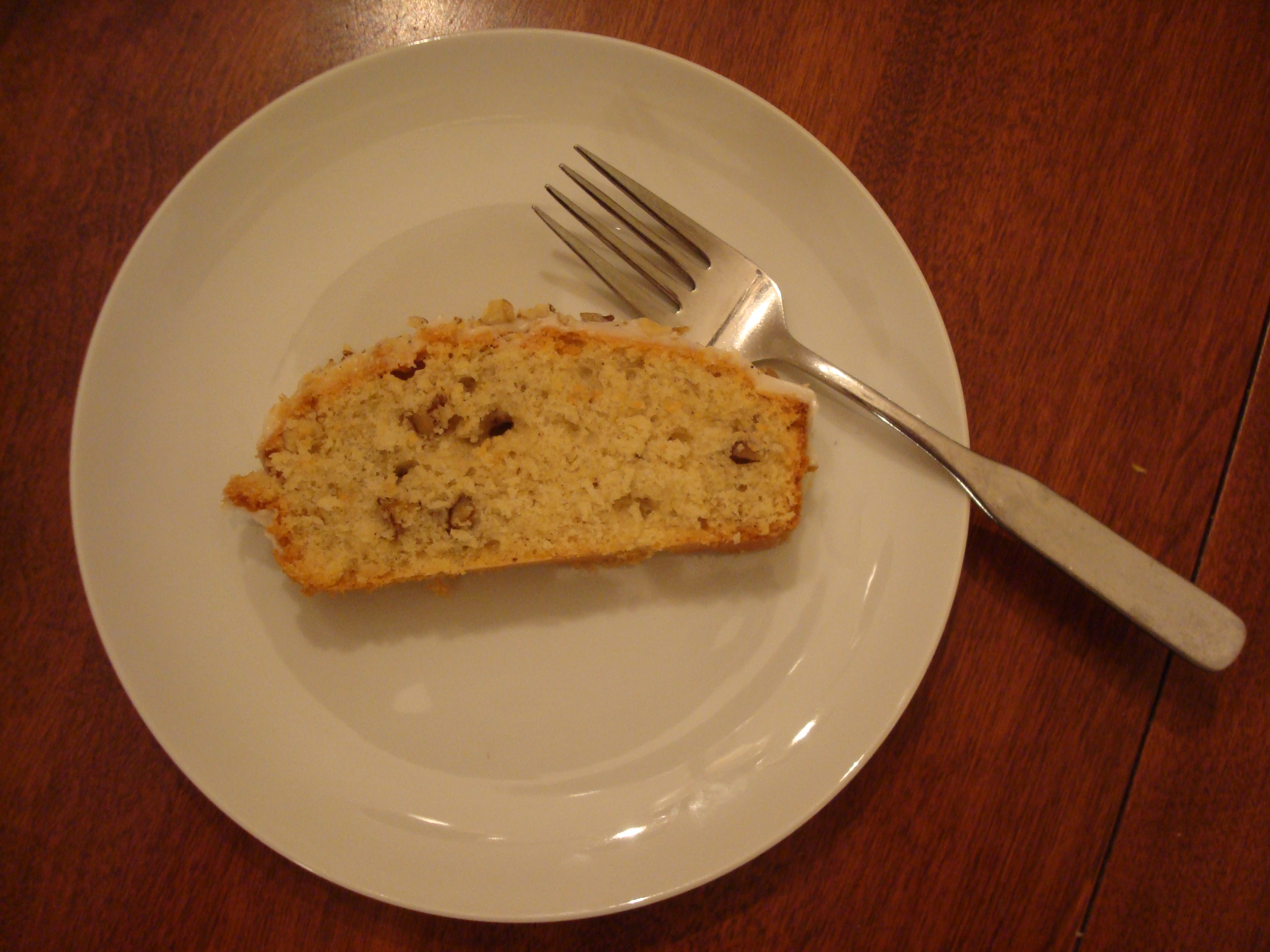
I used the nuts to make a black walnut cake. The cake brought back warm memories of my childhood when I ate black walnut cake at reunions and church dinners.  At those gatherings, elderly woman proudly brought black walnut (and hickory nut) cakes that they’d lovingly made using nuts that they’d gathered, hulled, cracked, and picked the nut meats out of.

Black Walnut Cake

1/2 cup butter

1 cup powdered sugar

1/2 cup water

2 egg yolks

1/4 teaspoon cinnamon

1 1/2 cups flour

1 teaspoon baking powder

3/4 cup black walnuts (chopped)

2 egg whites, stiffly beaten

Butter icing (optional)

Additional finely chopped black walnuts (optional)

Cream the butter with powdered sugar and cold water. Add egg yolks, cinnamon, flour, and baking powder; beat until combined.  Stir in the walnuts.  Gently fold in the beaten egg whites. Put batter into a well-greased loaf pan and bake in a moderate oven (350 degrees) for approximately 40-45 minutes, or until wooden pick inserted in the center comes out clean.

If desired, glaze with butter icing; sprinkle with additional finely chopped walnuts.

Old-Fashioned Butterscotch Recipe

16-year-old Helena Muffly wrote exactly 100 years ago today: 

Wednesday, December 13, 1911: Must keep at my lessons in the evening or else get growling at school Got my report today. It isn’t so very great. Ruthie treated us to candy this evening. She is going to treat her kids and had to treat us also while she was getting it divided up.

Her middle-aged granddaughter’s comments 100 years later:

Grandma’s sister Ruth as a teacher at a one-room school house near McEwensville, and she must have been going to give her students candy as a Christmas gift. (The holiday break was longer back then—and students didn’t have school for the last two weeks of December).

Two days ago the diary entry said that Ruth made candy. I wonder how many types of candy she made–and then divided amongst her students (and family members).

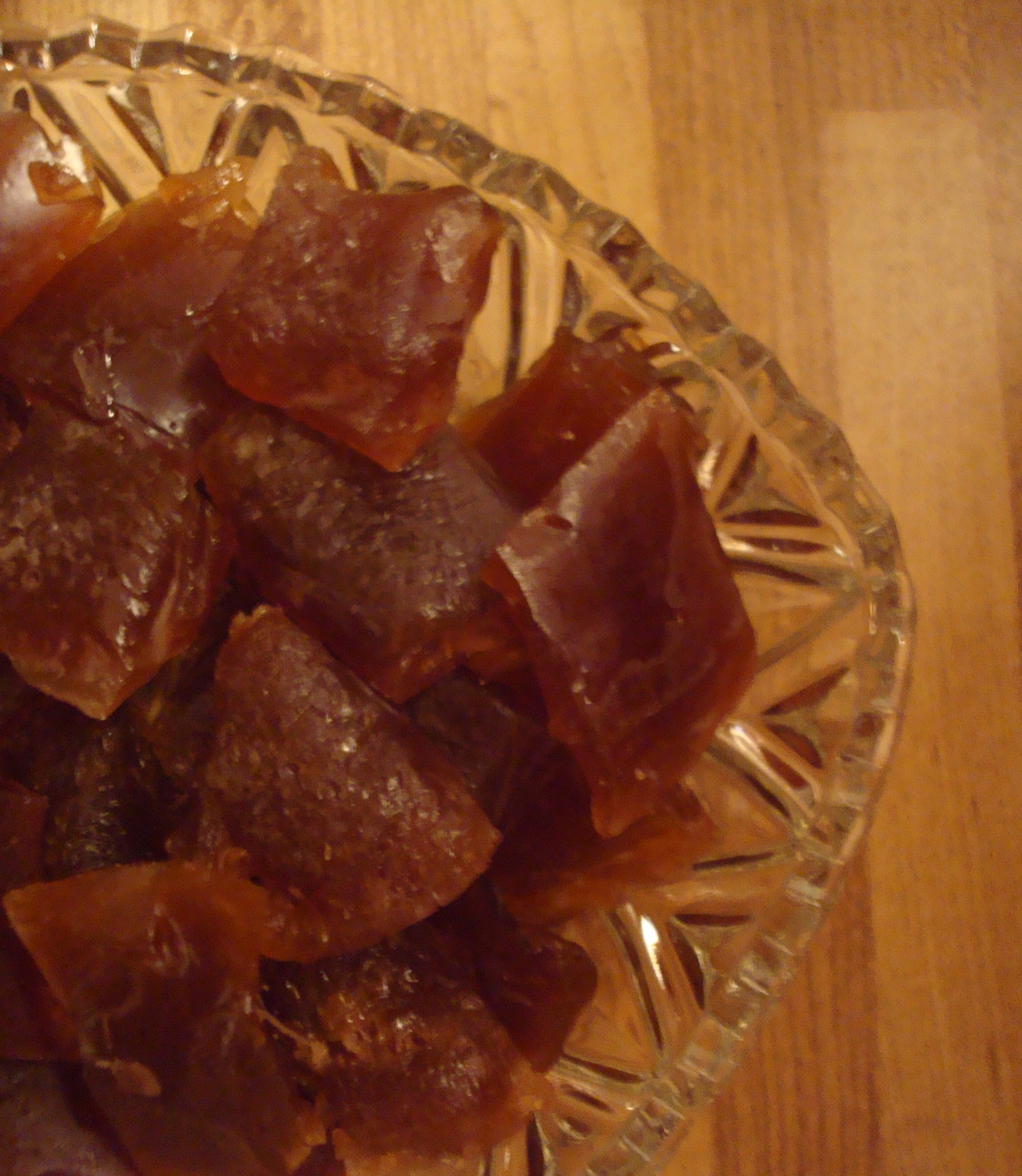
Maybe she made old-fashioned Butterscotch. It isn’t anything like the artificially colored orange butterscotch disks that they make today—rather it is similar to Werthers Original Candy.

Butterscotch

1 cup brown sugar

1/2 cup water

1 teaspoon vinegar

2 tablespoons butter

Stir to combine all ingredients in a pan and bring to a boil using a medium heat.  Once the sugar has melted, quit stirring.  Reduce heat to a level where the mixture steadily boils. Boil until it becomes brittle when a little is dropped in cold water. Pour into a buttered dish (I used a 7” X 7” dish). When the candy is partially cooled (semi-solid) score with a knife. After the candy is completely cooled remove from dish and break into pieces.

Hundred-Year-Old Recipe for Coconut Hot Chocolate

16-year-old Helena Muffly wrote exactly 100 years ago today: 

Sunday, December 10, 1911: Went to Sunday School this morning. Ruth as usual was on the go again today. She and Rachel had to go off to visit Miss Bryson. Went over to Carrie’s this afternoon. Had to walk through the mud and a sticky kind it proved to be. To do Ruthie’s share of the milking was my fate tonight. You see I must treat her accordingly, as Christmas is approaching.

Her middle-aged granddaughter’s comments 100 years later:

Yuck—it’s not fun having to do a sibling’s share of the milking.

Here are the complete names of the friends that the Muffly girls visited: Rachel Oakes, Blanche Bryson, and Carrie Stout.

I wonder if Blanche or Carrie might have made hot drinks to serve their friends. (Plus I’m still enjoying trying 100-year-old recipes for hot drinks that appeared in an article called “Hot Drinks for the Holiday Season” that was in the December, 1911 issue of Good Housekeeping), so I’m going to give you another recipe today.)

I few days ago I made Mulled Fig Juice (Ginger Cordial). Here’s the recipe for Coconut Hot Chocolate:

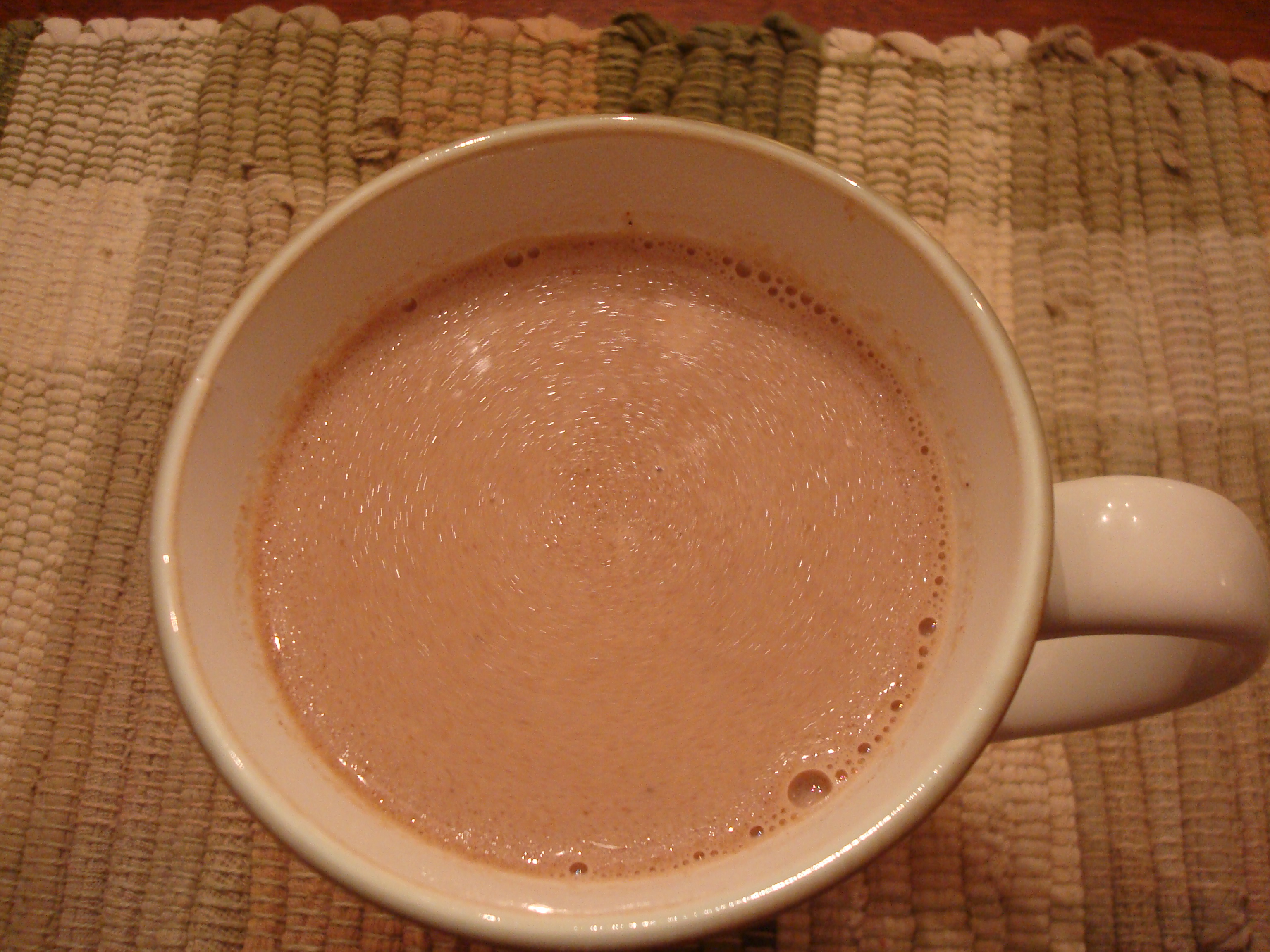
Coconut Milk Chocolate [Coconut Hot Chocolate]

Heat a quart of milk in the double boiler, and when very hot stir in four heaping tablespoons of grated, unsweetened chocolate, moistened with a little cold water; allow it to boil and thicken; have ready nearly a pint of coconut milk into which has been stirred half a cupful of sugar and the whites of two eggs; add this to the chocolate and cook for a few moments but do not allow it to boil. Remove from the fire and serve in cups, adding after it is poured into the cups a tablespoonful of sweetened whipped cream, which has been mixed with a little grated coconut.

Coconut Hot Chocolate is delicious—though extremely sweet.

Recipe Notes

I didn’t use a double boiler. Instead I used medium heat and stirred the milk constantly.

I poured the hot chocolate through a strainer before serving because I had problems with some of the egg white coagulating when I heated it. Maybe I didn’t stir rapidly enough when I added the coconut mixture to the hot milk.  If I made the recipe again—I might just skip the egg white.

I skipped the whipped cream topping—but it sounds like it would be good.

Old-fashioned Sugar Taffy Recipe

16-year-old Helena Muffly wrote exactly 100 years ago today: 

Saturday, December 9, 1911:  Was exceedingly busy this forenoon. Rufus went to Milton this morning so you see I had all the odd jobs to put in something like order but how long it will stay that way can soon be estimated. Ruthie treated us to candy this evening.
Her middle-aged granddaughter’s comments 100 years later:

I wonder what kind of candy Grandma’s sister Ruth made. Taffy is a popular old-time candy.

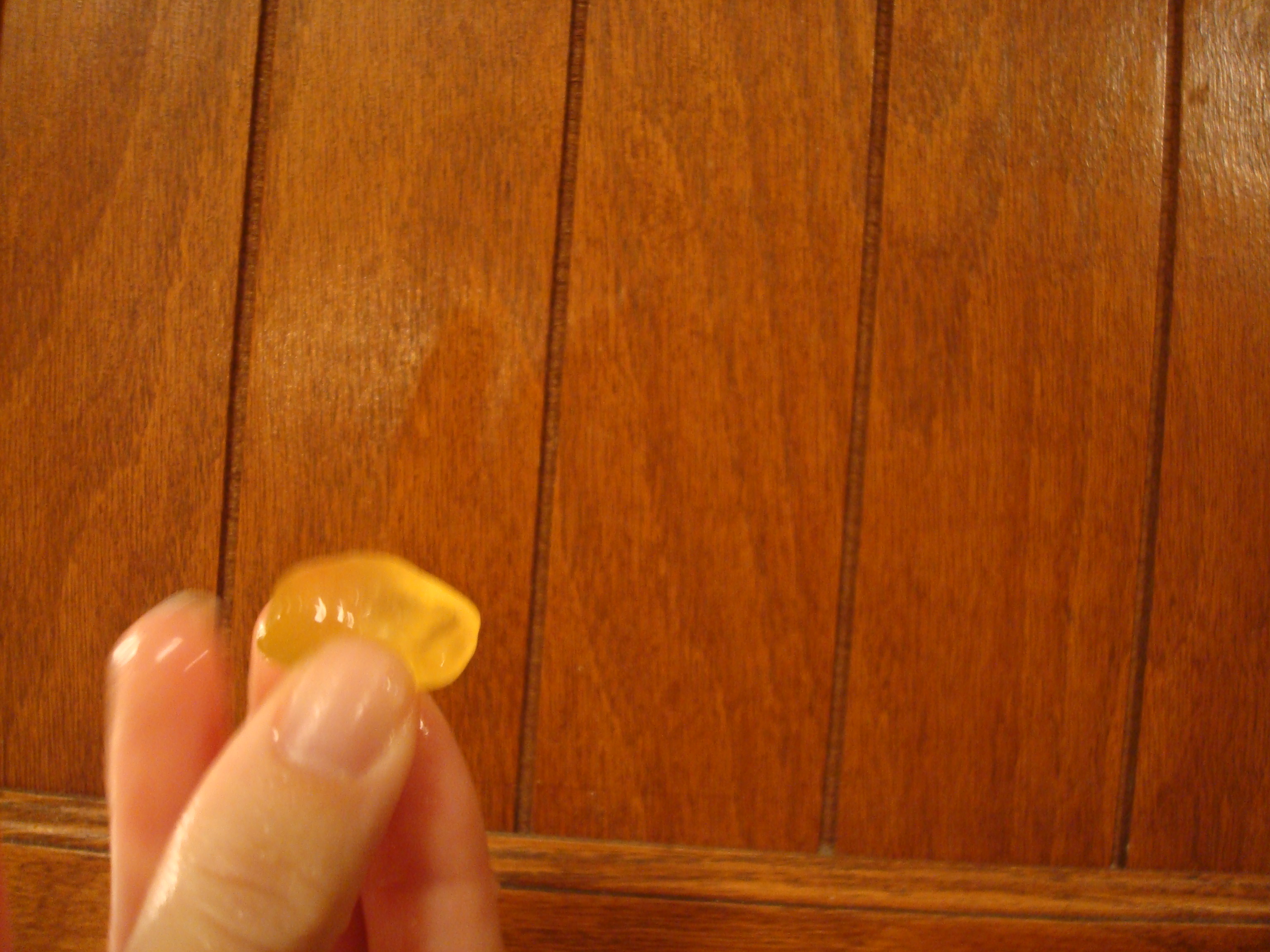
My daughter and I recently made some taffy using an old Pennsylvania recipe from the early 20th century.

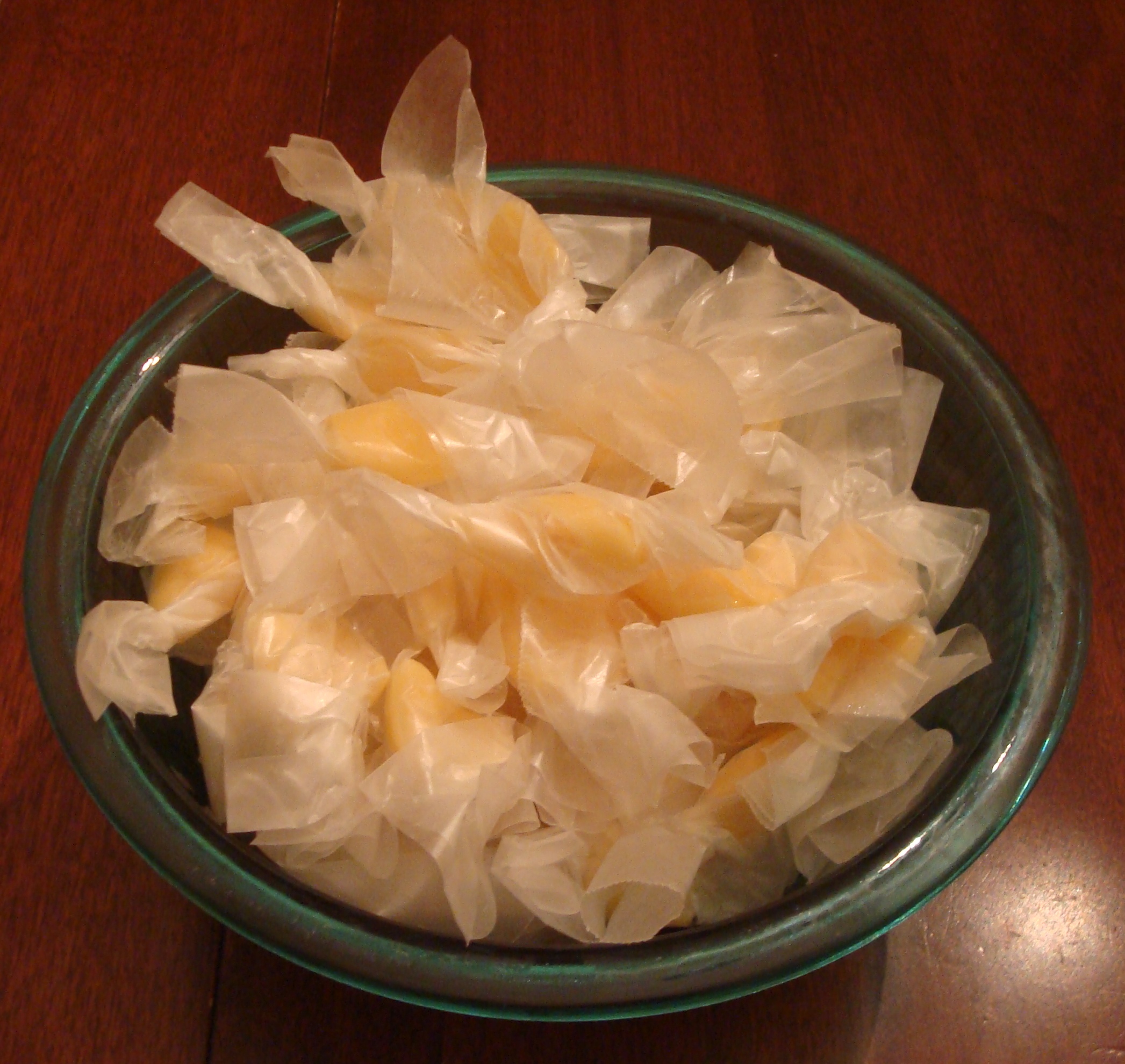
This is an excellent taffy recipe—and I really like that it doesn’t use corn syrup.  The taffy was wonderfully creamy and smooth, and it has a nice flavor.  It was almost too good–our family ate the entire bowl of candy in one week-end. (I’m trying very hard not to think about the calories.)

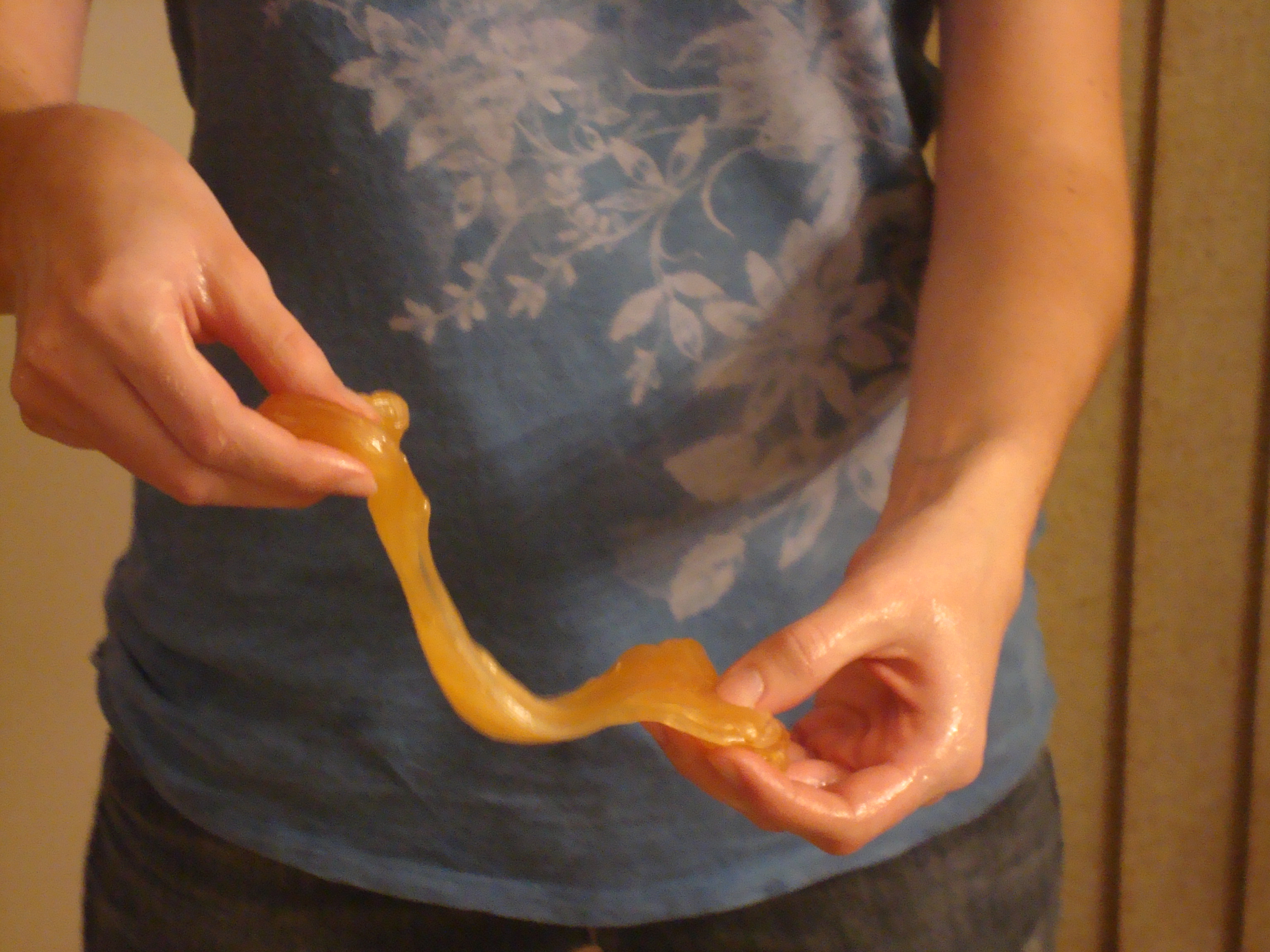
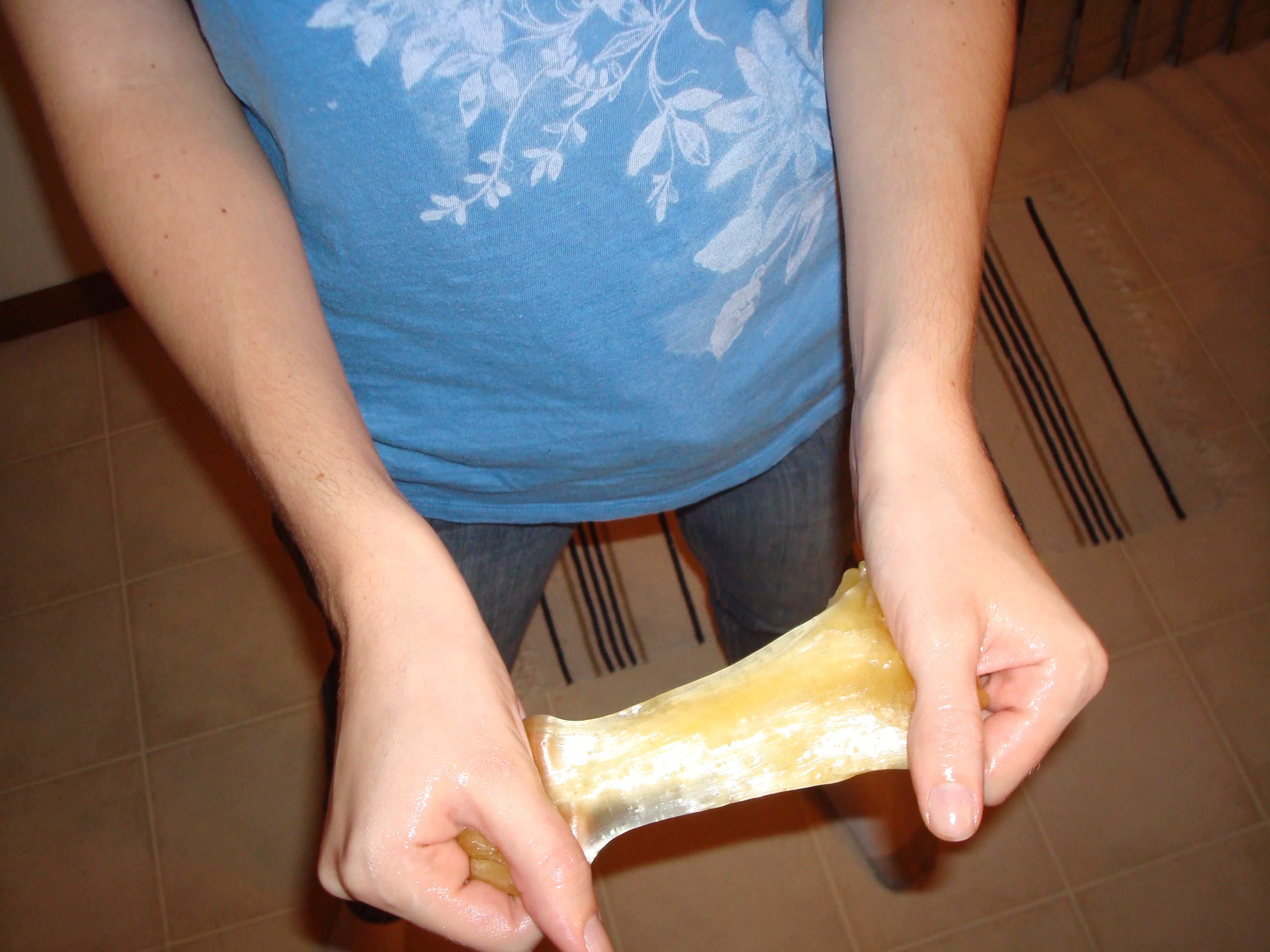
Making taffy is a fun family activity. I bet the old-time taffy pulls at parties were a blast.

But be sure to leave enough time. It probably took us close to two hours from start to finish. Don’t try to rush the process—or you may burn it or end up with taffy that doesn’t have the right consistency.

Sugar Taffy

One pound [2 cups] white sugar, one cup water, on-half teaspoonful cream of tartar, one-half teaspoonful vanilla, butter size of a hickory nut. Boil until hard in water. When cool, pull.

Lycoming Valley Cook Book, Ladies of Trout Run M.E. Church  (1907)—1992 reprint of book

We combined all of the ingredients except the vanilla; and, assumed that butter the size of a hickory nut was about 1 tablespoon of butter.

We cooked over low heat, stirring until mixture began to boil, then we cooked, without stirring until the boiling mixture reached the hardboil stage.

And, we assumed that “boil until hard in water” meant to boil until the syrup reached the hardball stage.

The hardball stage is when a small amount of the syrup is dropped into cold water. If it can be gathered together to form a hard ball (though malleable when pressed), it is at the right stage—or just use a candy thermometer (255 – 265 degrees F).We removed from the heat and stirred in the vanilla. We divided the thick syrup into several parts and added additional flavoring (cinnamon oil, strawberry flavoring)  to some of it. (We didn’t do it, but you may also want to add some food coloring so that you’ll be able to tell which pieces of candy have which flavor.)
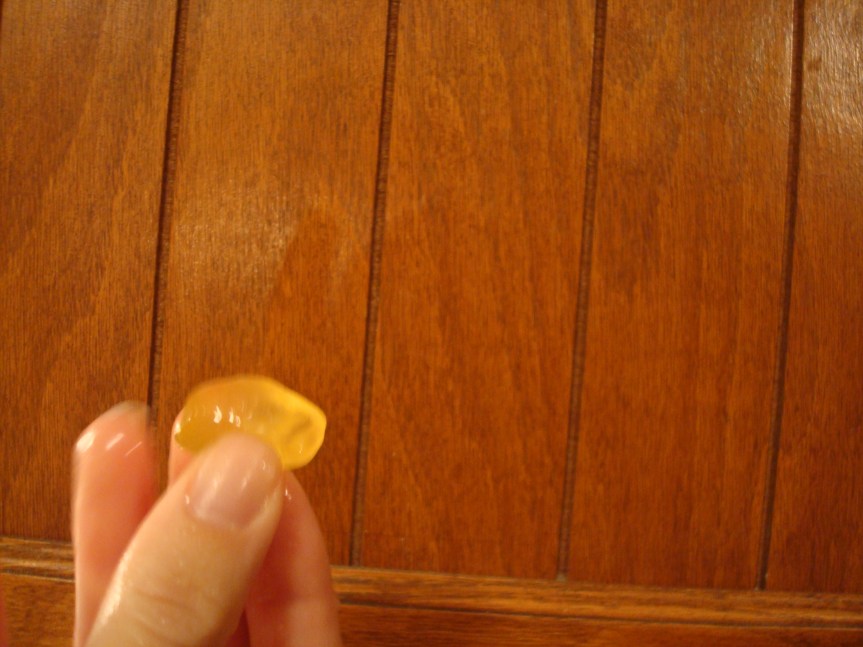
We put in buttered dish; then waited a few minutes until it was cool enough to handle.

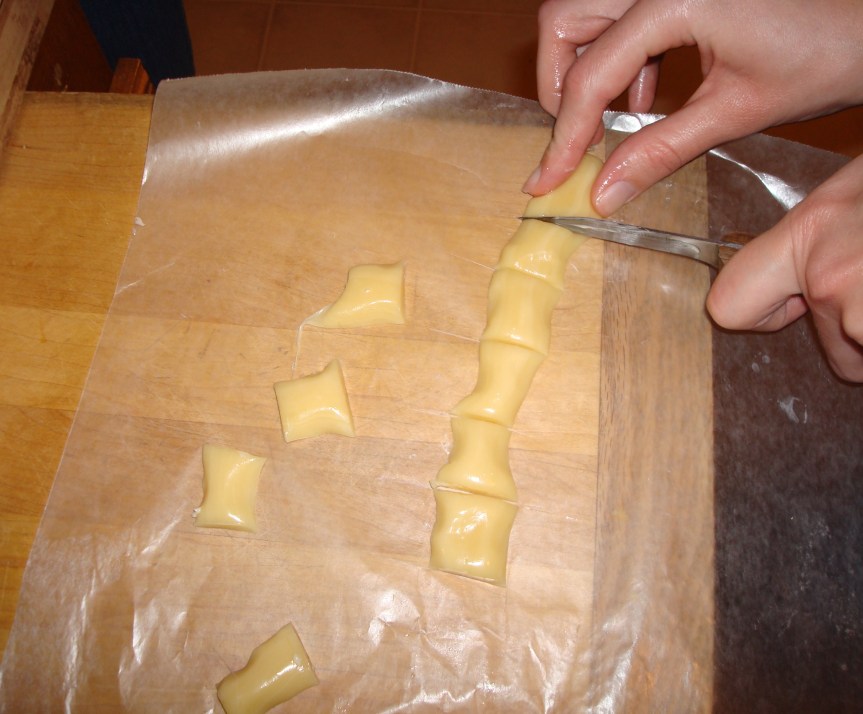
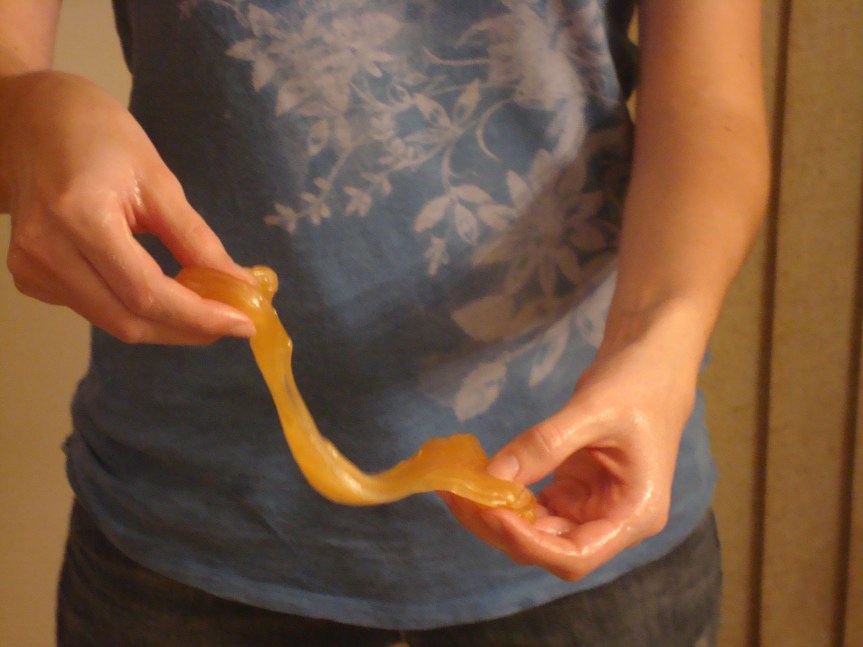
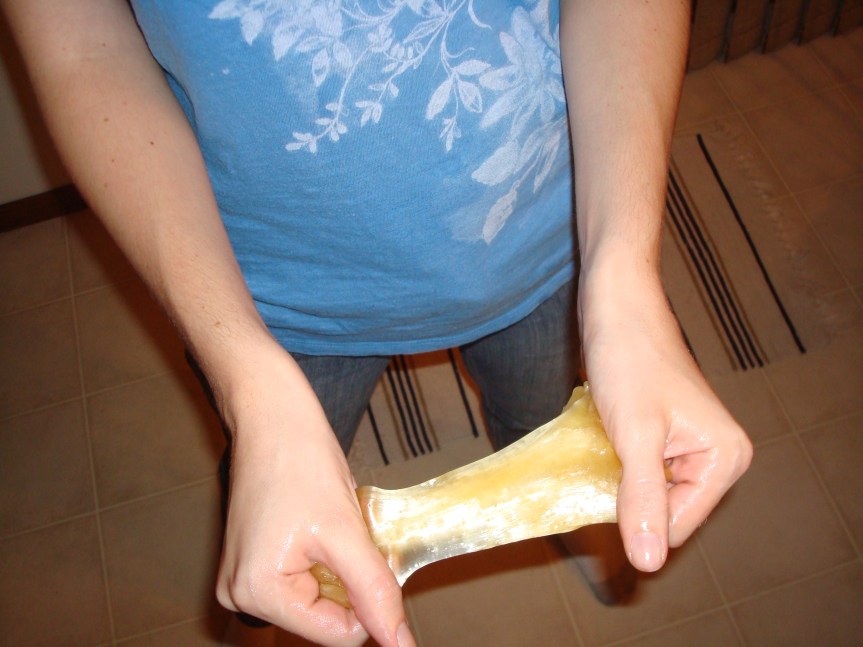
We then buttered our hands and pulled the candy until it became creamy and glossy (about 5 minutes). We formed ropes of candy on a piece of waxed paper; then cut with a knife that we periodically dipped in hot water.
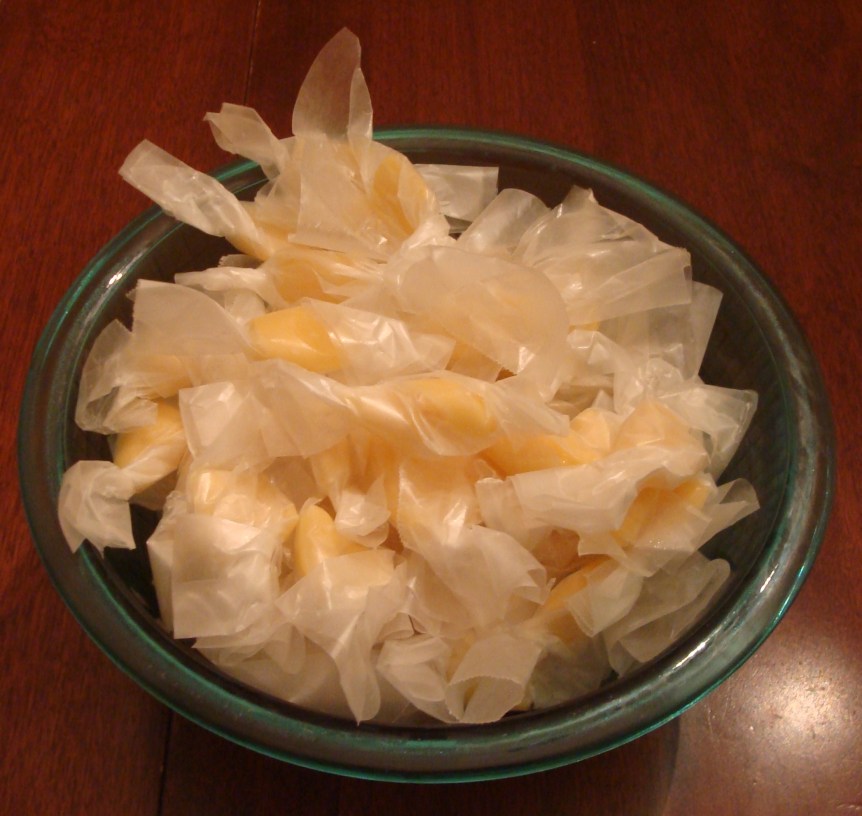
Finally we wrapped the individual pieces in squares of waxed paper.

Old Recipe for Mulled Fig Juice (Ginger Cordial)

16-year-old Helena Muffly wrote exactly 100 years ago today: 

Tuesday, December 5, 1911:  We are going to have an entertainment on the fifteenth, the Friday before vacation, and I’m to take part in a dialogue of no great length. Such bewildering problems as we are having in Algebra is enough to turn your head.

tea cup

Her middle-aged granddaughter’s comments 100 years later:

Apparently the students were going to put to put on a small Christmas play on the 15th –or at least say the parts of various characters. [An aside—When I think of a dialogue I think of the Abbott and Costello dialogue about the baseball players—Who’s on first, What’s on second, I don’t know’s on third—though it’s from a later time period.]

Maybe Grandma took a break from the bewildering algebra problems to make a calming hot drink.

I found an awesome recipe for Mulled Fig Juice (Ginger Cordial) while browsing through the December 1911 issue of Good Housekeeping magazine.

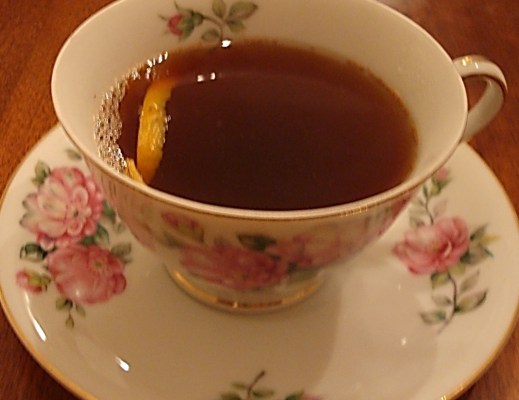
Mulled Fig Juice reminded me a little of Mulled Cider, but the taste is more nuanced and complex. I’d highly recommend it for holiday parties—or for a great hot drink after sledding or cross-country skiing.

Mulled Fig Juice (Ginger Cordial)

1/2 pound figs (I used mission figs.)

1/2 teaspoon allspice

Dash of ginger

1/4 teaspoon cinnamon

1/4 teaspoon cloves

water

3 pints ginger ale (about 1 1/2 liters)

1 teaspoon corn starch dissolved in a small amount of water

Peel from an orange (for garnish)

Stew slowly together the figs, allspice, ginger, cinnamon, cloves, and sufficient water to cover the other ingredients. When the figs are tender remove from heat and pour through a strainer.  (The stewed figs taste good, and can be saved and eaten separately.)

Return the juice to the saucepan. Add the ginger ale; and return to the heat; when hot stir in the corn starch dissolved in water. Continue stirring until it comes to a boil; reduce heat. Serve in small cups; garnish with orange peel.  [I used a vegetable peeler to remove some zest from an orange  in long wide strips, I removed any pith, and then julienned the zest into long narrow strips.]

Adapted from “Hot Drinks for the Holiday Season”, Good Housekeeping, December 1911