A hundred year ago, just like now, expectant mothers worried about their diet. Here is some hundred-old-advice:
Diet for the Expectant Mother
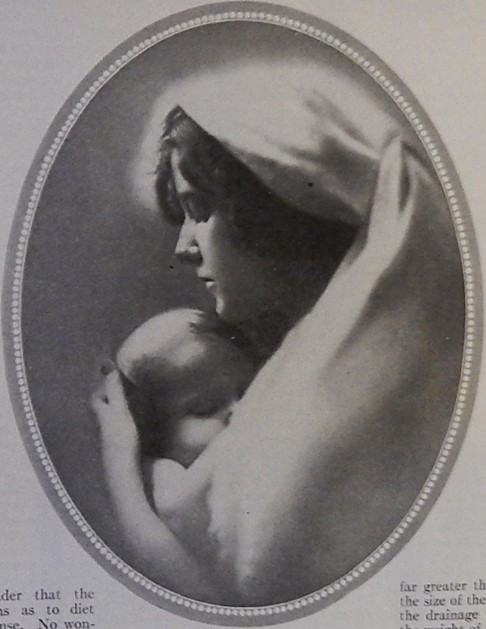
The ever-great importance of diet is multiplied many times during pregnancy. If children are to be born healthy, mothers can not be starved. If we accept this fundamental, the rest of our course is easy. The mother needs not only the amount of food necessary for her own sustenance and to keep up her own bodily functions, but also a very large increased amount for the growing child.
The food of the expectant mother must be real food. There is no place during the period of pregnancy for the ornaments and finishings of the menu. Every mouthful that she eats should be adapted to the purpose of real nutrition and not merely serve to tickle the palate, or to comply with the follies of fashion. To this end the diet should exclude practically all desserts. These are not so harmful in themselves as they are in taking the place of the necessary things. Cakes, ices, sweets, pudding, and other such accessories are to banished entirely from the table.
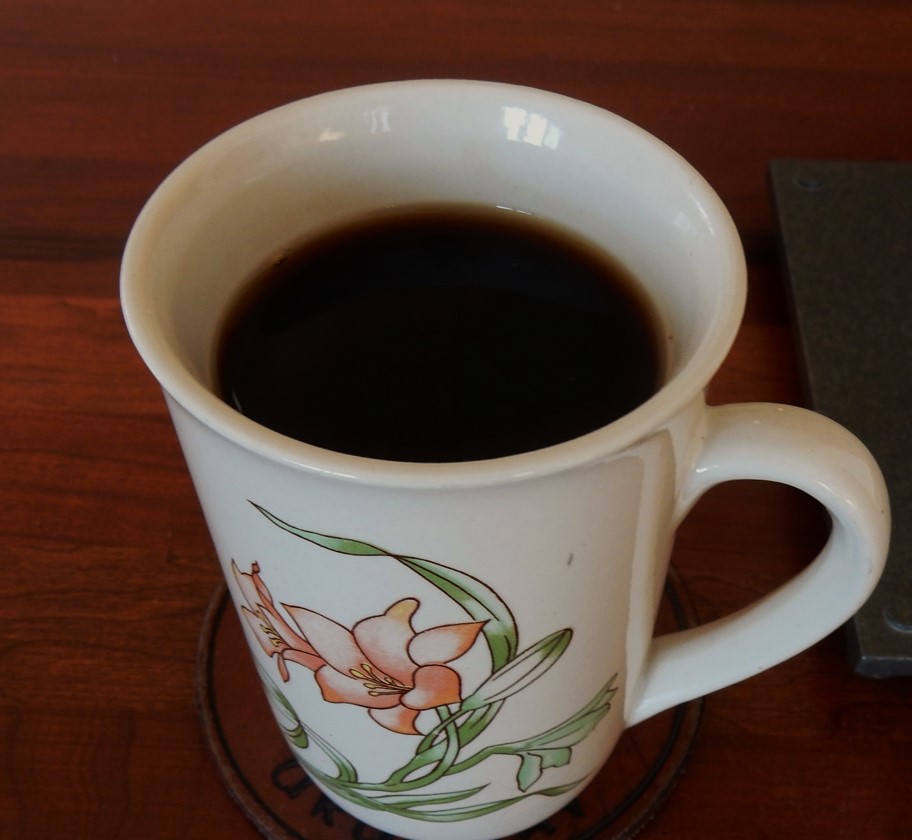
It is desirable to omit from the diet during pregnancy tea, coffee, and chocolate. If the craving of the mother is great for these stimulants, then the least harmful of them should be chosen, namely cocoa or chocolate. The more milk the preparation contains, the better for the mother.
The breakfast should always have a fruit; the particular kind is not so important. It is well to interchange them, having a citrus fruit one day and a malic fruit the second day. Apples, pears, and peaches are examples of fruits in which malic acid is predominant; oranges and grapefruit are examples of fruits in which citric acid is predominant. After the fruit a bowl of cereal ground from whole wheat or whole Indian corn or whole oats is to follow. The bread for breakfast should be baked from whole-wheat flour or whole Indian corn meal.
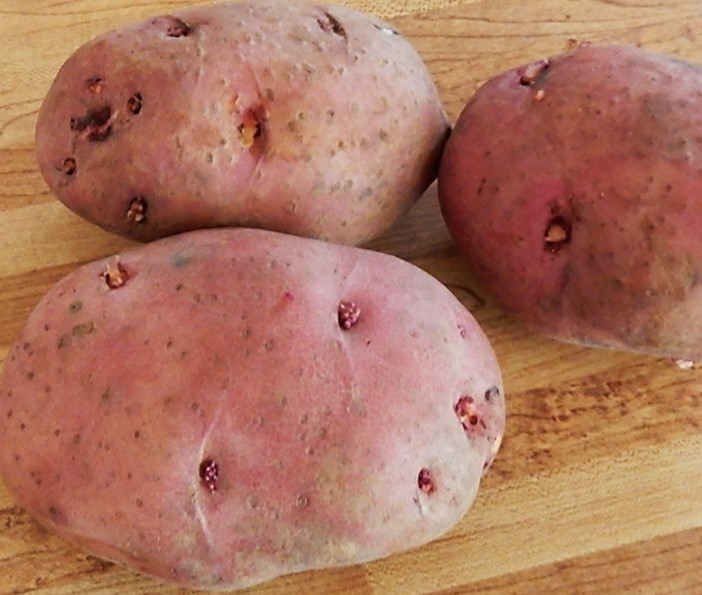
For luncheon, the bread used should be of the same kind as that for breakfast. In addition to this a fresh egg, best coddled or soft boiled, or a lamb chop with a steamed or baked potato carefully cleaned before cooking and eaten with the skins with milk for a beverage is advised.
For dinner the bread and milk are the same character as for breakfast and luncheon. A small piece of roast, preferably of beef or leg of mutton or lamb, with potato and one other vegetable, will be added. Vegetables have little value as food, but great value as regulators and they contain an abundance of minerals and vitamins. A salad, best of lettuce or fruit, will make up the dinner.
I am wholly opposed to alcoholic stimulants, once commonly recommended during pregnancy and motherhood. I suppose it can not be denied that these stimulants do add to the appetite, but a healthy woman does not need any stimulus for her appetite while her child is growing.
As to the quantity of the diet, it has already been intimated that it must be greater than that for normal conditions. The average woman of 130 pounds engaged in the ordinary duties of the household and taking the proper amount of outdoor exercise, requires food to furnish about 2250 calories a day. In the beginning of pregnancy an amount of food should be taken to increase this number by at least fifty a day at first, and soon by 100, 150, 200, 250, and finally 300 or 350.
For about a month or three weeks previous to the birth of the child – as the attending physician will indicate – the mother’s diet should be diminished. The child is then fully formed. This will be no further great drain upon the mother and the burden of nutrition is lessened. It would be well if immediately prior to the birth of the child the mother’s diet should be reduced almost to the normal for her ordinary state of health. This precaution will aid the mother to bear the pain and burden of childbirth better than if she were fully fed up to the very moment.
Good Housekeeping (April, 1917)