Hundred-Year-Old Coffee FAQs

coffe-cup

I’m never quite sure whether coffee is good for me, so I was thrilled that the December, 1916 issue of Ladies Home Journal answered a lot of my questions. Here’s an abridged version of the questions and answers:

Does coffee really keep people awake?

It certainly does! The drinking of coffee sometimes serves a useful purpose in emergencies, such as in the case of a train dispatcher who must be possessed of a clear, active brain in order that human lives may be properly safeguarded. Or, to the nurse on night duty it is often found a very welcome beverage. But, in all such cases, the purpose for which coffee is taken is to insure wakefulness; the very condition that the average man or woman seek to avoid.

How does morning coffee with sugar and cream affect the stomach? With sugar or cream alone? What about black coffee?

When you take your cup of coffee at breakfast one thing occurs in the stomach no matter whether the coffee is taken “straight,” or with either cream or sugar, or both. The thing which universally occurs is a stimulation of the glands or workshops in the lining of the stomach, causing the glands to form more gastric fluid. In other words coffee, from this standpoint, acts very much the same as water.

What is the effect of coffee on the nervous system?

After the coffee leaves the stomach it passes into the bowel, from which it is taken and carried by the blood to all parts of the body. The effect on the nervous system is soon seen. The pulse quickens and the hand of the coffee drinker is no longer steady.

Does cold coffee produce the same stimulating effect as hot coffee up entering the stomach?

Yes! So far as the stimulating effect of the coffee in the stomach or the subsequent effect of the coffee upon the nervous system is concerned, it is immaterial whether one takes the coffee hot or cold. In other words, no matter what the temperature of the coffee may be, the stomach sees to it that the temperature is raised or lowered as the case may require, and that in a very few minutes a temperature approximating that of the body is established.

Preface in Hundred-Year-Old Church Cookbook

Source: Tried and True Cook Book, published by The Willing Workers, Minneapolis Incarnation Parish (1910)

People compile church and community cookbooks for many reasons: to preserve favorite recipes, for fund-raising purposes, to help community members get to know each other better, etc.  But I must admit that I was surprised when the preface in a hundred-year-old church cookbook promised to make readers’ husbands “contented” men.

Hundred-Year-Old Advice Recommends Washing Fruits and Vegetables

fruits-and-vegetables

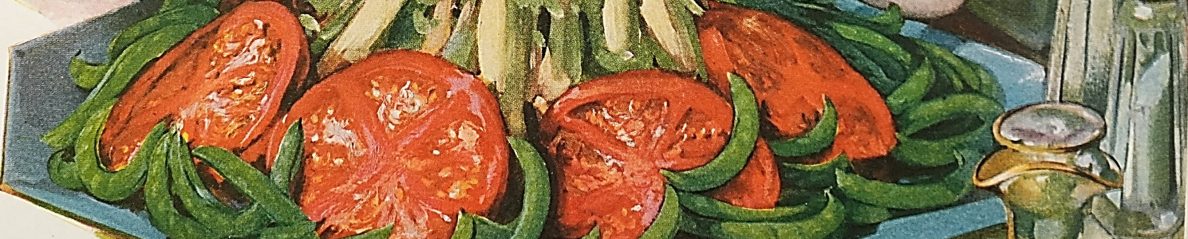
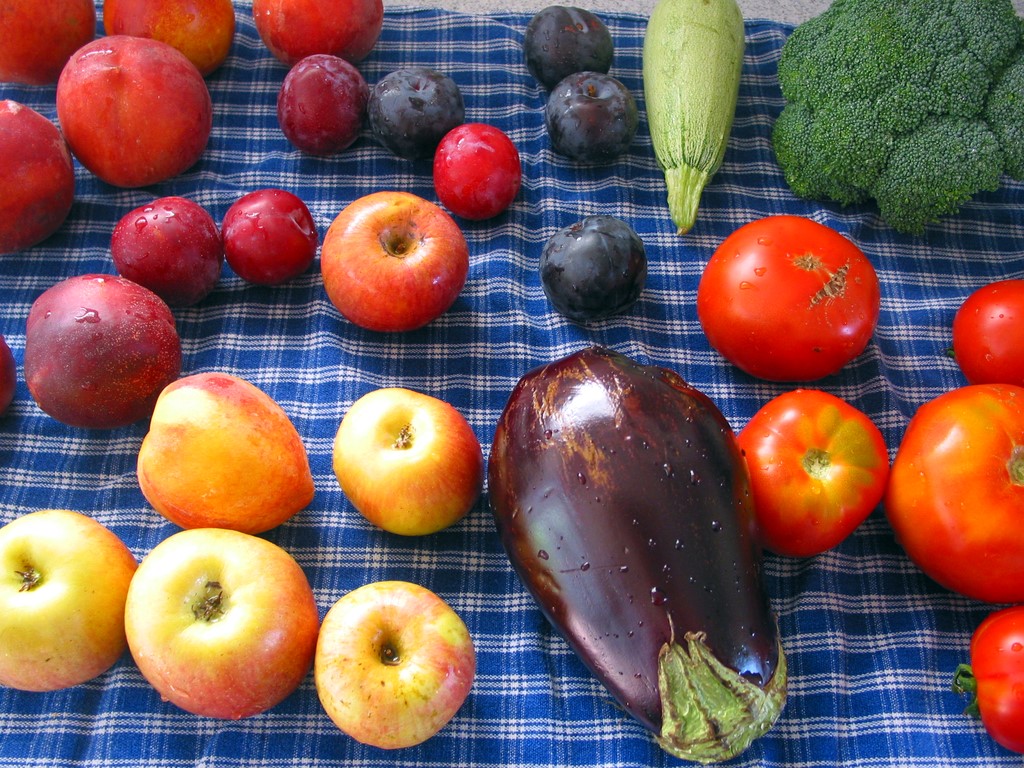
Sometimes, I am slightly taken aback by advice in hundred-year-old magazines. The October, 1916 issue of American Cookery gave an explanation of why fruits and vegetables should be washed. The advice was good, but I was amazed that it was considered somewhat controversial to wash fruits and vegetables:

Wash Your Food

The Pennsylvania Health Commissioner, Doctor Samuel L. Dixon, warns against eating raw food unless it is thoroughly washed.

“Care should be exercised in the preparation and serving of green foods, as they are subject to much handling between the garden and the table. Unless the hands through which they pass are absolutely clean they are more or less contaminated. Food exposed for sale in markets is also often subject to indiscriminate handling by prospective purchasers, and is seldom properly protected from dust and dirt.

As a protection, berries and foodstuffs eaten raw should be washed before being served. It is far better to risk a slight impairment of the flavor than to chance eating unclean foods”

WWI Troop Rations Included Honey

honey

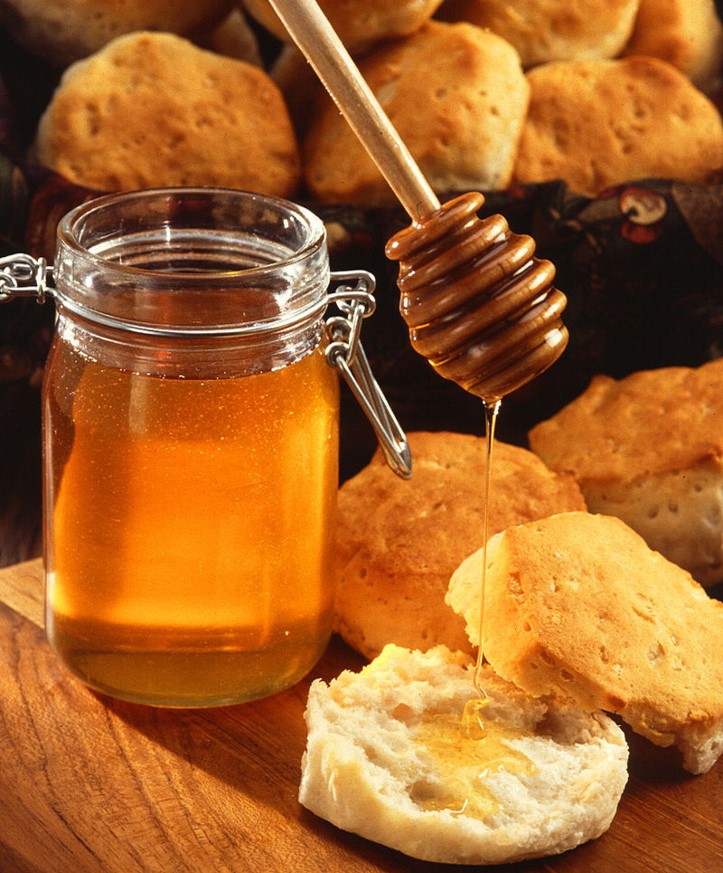
Ever wonder what the soldiers ate during World War I? . . . Well, according to a hundred-year-old magazine, one thing they ate was honey.

Honey in the Trenches in Europe

Honey is being used in the European trenches along with sugar. Both of these articles are energy-producers, and in many cases honey is cheaper than sugar.

When the war broke out in 1914 the prices on medium grades of honey began to sag until there was no demand. In the meantime sugar began to climb. The war lords of Europe, when it came to the matter of rations, soon discovered that honey, an energy-producer, was much cheaper than sugar (also an energy-producer), and consequently honey has been going into the trenches, and is going there still.

Apparently, only the medium grades are being used, because they furnish as much energy per pound as the finer and better-flavored table honeys that cost as much or more than sugar. 

The American Food Journal (November, 1916)

How Many Calories Does a Boy Need to Eat Each Day?

Photo source: Ladies Home Journal (May, 1916)

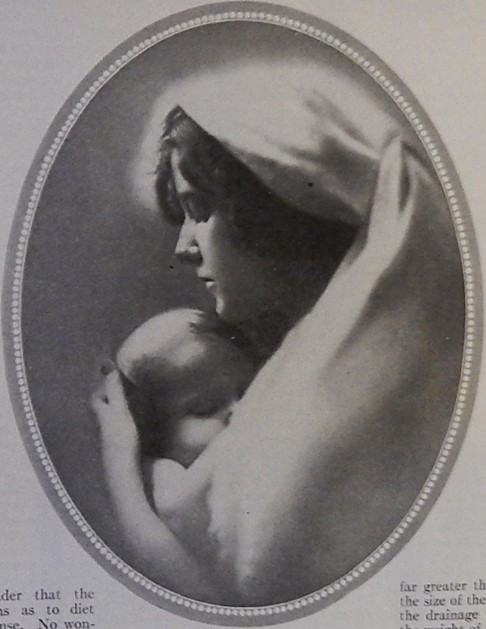
I’ve often heard parents say that their teen-aged sons “eat them out of house and home.”  That’s apparently been an issue for a long time. Here are some excerpts from a hundred-year-old Chicago Evening Post article as reprinted in the December, 1916 issue of American Cookery:

The Russell Sage Institute has just completed a scientific inquiry into the eating capacity of 300 boys at a big boarding school. The whole thing is summarized in one convincing sentence, “The 5,000 calories thus contained in the daily diet of active American boys of school age are half again as much as a farmer at work is believed to require.”

It is well to keep this scientifically ascertained fact in mind if you have boys of your own; it is their perfect justification for trying to eat you out of house and home.

The fixing of the fact by research has its sociological value, too. There are multitudes of boys who do not get their 5,000 calories daily. “Lack of appreciation of this factor,” says the investigator’s report, “and lack of provision for it, are the probable causes of much of the under-nutrition seen in children of school age.”

Influence of Rainfall on the Composition of Tomatoes

tomatoes

I’ve often thought that fruits and vegetables seem “waterlogged” when I harvest them after a rainfall. I recently discovered why the composition varies when I read an article in a hundred-year-old trade magazine for the canning industry called The American Food Journal. I also enjoyed seeing how a scientific study was written up in the early 1900’s. Here’s a few excerpts:

Influence of Rainfall on Composition of Tomatoes

It is the experience of many canners that tomatoes are unusually “sloppy” in seasons of excessive rainfall. They find this is evident both from the amount of water that separates on the peeling table on in the can during or after processing.

The composition of tomatoes varies through rather wide limits because of the environment in which they are grown. Arrangements were made with the Bureau of Plant Industry and the Maryland Experiment Station by which the laboratory secured samples of tomatoes of known varieties grown on plants set aside by these institutions for that purpose. During the growing seasons of 1914 and 1915 tomatoes were picked as fast as they ripened (usually two or three times a week).

In both the years mentioned the rainfall was higher before the tomato season than during the season, and the ground was well saturated at the time the tomatoes began to ripen.

There was considerable variation in the composition of successive pickings, which could not be explained by variation in rainfall. There appears to be a general tendency for the soluble solids to decrease in amounts as the season advances. Tomatoes ripening in September and October may contain less solids than those ripening in August because of the cooler weather.

We are not warranted, therefore, in concluding that the high rainfall and the relatively high soluble solids in the first part of the season are evidence of a relation between the two. The question would have been simplified if we had, as we hoped to have, a heavy, soaking rain preceded and followed by dry weather. However, it appears improbable that the “watery” condition of tomatoes observed after a heavy rain is due to a greater percentage of water in the tomatoes.

The American Food Journal (February, 1916)


Hundred-Year-Old Ways to Tell Whether a Cake is Done

cake-in-pan-b

I’m often surprised how little has changed over the past hundred-years.  I recently was browsing through a hundred-year-old home economics textbook, and came across a section on how to tell whether a cake was done. As I read,  I’m mentally noting the similarities between then and now – cake springs back when lightly touched, toothpick comes out clean. And, then suddenly the text thrusts me into a whole different world of how to test whether a cake is done. . . .

Tests to Determine Whether a Cake is Done

Experienced cake-makers have various tests to determine when a cake is done. One touches the top lightly with her finger, and if the dent made springs back quickly she knows the cake is done. If the dent remains, she knows the cake batter is still too soft.

Another housewife depends entirely upon a broom-splint or one of the modern toothpicks. She thrusts one of these into the center of the cake, and if it is the least bit sticky when it is taken out she knows that the cake needs more baking. A box of toothpicks is rather a necessary part of kitchen equipment – not to be used as the name indicates, but for testing cakes and similar uses. It is much more sanitary to use a toothpick than a broom splint, unless a wisp-broom is kept expressly for this purpose.

How to Cook and Why by Elizabeth Condit and Jessie A. Long (1914)