Here’s some tips for homemakers that appeared in a cooking magazine called American Cookery a hundred years ago. Not sure how many of these tips still apply. And, are these tips just for homemakers or are they applicable to most anyone?

Here’s some tips for homemakers that appeared in a cooking magazine called American Cookery a hundred years ago. Not sure how many of these tips still apply. And, are these tips just for homemakers or are they applicable to most anyone?
I tend to think of vegetarian diets as a relatively new way of eating, but it actually is a traditional way of eating. Here’s what a hundred-year-old cookbook says:
Meatless Meals
While authorities disagree as to the advisability of adopting a strictly vegetarian diet, there are increasing numbers who believe that such a diet is wholesome and beneficial. Be that as it may, vegetable menus are so much in demand that it behooves the housewife who caters to vegetarians to see that the necessary food elements are present. While fruits and vegetables are rich in starch, sugar, mineral salts, and acids, there are only a few that are rich in protein and fats.
For those who do not object to animal products, milk, cream, butter, cheese and eggs should be generously used. Cheese naturally suggests itself as a meat substitute as it is a highly concentrated protein food. Weight for weight, it contains twice as much protein as meat and its fuel value is almost double.
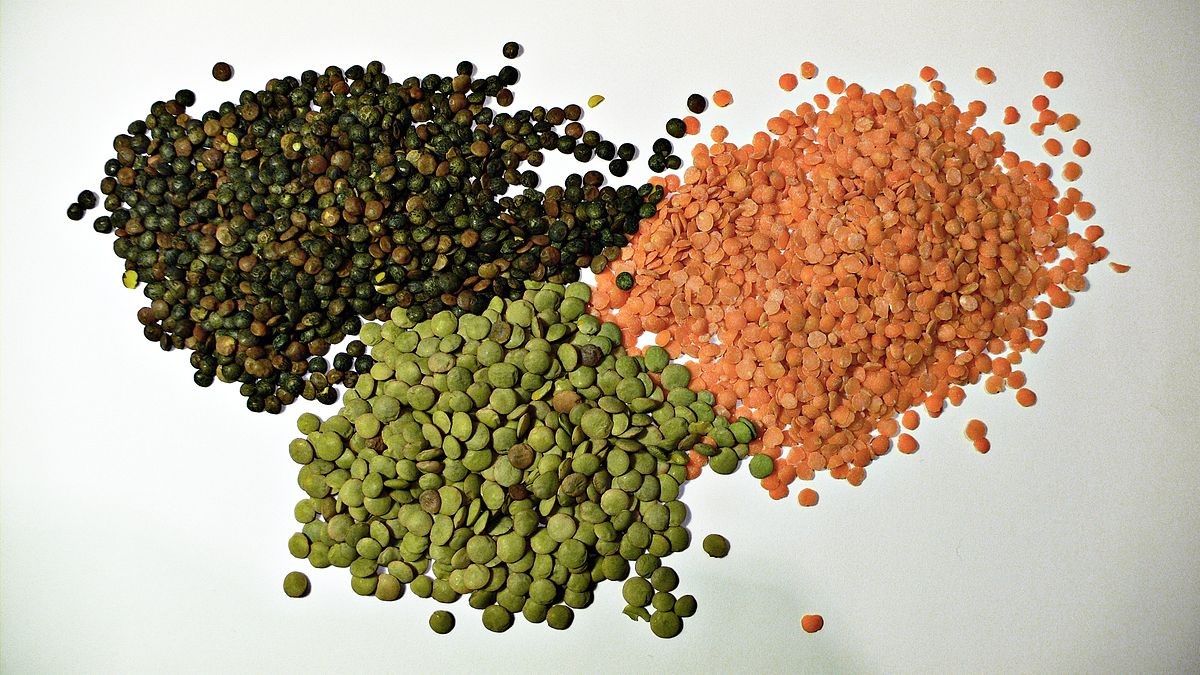
Dried peas, beans and lentils are the vegetables conspicuous in protein and therefore are excellent as meat substitutes. There is a Hindu proverb, “Rice is good, but lentils are my life.” Mushrooms are also valuable meat substitutes.
Nuts may also be regarded as meat substitutes, especially peanuts, almonds and Brazil nuts. Nuts, however, are rich in fat. No other vegetable food is so rich in fats as nuts. On account of their high fat content, an excessive consumption is likely, sooner or later, to derange digestion. They should be combined with foods having a low fat content. If properly combined with other foods, they furnish valuable food.
The cereals, such as oatmeal and whole wheat preparations, contain from 13 to 16 percent protein and therefore may be regarded as protein supplying foods. Combining them with milk increases the protein content and furnishes a happy balanced combination.
The Housewife’s Cook Book by Lilla Frich (1917)
Here’s a tip for preparing soups in a hundred-year-old magazine:
Soup Seasoning and a Tea Ball
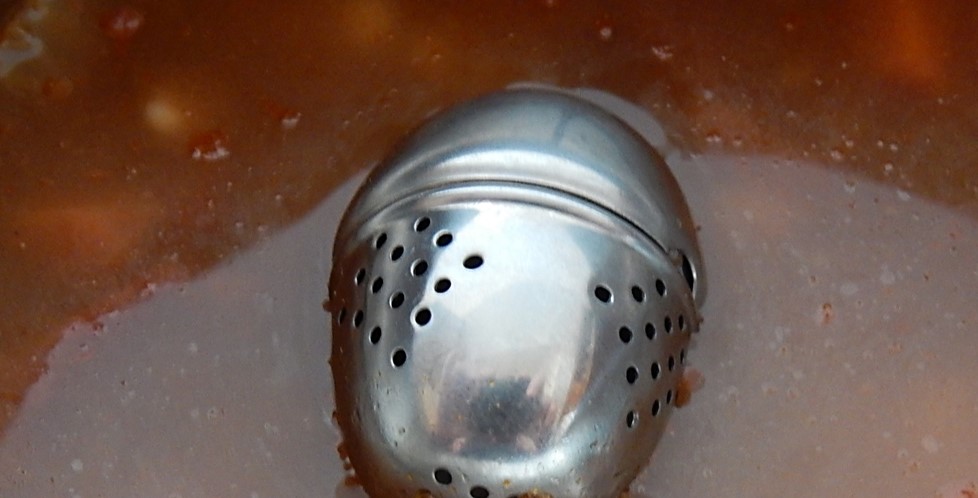
In adding peppercorns and other whole flavorings to soups that are not to be strained, place them in a tea ball and drop the tea ball into the soup. It may be removed before the soup is served and the seasonings with it. All of the desired flavor is thus obtained without the chance of anyone getting a mouthful of hot pepper.
Good Housekeeping (September 1917)
During World War I there were sugar shortages, so consumers were encouraged to use alternatives to white sugar. Here’s some excepts from a hundred-year-old article about “sugarless sweets” – though I tend to consider most of the alternatives to be sugars.
Sugarless Sweets: Delicious Desserts Made with No Sugar
The recent sugar shortage has brought home to us the fact that we need not be dependent upon white sugar for sweetening.
Brown Sugar. In substituting brown sugar – when we are lucky enough to obtain it – the same amount should be used as white. A cupful of brown sugar has less actual sweetening power than white sugar, but it makes up in flavor what it lacks in sweetness.
Maple Sugar. In using maple sugar the same thing is true, and the usual recipe will be as successful as ever, the texture being the same and only the flavor changing – often for the better.
Maple Sirup. Maple sirup is not so sweet as sugar, and when used to replace it should be increased by one-half. Of course in this case allowance must be made for the increase of liquid. Using the amount of liquid called for in the recipe should be halved.
Corn Sirup. The same rule holds good for corn sirup. One and a half again as much sirup may be used, and to make up for a certain flatness of taste, it is desirable to use an extra amount of flavoring. When used in cakes and cookies better results are obtained if sirup is substituted for only half the sugar.
Molasses. In using molasses we find that no change need be made so far as amounts for sweetening purposes are concerned, because, like brown sugar, what it lacks in sweetness must be made up in flavor; but the same allowance must be made for liquid as when using sirup – it should be halved. When molasses is used in cake mixtures, soda should be used instead of baking powder in the proportion of one teaspoonful of soda to one cupful molasses.
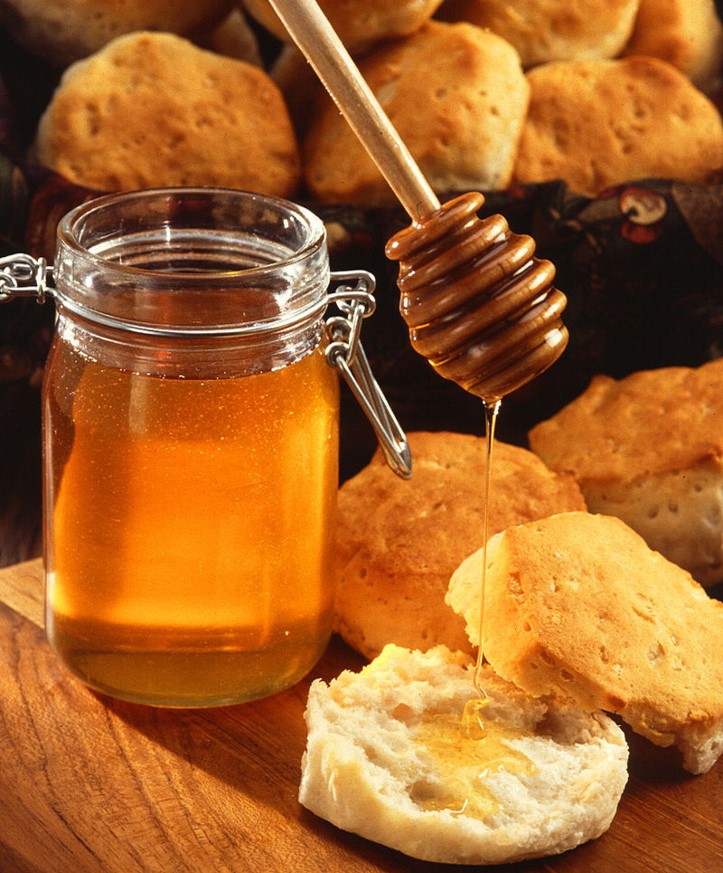
Honey. Honey, probably the longest-used sweetening in the world, has not been in common use for cooking purposes recently. It has a distinct favor, which combines well with spices and its sweetening power is about the same as that of sugar. Honey is thicker than sirup, so it therefore adds less liquid, and in replacing sugar only one-fourth of the liquid in the recipe need be left out. As honey is slightly acid, soda in the proportion of half a teaspoonful to one cupful of honey should be used in cake or cookie mixtures.
Fruits. The sweetening qualities of fruits are not always recognized, but when raisins or dates are used the sugar may be appreciably lessoned. If twelve cut-up dates are added to two cupfuls of cooked oatmeal ten minutes before serving, no sugar will be required – unless your family has a very sweet tooth.
With all these sugar-saving sweets at our disposal, we shall certainly not find it difficult to cut down our use of sugar from the pre-wartime amount of four ounces a day to the two-ounce ration which the Food Administration is asking us to make our maximum.
Ladies Home Journal (March, 1918)
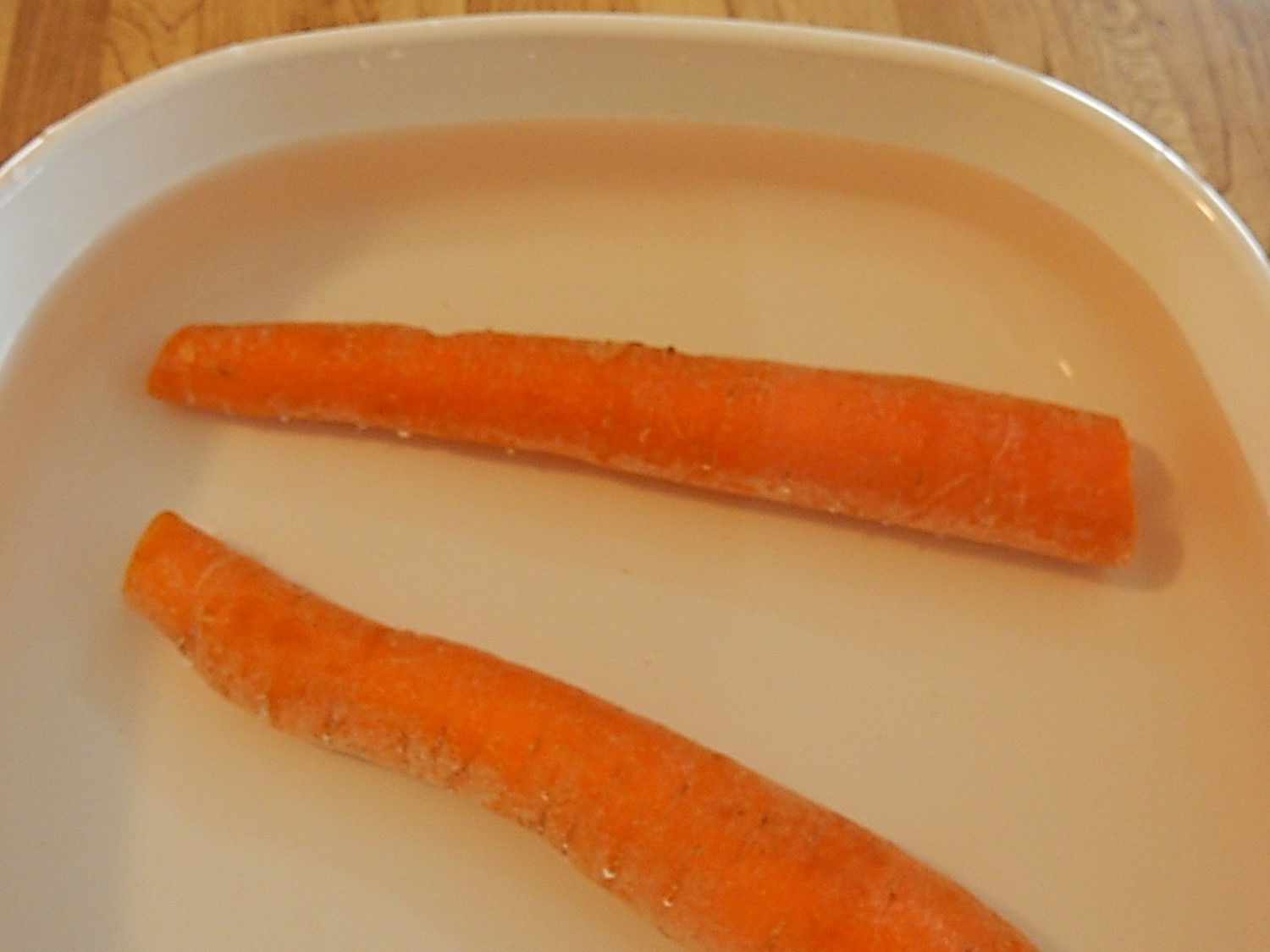
My refrigerator always seems to have a few miscellaneous food lurking in it that have seen better days – like the plastic bag filled with carrots that I bought several weeks ago, but somehow had never used. So I was thrilled to find a hundred-year-old suggestion for reviving carrots and other root vegetables.
Root vegetables, such as turnips and carrots, that have been withered need not be thrown away. Revive them by slicing off the ends and laying them in cold water. In a few hours their natural freshness will be restored.
Ladies Home Journal (March, 1918)
This tip worked wonderfully. The revived carrots were almost as good as ones I’ve freshly pulled from my garden.

Ever think that you may have onion breath? . . . No worries. Here’s a hundred-year-old tip for eliminating it:
It is claimed that eating parsley will sweeten an onion breath.
The Housewife’s Cook Book by Lilla Frich (1917)

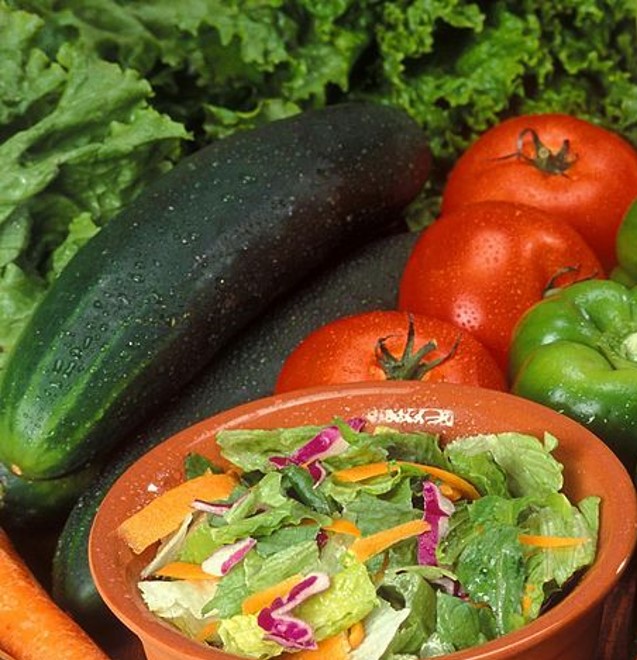
Here’s some hundred-year-old advice on how to clean and store raw vegetables:
Separate leaves or stalks into their natural divisions.
First. Examine them carefully, removing interior portions, insects, etc., that may be found on the vegetables.
Second. Wash thoroughly in several waters. Running water is preferable. Salted water aids in removing parasites.
Third. Drain off the water and dry with cheese cloth.
Greens may be kept in a paper bag in the refrigerator until serving time.
Coarser portions may be utilized for soups or sauces while the tender portions may be served raw. Great care should be exercised in the selection and preparation of food which is not subjected to heat before serving, such as salad greens. Salad plants, carelessly cultivated or handled may carry dangerous bacteria, or they may have been sprinkled with poisonous compounds.
The Housewife’s Cook Book by Lilla Frich (1917)