Who Was “He”, “B.” and “B.G.”?

16-year-old Helena Muffly wrote exactly 100 years ago today: 

Sunday, August 27, 1911: Went to Sunday school this afternoon, although it drizzled to some extent. He was there. This evening I went with Ruth to a Song Service up to Mc! It was in the Lutheran Church, and the singing was certainly magnificent.

Her middle-aged granddaughter’s comments 100 years later:

“He” refers to a guy Grandma thought was cute. She never uses his name but referred to him as “him”,” B.”, and “B.G”. in previous posts.

There probably were several young men with the initials B.G. living in the McEwensville area in 1911. But within the limited cast of people mentioned in the diary there is only one person with those initials.

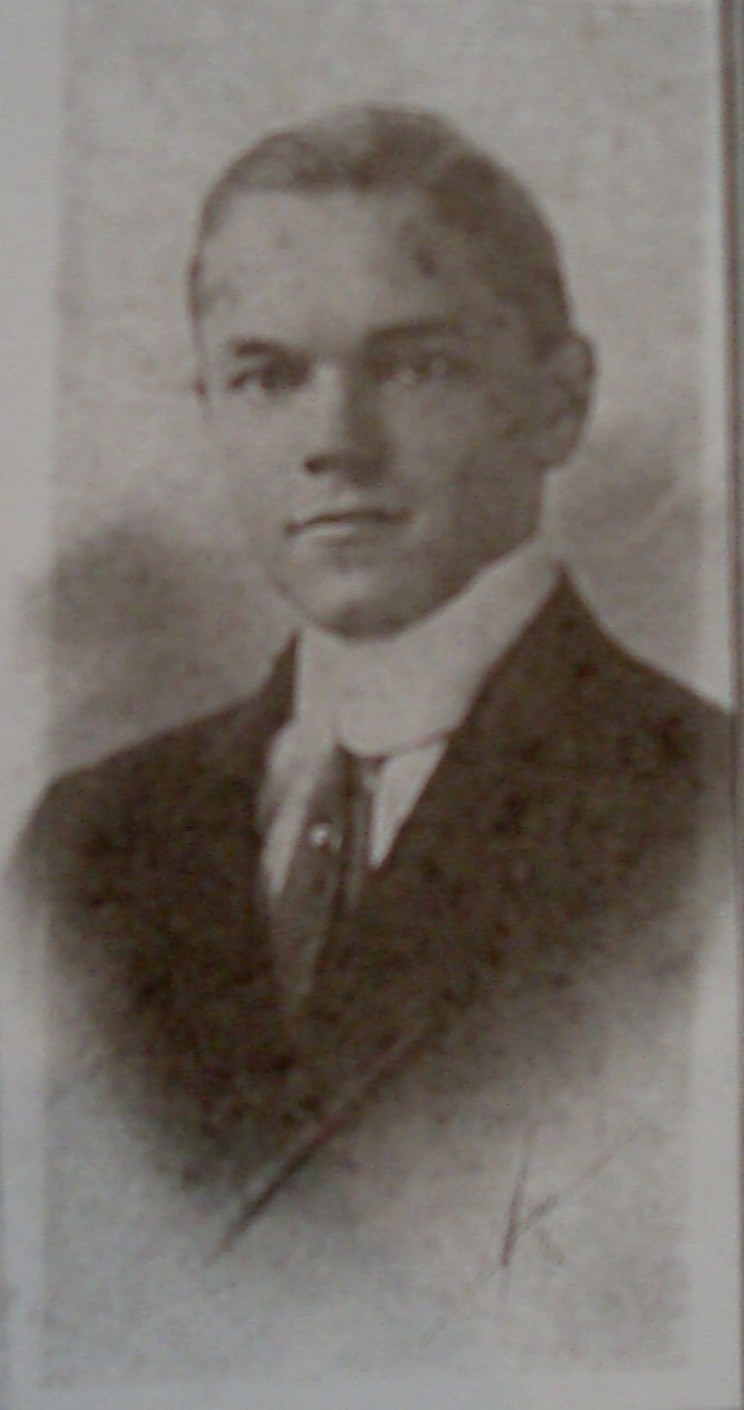
I keep telling myself—Don’t Speculate!—I but can’t help myself. I continue to think that she was referring to Bill (William) Gauger.

Bill (William) Gauger*

I know that Bill will eventually marry Grandma’s sister Ruth, but according to the diary, in 1911 Ruth was dating Jim Oakes and so it seems conceivable that Grandma had a crush on Bill.  (I don’t have any sisters, but I know women who do—and I’ve heard them say that their sisters often stole their boyfriends.)

*Photo Source: History of McEwensville Schools by Thomas Kramm, used with permission

Need to Watch Cows Again–But School Begins Soon!

16-year-old Helena Muffly wrote exactly 100 years ago today: 

Saturday, August 26, 1911:Everything seemed to have gone wrong today. Hard to tell what the cause really is. I have to watch the cows, and I don’t like it, but school will soon start and then that task will be ended.

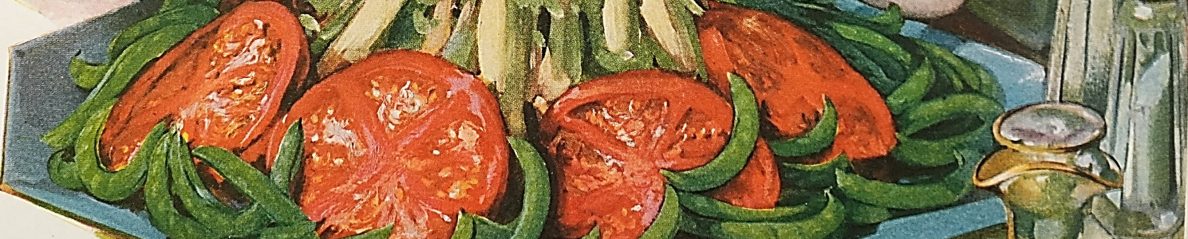
I bet that the pasture on the Muffly farm looked similar to this one. (August 1, 1911 cover of Kimball's Dairy Farmer Magazine)

Her middle-aged granddaughter’s comments 100 years later:

I continue to be befuddled by diary entries that talk about watching the cows. Grandma mentioned watching them numerous times during the summer. She also wrote about chasing cows that had somehow gotten into the corn field, orchard, and other places they weren’t supposed to be. And, she mentioned when she was finished watching the cows:

I’m through watching cows for the present time—at least. That was my duty for one wk.

May 26, 1911 diary entry

There must have been several people who took turns watching the cows. Grandma probably was responsible for watching the cows for a week; then she probably had several weeks off while others–her sister Ruth, her mother (??), others (??)–watched them

I remain clueless as to why the cows needed to be watched. It still seems like they should have been securely contained in fields fenced with barbed wire, but apparently they weren’t.

Vaccinating for Smallpox a Hundred Years Ago

16-year-old Helena Muffly wrote exactly 100 years ago today: 

Friday, August 25, 1911: Jimmie the cub was vaccinated this morning and looked so very much in pain, but still nervous during the process. It has been so rainy all day and is raining. I guess unless it has stopped awhile ago. My everyday shoes, like the Wonderful One Hoss Shay seemed to have gone to pieces all at once, so I have cast them aside for a better pair, but will soon follow their predecessors.

Her middle-aged granddaughter’s comments 100 years later:

Grandma’s 5-year-old brother Jimmie would begin school in September, so he needed to get a smallpox vaccination.

I’m not sure exactly what the laws were in Pennsylvania in 1911, but in 1905 a US Supreme Court decision (Jacobson vs. Massachusetts) upheld the right of a state to require the smallpox vaccination.

Fewer people got smallpox in 1911 than in previous generations because vaccination programs were becoming well established—but there still were regular outbreaks across the U.S.

I was amazed to discover that people were actually catching smallpox in central Pennsylvania in 1911.

I’m again sharing an article Milton Evening Standard that I first posted on January 21 because it is so relevant to this entry.

In January 1911 there were smallpox outbreaks in two nearby towns (Washingtonville and Mausdale) located about 15 miles east of the Muffly farm.

Milton Evening Standard, January 21, 1911


Delightful Chats with Friends

16-year-old Helena Muffly wrote exactly 100 years ago today: 

Wednesday, August 23, 1911: Tweet and her mother were here this afternoon. Besser went to town this afternoon with her little “yum yum” to get him some things to wear to school. Miss Stout is called this evening, and we had a very delightful chat.

Her middle-aged granddaughter’s comments 100 years later:

It sounds like a pleasant day spending time with friends. Tweet was Helen Wesner’s nickname.  Miss Stout referred to Carrie Stout. Both Tweet and Carrie were friends of Grandma’s.

Recent photo of the road Tweet and her mother would have taken to get from McEwensville to the Muffly farm. It would have still been dirt in 1911. (The roads have changed over the years--and this road now dead-ends at Interstate I-180.)

Based upon previous entries I thought that the Muffly’s did not have  a telephone—but this entry suggests that they may have recently gotten one. (Or perhaps “called” was being used in an older way and instead refered to a visit.)

Besser refers to Grandma’s married sister Besse. Besse did not have any children, but there  was a previous diary entry which mentioned Besse bringing her nephew out to the Muffly farm, so “yum yum” may refer to him. But why would a person be called a yum yum? . . . . I guess that slang  (and the meaning of slang words) has just changed over the years.

Calf’s Weak in his Legs

16-year-old Helena Muffly wrote exactly 100 years ago today: 

Monday, August 21, 1911: Had to go up to McEwensville early this morning on an errand for Dadda. I have decided to name Mollie’s calf Wobbly as he is rather weak in his legs, but he’ll get stronger bye and bye.

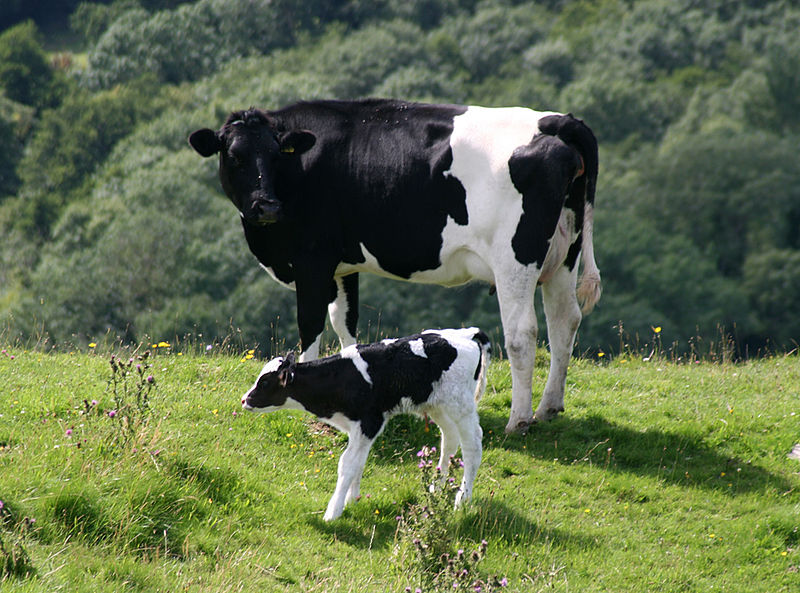
A calf that is "strong in the legs" (Source: Wikemedia Commons)

Her middle-aged granddaughter’s comments 100 years later:

The calf was born Saturday morning. I’m surprised that it was still wobbly. Most calves stand up within an hour or two of birth—and would be sure-footed by the time they are two days old.

Was Going to be Mad. . . But Then Decided Not To

16-year-old Helena Muffly wrote exactly 100 years ago today: 

Sunday, August 20, 1911: Went to Sunday School this morning. Went over to see Miss Carolyn this afternoon, but she happened to be not at home. I was going to be mad at her for something she didn’t do, but then decided not to. That’s the best way I guess. It wasn’t very much anyway.

Click on the photo to see a larger view of the diary entry.

Her middle-aged granddaughter’s comments 100 years later:

This is the second time that Carolyn has been mentioned in the diary. She was previously mentioned six days earlier on August 14. I’ve not been able to figure out what her last name was.

We’ll never know what Carolyn didn’t do—and why it angered Grandma. But, I like the way Grandma worked her way through her anger at Carolyn as she wrote the entry.

. . . was going to be angry….but then decided not to…..that‘s they best way, I guess . . . .wasn’t very much, anyway.

I’m not a handwriting expert—but sometimes I can almost sense the emotion from the way certain words are written. It looks like Grandma pressed down very hard when she wrote the word “then”.

Grandma talks about being upset, but the bolded “then” (I think it was written with determination) suggests that Grandma was trying to mentally convince herself that she really wasn’t upset.

Catching Minnows

16-year-old Helena Muffly wrote exactly 100 years ago today: 

Friday, August 18, 1911:The Frontz kids were here today. Had some quabbles down in the run about the minnies, which they were trying to catch. There was a boisterous wind storm this afternoon. Ruth went to a party tonight. I was invited, but didn’t care very much about going.

Minnow (Photo source: Wikepedia--US Government Photo)

Her middle-aged granddaughter’s comments 100 years later:

I’m not sure who the Frontz kids were—but the diary entry suggests that they were younger than Grandma. They probably came out to the Muffly farm from McEwensville to catch minnows  in the creek. The minnows would then have be used as bait to catch larger fish (perhaps in the West Branch of the Susquehanna River at Watsontown.)

Grandma used lots of regional dialect in this entry. Minnows were referred to as minnies, the creek was called a run, and quabbles are similar to squabbles.