17-year-old Helena Muffly wrote exactly 100 years ago today:
Saturday, February 1, 1913:
February
A hope of the coming spring time,
When all the trees are in bloom
When the cold of the Winter has vanished
Onto the gathering gloom.
I guess I spent today at home doing a little bit of work for the benefit of someone other than myself. Tweetie arrived about four o’clock.
Her middle-aged granddaughter’s comments 100 years later:
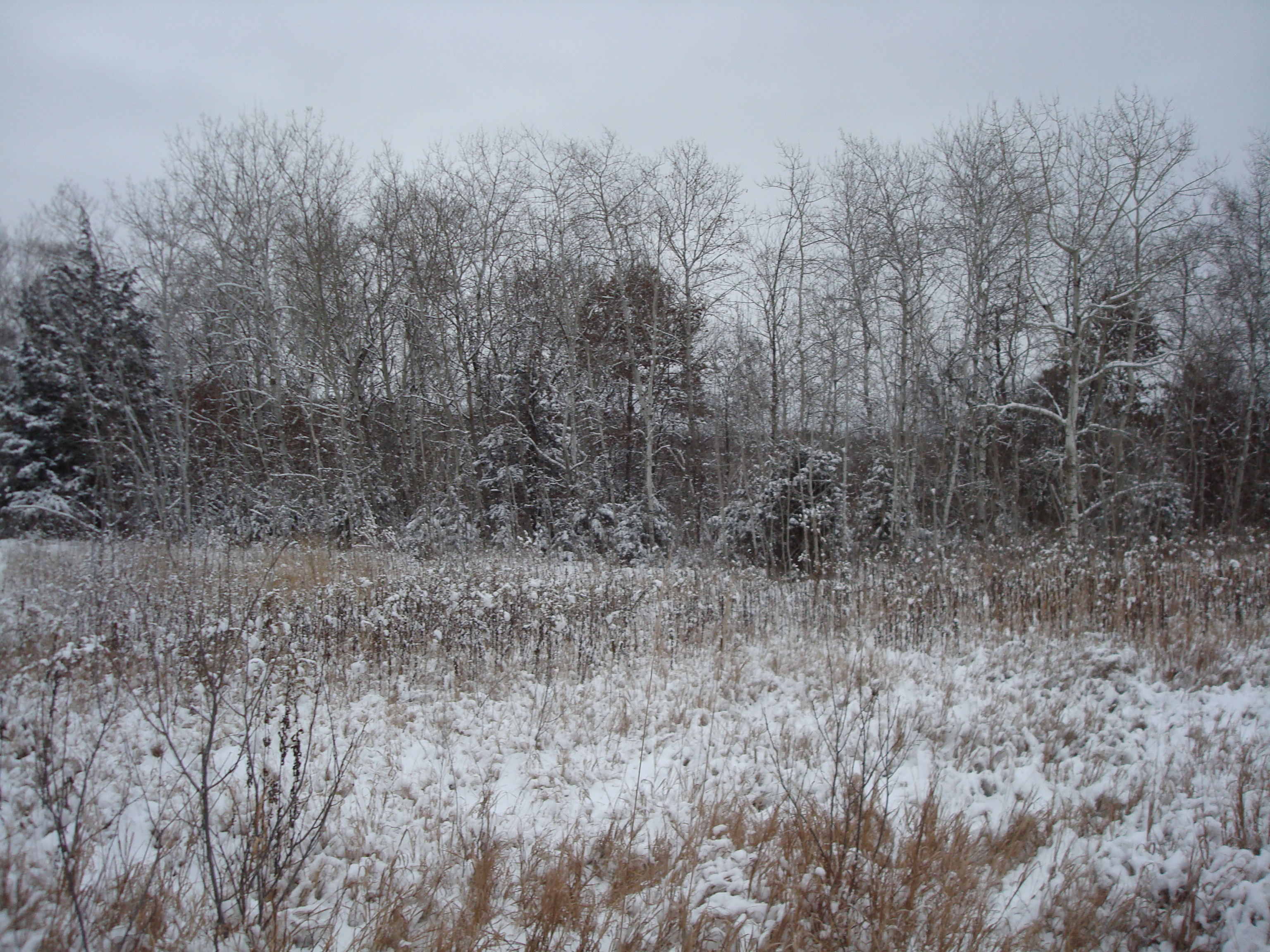
Grandma began each month with a poem. This poem accurately expresses how I feel. I’m tired of the gloom and ready for spring!
(I’m keeping my fingers crossed that the groundhog doesn’t see his shadow tomorrow.)
What work did Grandma have to do? Was it housework for her mother . . . or farmwork for her father?
At least it sounds like the day got better as it progressed. Tweetie was a nickname for Helen Wesner. She was a friend of Grandma’s.