Old-Fashioned String Bean Salad (Green Bean and Radish Salad)

I bought some lovely green beans at the farmers’ market. When I got home, I started looking through my hundred-year-old cookbooks for a good green bean recipe. I found a recipe for String Bean Salad and decided to give it a try. It was different from any string bean salad recipe I had ever previously seen. The String Bean Salad basically was cold cooked green beans coated with a vinaigrette dressing, and then piled in the center of a plate with thinly sliced radishes arranged in a circle around the beans.

The String Bean Salad (or, as I prefer to call this dish, the Green Bean and Radish Salad) made a lovely, attractive presentation. The light and tangy vinaigrette dressing on the beans worked well with the crisp and slightly peppery sliced radishes to create a delightful, flavorful salad.

Here’s the original recipe:

Recipe for String Bean Salad
Home Makers’ Cooking School Cook Book (1925)

I used green beans when I made this recipe.  I thinly sliced 5 medium radishes (about 1 cup sliced radishes).

And, here is the recipe in the same cookbook for French Dressing:

Recipe for French Dressing
Source: Home Makers’ Cooking School Cook Book (1925)

Since the String Bean Salad recipe only called for two cups of beans, I decided that the French Dressing recipe would make more dressing than I needed, so I halved it. For the oil, I used olive oil; and, for the vinegar, I used apple cider vinegar.

Over the years, I’ve made several hundred-year-old French Dressing recipes. All are very different from the modern bright orange French Dressing that is sold in stores today. This old French Dressing recipe is basically a vinaigrette dressing. When I updated the recipe, I called the dressing a vinaigrette since it seemed like a more accurate description.

Here’s the recipe updated for modern cooks:
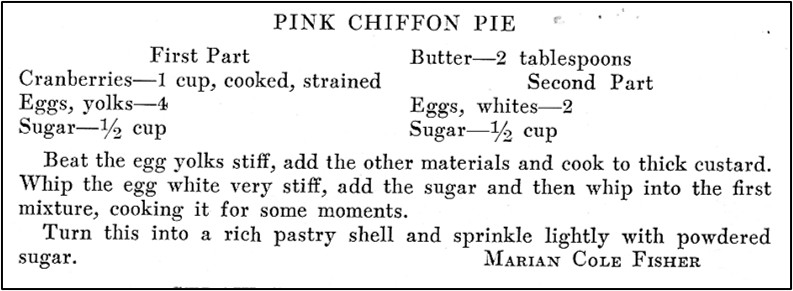
String Bean Salad (Green Bean and Radish Salad)

  • Servings: 3 - 4
  • Difficulty: easy
  • Print

2 cups cold cooked green beans (Before cooking, remove ends from beans and break into bite-sized pieces.)

1 teaspoon chopped chives or onion (I used chives.)

Vinaigrette Dressing (See recipe below.)

1 cup thinly sliced radishes (4 – 5 medium radishes)

Put the green beans and chopped chives or onion in a bowl; add the Vinaigrette Dressing, then gently toss to coat the beans with the dressing. Put the beans in the center of a plate and arrange the radishes in a circle around the beans.

Vinaigrette Dressing

2 tablespoons olive oil

1 tablespoon apple cider vinegar

1/4 teaspoon salt

1/8 teaspoon pepper

Put all the ingredients in a small bowl, stir quickly to combine using a  small whisk or fork.

http://www.ahundredyearsago.com

Old-Fashioned Stuffed Cucumbers

Cucumbers are a vegetable that I generally either slice and eat raw or pickle, but there are some recipes in hundred-year-old cookbooks that call for baking them. I decided to give a 1925 recipe for Stuffed Cucumbers a try. The cucumber shells were stuffed with a mixture containing the seedy pulp from the center of the cucumbers, chopped onion, chopped nuts, and egg white. The Stuffed Cucumbers were topped with breadcrumbs and then baked.

The Stuffed Cucumbers were tasty with a nice crunchy texture because of the nuts.

Here’s the original recipe:

Recipe for Stuffed Cucumbers
Source: Diamond Jubilee Recipes (1925), compiled by The Sisters of Saint Joseph, St. Paul, Minnesota

This old recipe was very vague regarding some ingredients (like how many cucumbers to use) and very specific about other ingredients (1/2 cup of nuts and 1 egg white).  For the ingredients without amounts listed, I decided to use 3 short, fat cucumbers that I got at a farmers’ market, 1/4 cup of chopped onions, 1/4 cup fine breadcrumbs,  1 1/2 tablespoons butter, 1/4 teaspoon salt, and 1/8 teaspoon pepper. These amounts worked well. I also decided to just beat the egg white until it was foamy, rather than beating until there were stiff peaks, though I am uncertain what the recipe author intended.

Here’s the recipe updated for modern cooks:

Stuffed Cucumbers

  • Servings: 3 - 6
  • Difficulty: moderate
  • Print

3 cucumbers (I used short, fat cucumbers, but long ones would also work.)

1/4 teaspoon salt

1/8 teaspoon pepper

1/4 cup finely chopped onion

1/2 cup nuts, chopped (I used walnuts.)

1 egg white, beaten until foamy

1/4 cup fine breadcrumbs

1 1/2 tablespoons butter

Preheat oven to 350° F. Peel the cucumbers, then put them in a large saucepan and cover with water. Bring to a boil using high heat, then reduce heat and simmer until the cucumbers are tender (about 15-20 minutes). Remove from heat and drain. Cut the cucumbers in half lengthwise, then scoop out the seedy pulp. Put the pulp in a bowl, add the salt, pepper, chopped onion. chopped nuts, and egg white. Stir to combine.

Put the cucumber shells in a baking dish or baking pan. Fill each half with the pulp mixture. Sprinkle breadcrumbs on top and dot with small pieces of butter. Put in the oven and bake until hot and the breadcrumbs are lightly browned (20 – 30 minutes).

http://www.ahundredyearsago.com

Old-Fashioned Coconut Cake

Summer is the season for picnics and reunions – and lots of good food. I have wonderful memories of lovely Coconut Cakes at family gatherings, so when I saw a Coconut Cake recipe in a hundred-year-old cookbook, I decided to give it a try. The cake was delightful, but recipe had two unique features which resulted in this cake being a little different than some Coconut Cake recipes. The recipe called for adding coconut to the cake batter (and not just sprinkling it on top of the frosting). It also called for  a teaspoon of orange extract. The cake is not very large, and works well in a 9-inch square baking pan.

The Coconut Cake was light and fluffy with a bold coconut flavor, and a subtle hint of orange. I definitely plan to make this cake again.

Here’s the original recipe:

Recipe for Coconut Cake
Source: The Daily Argus-Leader Home Economics and Cook Book (Newspaper Supplement), Sioux Falls, South Dakota (1925)

When I updated this recipe, I updated the spelling of “cocoanut” to “coconut.” Cocoanut is an archaic spelling that I often see in hundred-year-old cookbooks, but that is seldom used today.

Here’s the recipe updated for modern cooks:

Coconut

  • Servings: 8 - 10
  • Difficulty: moderate
  • Print

2 eggs, separated

3 tablespoons butter

1 cup sugar

1 cup milk

2 cups flour

2 teaspoons baking powder

1/4 teaspoon salt

1 teaspoon orange extract

1 cup shredded coconut

white icing (I used a buttercream icing.)

additional coconut

Preheat oven to 350° F.  Put egg whites into a mixing bowl, and beat until peaks form. Set aside.

Put butter and sugar in mixing bowl, then beat to cream. Add egg yolks, milk, flour, baking powder, orange extract, and salt. Beat until well-mixed.  Stir in the coconut, then gently fold in the beaten egg whites. Put the batter in a prepared 9-inch square pan. Bake for 30 – 35 minutes or until a wooden pick inserted in center comes out clean. Remove from oven and cool. Frost with white icing, then sprinkle coconut on top of the frosting.

http://www.ahundredyearsago.com

Dry State Punch Recipe

A hundred years ago alcohol was prohibited in the United States. The prohibition era went from 1920 to 1933. Cookbooks published during that time period seldom contain recipes that call for alcohol, but there are recipes for lots of nonalcoholic drinks. I recently came across a recipe for Dry State Punch in a 1925 cookbook. I was intrigued, and decided to give it a try.

I made this recipe on a 90° day and it was delightful. It’s a perfect summer drink. The Dry State Punch was zesty and refreshing. It contains grapefruit juice, orange juice, lemon juice, and pineapple juice.

Here’s the original recipe:

Recipe for Dry State Punch
Source: Home Makers’ Cooking School Cook Book (1925)

It is a little confusing how the list of ingredients calls for “juice of grape fruit,” but the directions call for adding “grape juice.” I decided to go with grapefruit juice, but am not absolutely certain that is what the recipe author intended. I added all the fruit juices to the sugar syrup while it was still hot, and did not wait until it cooled to add the grapefruit juice.

I used lemon-lime soda when I made this recipe. Either candied cherries or Maraschino cherries would work as a garnish. Citron is listed as a garnish in the directions, but I didn’t use it.

I didn’t fresh-squeeze either the grapefruit or orange juice, but rather used juice that I bought at the store. I did an online search and found out how much juice a typical grapefruit and orange contain, and then went with that amount. For the pineapple juice, I opened a can of pineapple chunks and poured the juice off and used it. (I did squeeze the lemon to get the lemon juice.)

Here’s the recipe updated for modern cooks:

Dry State Punch

  • Servings: 5 - 7
  • Difficulty: easy
  • Print

1 cup water

1/2 cup sugar

1/2 cup pineapple juice

juice of 1 grapefruit (about 3/4 cup)

juice of 1 orange (about 1/3 cup)

juice of 1 lemon (about 3 tablespoons)

2 cups lemon-lime soda (Sprite, 7-up, etc.)

candied or Maraschino cherries

Put the sugar and water in a saucepan, bring to a boil using medium heat. Remove sugar syrup from the heat, and add the grapefruit juice, orange juice, and lemon juice. Chill. Just before serving, add lemon lime soda. Garnish with cherries.

http://www.ahundredyearsago.com

Old-Fashioned Creamed Celery with Almonds

A hundred years ago, cooked celery was a commonly served vegetable. Today, not so much. But, when I saw I hundred year old recipe for Creamed Celery with Almonds, I decided to give it a try. The subtle sweetness of the celery was lovely, and sliced almonds added a bit of crunch. I feel certain that I’ll make this recipe again. Making this side dish reminded me how much I enjoy this tasty and nutritious vegetable.

Here’s the recipe updated for modern cooks:

Recipe for Creamed Celery with Almonds
Source: The Home Makers’ Cooking School Cook Book

I used half milk and half celery stock when I made this recipe. This made the sauce lighter and more flavorful.

Creamed Celery with Almonds

  • Servings: 2 - 3
  • Difficulty: moderate
  • Print

2 cups celery, sliced into 1-inch pieces

water

1/4 cup butter

1/4 cup flour

3/4 teaspoon salt

1/8 teaspoon pepper

1 cup milk

1 cup celery stock (Reserve 1 cup of the liquid that the celery was boiled in.)

1/3 cup almonds, sliced

Put the sliced celery in a saucepan; barely cover with water. Bring to a boil using high heat, then reduce heat and simmer until the celery is tender (about 10 minutes). Remove from heat and drain, reserving 1 cup of the liquid.

In the meantime, melt butter in another saucepan, then stir in the flour, salt, and pepper. Gradually, add the milk and celery stock while stirring constantly. Continue stirring until the white sauce begins to thicken. Stir in the cooked celery and the almonds.

http://www.ahundredyearsago.com

Old-Fashioned Sautéed Summer Squash Casserole

Summer squash casserole on plate

Whew – It’s zucchini season and I’m overwhelmed with the squash. So, I started looking through my hundred-year-old cookbooks for a summer squash recipe. I was pleased to find directions for making a Sautéed Summer Squash Casserole. It called for sautéed squash, grated cheese, chopped hard-boiled eggs, and tomato sauce. The casserole directions were part of a recipe for Sautéed Squash, which also contained a possible luncheon menu that included the squash dish.

I decided to make the suggested menu for lunch recently. My husband and I had the Sautéed Summer Squash Casserole, a green salad, bread with butter, and coffee. It was a nice lunch. The casserole was good, with the tomato flavor predominating. Personally, I might have liked the flavor better if the cheese and some of the other flavors had been more noticeable.

My mother-in-law had a zucchini casserole recipe that called for boiling sliced zucchini before adding to the casserole, while this recipe called for sautéing the slices. The squash slices are definitely firmer when sautéed rather than boiled, which makes a nice texture.

Here’s the original recipe:

Sauteed Summer Squash Casserole recipe
Source: The Home Makers’ Cooking School Cook Book (1925)

When I updated the recipe, and throughout this post, I spelled “sauted” as “sautéed.” I believe that is the preferred spelling, though both spellings can be found on current websites.

Since the original recipe does not include amounts, I took a stab at guessing the amounts when updating the recipe.

Here’s the recipe updated for modern cooks:

Sauteed Summer Squash Casserole

  • Servings: 3 - 4
  • Difficulty: moderate
  • Print

2 small summer squash (zucchini, yellow squash, etc.)

1 egg, beaten

1 cup fine white bread crumbs (I tore up 2 slices of bread, and put them in a blender to pulverize them.)

shortening/oil

2 hard-boiled eggs, chopped

1 cup grated cheese (I used cheddar.)

1 1-lb. can tomato sauce

Preheat oven to 375° F.  Wash and cut the squash into 1/2-inch slices; dip in the beaten eggs, and coat with bread crumbs. Set aside.

Heat 1/2 inch of shortening or oil in a large skillet. Carefully place the breaded squash slices in the pan in a single layer. Depending upon pan size, the slices may need to be cooked in several batches. Sauté for about two minutes or until the bottom side of each slice is lightly browned, then gently turn and fry until the other side is browned. Remove from pan and drain on paper towel.

Put a thin layer of tomato sauce in the bottom of a  casserole dish. (I used a 1-quart dish.) Add a layer of the fried squash slices, then add layers of chopped hard-boiled eggs and grated cheese; cover with tomato sauce. Fill the casserole with additional layers of fried squash slices, chopped hard-boiled eggs, grated cheese, and tomato sauce. Bake in the oven until the mixture is hot and bubbly.

http://www.ahundredyearsago.com

Old-Fashioned Lemon Snowballs with Lemon Sauce

Lemon Snowballs with Lemon Sauce

Lemon Snowballs were popular both a hundred years ago and now. They are a lemony dessert that is rolled in powdered sugar. Most modern Lemon Snowballs are a type of cookie that are made by making a dough and then rolling (or scooping) it into balls that are put on a baking sheet. Based on the information in a 1925 cookbook, a hundred years ago Lemon Snowballs were made using a different process. The old recipe called for making a batter, then folding in beaten eggs whites. The mixture is then put into mini-muffin cups that are set in a pan of hot water for baking (similarly to how custards are baked). The old-time Lemon Snowballs are served with a Lemon Sauce.

I decided to give the hundred-year-old recipe a try. The old-time Lemon Snowballs with Lemon Sauce were a delightful very light, lemony, cake-like dessert and the zesty Lemon Sauce was a lovely, flavorful addition.

Here’s the original recipe:

Recipe for Lemon Snowballs
Source: Rumford Complete Cookbook (1925)

I bought the cookbook that contained this recipe off eBay. The Lemon Snowballs recipe appears to be recommended by a previous owner of the cookbook. There is a checkmark made with a pencil on the righthand side of this recipe.

This recipe makes about 48 small Snowballs. I didn’t have enough mini-muffin tins to make that many, so I put some of the batter in regular muffin tins – which worked fine, though those Snowballs were much larger.

Even though the recipe calls for serving with a Lemon Sauce, there was no Lemon Sauce recipe in the Rumford Cookbook. Maybe the Rumford Cookbook author assumed that the recipe for Lemon Sauce was so basic that there was no need to include it in the book. I found a Lemon Sauce recipe in an old home economics textbook:

Lemon Sauce Recipe
Source: School and Home Cooking (1925) by Carlotta C. Greer

Here’s the recipe updated for modern cooks:

Lemon Snowballs with Lemon Sauce

  • Servings: approximately 48
  • Difficulty: moderate
  • Print

3 eggs, separated

1 cup sugar

3 tablespoons water

2 tablespoons lemon juice

grated rind of 1 lemon

1 cup flour

2 teaspoons baking powder

powdered sugar

Preheat oven to 350° F. Put egg whites in a mixing bowl and beat until firm peaks form. Set aside.

Put egg yolks and sugar in another mixing bowl; beat until thoroughly mixed. Add water, lemon juice, and grated lemon rind; beat to combine. Add flour and baking powder and continue beating until thoroughly mixed, then gently fold in the beaten egg whites.

Grease mini-muffin cups, then put a heaping tablespoon of batter in each.  Place the muffin tin in a pan that contains hot water that is about 1-inch deep. Place the pan (with the muffin tins) in the oven. Bake about 30 minutes or until a pick inserted in center of the Snowballs comes out clean.  Remove the muffin tin from pan with the water and let cool slightly for a few minutes, then remove the Snowballs from the muffin cups. Roll the warm Snowballs in powdered sugar. If desired, serve with Lemon Sauce (see recipe below). May be served warm or cold.

Lemon Sauce

3/4 cup sugar

2 tablespoons flour

2 cups boiling water

1 lemon (juice and grated rind)

1 tablespoon butter

In a saucepan, mix the sugar and flour thoroughly, then slowly add the boiling water while stirring constantly. Bring to a boil using medium heat, then reduce heat and simmer for 10 minutes. Remove from the heat and stir in the lemon juice, grated lemon rind, and butter; continue stirring until the butter is melted.

http://www.ahundredyearsago.com