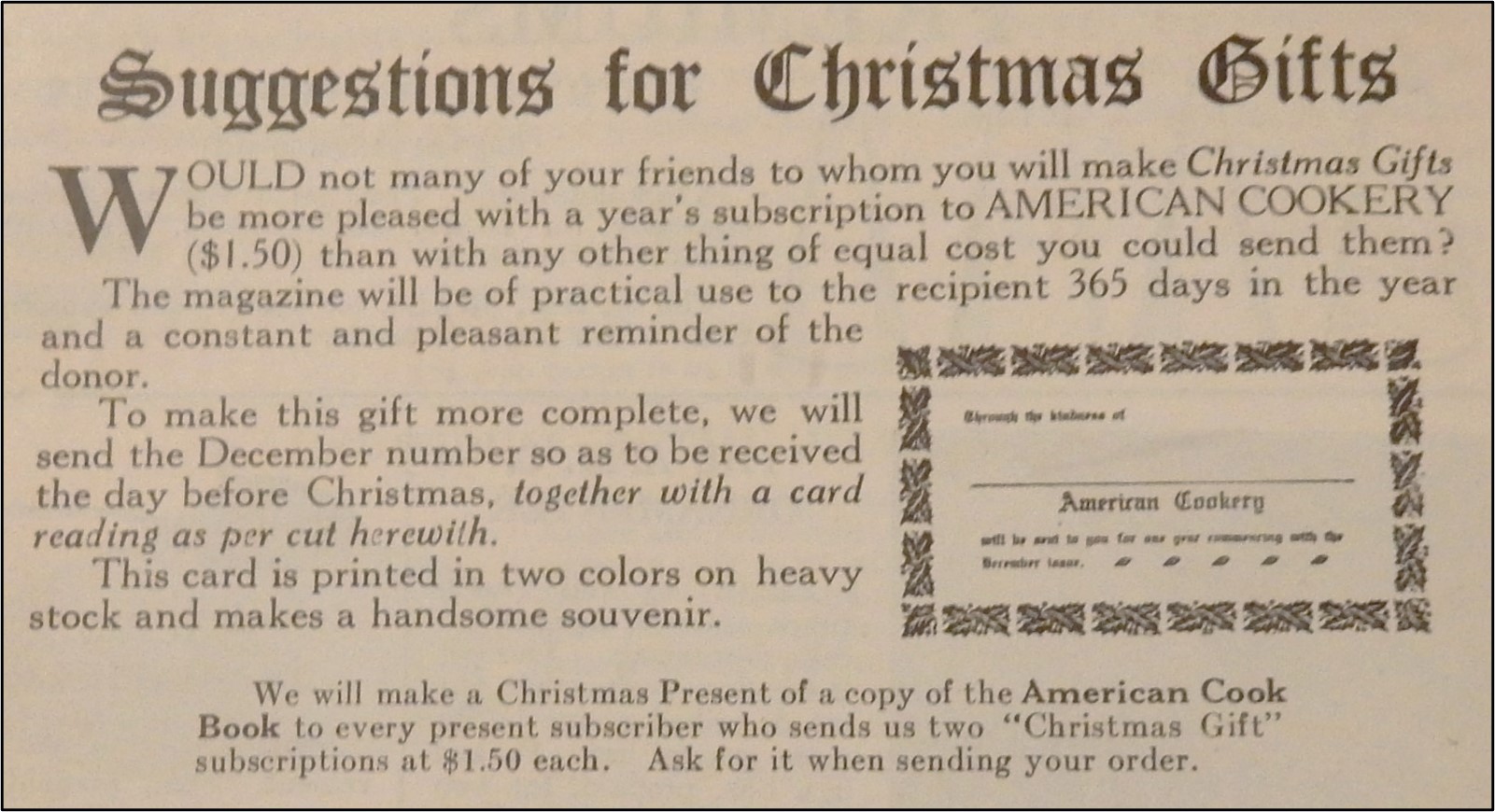
Still look for Christmas gift ideas? Well . . . one idea in the December, 1922 issue of American Cookery was to give subscriptions to the magazine. And, the price was right at only $1.50 for a one-year subscription.

Still look for Christmas gift ideas? Well . . . one idea in the December, 1922 issue of American Cookery was to give subscriptions to the magazine. And, the price was right at only $1.50 for a one-year subscription.
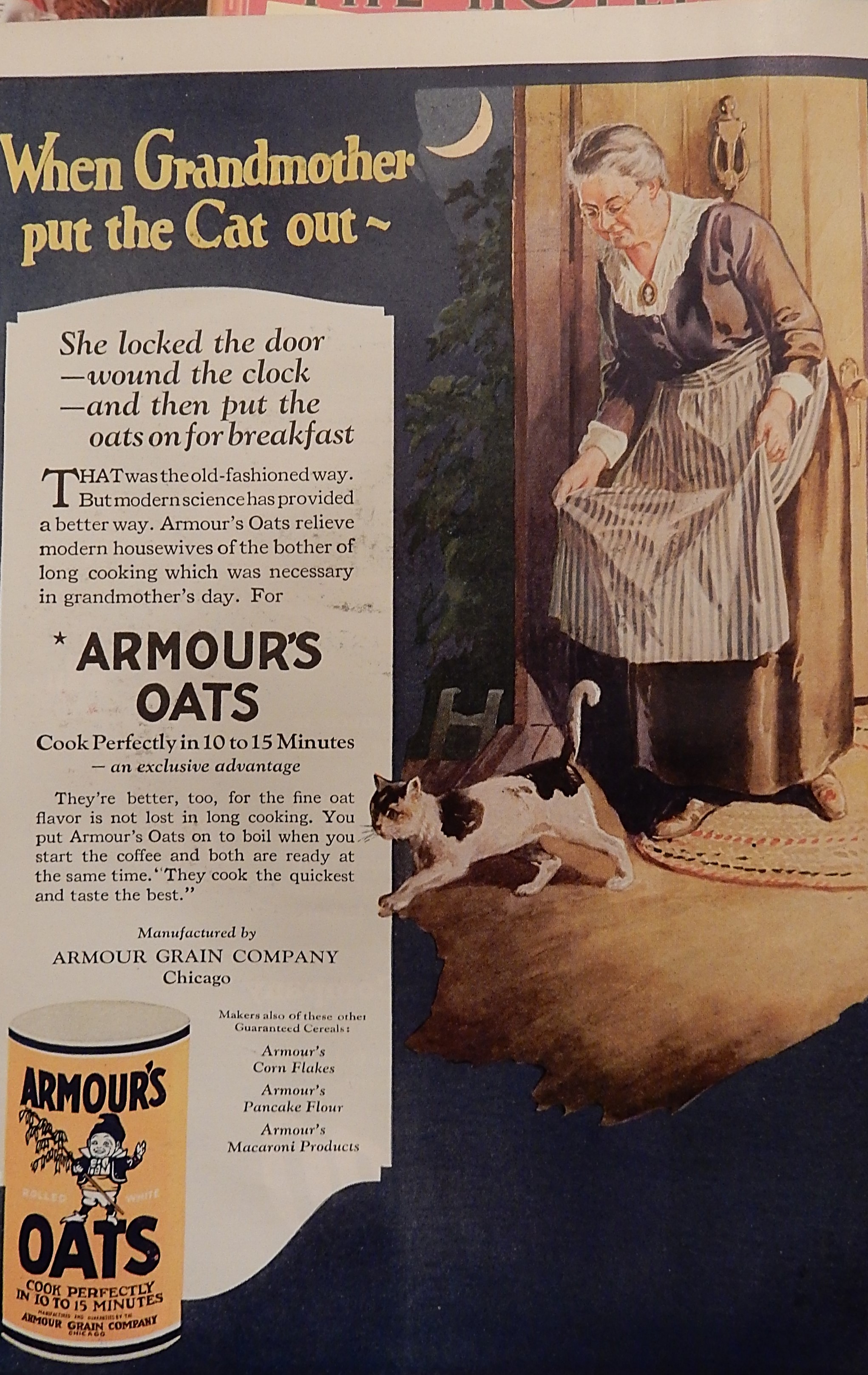
I think that Amour’s Oats are long gone, but I still enjoyed this advertisement so decided to share it with you.
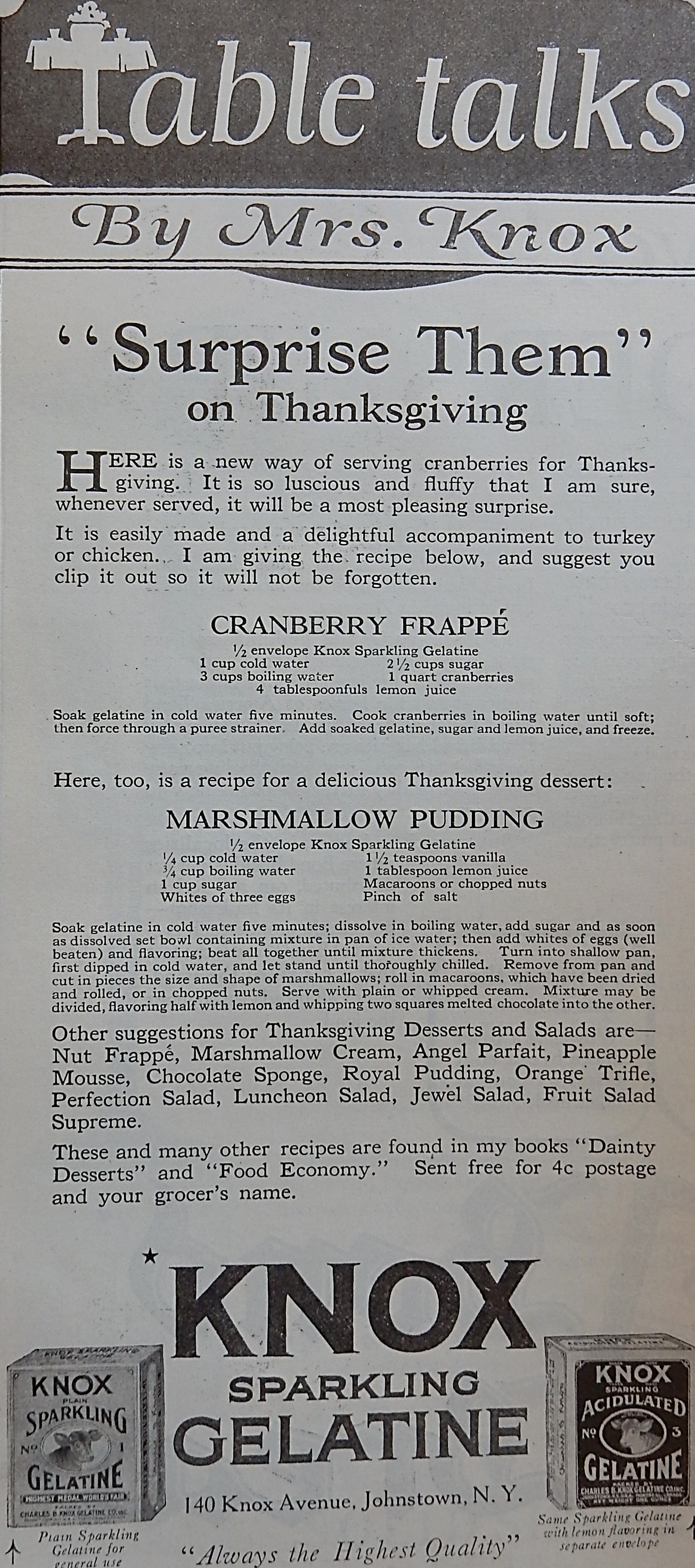
Do you serve the traditional Thanksgiving foods that family and friends expect? . . . or do you “surprise them” with innovative, creative dishes? Even a hundred-year-ago people must have sometimes tired of the traditional Thanksgiving food, and enjoyed serving new dishes.
HAPPY THANKSGIVING!
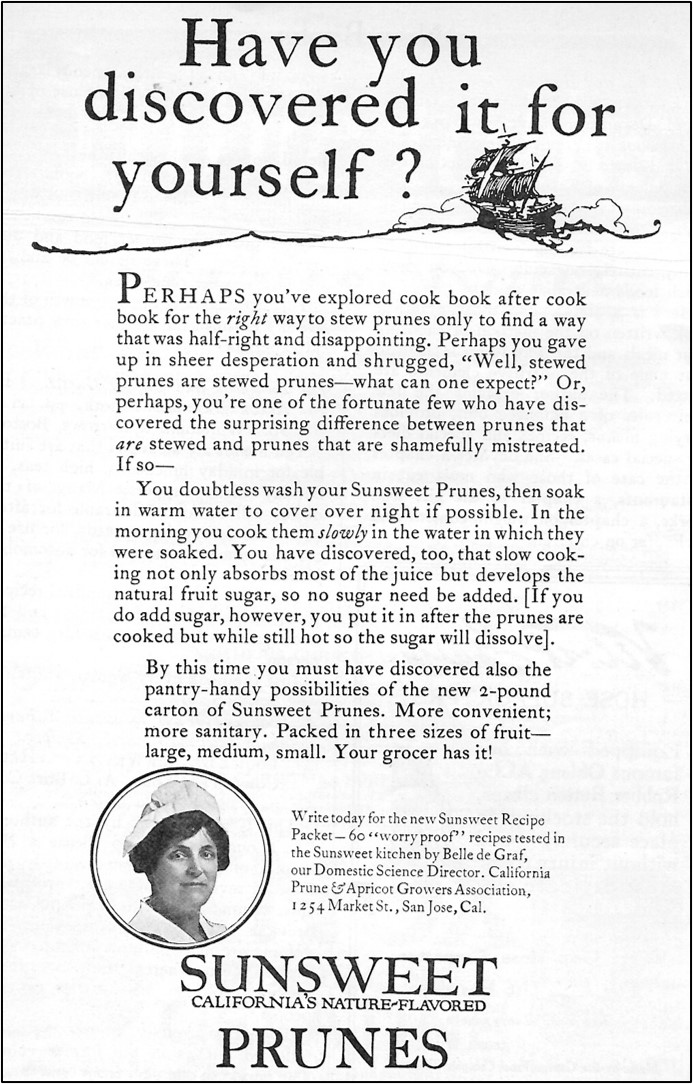
Sunsweet Prunes have been around for at least a hundred years. I’m always surprised when I see hundred-year-old advertisements for brands that still exist.
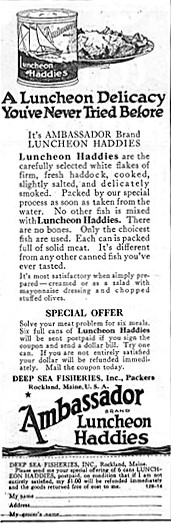
Some hundred-year-old advertisements are for foods that apparently haven’t stood the test of time. This ad for Ambassador Luncheon Haddies is for canned haddock. I’ve never seen canned haddock at the store – though maybe it was similar to canned tuna.

Ghirardelli’s Chocolate has apparently been around for more than a hundred years.

I love this 1922 advertisement. I want my kitchen work to be a pleasure. Maybe I need to buy some new kitchen cabinets (and, while I’m at it, maybe I should throw in a new linoleum floor).
