Groceries are so expensive, and it’s often difficult to figure out which sizes and varieties of fruits and vegetables and other produce are least expensive. For example, if large oranges cost $1.75 per pound and a 3-pound bag of small oranges costs $5.99, I can easily figure out which has a lower cost for 3 pounds. But, it’s much harder to figure out which has more waste, and which ultimately is less expensive. Will there be more waste with small oranges than large ones? Which has a thicker skin? How will the serving size differ? Will I eat one orange at lunch regardless of its size, or might I eat two small ones (but only one large one)? If I want to juice the oranges, are the small ones or the large ones juicer?
People have grappled with these types of questions for at least a hundred years. Here’s what it said in a 1926 magazine article:
How much do you pay for the food you eat? Not for the food you buy, but for the food you actually eat. You are, of course aware that many foods as purchased, have more or less waste material that is discarded when food is prepared in the kitchen or when served at the table. In either case, this wasted material finds its way to the garbage can and contributes no food value to the daily meals. It follows, then, that the market price of any food having wasted material does not represent the actual cost of the food to us. . . .
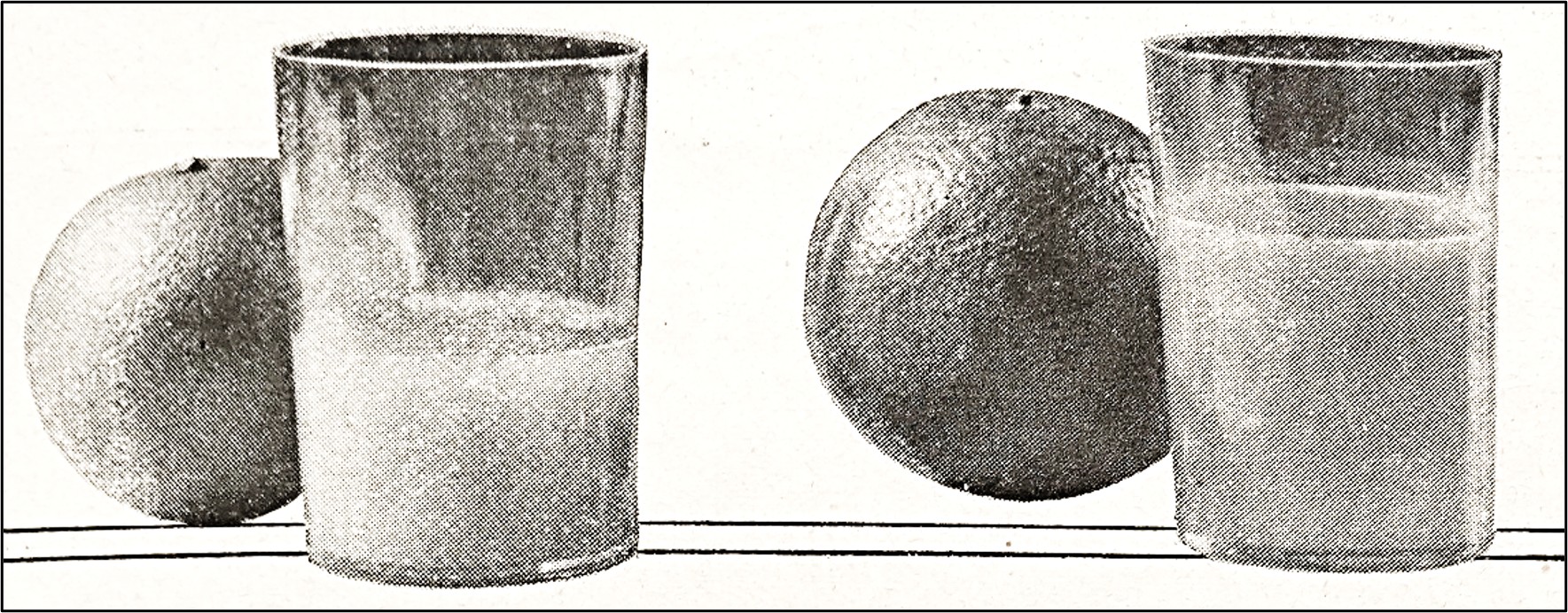
We find that the waste portion of any one fruit or vegetable may vary widely according to size and other factors. . . . [Large oranges] had a large percentage of juice, but the price was high for the quality of juice. We found this order to vary somewhat according to the price of the oranges in other stores. You may also find variation with the prices of oranges in your market. Therefore, if you buy oranges of different sizes and observe the quantity of juice from these various sizes, you may find a particular size most economical for you. . .
We found that small potatoes have a greater percentage of waste than large ones and take half as long again to pare. Cooking the small potatoes in the skin, of course, shortened their time in preparation. . . .
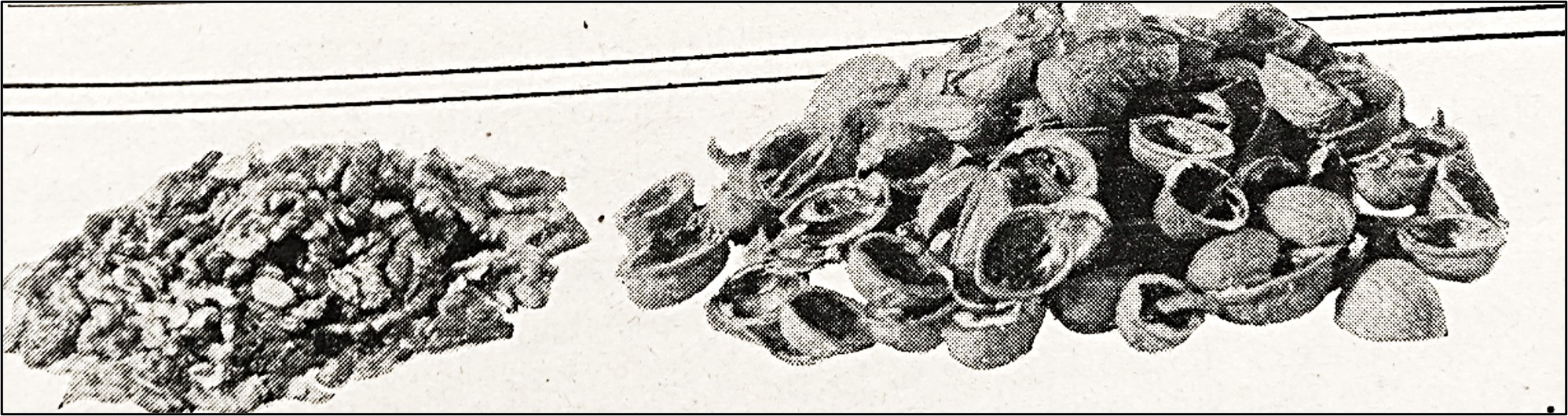
We found shelled walnuts actually cheaper than those bought in the shell, but in the case of all other nuts, the shelled were more expensive, not taking into account, of course the time it takes to shell the nuts.
Dishes made using condensed canned soups are stereotypical of mid-20th century cuisine. However, there were recipes that called for canned soups long before that. According to Wikipedia, condensed canned soups were first introduced in 1897. And, recipe authors began listing them as an ingredient in the early 20th century. I recently came across a 1926 recipe for Pork Chops with Tomato Sauce that called for condensed tomato soup.
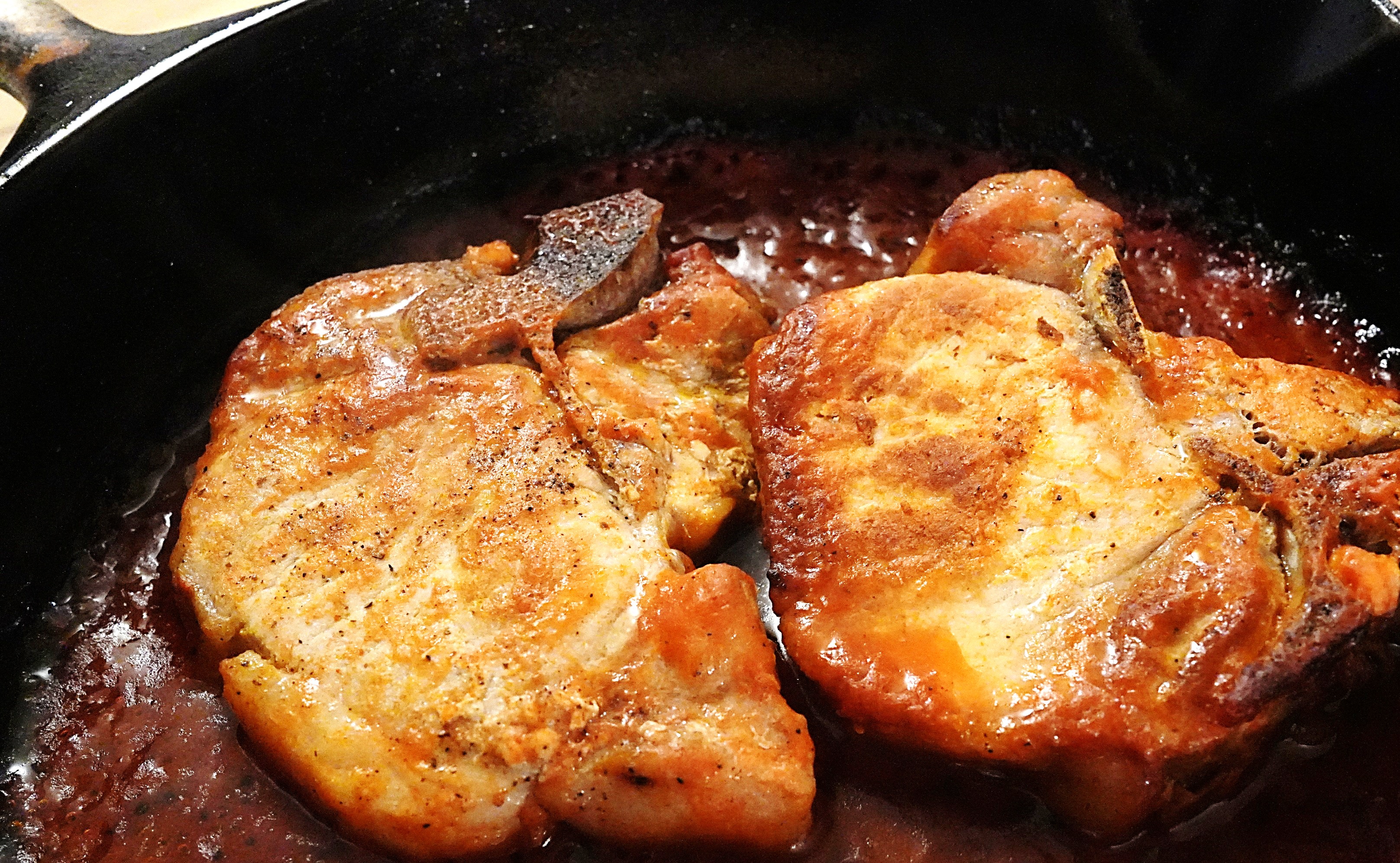
The Pork Chops with Tomato Sauce were easy to make, made a lovely presentation, and were very tasty. The pork chops were seared on the top of the stove, and then slowly baked in the tomato soup.
I’m sure that I’ll make this recipe again. The pork chops were juicy and tender with a lovely, flavorful tomato sauce.
Here’s the original recipe:
Source: Westminster Cook Book 1926 (Cherokee, Iowa)
This recipe is very flexible. The original recipe called for 6 to 8 pork chops, but I only made two pork chops. My skillet was large so I used the entire can of condensed tomato soup, but I could have easily just used half of the can of soup, and reserved the remainder to make a serving of soup. Similarly, if desired, as indicated in the original recipe, up to 6 to 8 pork chops could be made using one can of soup.
I seared the pork chops on top of the stove before pouring the tomato soup over them. I then placed them in the oven. The old recipe does not explicitly indicate that the pork chops should be seared, but I decided to do it to help seal in the meat juices.
* If desired, more than two pork chops may be used, as long as they comfortably fit in the skillet. If additional pork chops are added, or if a large skillet is used, use the entire can of soup.
Step 1. Preheat oven to 350° F.
Step 2. Put the cooking oil in a cast iron skillet (or other heavy oven-proof skillet). On the top of the stove, heat the skillet using medium to medium-high heat. Put the pork chops in the pan and sear for 3 minutes; flip and sear the other side for 3 minutes.
Step 3. Remove from heat and spoon the condensed soup over the pork chops; spread the soup to thickly cover the pork chops. Extra soup should be spooned into the pan.
Step 4. Dot the smothered pork chops with small pieces of butter, then sprinkle with salt and pepper.
Step 5. Cover skillet (the skillet may be covered with aluminum foil if there is no lid) and place in oven. Bake for 1-2 hours depending on the thickness of the pork chops. (Check pork chops after an hour to make sure that there is still sufficient liquid in the skillet.) (I baked medium thick pork chops for about 1 hour and 15 minutes.)