Having Fun (?) at School

16-year-old Helena Muffly wrote exactly 100 years ago today: 

Friday, February 2, 1912:  I wonder if I am really mean or what is the matter with me. On seeing my chance to grab a boy’s necktie, I availed myself of the opportunity. The result was I was dispatched of my hair ribbon and this evening my cap. I was to give up the tie and then I could have my cap. I got mine first, and then gave back the tie.

Her middle-aged granddaughter’s comments 100 years later:

It’s amazing that guys wore neckties to school a hundred years ago. Styles sure have changed.

Sounds like Grandma was having fun. According to yesterday’s diary entry she was not going to go to the box social that was being held that evening.  It sounds like she figured out another way to get a boy’s attention.
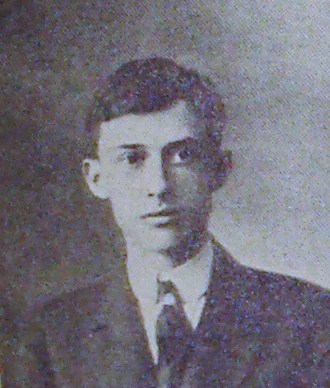
Raymond Swartz (1915 picture)

I wish that Grandma had mentioned the boy’s name in this entry. My grandfather (Raymond Swartz) and Grandma both graduated from McEwensville High School in 1913. The school was small—only 6 students graduated in the class of 1913—but so far I’ve found no mention of Raymond in the diary.

Might this entry refer to Raymond? Somehow I think not—

Raymond was 3 1/2 years younger than Grandma—so when this entry was written he would have been 13 years-old and she would have been 16 (almost 17). He apparently skipped several grades and was a really young high school student.

They did not marry until Grandma was in her mid-twenties.

Getting Ready for a Box Social

16-year-old Helena Muffly wrote exactly 100 years ago today: 

Thursday, February 1, 1912:

This is the only month that e’er can change

The only month that adds another day.

Though life is short and time is fleeting,

Should we not strive to glorify the way.

I had some small hopes to attend a box social tomorrow evening, but they have all fallen through this evening. Rachel and Al were down this evening. Ruth was busy making candy for her box. Her first attempt was a failure. She had the misfortune to burn it like fury. Of course it was worthless, anyway it appeased my curiosity and see how it tasted, I was so dumb as to stick my fingers in it, when it was the next thing to being red-hot. The result proved very disastrous. I am now the owner of a big blister on my finger.

Photo source: Wikipedia

Her middle-aged granddaughter’s comments 100 years later:

Wow, they really had box socials a hundred years ago in rural Pennsylvania. When I think of box socials, I always think of the play Oklahoma where the climactic scene takes place at one.

Grandma’s sister Ruth would have filled her box with food for two.  At the box social the men would then bid on the boxes in hopes of getting to share the meal with the woman who made it.

This entry raises lots of questions–Why did Grandma decide not to go? Was Ruth really popular? . .. .  Will her box be bid way up by several men competing to get it?

Poor Grandma—first she wasn’t going to the box social; then she burned her finger.

Rachel and Al (Alvin) Oakes lived on a farm near the Muffly’s. Rachel was a friend of Grandma and Ruth. Al  was her brother.

The first diary entry each month begins with a poem. For more about the poems click here.

One-Hundred-Year Advice on How to Avoid Overeating

16-year-old Helena Muffly wrote exactly 100 years ago today: 

Wednesday, January 31, 1912:  Nothing much for today. I am lagging in Algebra. I won’t make ninety this month. That’s positive. I received my pictures today. I was rather astonished at the immensity of the girl thereon.

Farewell for January.

Her middle-aged granddaughter’s comments 100 years later:

Grandma and her sister Ruth got their pictures taken when they went to Milton on January 20. At that time Grandma worried that she would look heavy–she must have gained weight over the holidays—and it seems like the photos confirmed her worst fears.

Grandma probably decided to go on a diet.

A hundred years ago people believed that the key to losing weight was to chew (fletcherize) their food more thoroughly so that they would feel full while eating less.

Here’s some more hundred year old advice on how to avoid overeating:

It is not that the average woman eats too much, but that she does not eat the right kind of things.  . . She eats too many sweets, in the form of pastry, cake, or candy.

The chief factors leading to overeating are the uses of wines and condiments at dinner and elaborate course dinners. The first two overstimulate the appetite, and the great variety offered by the latter tempt the appetite, and make it possible to eat more than one could if the bill of fare were more limited and simple.

Personal Hygiene and Physical Training for Women  (1911) by Anna Galbraith

Pennsyvlania Game Laws in the Early 1900’s

16-year-old Helena Muffly wrote exactly 100 years ago today: 

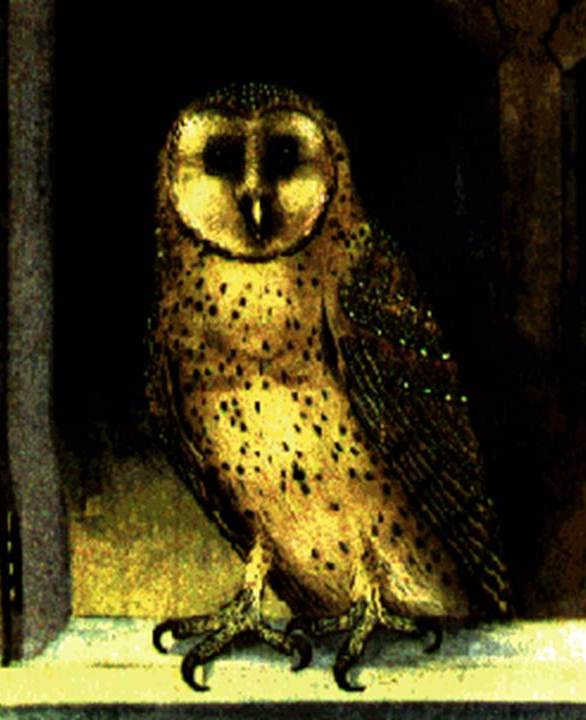
Tuesday, January 30, 1912:  Ran a splinter in my hand at noon and didn’t get it out until this evening. It went in almost straight. Jimmie pulled it out for me, although I didn’t think he could. Saw an owl this evening. Would like to have laid my hands on him and seen the result.

Source: Wikimedia Commons

Her middle-aged granddaughter’s comments 100 years later:

I’m amazed that Grandma’s six-year-old brother Jimmie was able to pull the splinter out.

My sense is that the population of many wild animals and birds has decreased over the years—though I’m really not sure.  This diary entry makes it sound as if it was unusual to see an owl a hundred years ago.

By the early 1900’s many people realized that it was important to protect wildlife.

According to The Old Tackle Box, the first non-resident hunting licenses in Pennsylvania were issued in 1901—though resident licenses were not issued until 1913.

However, bounties were still offered for some animals.

A 1908 book called The Compendium of Everyday Wants described the Pennsylvania Game Laws:

Hunting is prohibited on Sunday, and any one convicted of this offense is liable to a penalty consisting of a fine and imprisonment.

It is illegal to kill any song bird. It is unlawful to place on sale any song birds caught, except those generally sold, such as parrots, canary and other similar birds. Birds taken for scientific purposes are not included in this restriction, when the person capturing or killing them holds a certificate. These certificates are good for one year, under the law of Pennsylvania.

It is unlawful to kill deer, fawn, etc., for the purpose of selling them, in Pennsylvania.

For the benefit of agriculture and the protection of game, the legislatures in many States have passed laws whereby a certain amount of money is paid for killing wildcats, foxes, minks and any such dangerous animals. A bounty, that is a sum of money, is paid by the counties of the States for each one destroyed. In Pennsylvania, $2 is given for every wildcat, $1 for every red or grey fox, and 50 cents for every mink.

How to Make a Funnel From an Envelope

16-year-old Helena Muffly wrote exactly 100 years ago today:

Sunday, January 28, 1912: Went to Sunday School this afternoon. Worked several Algebra problems this evening though Ruth showed me how.

Her middle-aged granddaughter’s comments 100 years later:

The previous Thursday Grandma got a lecture from her teacher about cheating on tests, and she resolved to study harder. It sounds likes Grandma was really trying to understand her algebra problems.  She even asked her sister for help.

Since the diary entry is pretty self-explanatory, I’m going to go off on a tangent.

I love browsing through hundred-old-magazines. They often contain wonderfully old-fashioned (yet practical) household tips. For example,

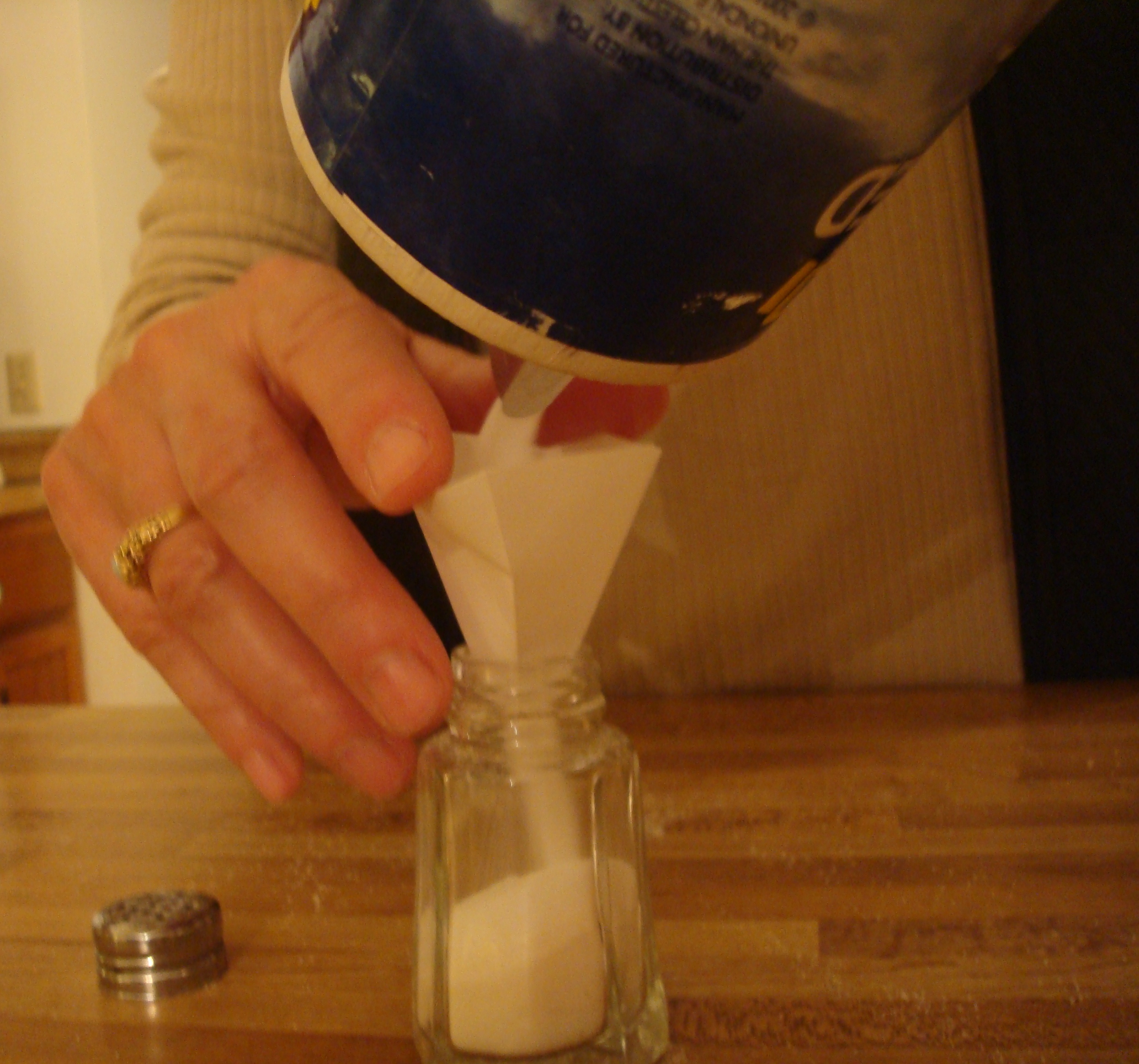
A temporary funnel is quickly made from an ordinary envelope. Clip a corner off, funnel-shaped. Then clip the point and your funnel is ready to use.

Good Housekeeping (September, 1911)

Fixing Clothes to Make Them More Stylish

16-year-old Helena Muffly wrote exactly 100 years ago today: 

Saturday, January 27, 1912: Saturday is a busy day if so you choose to make it. I was busy all day. Sewed nearly all afternoon. I didn’t make anything, but fixed some of my clothes the way I wanted them. And I’m not going to study any this evening—lessons or no lessons.

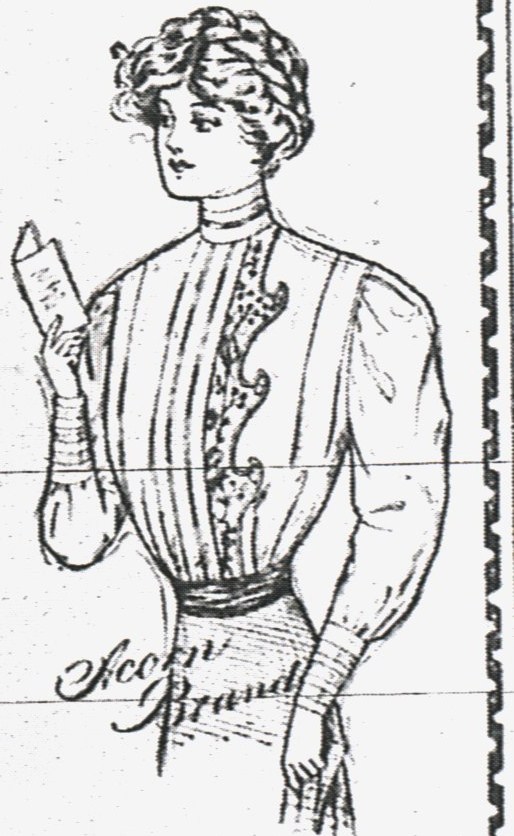
Waist (Source: Milton Evening Standard, Feb. 4, 1911)

Her middle-aged granddaughter’s comments 100 years later:

Today clothes have become almost throwaway items.  Styles seem to change ever more rapidly. The legs on my pants from last year are too wide; the skirts too long.

A hundred years ago people remodeled their clothes when styles changed. According to The Dressmaker (1911) by the Butterick Publishing Company:

In making over a waist it is sometimes necessary to use quite a little new material; but when chemisettes, yokes, and half-sleeves are in fashion it is an easy matter to supplement the old material with net, lace, chiffon, etc.

Sleeves and skirts frequently need to be recut. If piecing is necessary, see to it that the seams fall in places where they will not show or where they can be covered with trimming.

Remodeling a skirt is an easy matter if the new pattern is narrower than the old skirt. In that case it is only a question of recutting; but if the pattern calls for more material than you have in the skirt itself you will have to do some piecing.  Braided bands covering the skirt seams are an excellent way of increasing the width of a skirt.

Or you can raise the skirt at the waistline, refit it, and add to it at the bottom by a band or a fold. Or it may be pieced at the bottom and the line of piecing covered by wide braid, bias bands, etc.

Had a Little Fun–and Did a Little Studying

16-year-old Helena Muffly wrote exactly 100 years ago today: 

Friday, January 26, 1912:  Ruth and I went up to Oakes’ this evening. Wanted to stay at home and work my Algebra problems. Worked two after I came home. Ruth helped me with one. Must manage to the rest some other time.

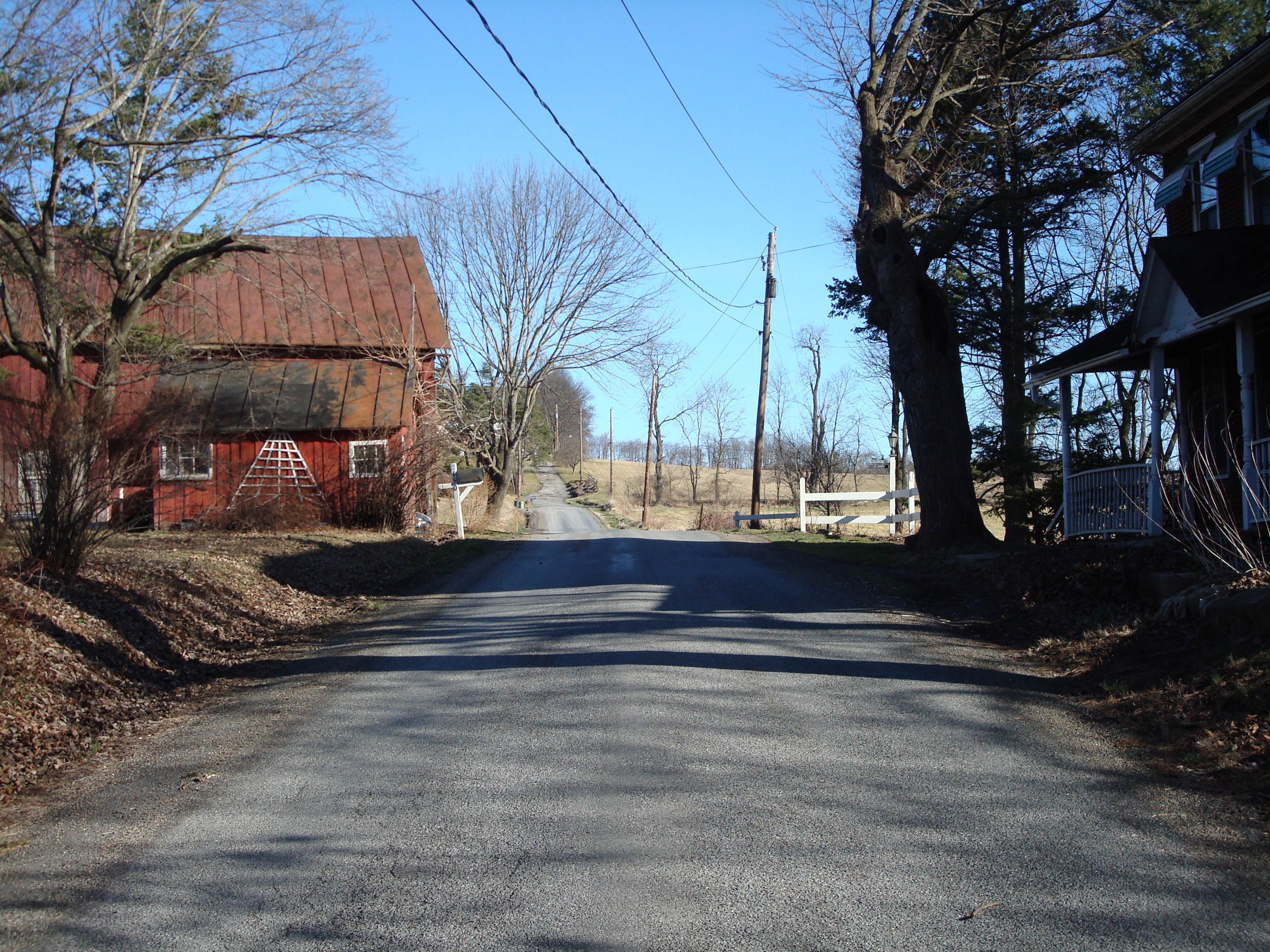
Grandma and Ruth would have walked down this road to get to Oakes.

Her middle-aged granddaughter’s comments 100 years later:

Grandma went to visit neighbors with her sister Ruth on a Friday night–though she also did  two algebra problems.

Hmm–has Grandma turned a new page?

In the diary entry that I posted yesterday Grandma wrote that she’d gotten a lecture from her teacher about cheating on tests. She said that she was going to:

. . . bid adieu to all ways of crookedness and get the things in my head instead of having them on paper.