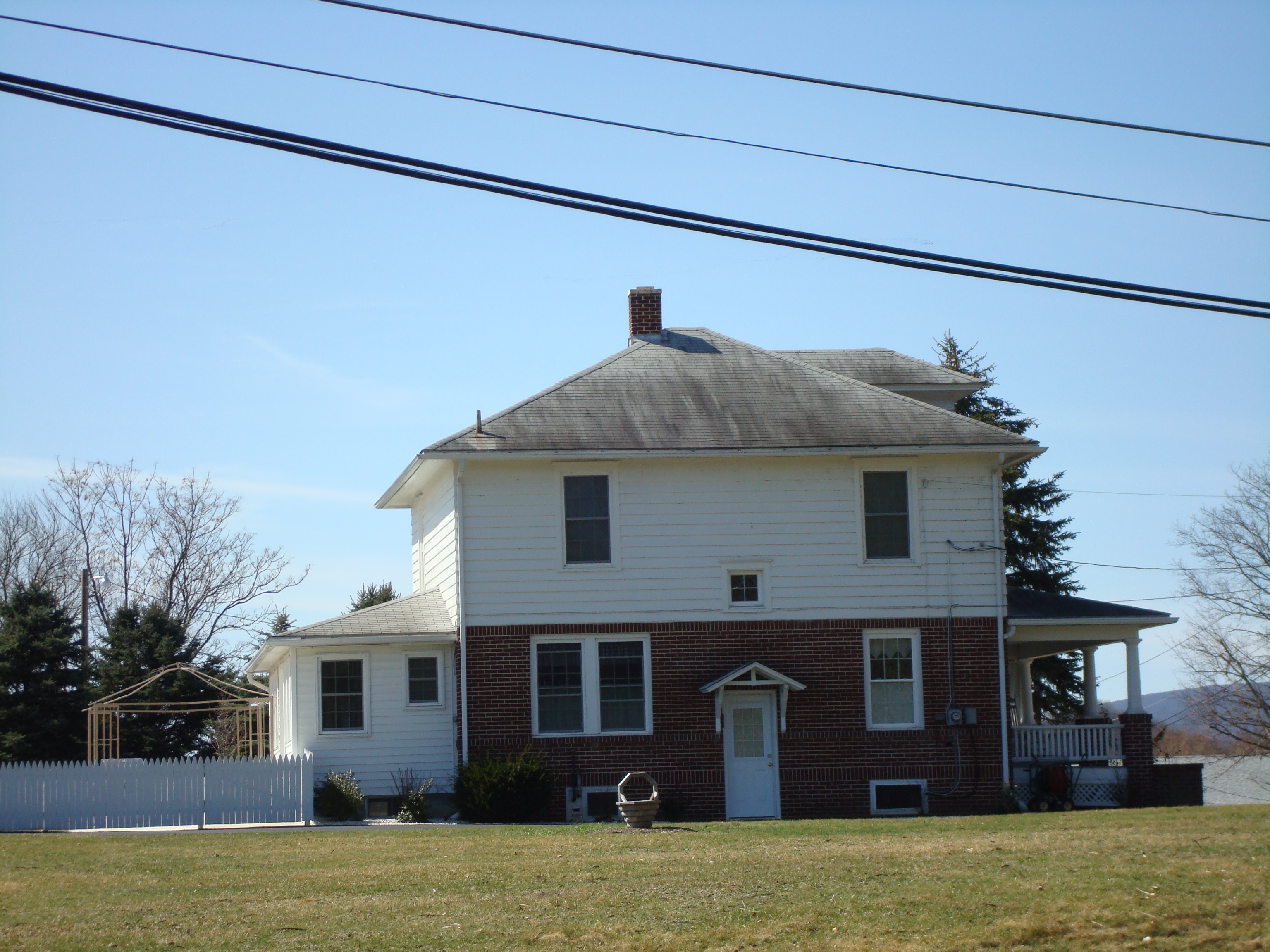
19-year-old Helena Muffly wrote exactly 100 years ago today:
Friday, May 29, 1914: Just like some other days.
Her middle-aged granddaughter’s comments 100 years later:
Since Grandma didn’t write much a hundred years ago today, I’m going to go off on a tangent.
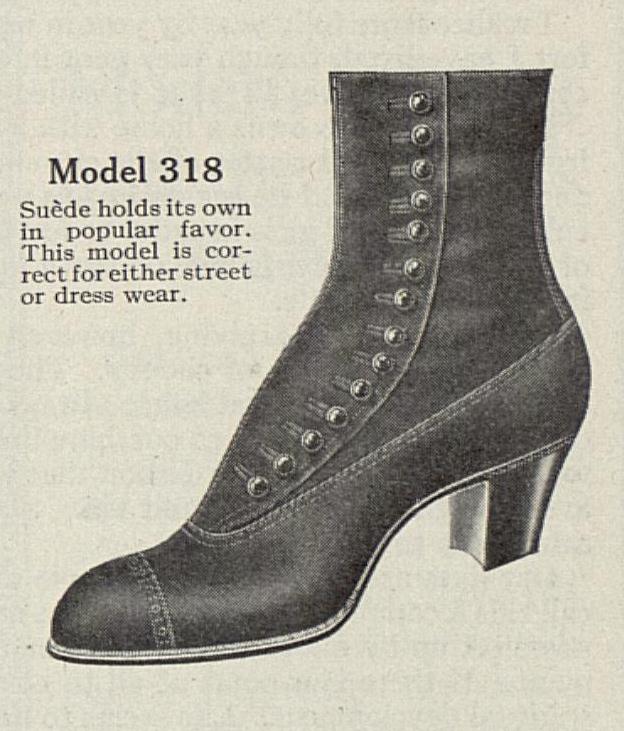
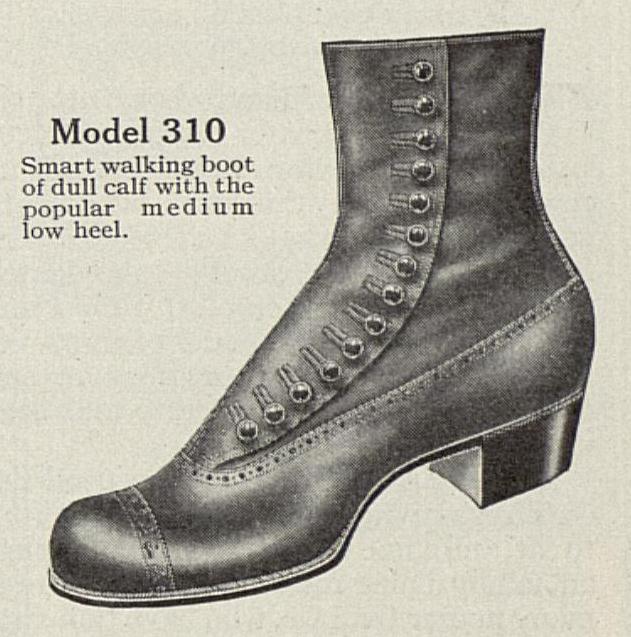
My feet hurt! A few days ago I wore some new shoes—and ended up with terrible blisters. This hundred-old-information about how to select shoes resonated with me—and gave me clues about what was wrong with my shoes. (I think they are too wide and my foot is slipping forward.)
The Shoe
The style of the shoe is very closely related to the corset in the amount of harm it is capable of doing. The compression of the foot interferes with the circulation, compresses the nerves, weakens muscles and ligaments which should support the arch, and is the prolific source of corns, bunions, weak ankles, and “flat” foot.
The front part of the sole must be so designed that the great toe will retain its normal position. In many shoes the great toe is forced out of its natural position toward the middle of the sole instead of pointing straight forward. This leads to a malformation of the foot and ingrowing toe-nails.
The front part of the upper leather must be broad enough for the free movement of all the toes in walking; when it does not give room enough for the toes to spread outward and forward in walking they are bent on themselves. This makes the descent of hills and all active exercise and games very painful. Tight leather uppers are also productive of corns.
The shoe should be slightly longer than the foot, and sufficiently broad for the foot to spread in walking; but, at the same time, the shoe must fit snugly about the heal and instep, or else the foot will slip forward in walking, and all the evil effects of too short a shoe will result.
The heel must be broad and low. High heels force the foot to keep perpetually and unnaturally on the stretch; if they are worn in early youth, they may bring about permanent deformity of the skeleton and the foot.
Moreover, the high heel interferes with the natural walk, in which the pressure of the foot on the ground passes from the heel to the toes. The high heel requires that the front of the foot should be set down first instead of the heel. The result is an awkward tripping gait and a short step, which is very fatiguing,
Personal Hygiene and Physical Training for Women (1911) by Anna M. Galbraith