Walk! Don’t Cultivate the Street Car Habit

17-year-old Helena Muffly wrote exactly 100 years ago today: 

Friday, August 23, 1912:  Didn’t do so very much today and didn’t go any place either.

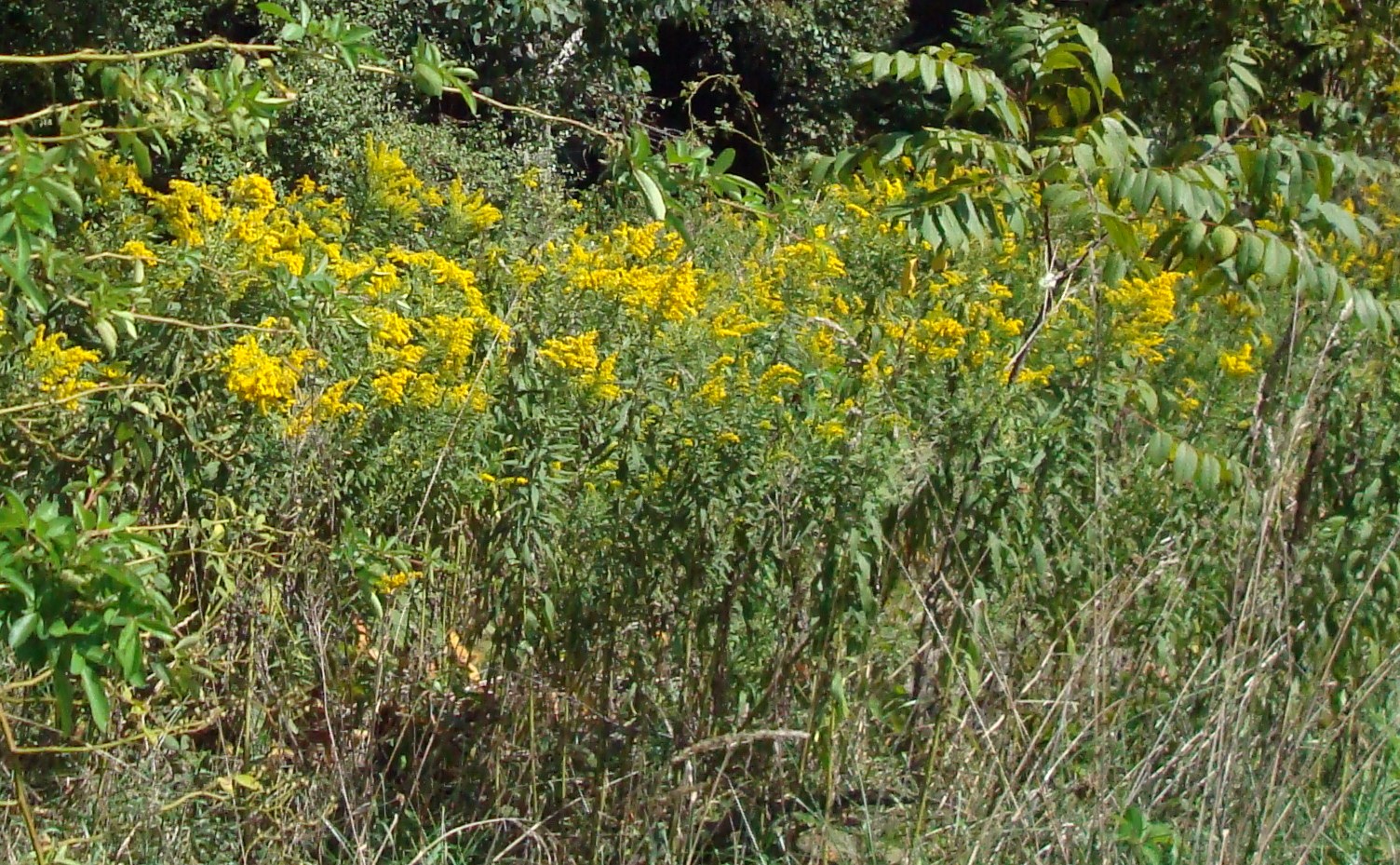
Me walking down a road in McEwenville.

Her middle-aged granddaughter’s comments 100 years later:

Sounds like a boring day. Maybe Grandma should have taken a walk. I know that I always feel better after a brisk walk—and she probably would have felt better, too.

Today we constantly hear in the media that we aren’t active enough. Amazingly there were similar concerns a hundred years ago:

Walking is one of the most healthful forms of exercise. It may seem unnecessary to devote much space to a subject that everyone thinks they know all about, but the fact is that, with trolley cars, automobiles, and horses, a great many persons have lost the ability to walk any distance.

It is very easy to cultivate the street car habit. An excellent rule to follow if you are going anywhere is this: If you have time, and the distance is not too great, walk.

In walking for pleasure, avoid a rambling, purposeless style. Decide where you are going and go.

Walk out in the country if possible and on roads where the automobiles will not endanger your life or blow clouds of dust in your face.

Never mind the weather. One rarely takes cold while in motion.

To walk comfortably you should wear loose clothing and old shoes.

Walking just for the sake of exercise can easily become a tiresome occupation, but the active mind can always see something of interest, such as wild flowers, gardens, and all the various sides of nature study in the country, and people, houses, and life in the city.

Outdoor Sports by Claude H. Miller (1911)

Watsontown Industries a Hundred Years Ago

17-year-old Helena Muffly wrote exactly 100 years ago today: 

Wednesday, August 21, 1912: Went to Watsontown this afternoon.

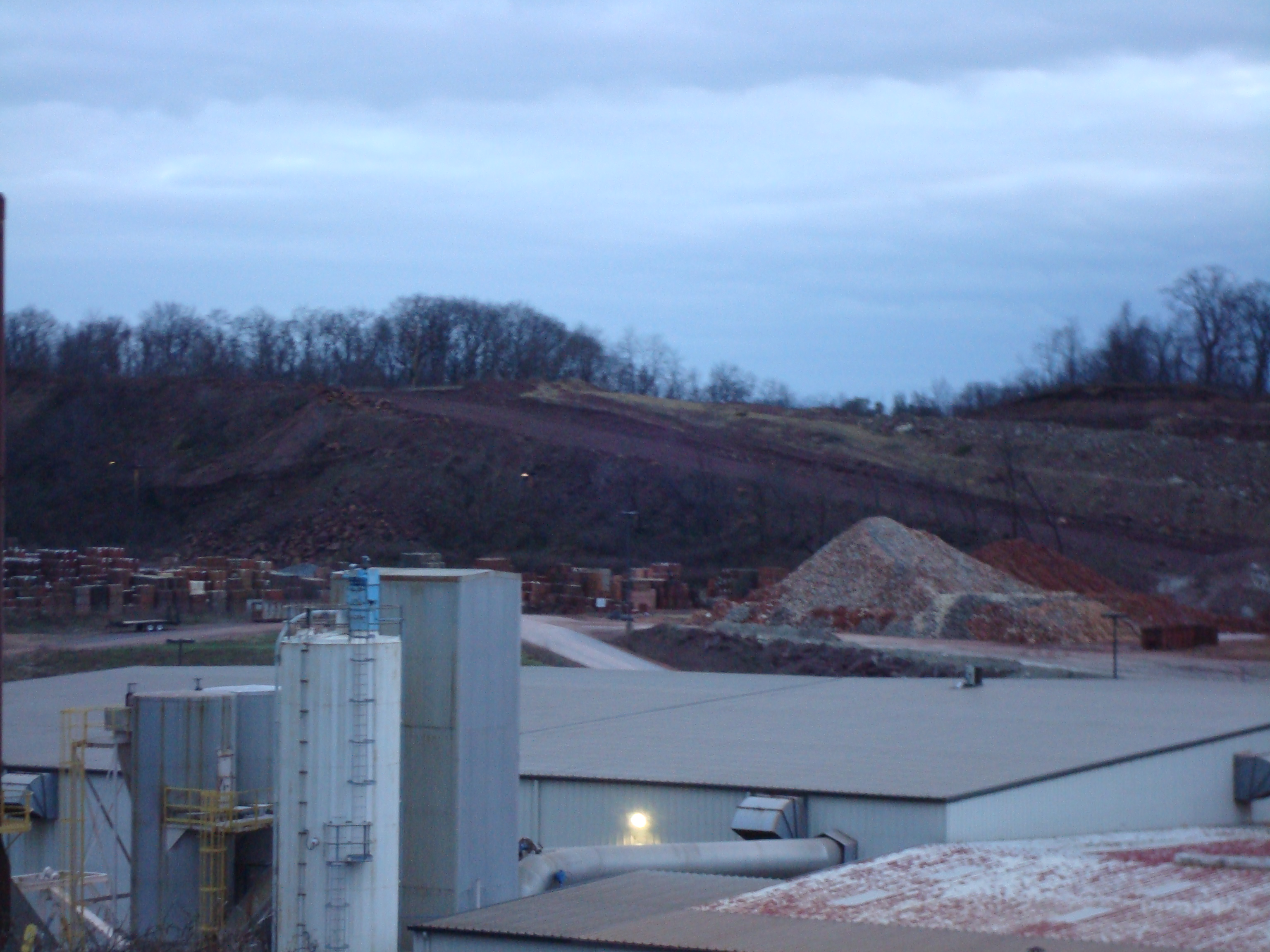
Site that once was the Watsontown Door and Sash Company (though the buildings are from a somewhat newer time period).

Her middle-aged granddaughter’s comments 100 years later:

Watsontown was about one and a half miles east of the Muffly farm. Why did Grandma go there?

Since school was going to start in a few days, maybe she went to Watsontown to shop for school supplies . . . or  maybe she went there to run an errand for her mother or father. . . or to . . .

I’ve previously shown you photos of downtown Watsontown, so today I’m going to show you some of the industries.

Watsontown was a small, but bustling industrial town at the time that Grandma was writing the diary. Over the last forty years or so, Watsontown has had lots of struggles as industries have moved abroad, but it currently seems to be on an upswing.

A hundred years ago the major industries were the Watsontown Door and Sash Company (later it was the Philco plant and now Moran Industries is located on the site), the Watsontown Boot and Shoe Company, and the Watsontown Steam Flour Mill.

Just outside of town were two brick Companies—Watsontown Brick and Keystone Brick (later Glen-Gery).

Bricks are still produced in Watsontown and sold nationally. The town is famous for its clay soils that make excellent bricks.

They Can Who Think They Can

17-year-old Helena Muffly wrote exactly 100 years ago today:

Tuesday, August 20, 1912: Oh I don’t know as it is worth the while to write anything about what I did today. It wasn’t very much anyway.

Her middle-aged granddaughter’s comments 100 years later:

Sounds like Grandma had a boring (but maybe somewhat frustrating) day. Did Grandma think positive thoughts on such days?

Here’s some a gem  that I found in a hundred-year-old magazine:

They Can Who Think They Can

Learn to look at the bright side, the good things in life. Do not let the shadow of discouragement and despondency fall on your path. Never doubt for a moment that everything is not for the best in the end. If you believe firmly in yourself you will be given the strength to do some day what may now seem to be impossible.

Don’t get frightened and give up in despair if you do not arrive as soon as you would like. All conquerors of the best kind are slow, but to him who works faithfully and in the right spirit will be given the reward in good time.

Hold up your head and look the world in the face. Hold your ground and march bravely forward over all obstacles and the world will make way for you.

National  Food Magazine (June, 1912)

How to Make a Hem

17-year-old Helena Muffly wrote exactly 100 years ago today: 

Monday, August 19, 1912:  Did quite a bit of sewing today. You see I’m getting some of my things out of the way for when school starts. It rained like everything this evening.

hem
Source: The Dressmaker (1911)

Her middle-aged granddaughter’s comments 100 years later:

What was Grandma sewing? Maybe she did some hemming—of a new dress, or to remodel a hand-me-down and make it just the right length.

Here are directions from a hundred-year-old book about how to make a hem. (An aside: I had so much fun with the recent buttonhole post that I decided to do another post using the same book).

A hem is a fold made by twice turning over the edge of the material (Fig. 16). Make a narrow, even turning, and mark the depth for the second turning on the material with a coarse pin, chalk or basting, using as a marker a card notched the desired depth of the hem. Fold on the line, and if the hem is wide, baste at top and bottom.

Hold the edges you are going to sew on, toward you; place the hem over the forefinger and under the middle finger and hold it down with the thumb. Begin at the right end and insert the needle through the fold, leaving a short end of the thread to be caught under the hemming stitches.

Pointing the needle toward the left shoulder, make a slanting stitch by taking up a few threads of the material and the fold of the hem. Fasten the thread by taking two or three stitches on top of each other.

If a new thread is needed, start as in the beginning, tucking both the end of the new and old thread under the fold of the hem and secure them with the hemming stitches. Train the eye to keep the stitches even and true.

The Dressmaker by The Butterick Publishing Co.  (1911)

These directions seem awfully complicated and the drawing doesn’t look exactly right–but then, I guess that I probably couldn’t easily explain exactly how to tunnel through the cloth and then take a small stitch every half-inch or so.

Help! I Can’t Decipher Two Words

17-year-old Helena Muffly wrote exactly 100 years ago today:

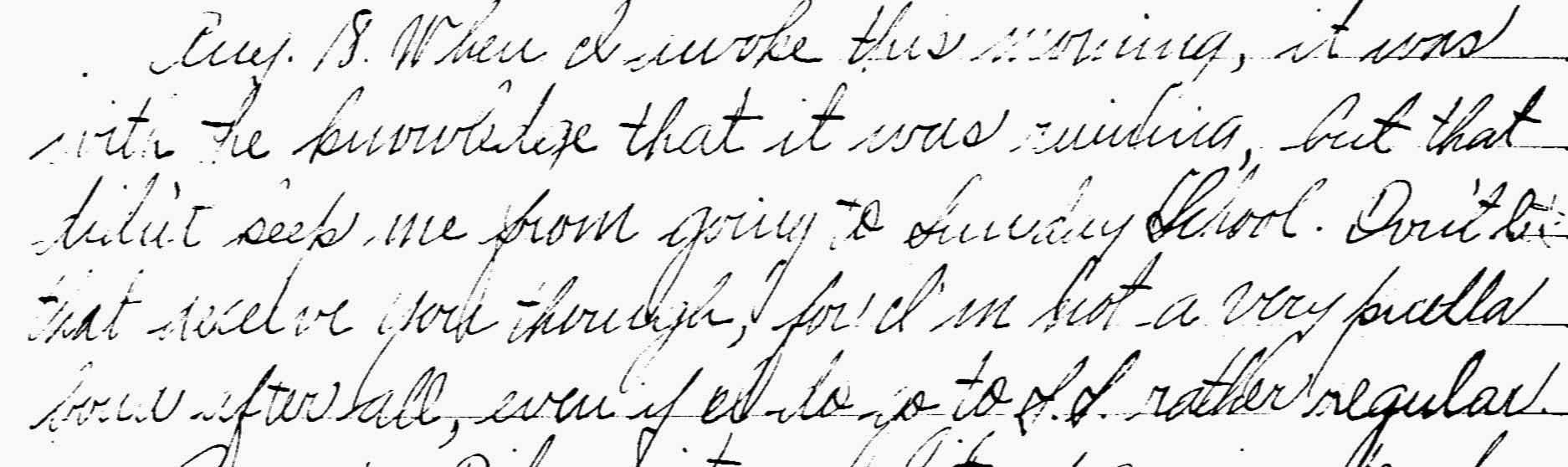
Sunday, August 18, 1912: When I woke this morning, it was with the knowledge that it was raining, but that didn’t keep me from going to Sunday School. Don’t let that deceive you though for I’m not a very _____  ____  after all, even if I do go to S.S. rather regular.

Diary entry for August 18, 1912. (Click on it to enlarge for easier reading.)

Her middle-aged granddaughter’s comments 100 years later:

This diary was found in Grandma’s house after she died in 1980. At that time, it was passed around to various relatives so that we would each have an opportunity to read it. When I had it, I made a copy before passing it on.

Sometimes the copy is really hard to read. I can’t decipher two words that Grandma wrote a hundred years ago today.

It looks like it says puatla  bona. But I can’t find those words in a dictionary, so  maybe I’m not reading it right.

Based on the context, I think Grandma was saying something about not being very religious, even though she regularly attended Sunday School.

But I’d feel more certain if I could read those two words.  Any ideas??

Trying to Red Up the House

17-year-old Helena Muffly wrote exactly 100 years ago today: 

Saturday, August 17, 1912:  We had to keep house today because Ma and Pa and the kid went to a reunion up at Muncy. Was working all morning a trying to get house red up somewhat.

Recent photo of the house that Grandma lived in when she was writing the diary.

Her middle-aged granddaughter’s comments 100 years later:

Grandma and her sister Ruth would have been home alone. The probably had to do both household and farm chores.

The kid refers to their 7-year-old brother, Jimmie

I think that “red up” is an old rural Pennsylvania (probably Pennsylvania Dutch) term that means tidy up.

When things are scattered around my house, I’ll say to my family, “We need to red up the house.”

Since my husband and I both grew up in central Pennsylvania he’d know exactly what I meant—though our children would roll their eyes.

Worked in the Field

17-year-old Helena Muffly wrote exactly 100 years ago today: 

Friday, August 16, 1912:  Was out in the field a while this forenoon. Didn’t fancy my job any too well. They had a lot of things to do today.

gathering potatoes
Early 20th century picture of harvesting potatoes. (The farm in the picture looks like it was much larger than the Muffly farm.) Photo source: Wikipedia.

Her middle-aged granddaughter’s comments 100 years later:

What was Grandma doing out in the field? . . . and why didn’t she like her job?

Maybe she was still leading horses that were pulling a roller over a recently plowed field.

. . . or maybe she was helping harvest the third cutting of hay.

. . . or maybe she was helping to dig and gather potatoes.

(I vote  that she was helping harvest potatoes. It would have been dirty, backbreaking wok. It those days families raised lots of potatoes—both for eating and for selling — so the Muffly’s probably had an entire field of potatoes. I’m guessing that potato harvesting was not very mechanized in 1912, and that a lot of labor was needed to turn the soil over,  sort through the dirt to find the potatoes, and then gather them .)