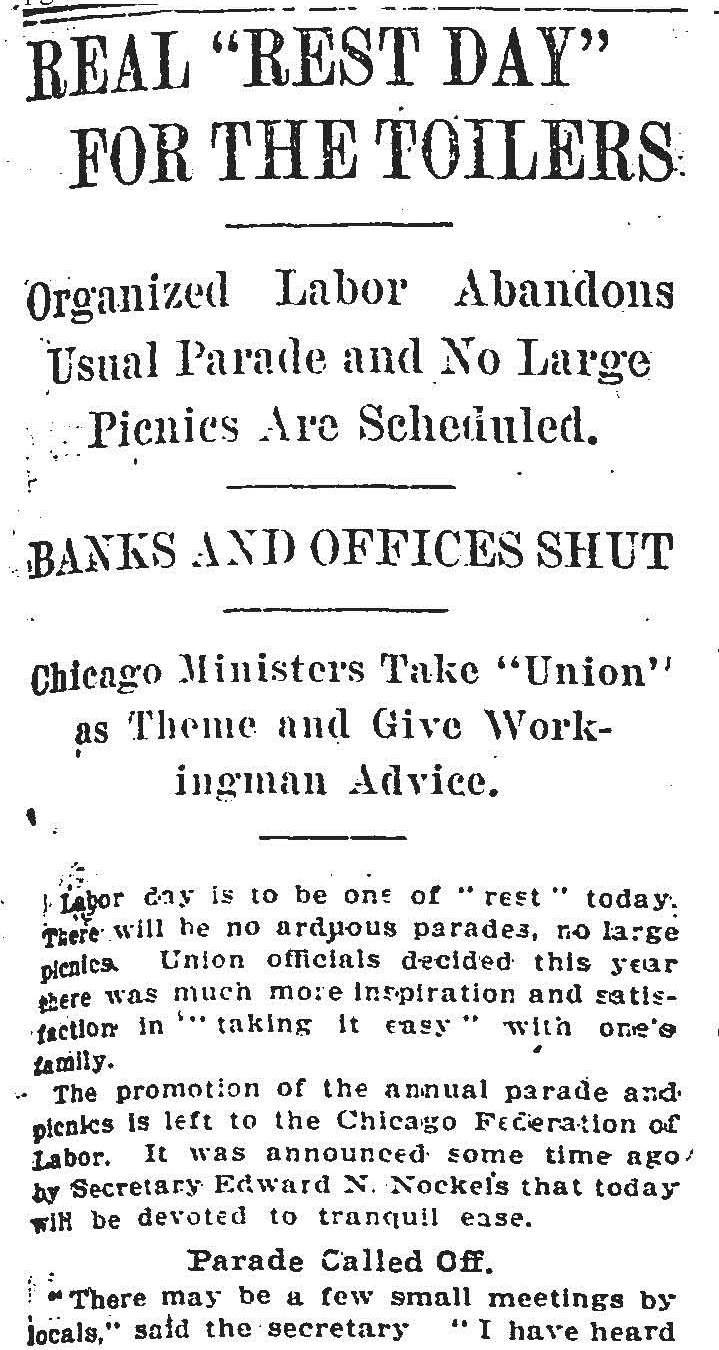
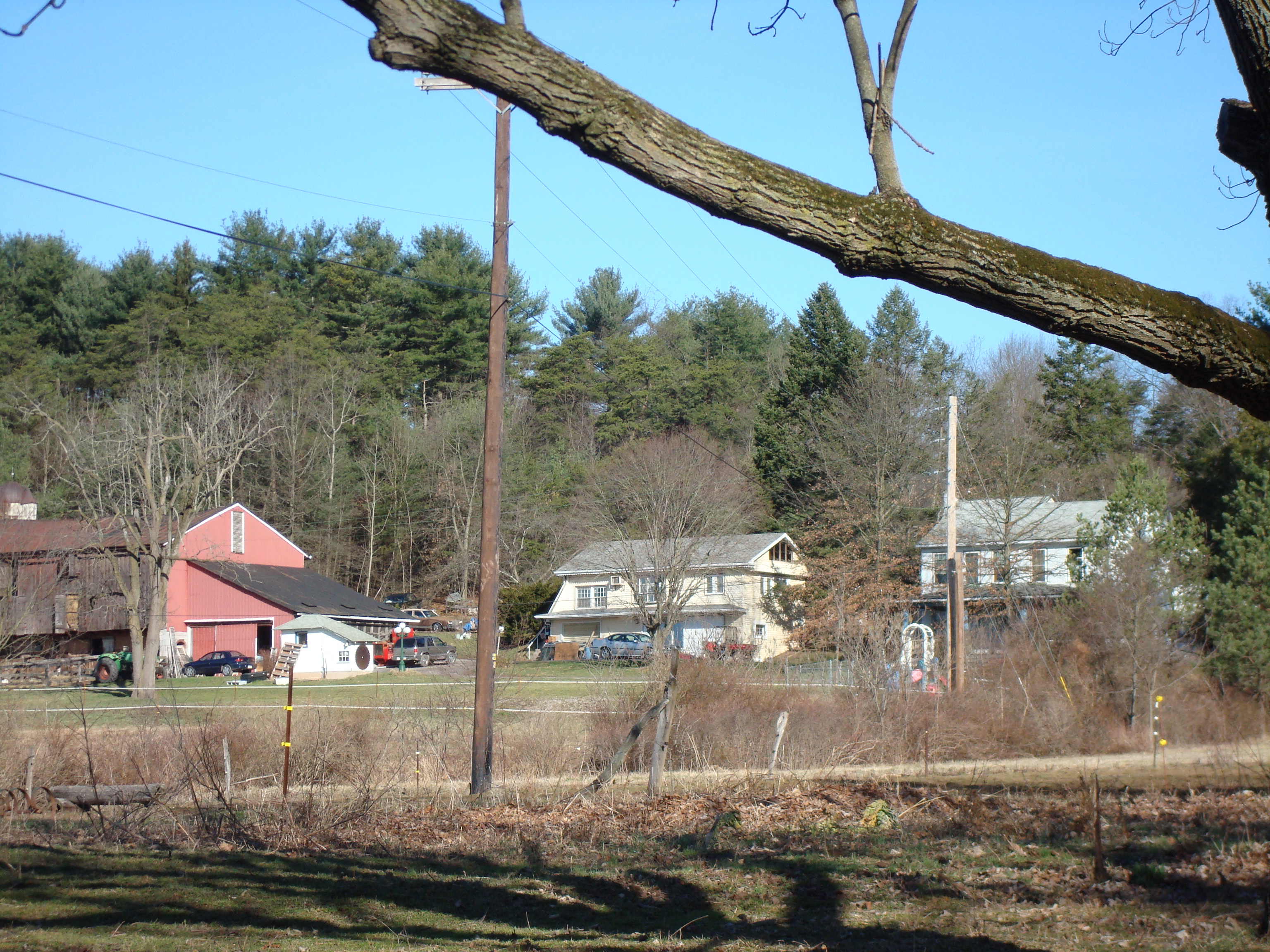
17-year-old Helena Muffly wrote exactly 100 years ago today:
Tuesday, September 3, 1912: Nothing doing today.

Her middle-aged granddaughter’s comments 100 years later:
Since nothing much happened in Grandma’s life a hundred years ago today, I’m going tell you a little about the 1912 presidential race.
(Somehow with the Republican convention last week and the Democratic one this week, this seems like an appropriate time to step back and take a look at the big picture.)
Lots of economic, social, and environmental issues dominated the campaign rhetoric in 1912:
- How much power should corporations have?
- Should tariffs be high or low?
- Was the government corrupt?
- Did political machines have too much power?
- How important were environmental issues?
- What role should government play in developing social welfare policies?
- Should woman have the right to vote?
- What role should Blacks have in the political process?
- Should children be allowed to work?
In 1912, William Taft was the current president, but there was a three-way race between Taft (Republican), Theodore Roosevelt (Bull Moose Party), and Woodrow Wilson (Democratic).

There had been a schism in the Republican Party between Taft and Roosevelt, which led to Roosevelt breaking away to form the Bull Moose Party.
Roosevelt had been president early in the 20th century. He was part of the progressive wing of the Republican party, but in 1908 he decided that he did not want to run for re-election and supported Taft as the Republican nominee.
However, by 1912 Roosevelt felt that Taft had not appropriately continued the progressive path he’d begun, and ran against him for the Republican nomination. When Roosevelt lost the nomination he founded the Bull Moose Party.
(Roosevelt said that he was as fit as a bull moose—and somehow it ended up being the party name.)
This split basically ensured that Woodrow Wilson would win.
Wilson was the governor of New Jersey when he received the Democratic nomination. He’d previously been president of Princeton University—but in 1910 ran for governor because he was frustrated by the infighting within the university over issues such where the graduate school building should be located, and whether or not there should be eating clubs on the campus.
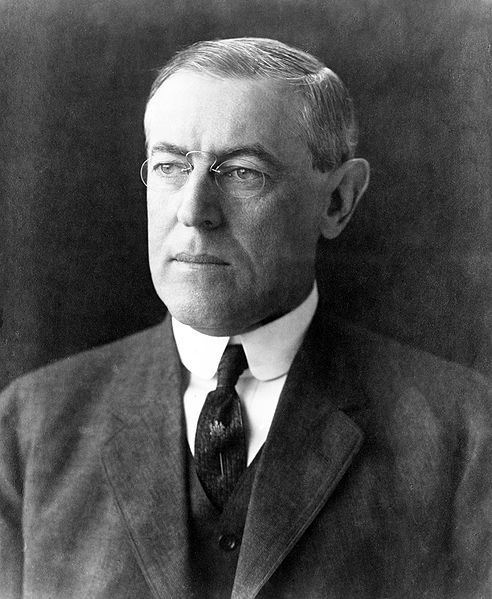
Wilson stayed out of the brawl between Taft and Roosevelt, and easily won the election.
Many of the campaign issues soon seemed less important. . .
. . . . in 1914, World War I would break out in Europe.
—-
How aware was Grandma of the national issues? Did she listen to any campaign speeches supporting one or another of the candidates? Did her father talk about who he planned to vote for? Did she hope that within a few years that she’d be able to vote?