Old-fashioned Sugar Taffy Recipe

16-year-old Helena Muffly wrote exactly 100 years ago today: 

Saturday, December 9, 1911:  Was exceedingly busy this forenoon. Rufus went to Milton this morning so you see I had all the odd jobs to put in something like order but how long it will stay that way can soon be estimated. Ruthie treated us to candy this evening.
Her middle-aged granddaughter’s comments 100 years later:

I wonder what kind of candy Grandma’s sister Ruth made. Taffy is a popular old-time candy.

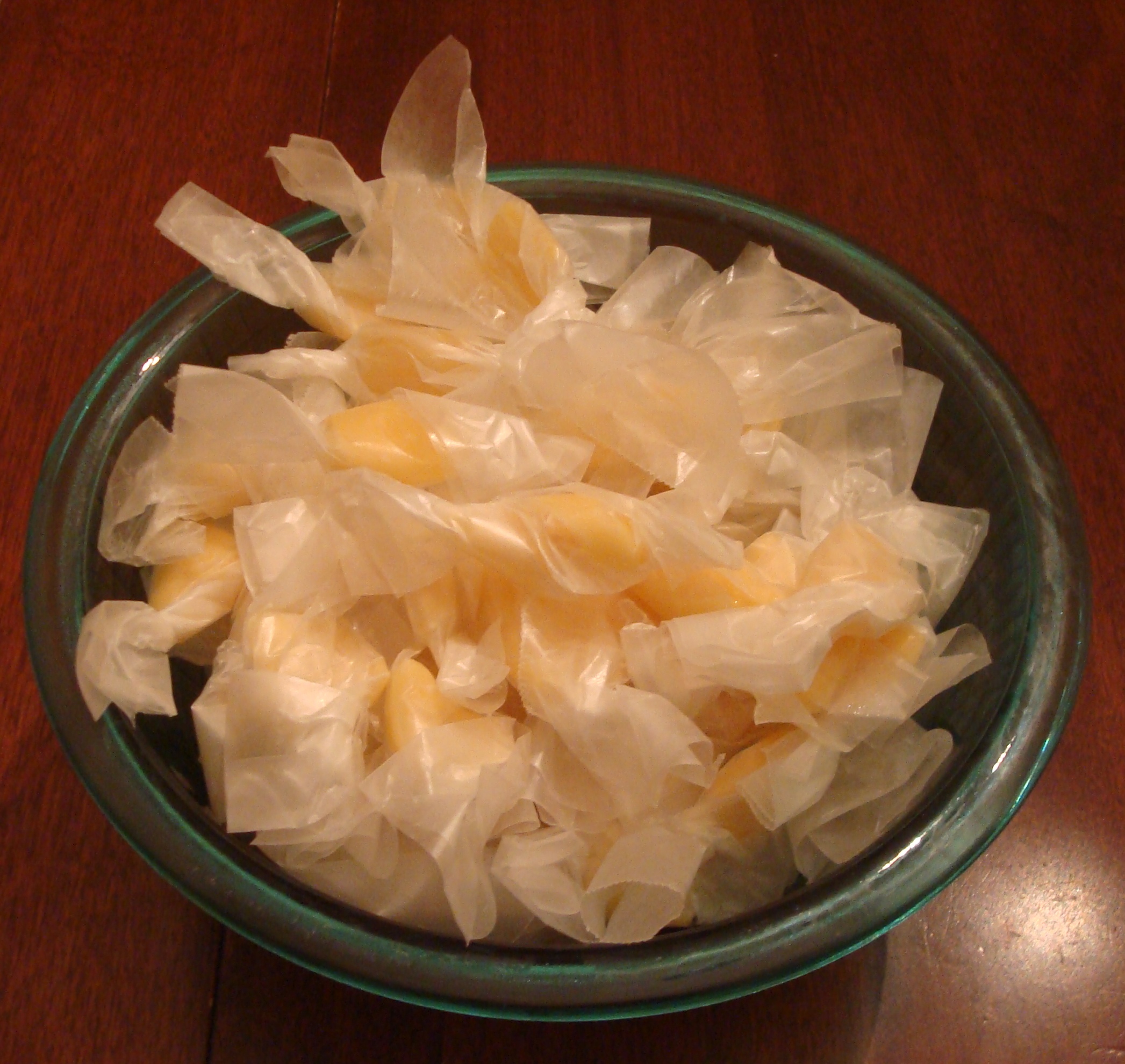
My daughter and I recently made some taffy using an old Pennsylvania recipe from the early 20th century.

This is an excellent taffy recipe—and I really like that it doesn’t use corn syrup.  The taffy was wonderfully creamy and smooth, and it has a nice flavor.  It was almost too good–our family ate the entire bowl of candy in one week-end. (I’m trying very hard not to think about the calories.)

Making taffy is a fun family activity. I bet the old-time taffy pulls at parties were a blast.

But be sure to leave enough time. It probably took us close to two hours from start to finish. Don’t try to rush the process—or you may burn it or end up with taffy that doesn’t have the right consistency.

Sugar Taffy

One pound [2 cups] white sugar, one cup water, on-half teaspoonful cream of tartar, one-half teaspoonful vanilla, butter size of a hickory nut. Boil until hard in water. When cool, pull.

Lycoming Valley Cook Book, Ladies of Trout Run M.E. Church  (1907)—1992 reprint of book

We combined all of the ingredients except the vanilla; and, assumed that butter the size of a hickory nut was about 1 tablespoon of butter.

We cooked over low heat, stirring until mixture began to boil, then we cooked, without stirring until the boiling mixture reached the hardboil stage.

And, we assumed that “boil until hard in water” meant to boil until the syrup reached the hardball stage.

The hardball stage is when a small amount of the syrup is dropped into cold water. If it can be gathered together to form a hard ball (though malleable when pressed), it is at the right stage—or just use a candy thermometer (255 – 265 degrees F).We removed from the heat and stirred in the vanilla. We divided the thick syrup into several parts and added additional flavoring (cinnamon oil, strawberry flavoring)  to some of it. (We didn’t do it, but you may also want to add some food coloring so that you’ll be able to tell which pieces of candy have which flavor.)
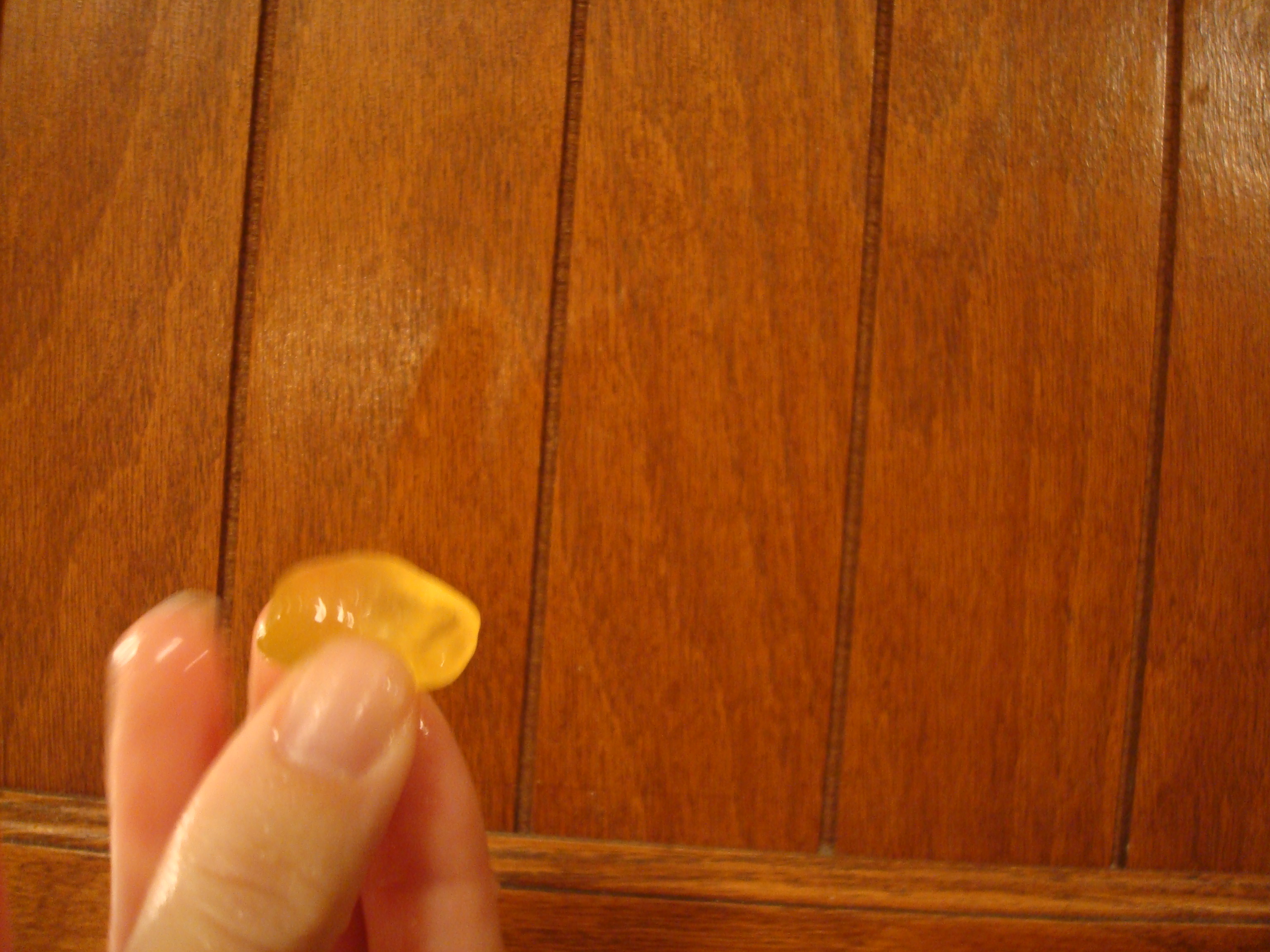
We put in buttered dish; then waited a few minutes until it was cool enough to handle.

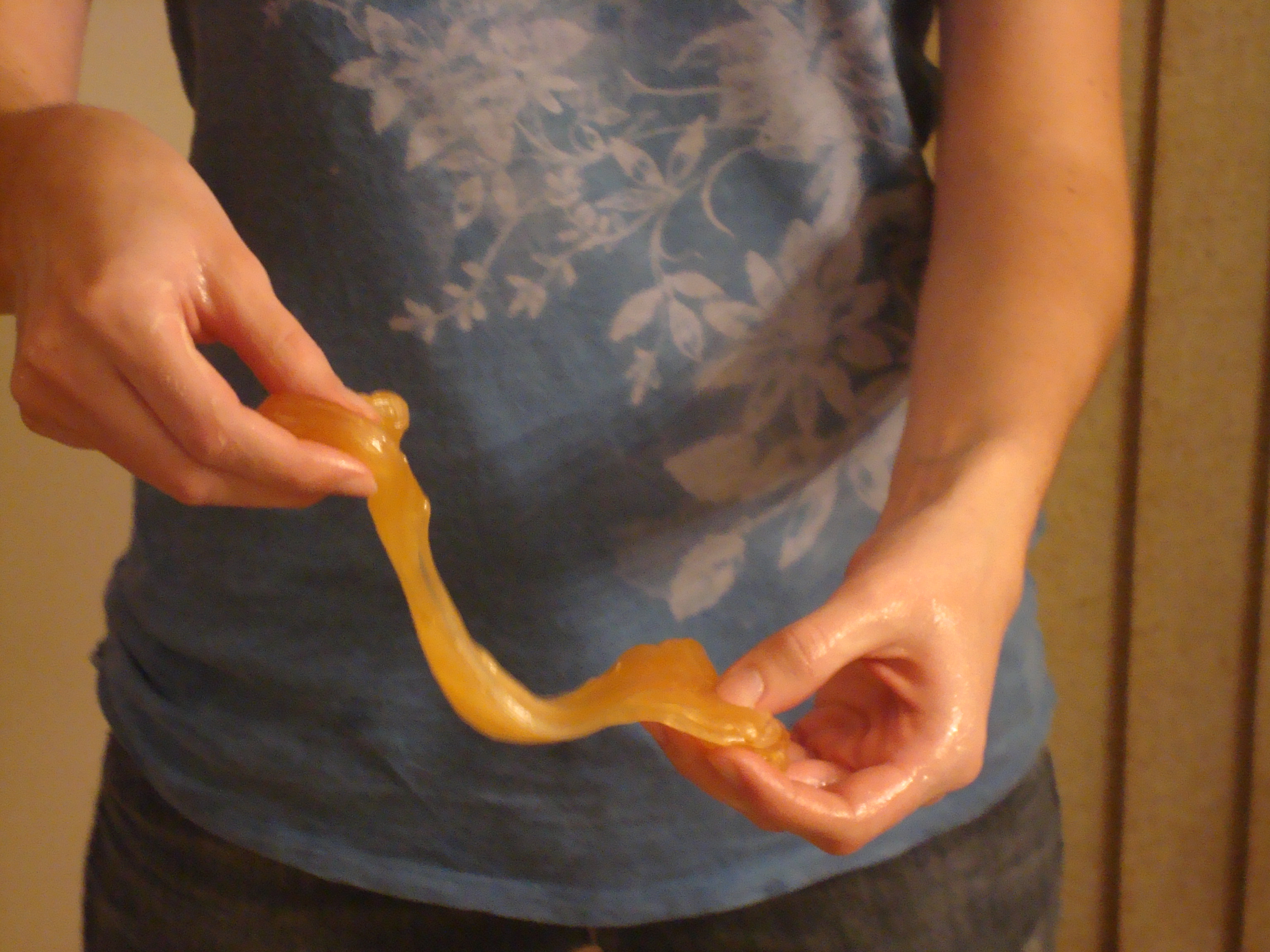
We then buttered our hands and pulled the candy until it became creamy and glossy (about 5 minutes). We formed ropes of candy on a piece of waxed paper; then cut with a knife that we periodically dipped in hot water.
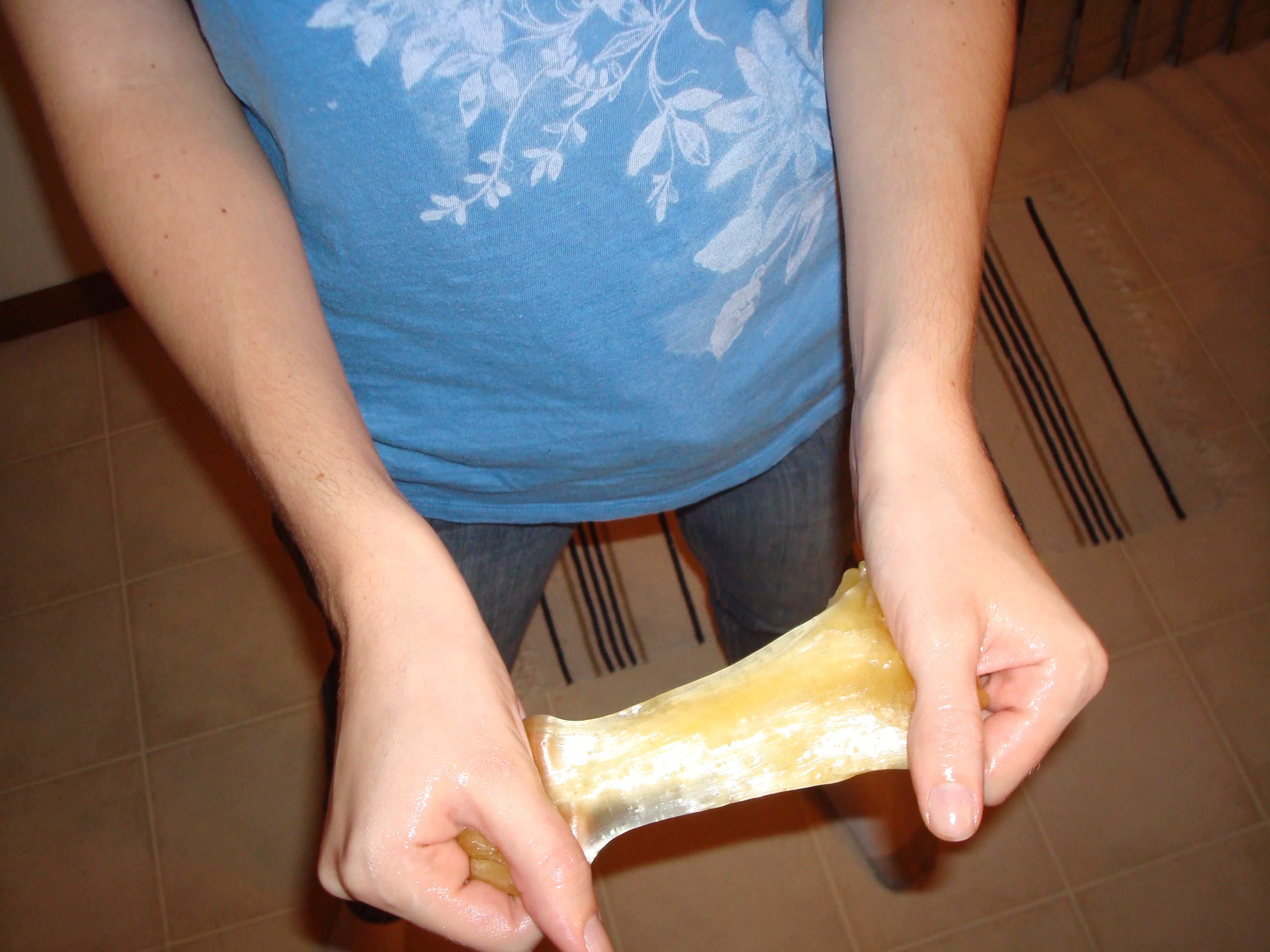
Finally we wrapped the individual pieces in squares of waxed paper.

Old Cocoa Fudge Recipe

16-year-old Helena Muffly wrote exactly 100 years ago today: 

Friday, November 10, 1911: Must begin to study harder if I ever want to graduate. Teacher gave out our reports and also gave quite a lecture about our marks also this afternoon. Ruthie expected a friend this evening and made chocolate fudge, but she didn’t come but the fudge however was not wasted.

Cocoa Fudge
Cocoa Fudge with Black Walnuts

 Her middle-aged granddaughter’s comments 100 years later:

Rough day at school!–Good thing Grandma’s sister Ruth made fudge!  Chocolate is a wonderful comfort food.  🙂

I found an excellent central Pennsylvania fudge recipe that is more than 100 years old in the Lycoming Valley Cook Book by the Ladies of Trout Run M.E. Church (1907).*

Cocoa Fudge

One-fourth cup of milk, one and one-half tablespoonfuls butter, one and one-fourth cups powdered sugar, nine tablespoonsful cocoa, a pinch of salt, one-half teaspoonful vanilla. Put the butter and milk in a sauce-pan, and when the butter has melted, add the sugar, cocoa and salt. Stir until dissolved, then cook, stirring occasionally, until it strings, which will be about eight minutes. Remove from stove, set in a pan of cold water, add the vanilla, then beat gently. The instant it begins to thicken, pour into a buttered pan. When hard, cut in squares. Great care must be taken not to beat it much, because, if beaten too thick, it cannot be poured into the pan.

Grace Harbor, Trout Run, Pa.

I stirred black walnuts—see yesterday’s post— into some of the fudge before I put it in the pan. The resulting fudge was awesome and brought back memories of fudge I ate many years ago when I was a small child.

Black walnuts have a wonderfully intense flavor that co-mingled beautifully with the rich cocoa flavor in the fudge.

My Cook’s Notes About How I Interpreted the Recipe:

  • I assumed that “strings” meant ,when I lifted my stirring spoon above the pan and then tipped it so that the chocolate mixture could flow back into the pan, that a “string” of chocolate went from the spoon to the pan.  It did not take 8 minutes for the mixture to reach this stage—it probably was more like 5 minutes.
  • The mixture started to thicken only a few seconds after I set the sauce pan in cold water and began to stir.
  • After the fudge hardened, I had a little difficult getting it out of the pan, so I set the pan in hot water for a couple minutes. It when came right out and was easy to cut into squares.
  • I was surprised how little fudge this recipe made.  I put it in a small 5 inch by 5 inch casserole dish that I usually use for left-overs.  Families were larger a hundred years ago than they are now—so I would have thought that the recipe would make a large quantity rather than a tiny amount. Maybe cooks typically tripled or quadrupled the recipe.

Last spring I did another post on old fudge recipes—one even used molasses as in ingredient. Click her to see 1911 Chocolate Fudge Recipes.

* I got the recipe out of a 1992 reprint of the  1907 book.  Kwik-Kopy Printing, Williamsport PA published the reprint.

1911 Chocolate Fudge Recipes

16-year-old Helena Muffly wrote exactly 100 years ago today:

Wednesday, April 5, 1911: But now I have changed my opinion. I believe I will have a good time tomorrow. I assisted my sister in making chocolate fudge tonight.

Her middle-aged granddaughter’s comments 100 years later:

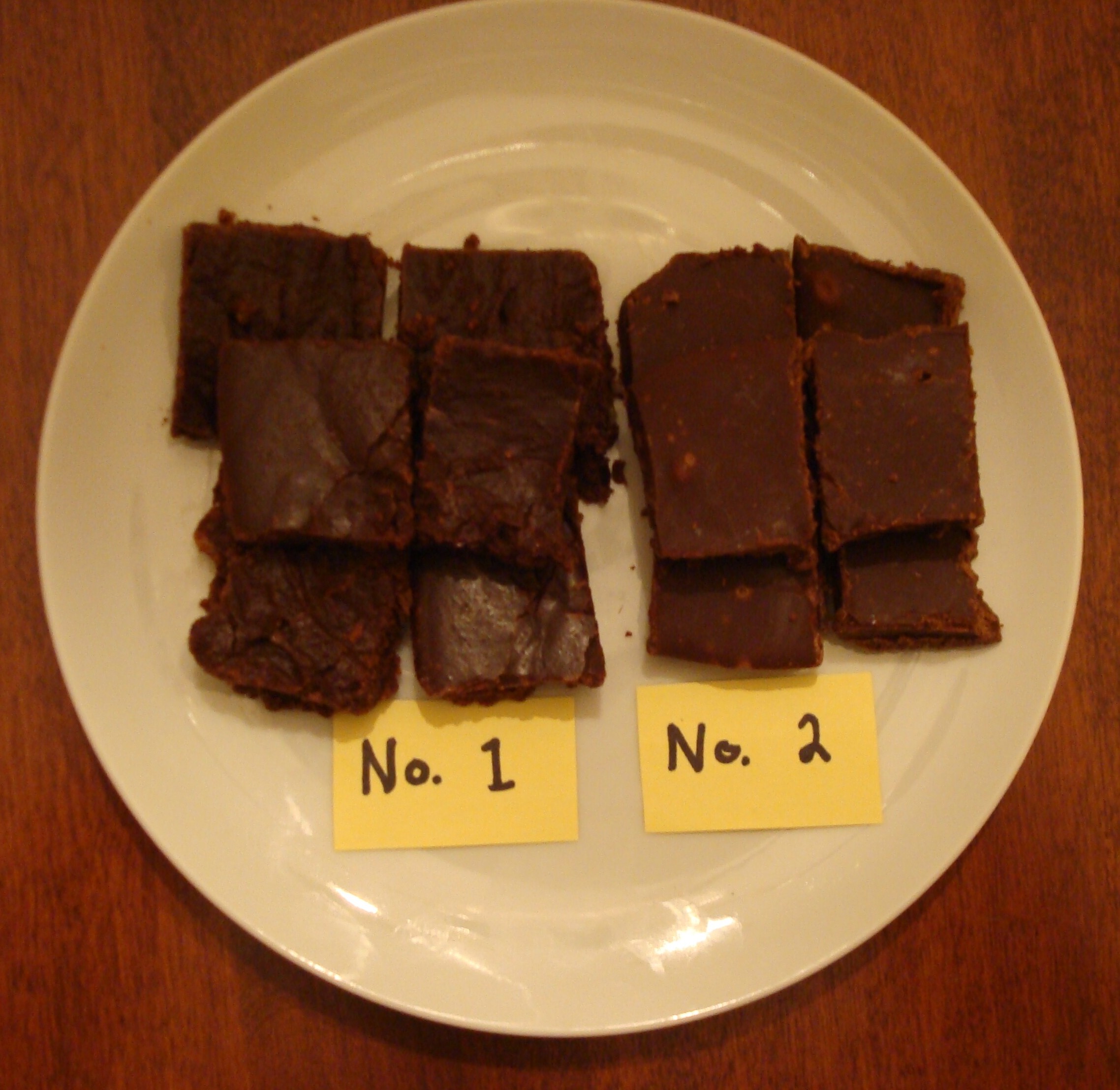
I found two recipes for chocolate fudge in a 1911 cookbook:

Fudge

Chocolate Fudge, No. 1—Three cups sugar; one cup cream or rich milk; one-half cake of chocolate and piece of butter the size of an egg. Boil slowly until grains form on the edge of the kettle. Add a tablespoon of vanilla and beat vigorously for a few minutes. Pour into a buttered pan and mark off in squares.

Chocolate Fudge, No. 2—Two cups brown sugar; one-half cup of butter; one-half cup of milk; one-fourth cup of molasses. Boil ten minutes. Then add two squares of chocolate and boil three minutes longer. Beat until thick, adding a teaspoon of vanilla.

The Butterick Cook Book: With Special Chapters About Casserole and Fireless Cooking (1911) by Helena Judson

I decided to make both recipes—and then have a taste-testing to see which was better. First I ‘translated’ the recipes into modern terms. For recipe No. 1, I guessed that a cake of chocolate was 1/2 pound of unsweetened chocolate and that the recipe therefore was calling for 1/4 pound of chocolate (4-one ounce squares).

I decided to use 1/4 cup of butter for ‘butter the size of an egg’. I used heavy whipping cream for the cream or rich milk.

And, I decided that ‘beating’ within the context of 1911 probably meant stirring rapidly with a spoon.

Before pouring each mixture into a buttered pan to cool, I divided the mixtures into half and added chopped walnuts to one half.

After the fudge hardened I conducted a taste test with readily available people (in other words, with my husband).

Both recipes made acceptable fudge—though Recipe No. 1 tasted more like the fudge we typically eat today. Recipe No. 2 had interesting complex undertones from the molasses—which seemed a bit strong in the plain fudge, but when we compared the fudges that contained the walnuts—the molasses really complemented the taste of the walnuts.

If any of you are hungry for some old-fashioned sweets, I’d encourage you to try these recipes.—And, let me know if you translated these recipes for modern cooking differently than I did, and whether you preferred recipe No. 1 or No. 2.