Visited Friends

17-year-old Helena Muffly wrote exactly 100 years ago today: 

Thursday, January 9, 1913: Ruth and I went up to Oakes’ this evening. Didn’t get my lessons out any too well for the morrow.

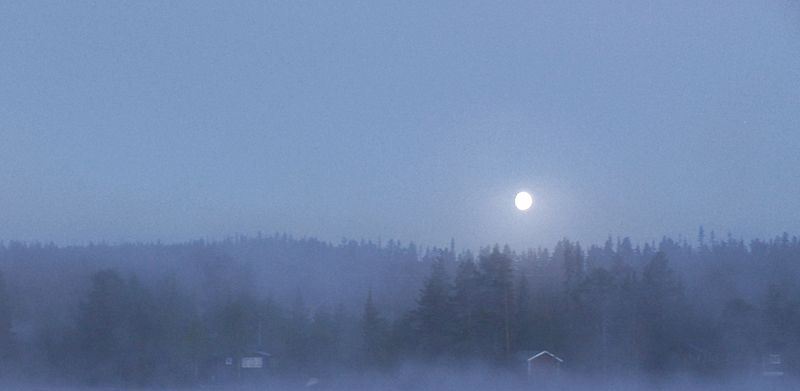
moonlight
Source: Wikipedia

Her middle-aged granddaughter’s comments 100 years later:

Grandma’s New Year’s resolution to study harder was apparently long forgotten .  .  .

I’m surprised that Grandma and her sister Ruth ventured out on a cold, dark (or maybe moonlit) winter evening to visit friends.

The Oakes lived on a nearby farm. Their daughter Rachel was a friend of Grandma and her sister Ruth. The Oakes also had several sons who were about the same age as the Muffly girls. In 1911, Ruth dated Jim Oakes—but that relationship seems to have ended about a year and a half prior to this diary entry

Lost Report Card

17-year-old Helena Muffly wrote exactly 100 years ago today: 

Tuesday, January 7, 1913:  This weather is simply dreadful. I’ve been hunting my report card this evening. Don’t know where in the world I put it.

DSC07059.crop
Did she look in her bureau drawers for it?

Her middle-aged granddaughter’s comments 100 years later:

How—or maybe the question is “Why”— did Grandma misplace her report card? Could she have misplaced it because she was unhappy with the grades—and was trying to delay showing it to her parents for as long as possible?

Grandma’s New Year’s resolution was to study harder in 1913—and her diary entries on January 2 and 3 indicated that she was studying very hard—but nothing has been mentioned about studying since then so maybe the resolution fell  by the wayside. . . or it was too late in the grading period to bring the grades up.

The Old Clock on the Stairs by Longfellow

17-year-old Helena Muffly wrote exactly 100 years ago today: 

Monday, January 6, 1913:  Copied off parts of a dialogue this evening. We are getting ready for our next meeting.

DSC07054
Source: Osgood’s American Sixth Reader

Her middle-aged granddaughter’s comments 100 years later:

The meeting probably refers to the Literary Society at Grandma’s high school.

What dialogue did she copy?

I browsed through a very old book called Osgood’s American Sixth Reader. The book focused on elocution, and contained lots of poems and prose for students to memorize…. Shakespeare. . Chaucer. .. Dickens. . .

I found myself drawn to a poem by Longfellow (probably because it was one the few that contained an illustration that I could use in this post.  :))

The Old Clock on the Stairs

H. W. Longfellow

1. Somehwat back from the village street

Stands the old-fashion’d country-seat;

Across its antique portico,

Tall poplar-trees their shadows throw;

And from its station in the hall

An ancient time-piece says to all,

“Forever—never!

Never—forever!”

.

2. Half-way up the stairs it stands,

And points and beckons with its hands

From its case of massive oak.

Like a monk who under his cloak,

Crosses himself, and sighs, alas!

With sorrowful voice to all who pass,

“Forever—never!

Never—forever!”

.

3. By day its voice is low and light;

But in the silent dead of night,

Distinct as a passing footstep’s fall,

It echoes along the vacant hall,

Along the ceiling, along the floor,

And seems to say, at each chamber-door,

“Forever—never!

Never—forever!”

.

4.  Throughout days of sorrow and of mirth,

Through days of death and days of birth,

Through every swift vicissitude

Of changeful time, unchanged it stood,

And as if, like God, it all things saw,

It calmly repeats those words of awe:–

“Forever—never!

Never—forever!”

.

5.  In that mansions used to be

Free-hearted hospitality;

His great fires up the chimney roar’d,

The stranger feasted at his board;

But, like the skeleton at the feast,

That warning time-piece never ceased:–

“Forever—never!

Never—forever!”

.

6.  There groups of merry children play’d:

There youths and maidens, dreaming stray’d;

Oh, precious hours! Oh, golden prime,

And affluence of love and time!

Even as a miser counts his gold.

Those hours the ancient time-piece told:–

“Forever—never!

Never—forever!”

.

7.  From that chamber, clothed in white,

The bride came forth on her wedding night;

There, in that silent room below,

The dead lay in its shroud of snow;

And in the hush that follow’d the prayer

Was heard the old clock on the stair:–

“Forever—never!

Never—forever!”

.

8.  All are scatter’d now and fled:

Some are married; some are dead:

And when I ask, with throbs of pain,

“Ah! When shall they all meet again,

As in the days long since gone by?”

The ancient time-piece makes reply,–

“Forever—never!

Never—forever!”

.

9.  Never here, forever there,

Where all parting, pain, and care.

And death, and time, shall disappear!

Forever there, but never here!

The horologe of eternity

Sayeth this incessantly:–

“Forever—never!

Never—forever!”

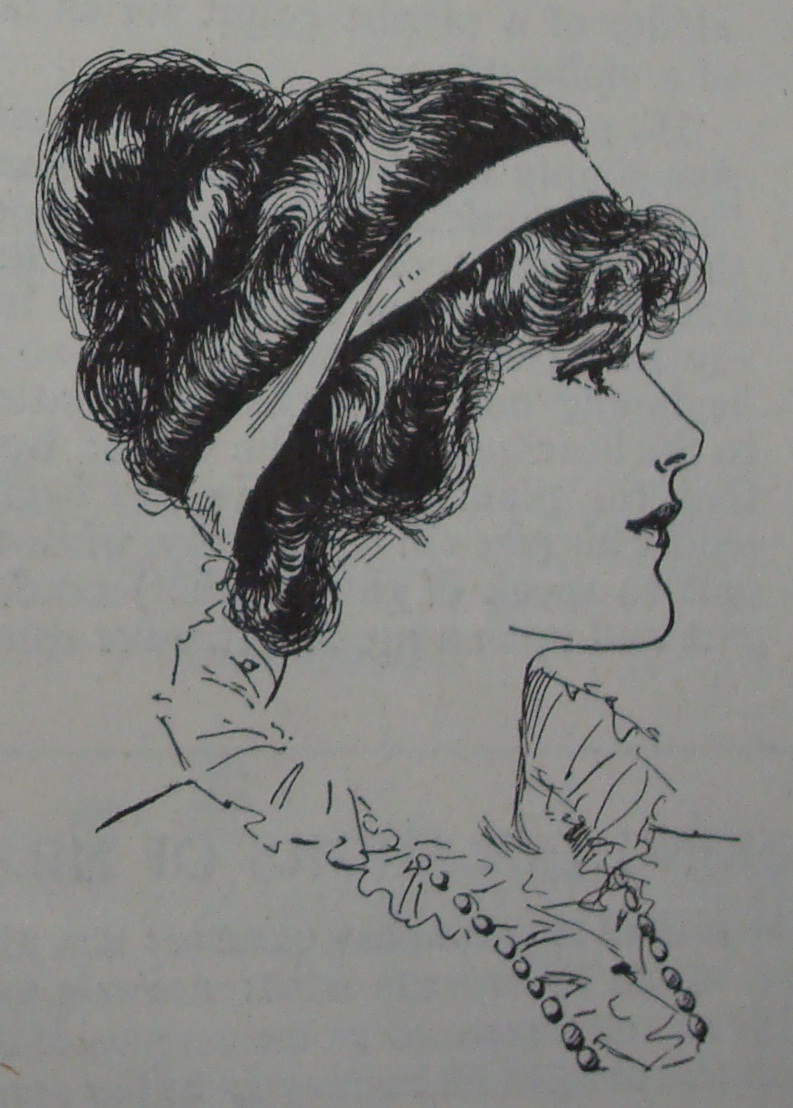
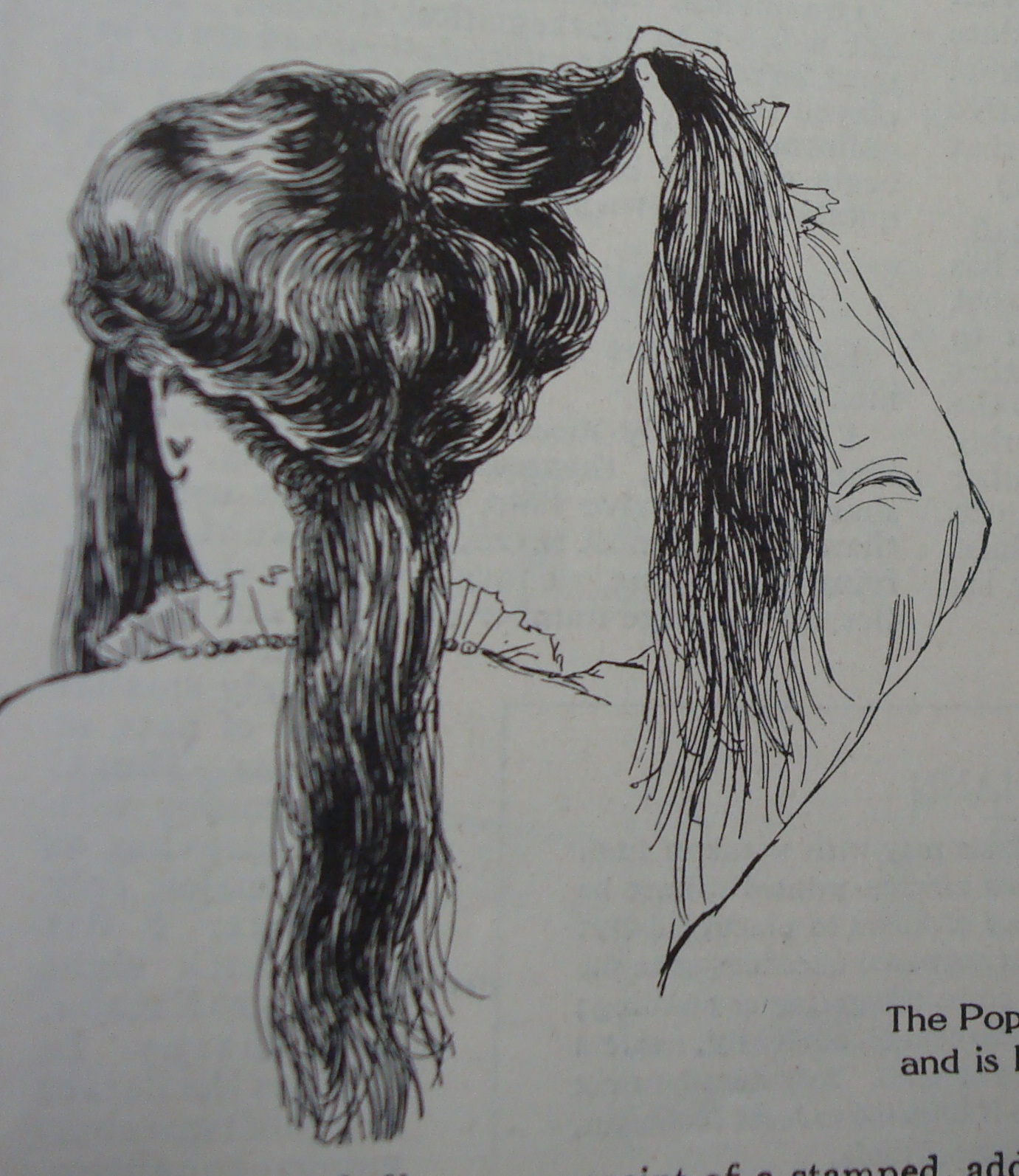
1913 Hair Styles

17-year-old Helena Muffly wrote exactly 100 years ago today: 

Sunday, January 5, 1913:  Went to Sunday School this morning. Would like to go every Sunday of this year. Was over to see Carrie this afternoon. Went along with her to church this evening.

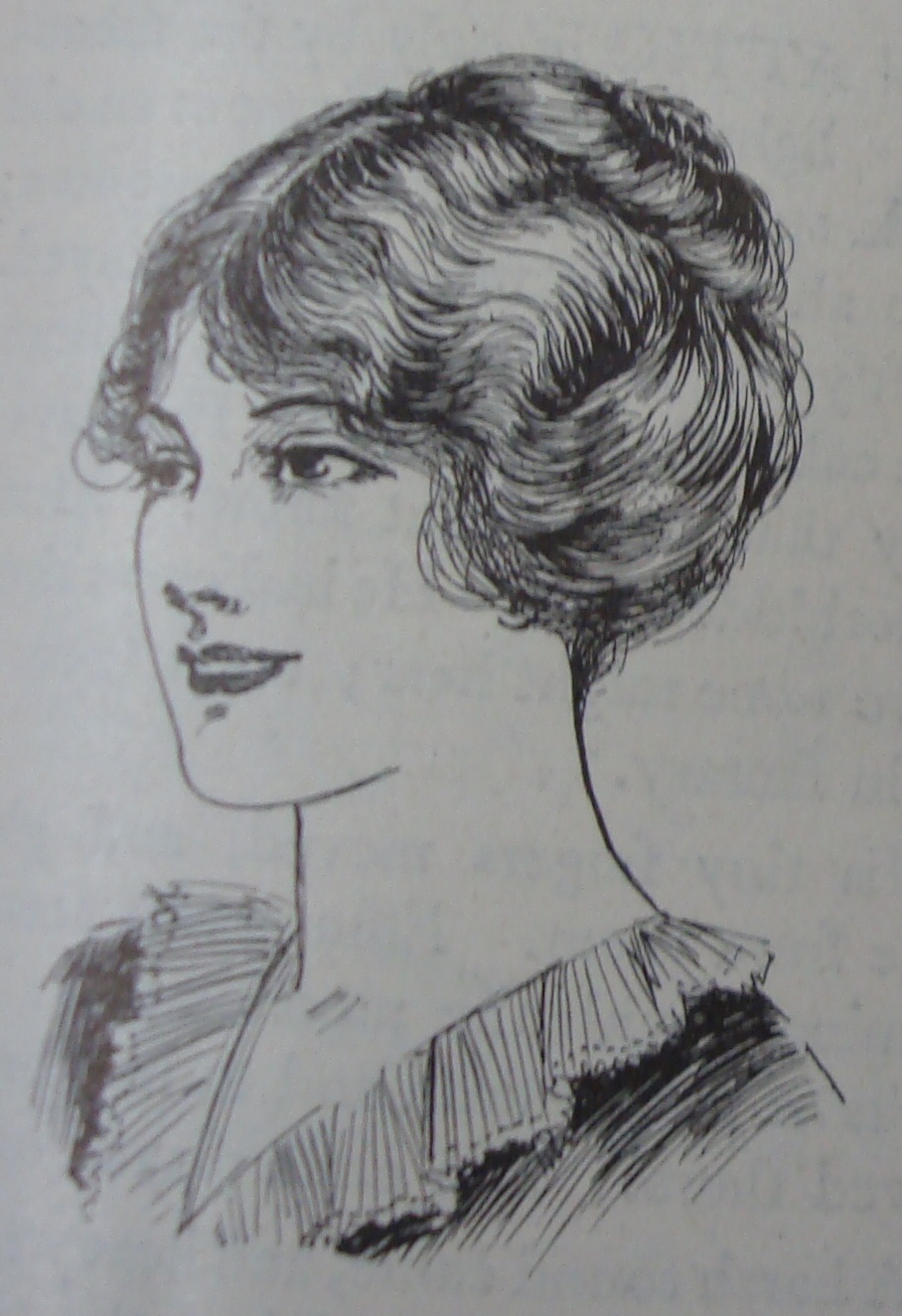
DSC06706.crop.a

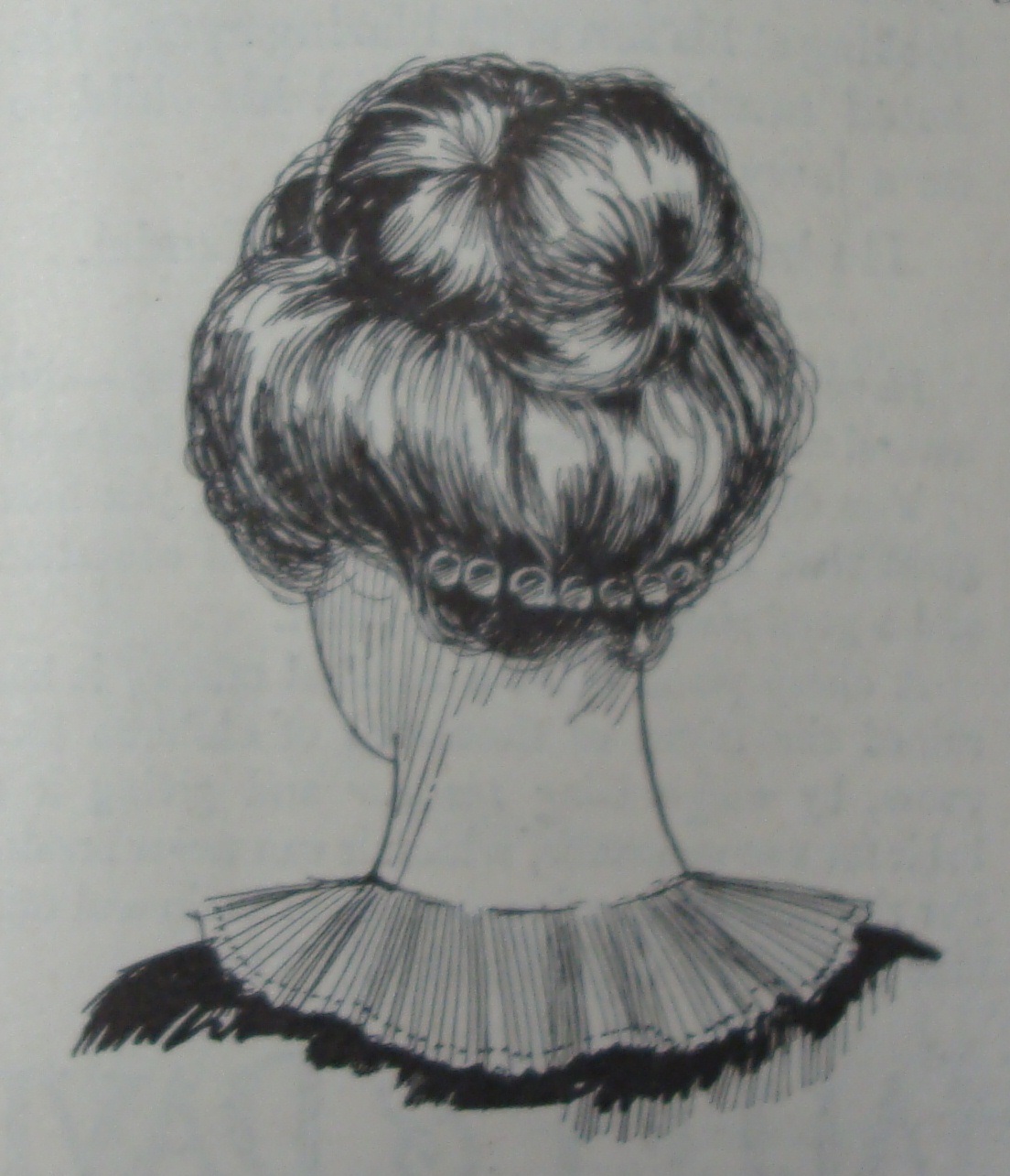
DSC06709.crop.b
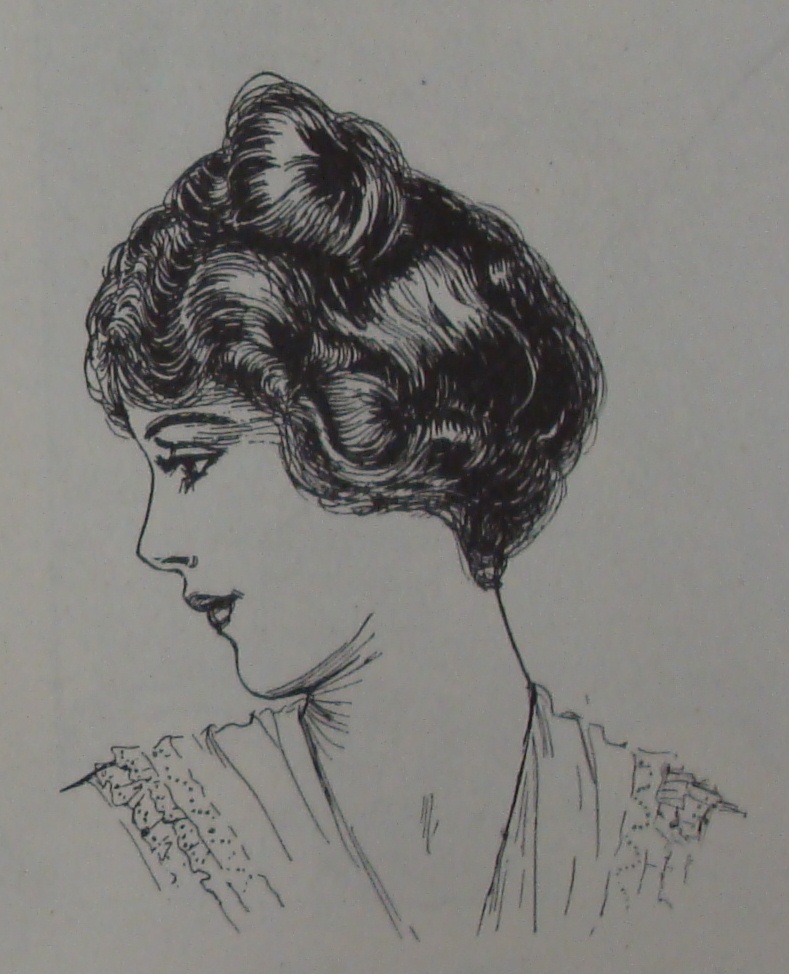
Source; Ladies Home Journal (November, 1913)

Her middle-aged granddaughter’s comments 100 years later:

Carrie Stout was a friend of Grandma’s who lived on a nearby farm. What did the two teens talk about? . . . do?

When I was young my friends and I enjoyed fixing each other’s hair. Maybe Grandma and Carrie also enjoyed fixing each other’s hair.

DSC06702.b

DSC06704.b

DSC06710.b

DSC06710.a

There’s a fun YouTube video that shows how to do an early 1900s updo.

Beauty Through the Decades, 1900-1910 Hairstyle

Kept New Year’s Resolution

17-year-old Helena Muffly wrote exactly 100 years ago today: 

Thursday, January 2, 1913:  I’m so sleepy for I’m keeping later hours with my books Perhaps the thing will work all right after all. Hope it does.

gas.lamp

Her middle-aged granddaughter’s comments 100 years later:

Grandma’s New Year’s resolution was to study more in 1913. I can picture a teen-aged Grandma sitting by a gas lamp huddled over her books long after everyone else went to bed.  In my mind, the wind was howling and there was a chill in the room, but Grandma persevered–at least for this one day.

I’m still trying to keep my Yew Year’s resolutions. I hope they work out all right, too.

The Old Year is Vanishing Forever

17-year-old Helena Muffly wrote exactly 100 years ago today: 

Tuesday, December 31, 1912: Poor old year, how sad that you must die tonight and vanish forever into the gloomy past. Otherwise this day was the same as others. As I think of the approaching tomorrow, I wonder what that year will bring to me. I leave no deep regrets for this dying year, and though I have done things I ought not to have done, I hope they will not occur again to mar the beauty of the year 1913.

Source: Ladies Home Journal (December, 1913)

Her middle-aged granddaughter’s comments 100 years later:

Does age affect how we think about the past?  I don’t think of the past as gloomy—though it gets murkier as time goes by.

New Year’s Eve is a good time for self-reflection. I love Grandma’s cautious optimism—and am keeping my fingers crossed that nothing marred 1913, and that it proved to be a beautiful year.

Holly caricature

Winter Break Over

17-year-old Helena Muffly wrote exactly 100 years ago today: 

Monday, December 30, 1912:  Went back to school today after a two weeks rest. Had such a time carrying my books. I had brought so many home, and it was raining in the bargain.

DSC02271
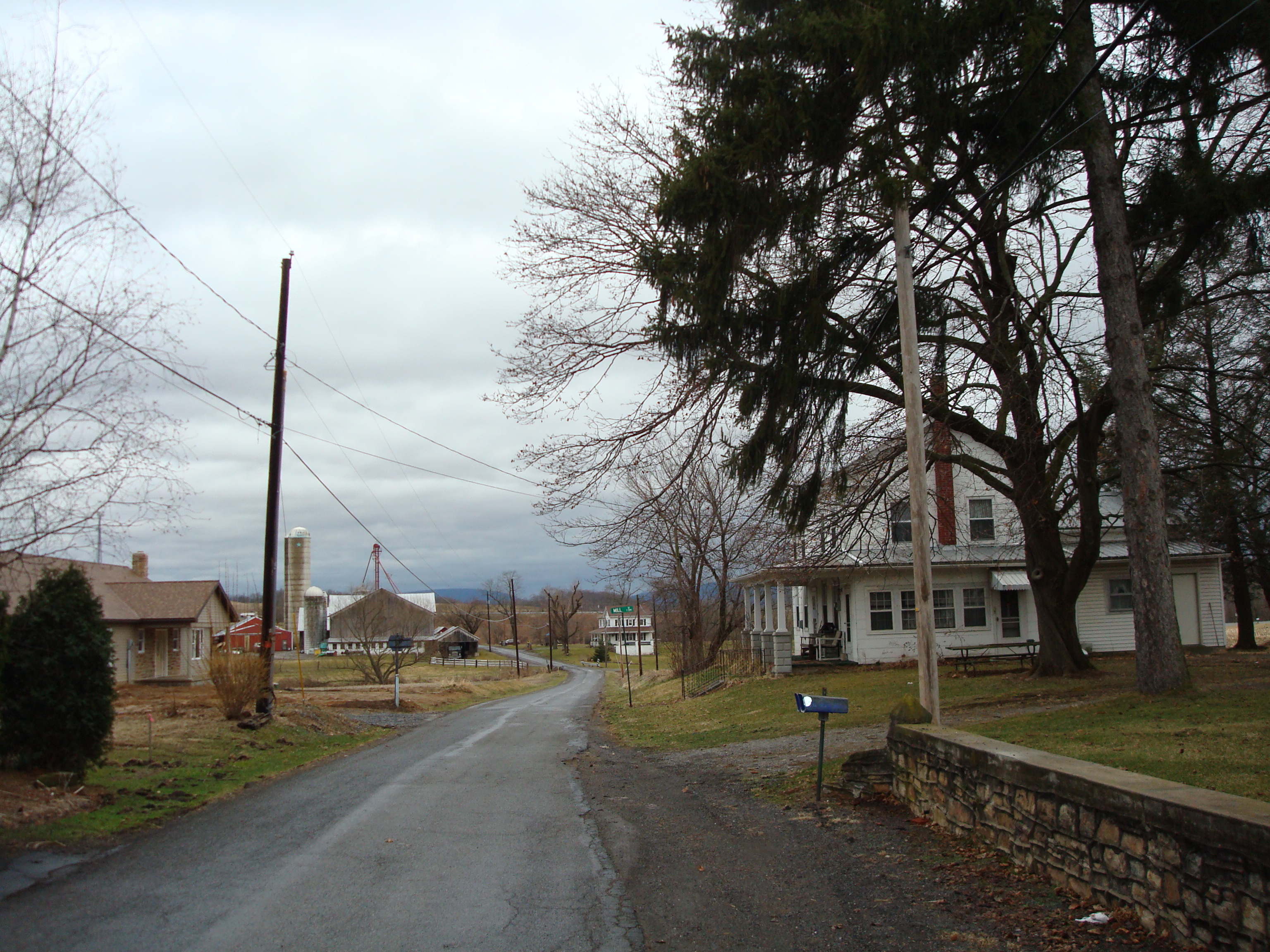
The road that Grandma would have walked down to go home from school on a recent rainy day.

Her middle-aged granddaughter’s comments 100 years later:

Grandma had to walk about a mile and a half to get to school. Nothing’s worse than a cold December rain.

Did Grandma read all the books over the break that she brought home? What were they about?

A hundred years ago, the Christmas break was really long. And, it’s Interesting that school began prior to New Year’s Day—today schools don’t generally resume until January 2.