16-year-old Helena Muffly wrote exactly 100 years ago today:
Saturday, June 3, 1911: Went over to Stouts this forenoon to telephone to Besse. The carpenters went away tonight.
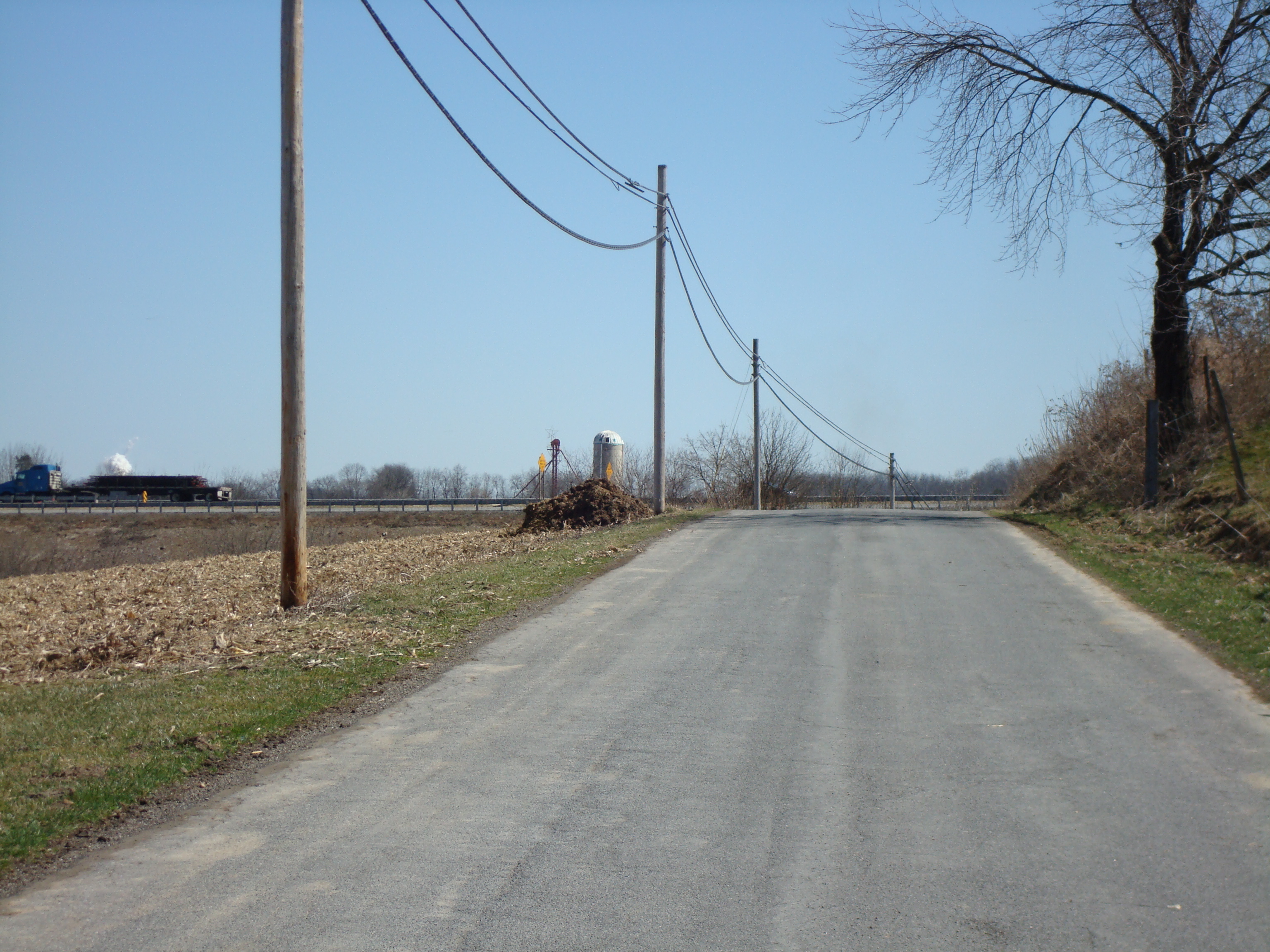
Grandma would have walked over this hill toward McEwensville to reach the Stout home. The house that the Stout's lived in burned down many years ago. A hundred years ago the road was still dirt.
Her middle-aged granddaughter’s comments 100 years later:
It’s interesting how the telephone has gone from being a new curiosity that Grandma was afraid to try less than a month ago to a tool that she uses to call her married sister Besse.
The carpenters were building the addition on the barn—and Grandma seemed to think that two of them were cute (see yesterday’s entry). But why does their leaving merit mention in the diary? Did they come from a distance and typically stay overnight at the Muffly’s? (It may have been considered acceptable hundred years ago for transient laborers to sleep in the barn.) Maybe the carpenters left because the next day was Sunday and they won’t be working. . .
16-year-old Helena Muffly wrote exactly 100 years ago today:
Friday, June 2, 1911: I would like to rub up an acquaintance with one of the young carpenters. There are two of ‘em, but seems an impossibility. Dear, dear me.
Her middle-aged granddaughter’s comments 100 years later:
I’m really struggling with our age difference today. My grandmother was about 40 years younger than what I currently am when she wrote this entry. A hundred years ago she was a teen jotting down her thoughts about cool guys who were helping build the addition on the Muffly barn—while I’m a mother with adult children.
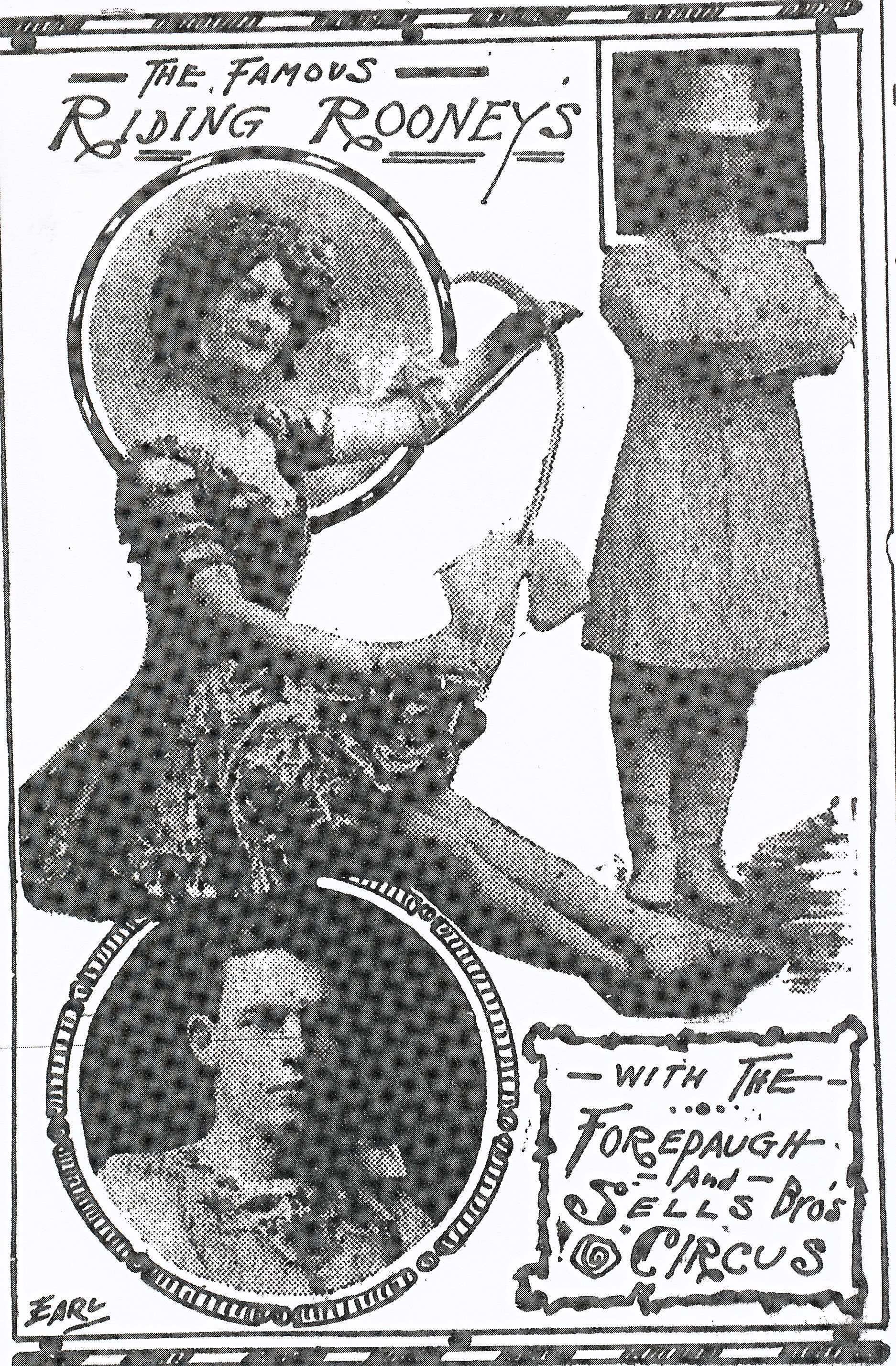
I’m just going to let this entry stand without any comments—and instead will go back to yesterday’s entry about the circus in Milton. I would like to share two articles in the June 2, 1911 issue of the Milton Evening Standard:
16-year-old Helena Muffly wrote exactly 100 years ago today:
Tuesday, June 1, 1911:
Of all the months, my favorite is
The radiant glorious month of June.
How many are the joys it brings,
And also tells that the year is noon.
Every cloud has a silver lining. Ruth and I went to the circus, accompanied by Miss R. O. You see my darling sister sometimes changes her mind for the better. I though the circus was great even if you did blow 60 cents.
Article in June 1, 1911 issue of the Milton Evening Standard.
Her middle-aged granddaughter’s comments 100 years later:
Yeah! I’m glad that Grandma was able to go to the circus after all. R.O. refers to Rachel Oakes—a friend of Grandma and her sister.
The circus came to Milton on the train. There then was a parade as the entertainers, the animals, and their equipment went through town to the fairground (where the actual circus was held).
Recent photo of railroad tracks and an old railroad station building. A hundred years ago today, the circus train probably sat on a siding here--and the parade would have begun in this area.
The parade apparently was awesome and the focus of the front page story in the June 1, 1911 edition of the Milton Evening Standard.
Somewhat surprisingly there don’t seem to be photos of the actual circus in either the June 1 or June 2 issue of the paper. I suppose the paper “went to bed” too early for photos on June 1—though I’m not sure why there were none on June 2. Maybe newspaper photographers weren’t allowed under the big tent to help encourage people to buy tickets and attend the circus rather than just viewing it vicariously by reading the newspaper.
It sounds like Grandma enjoyed the circus—though she doesn’t seem ecstatic about it since she mentions blowing 60 cents. She seems to doing some sort of cost-benefit analysis in her head—and almost wishing that she still had the 60 cents.
Sixty cents in 1911 dollars would be about $17 in 2011. A dollar today is worth about 1/28th what it was worth a hundred years ago. In other words, there has been an average annual inflation rate of 3.4% per year over the past hundred years.
16-year-old Helena Muffly wrote exactly 100 years ago today:
Wednesday, May 31, 1911: Was so very disappointed this evening. Ruth said she was not going to the circus which is to be held this month at the Milton fairground, and I intended to go if she would go.
Her middle-aged granddaughter’s comments 100 years later:
Ad in May 27, 1911 issue of Milton Evening Standard
16-year-old Helena Muffly wrote exactly 100 years ago today:
Tuesday, May 30, 1911: Carrie and I went over to the Watsontown cemetery this afternoon. Am rather tired and sleepy.
Her middle-aged granddaughter’s comments 100 years later:
Grandma and her friend Carrie may have gone to the cemetery to put flowers on the graves of deceased relatives for Memorial Day–or maybe there was a Memorial Day ceremony held there.
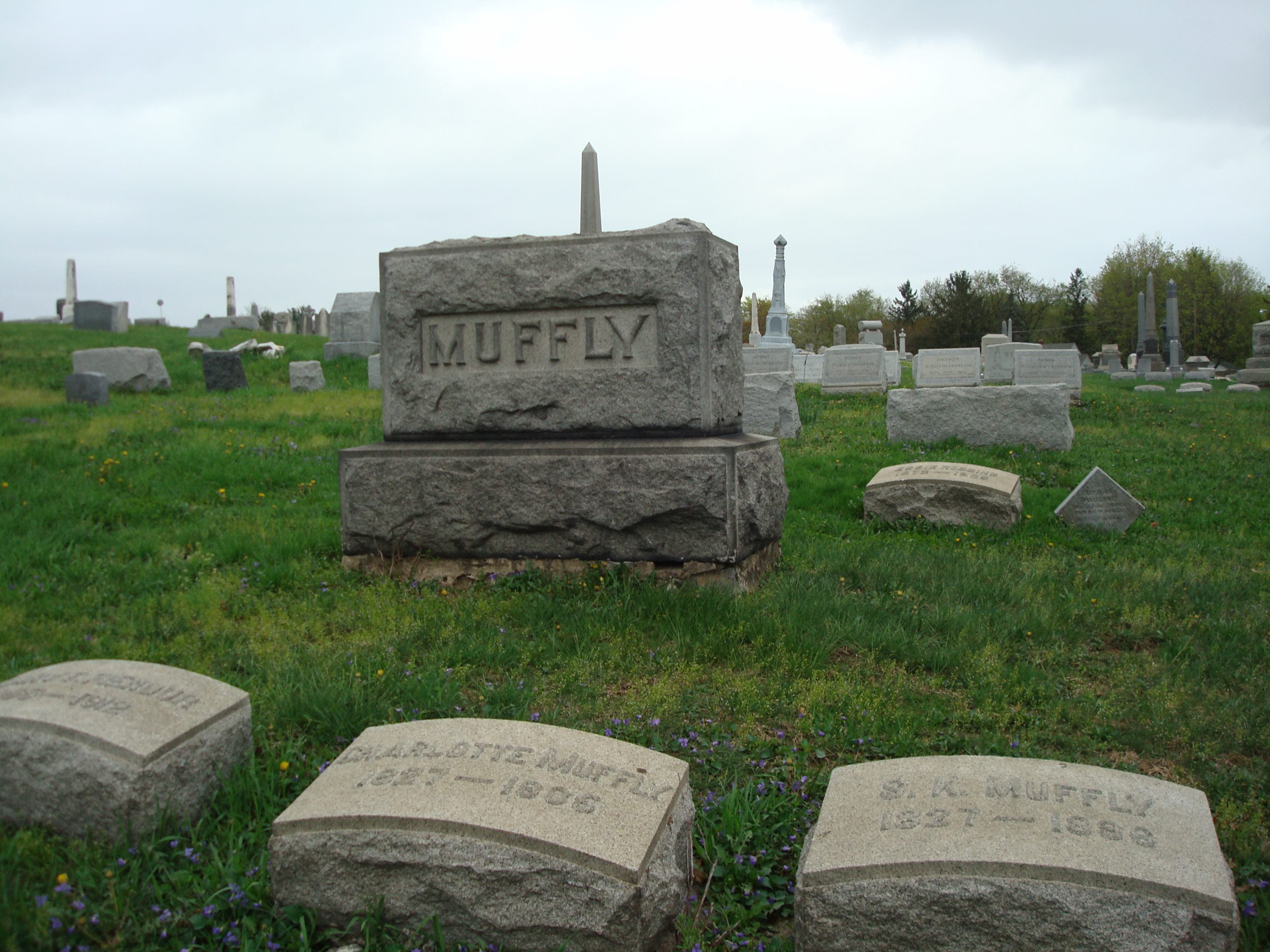
Grandma’s paternal grandparents are buried in the Watsontown cemetery. Her grandfather had died before she was born, but Grandma would have remembered her grandmother, Charlotte Muffly, who died in 1905 at the age of 78.
I wonder what Grandma’s memories are of her grandmother—Had she been close to her grandmother? . . . or not? Had her grandmother been in ill health for years prior to her death? . . . Or had she died suddenly?
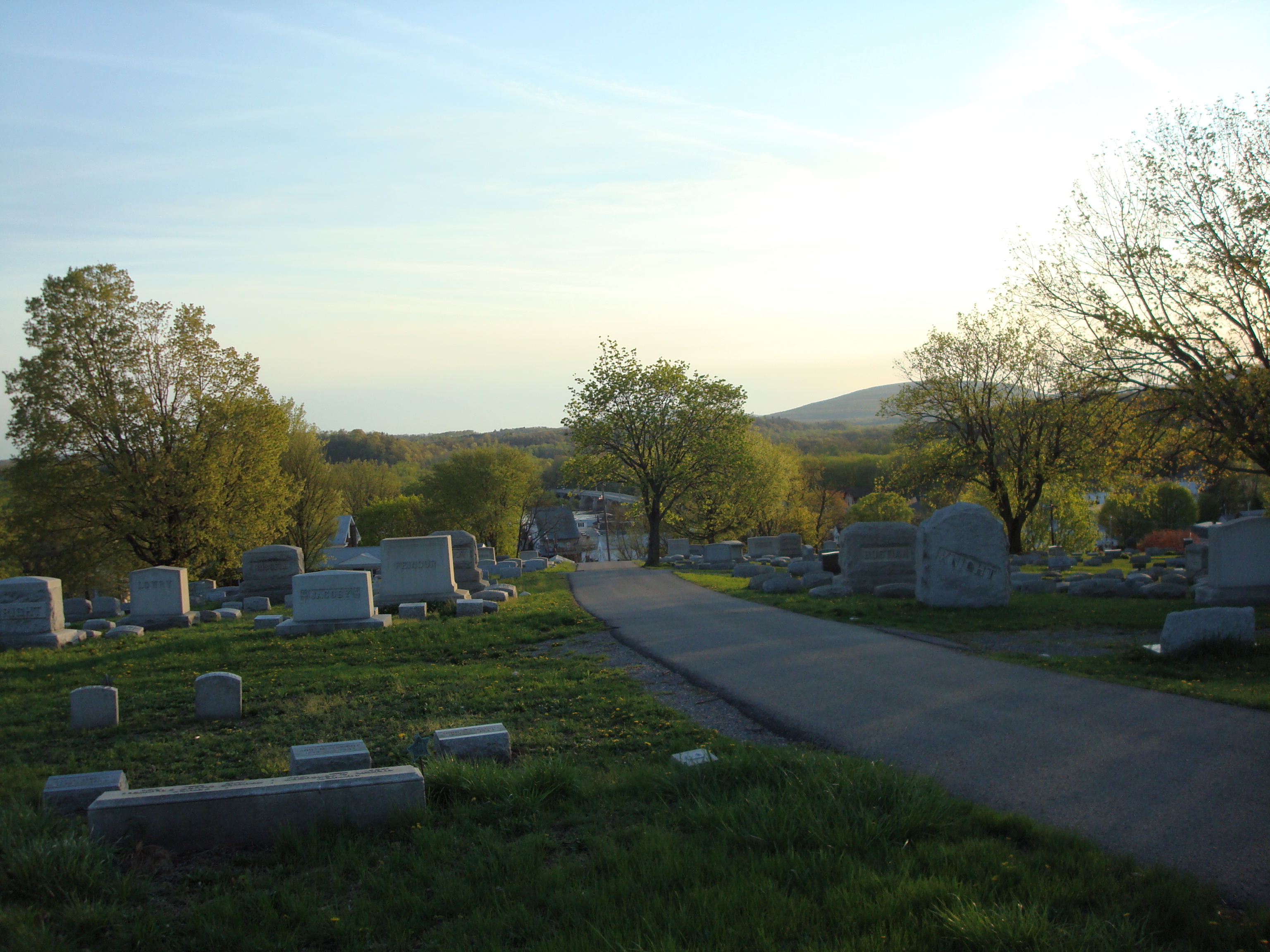
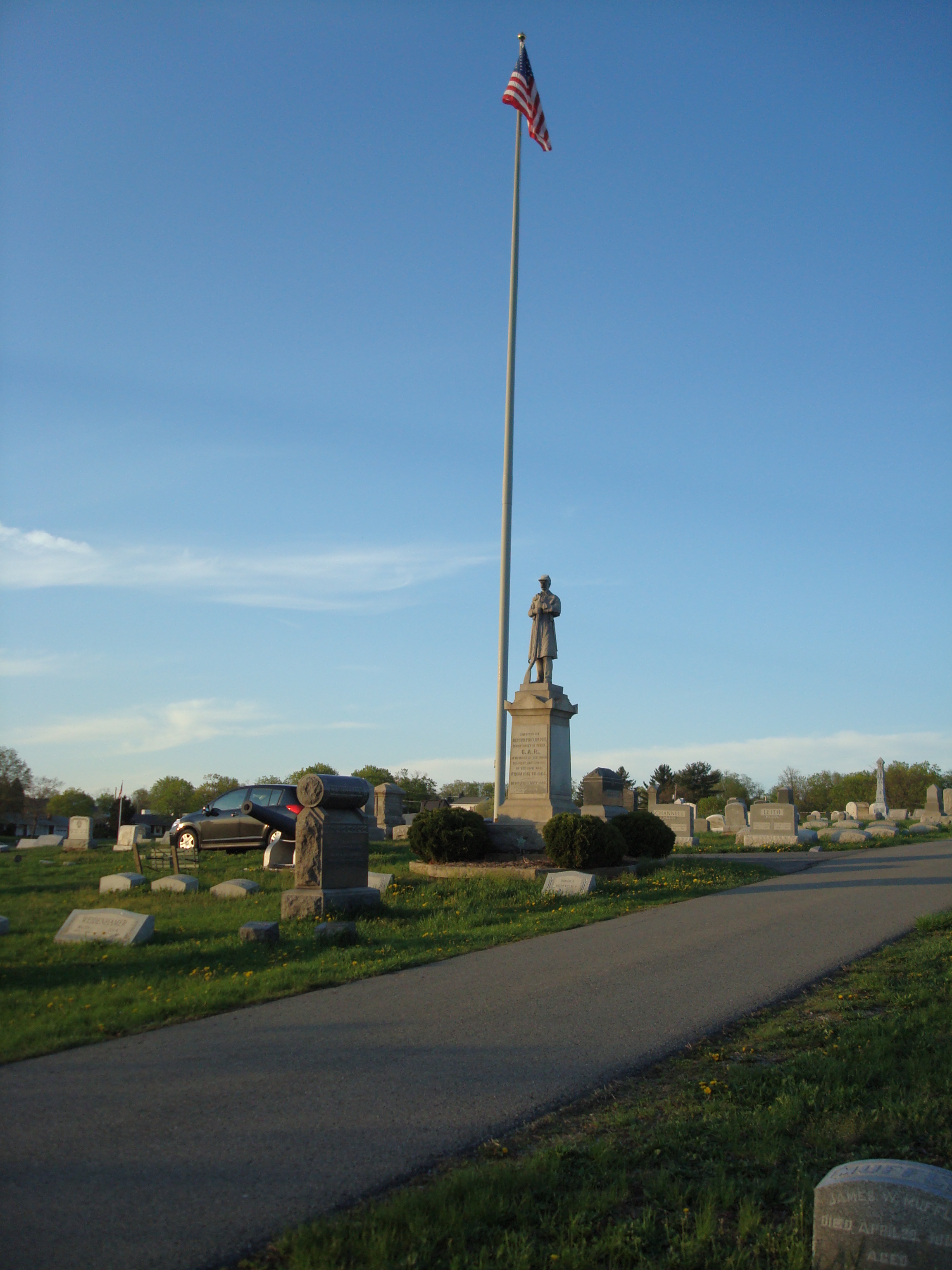
Watsontown Cemetery is on very high hill that overlooks the town of Watsontown. Grandma and Carrie would have had a bird’s eye view of the entire town. They would have been able to look over downtown Watsontown to the West Branch of the Susquehanna River and the looming mountains beyond. Now, just as they did a hundred years ago, the sound of trains rumbling through town periodically breaks the silence.
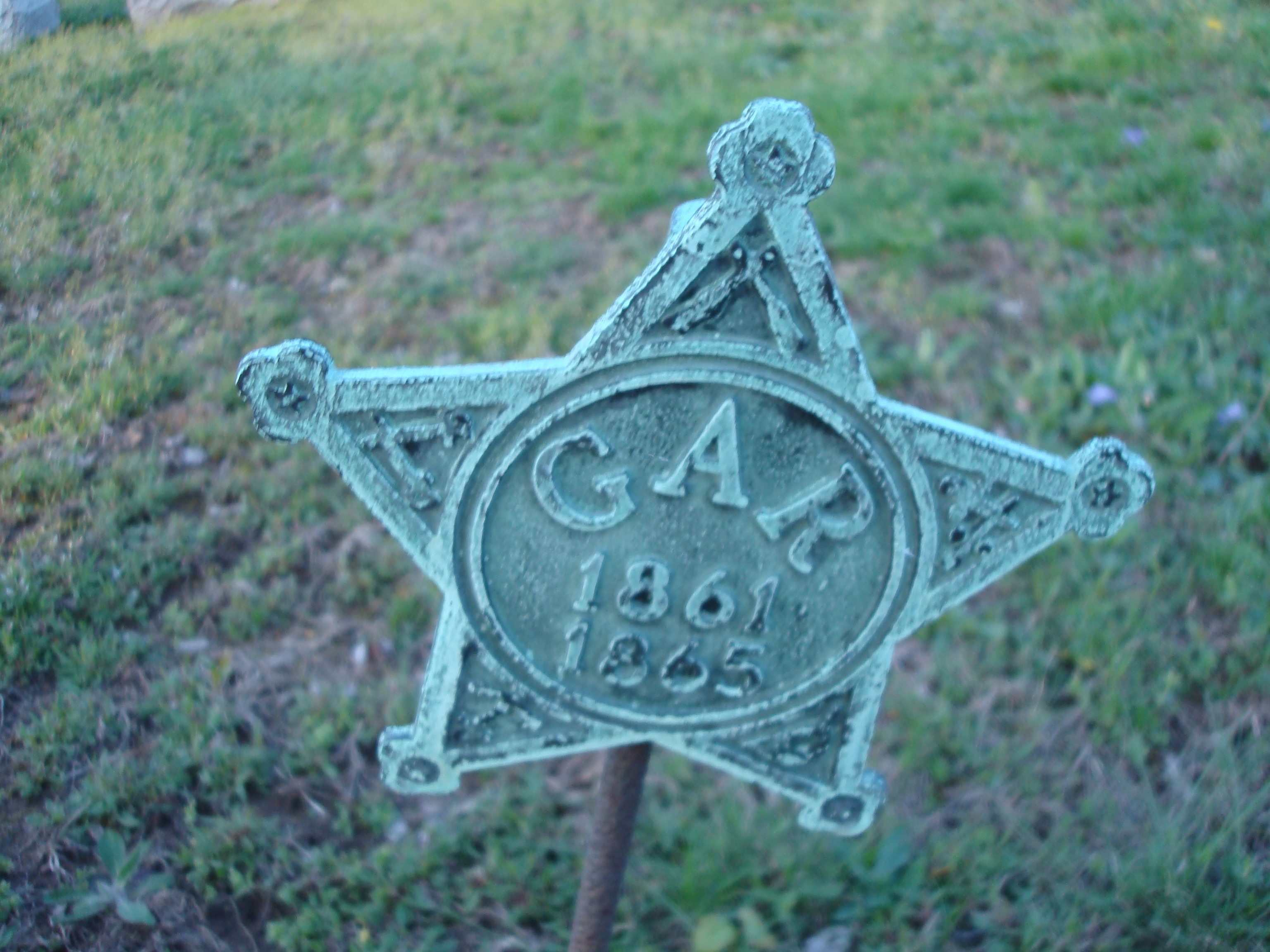
The cemetery is dominated by a memorial to Civil War veterans. According to the engraving on the base of the monument the memorial was built in 1902—so it would have been less than 10 years old when Grandma and Carrie visited the cemetery. The memorial probably was built with funds raised by aging GAR (Grand Army of the Republic) veterans who didn’t want the war to be forgotten after they passed on.
16-year-old Helena Muffly wrote exactly 100 years ago today:
Monday, May 29, 1911: My mother’s wedding anniversary. 27 years ago. We are going to build a piece to the barn. Two of the carpenters came today. During a thunderstorm this afternoon, the lightning struck a large oak tree.
Her middle-aged granddaughter’s comments 100 years later:
I’ve been curious about how marriage ages have changed over the years (see March 22 entry). Grandma’s parents must have gotten married in 1884. Her mother would have been 21 or 22; her father would have been 26.
On May 10 Grandma mentioned helping pour mortar—I now wonder if it was in preparation for the construction of the piece they were going to build onto the barn.
16-year-old Helena Muffly wrote exactly 100 years ago today:
Sunday, May 28, 1911: Ma and Pa went away to store all day. Tweet was here all night and staid till evening. Went to Sunday school this morning. Carrie was over this afternoon. Heard this evening of the arrival of a girl cousin born on May the 18th.
Her middle-aged granddaughter’s comments 100 years later:
From reading the diary—I now know that “Tweet” was Helen Wesner–with a nickname like Tweet she must have been a blast as a teen. I just knew her as an elderly woman who had never married.
Grandma and Helen would see each other on Sunday’s for much of their lives. After Grandma married, she attended Messiah Lutheran Church in McEwenville which was the church Helen attended.
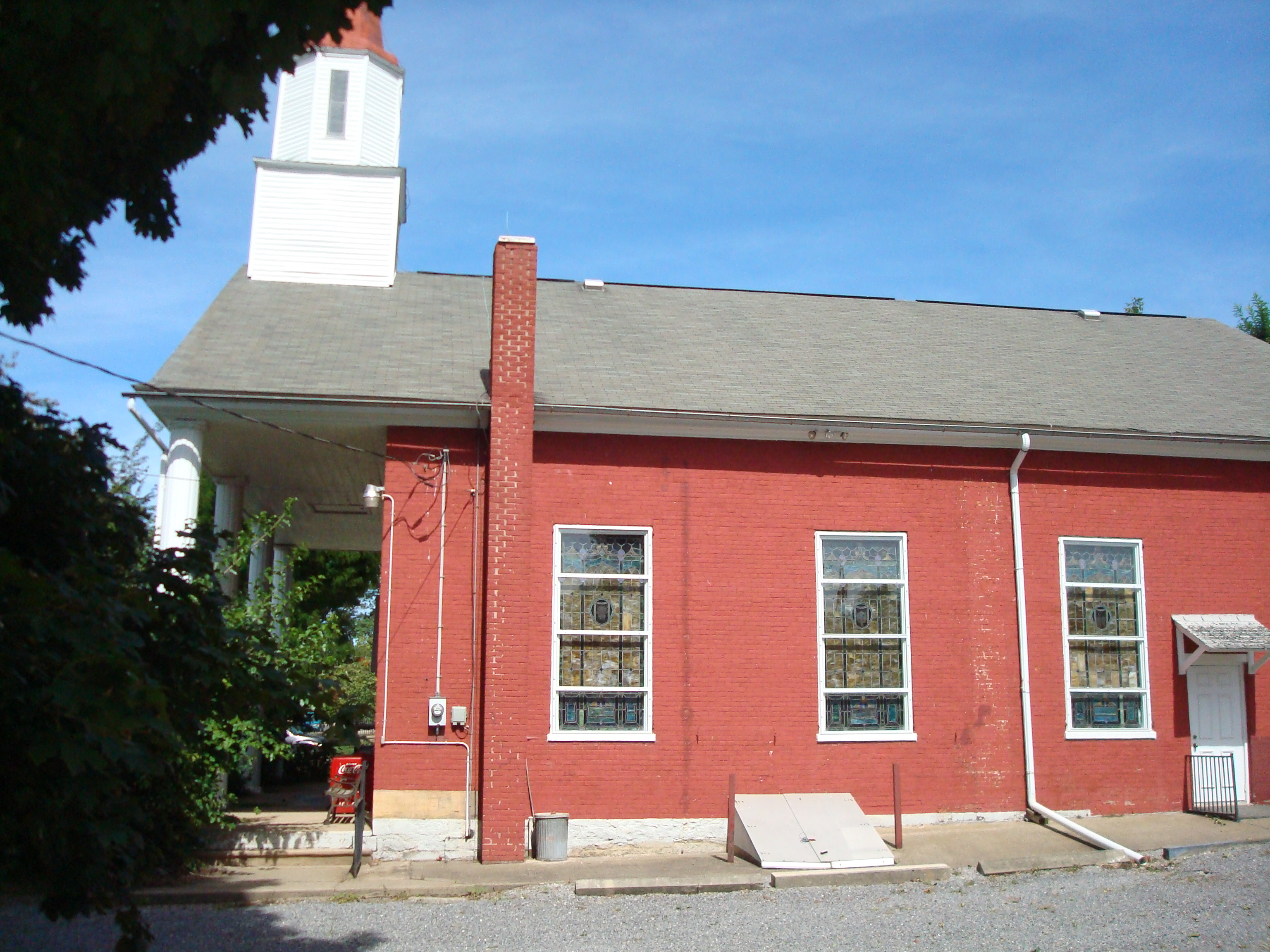
Recent photo of building that used to be Messiah Lutheran Church.
When I was a child in the middle of the 20th century, the children’s Sunday School classes were in the basement, but the adult classes were spread out in various corners of the main church sanctuary. I remember that sometimes my Sunday School class would end before the adult classes, and I’d come up the stairs into the narthex and peek through the doors into the sanctuary.
There were four adult classes: the men’s class, the women’s class, and the old ladies’ class, and the old men’s class. (Maybe the classes had another name—but I always called them the old ladies’ and old men’s classes).
I can remember Grandma and Helen sitting in the old ladies’ class. It was a small class—maybe seven people on a good Sunday—most Sunday’s there probably were about 5 people. My memory is that all had gray hair, wore loose-fitting dresses that seemed to lack any sense of style, and were bent over in weariness.
After reading the diary—I now wonder what those elderly women talked about on those Sunday mornings.
What do people talk about who’ve known each other for most of their lives? The good old days? . . their families? . . . gardening? . . . their health? . . . their deepest secrets (which may not really be secrets to people who’ve know each other for 50, 60, or 70 years)?