17-year-old Helena Muffly wrote exactly 100 years ago today:
Sunday, November 17, 1912: Went to Sunday School this afternoon. The house was simply topsy-turvy today. Such a mess. Pa and Ma were fixing the stove.
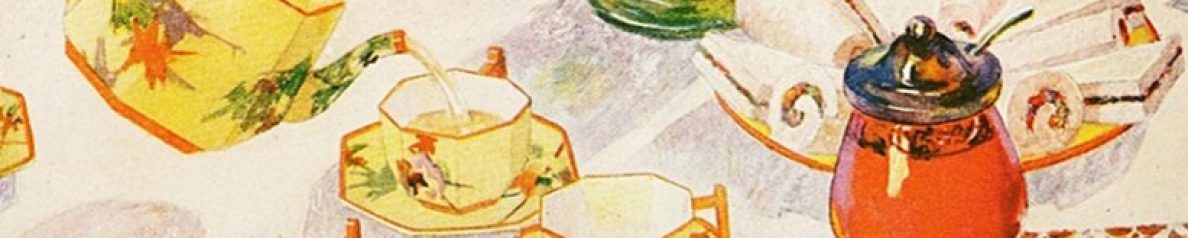
This isn’t a very good picture, but you can see what a stove in a kitchen looked like a hundred years ago. (Source: Good Housekeeping, May, 1911)
Her middle-aged granddaughter’s comments 100 years later:
I don’t know much about wood/coal stoves. What might go wrong that would require immediate repairs on a Sunday in November? How long was the stove out of commission?
What was the weather like? Was the house cold while they were fixing it? . . . Or did the house have two stoves—one in the kitchen and one in the living room?
What did they eat if they were unable to cook hot foods?
17-year-old Helena Muffly wrote exactly 100 years ago today:
Saturday, November 16, 1912: Didn’t have much at all to do this afternoon. I think you feel so funny when you have nothing at all to do.
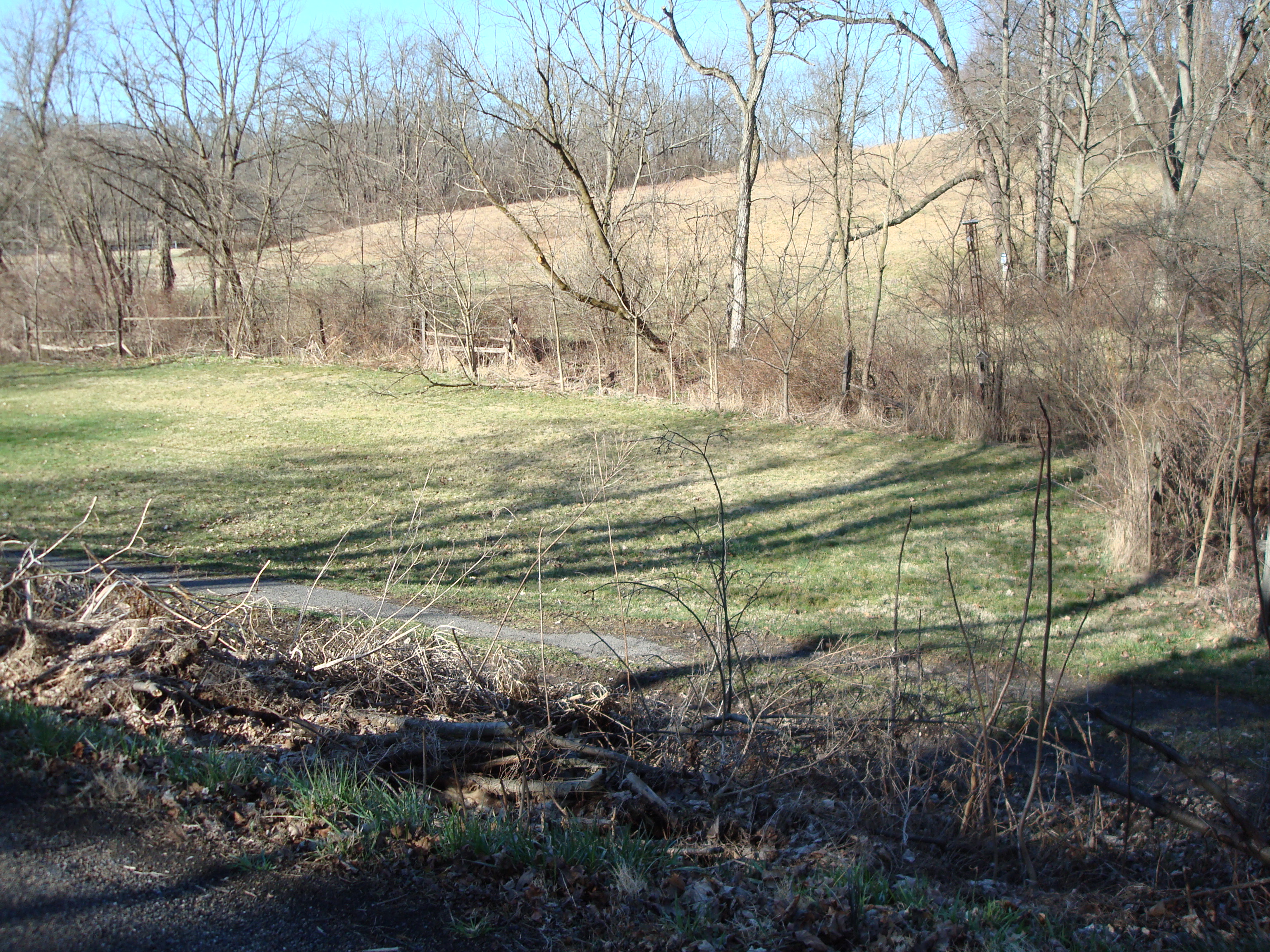
Recent view of the field across the road from the house that Grandma lived in.
Her middle-aged granddaughter’s comments 100 years later:
Many days when I read what Grandma wrote, I am surprised how similar teens a hundred years ago are to teens today.
But occasionally, like today, I’m amazed how astute Grandma was—even though she was only 17. I don’t think that I learned until I was well into my 40s that it feels funny when I have nothing to do—and that I’m happier when I’m busy doing things that are meaningful to me.
17-year-old Helena Muffly wrote exactly 100 years ago today:
Friday, November 15, 1912: Today we had the first meeting of our Literary Society. Everything went off pretty well. But all the same I’ve been having a terrible head-ache today. It is a little better at present.
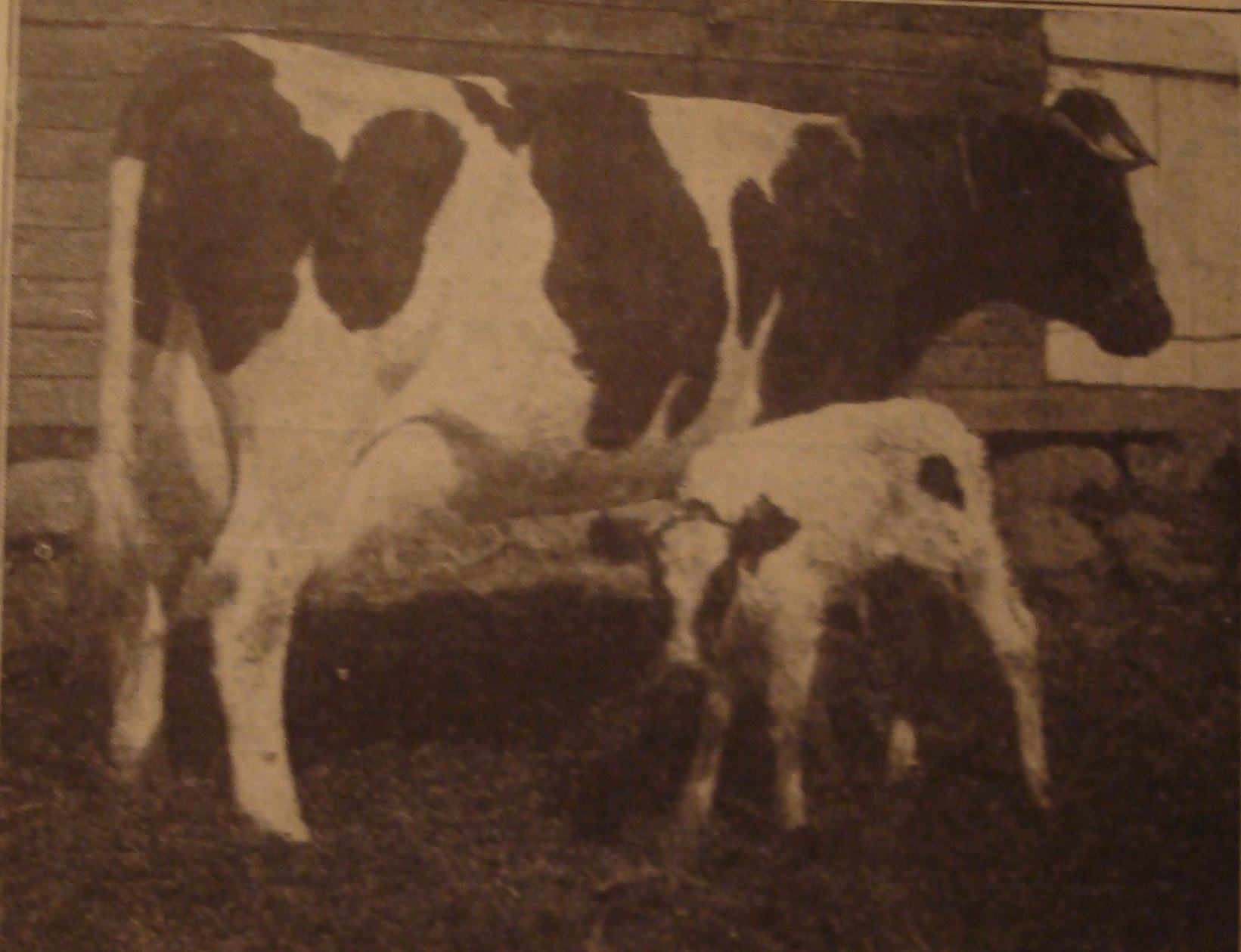
And now what do you think? Why when I come home, and had gone to the barn to gather eggs, I saw Mollie out there with a little calf, hers it was. Was rather surprised you see, I had waited so long for my ship to come in that I didn’t mind waiting.
Her middle-aged granddaughter’s comments 100 years later:
Lots happened in Grandma’s life a hundred years ago today. . . and this is one of her longer diary entries.
Grandma’s school started the Literary Society and Grandma has been very involved in planning for this meeting. She’s been really excited about this club—and seemed to enjoy getting ready for the meeting, but she’s also seemed stressed. I’m glad that it went well.
Mollie was Grandma’s cow. The previous year, she also was excited when Mollie had a calf—and eventually got some cash when the male calf was sold.
I think that Grandma’s parents gave (or sold) each of their children one calf. When the calf grew up and had its own calves—the child’s personal herd grew if it was a female, and the child got some money when the calf was sold if it was male.
For more on how farm children owned their own cows, see my post from last year when Mollie’s calf was sold:
17-year-old Helena Muffly wrote exactly 100 years ago today:
Wednesday, November 14, 1912: We are having such an awful time at school a getting the kids to practice their dialogue. I didn’t think it would be so hard.
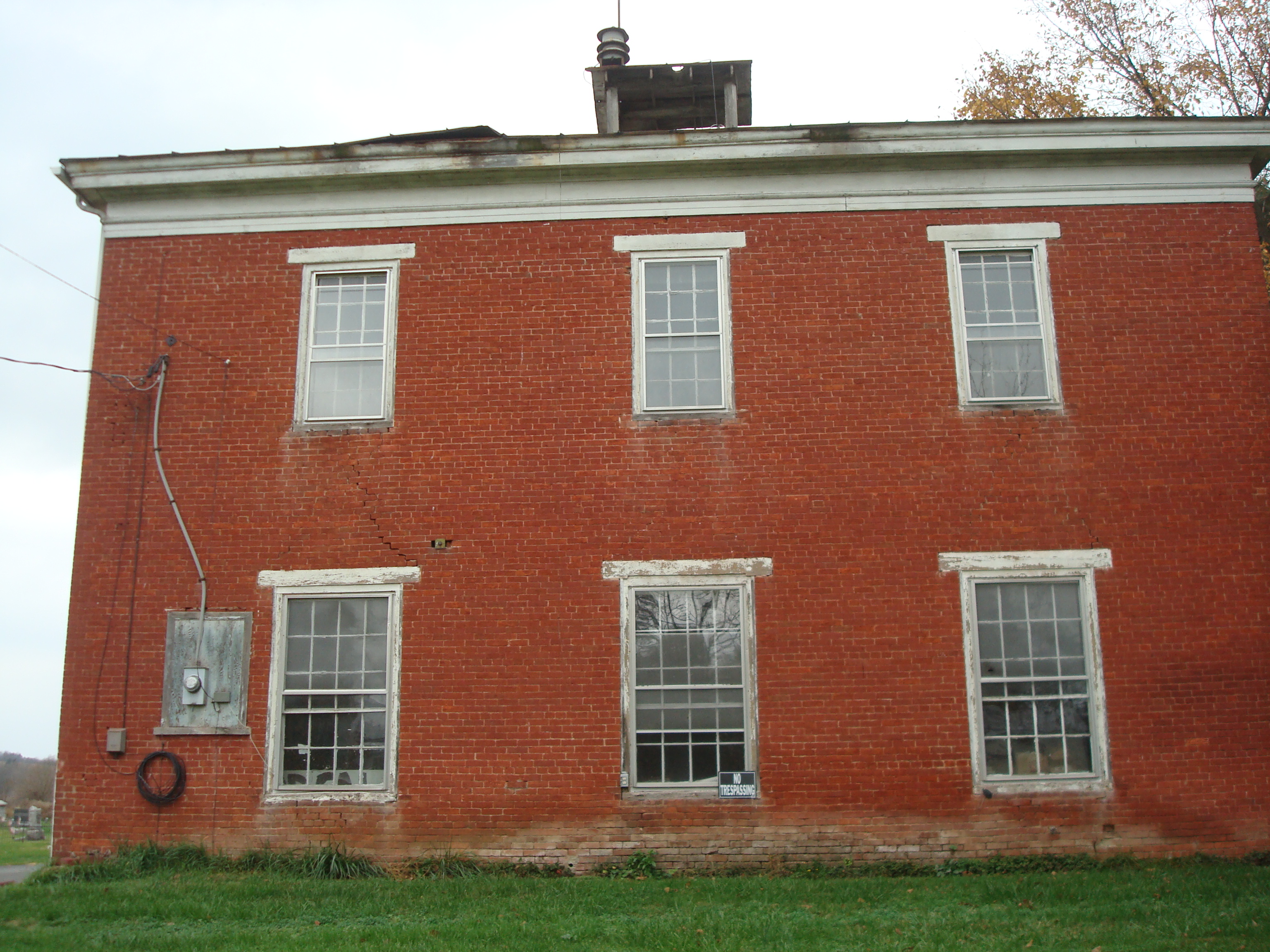
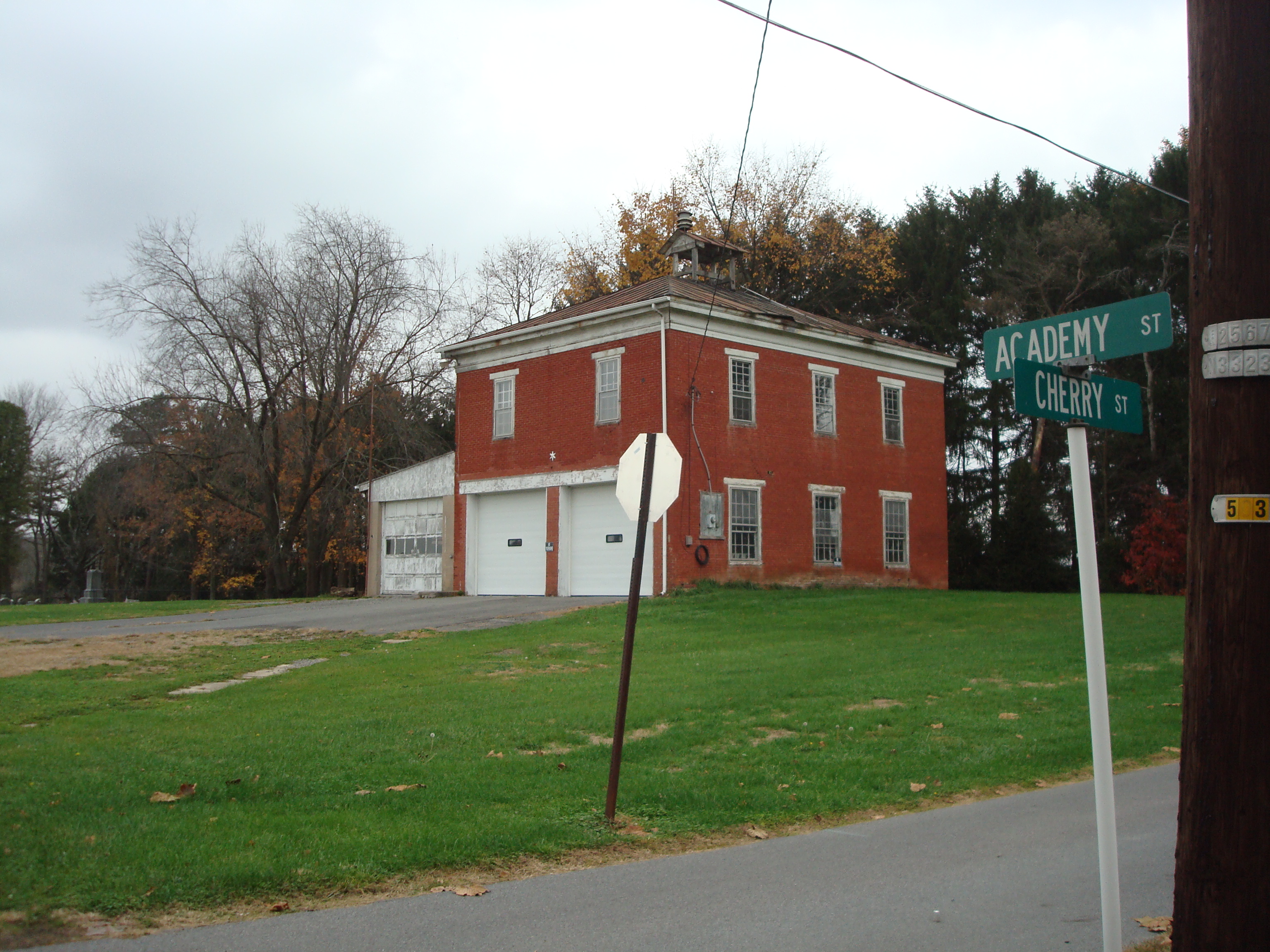
Building that once housed the McEwensville School.
Her middle-aged granddaughter’s comments 100 years later:
I’m always excited when a diary entry has lots of information; but then sometimes , like today, I end up being frustrated because I can’t put the pieces together.
Hmm—Obviously Grandma is having difficulty getting some group of students or children to memorize their parts for some sort of presentation.
Many recent diary entries have discussed the new Literary Society that was started at Grandma’s school in late October. She was very excited to be a committee member—and several recent entries have discussed how busy she’d been reading books and preparing for the Literary Society meeting. I’m not really sure what the Literary Society did—and, in past entries, I’ve leaned towards it being a book club. But, maybe the members really were supposed orally present parts of famous works .
. . . or maybe I’m headed in totally the wrong direction. . .
Maybe Grandma was helping downstairs in the primary school (the high school was on the second floor of the school building and the primary school was on the first) and working with the younger children to prepare for some sort of show or presentation.
or. . .
In any case—I can empathize with Grandma. It’s frustrating when people won’t do what you want them to do.
17-year-old Helena Muffly wrote exactly 100 years ago today:
Wednesday, November 13, 1912: Nothing of any account seems to be happening around here, so I can’t write much.
Here are the squash muffins I made.
Her middle-aged granddaughter’s comments 100 years later:
Another slow day for Grandma—the total opposite from my life.
I’m bustling around getting ready for Thanksgiving—cleaning the house and planning the menu for the big day.
I recently flipped through the November, 1912 issue of Ladies Home Journal looking for recipes that might be good this Thanksgiving.
Here’s a keeper I found for Squash Muffins. I tested them yesterday—and plan to make them again for Thanksgiving.
They’re delicious served warm with butter—and have a lovely, delicate taste. However, they are less sweet and heavier than many modern muffins, so I had to set aside my preconceived notions and just enjoy their old-fashioned goodness.
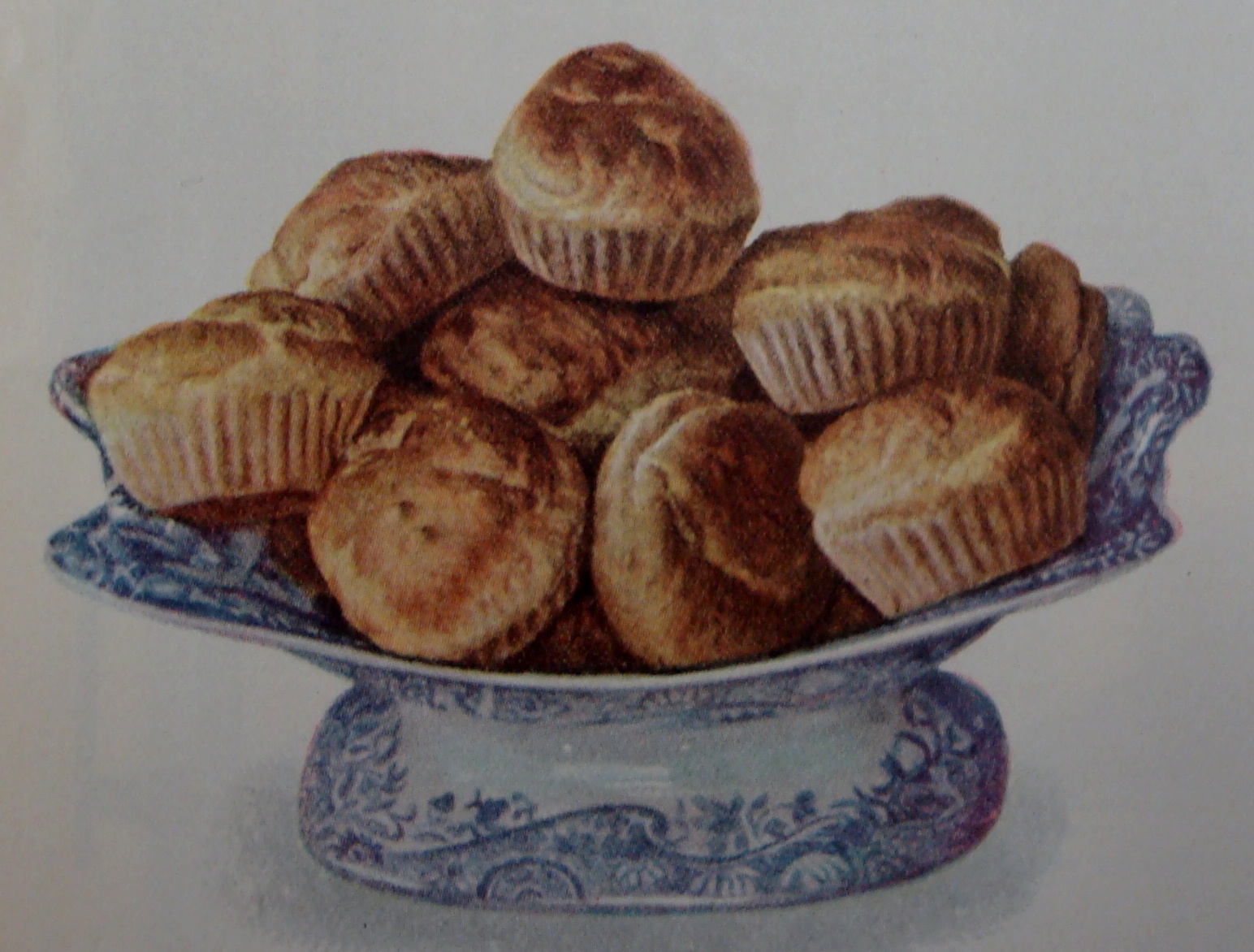
And, here is the picture of Squash Muffins in the November, 1912 issue of Ladies Home Journal.
Here’s the recipe—slightly adapted for modern stoves and ingredients.
Squash Muffins
Preheat oven to 400 degrees. Put two-thirds of a cupful of cooked squash into a bowl, then add a quarter of a cupful of sugar, two well-beaten eggs, two cupfuls of flour, half a teaspoonful of salt, three teaspoonfuls of baking powder and three tablespoonsfuls of melted butter. Mix well and bake in well-greased muffin pans for approximately twenty minutes. If these muffins are intended for a luncheon or a tea, a quarter of a teaspoonful of powdered ginger may be added.
Makes approximately 18 muffins
I added ginger—even though we ate the muffins at dinner.
I used hubbard squash, but butternut or other winter squash (or canned/frozen squash) would also work. I peeled and cubed about 1 1/2 cups of squash and boiled in water in a pan on the stove for about 15 minutes. I then drained the squash, mashed and measured out two-thirds of a cup to use in the recipe.
17-year-old Helena Muffly wrote exactly 100 years ago today:
Tuesday, November 12, 1912: It seems to me that I’m not studying very hard these days.
Her middle-aged granddaughter’s comments 100 years later:
Was the schoolwork easy or did Grandma have senioritis?
Recent photo of the building that once housed the McEwenville School. The high school was on the second floor.
Recent photo of the room that once was the high school classroom. The old slate chalkboard still sits along the wall. I can picture Grandma sitting in this room struggling to concentrate on her lessons. Click here for more about the school building today.
17-year-old Helena Muffly wrote exactly 100 years ago today:
Sunday, November 11, 1912: Am at a loss at what to write.
Her middle-aged granddaughter’s comments 100 years later:
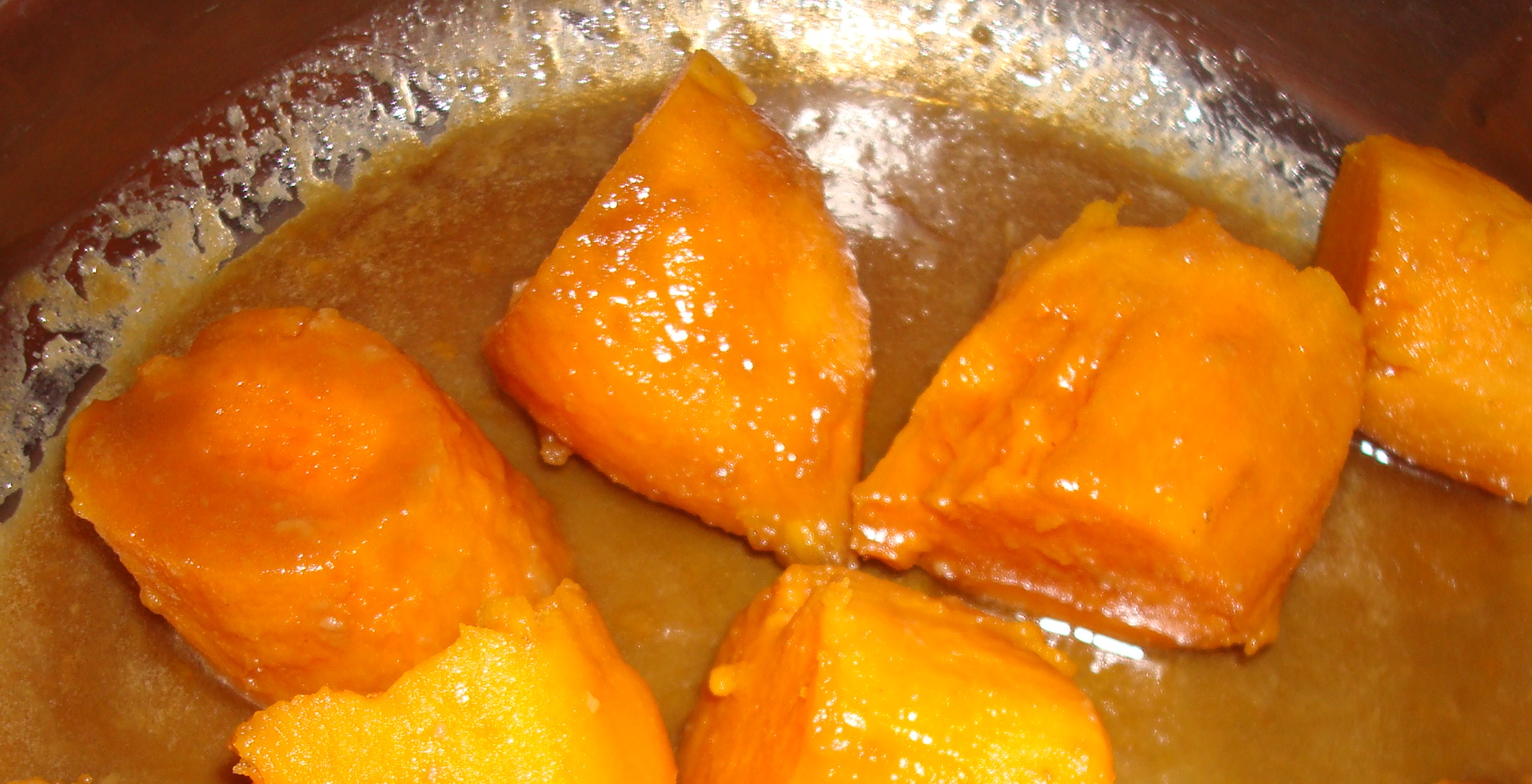
Since Grandma was at a loss as to what to write, I’ll share a favorite old recipe for Candied Sweet Potatoes. I always make this recipe for Thanksgiving. It’s easy and delicious.
Candied Sweet Potatoes
1 pound sweet potatoes (about 3 medium)
2 tablespoons butter
1/4 cup brown sugar (packed)
1 tablespoon milk
Put potatoes in large sauce pan. Add enough water to cover potatoes. Cover and heat to boiling; cook 30 to 35 minutes or until tender (i.e., can be easily poked with a fork). Drain. Slip off skins. Leave potatoes whole or cut into pieces.*
In a skillet, melt butter. Add brown sugar and milk; cook over medium heat; stirring constantly, until smooth and bubbly. Reduce heat to low. Add sweet potatoes, roll gently in syrup until glazed and heated through. Can let sit in pan on low heat for a few minutes while glaze thickens to desired consistency.
*Alternate directions to cook the sweet potatoes: Peel potatoes and cut into serving-sized pieces prior to cook cooking. Bring water to boiling; cook for 20 to 25 minutes or until tender.