Memories of Baking Cookies with Grandma

19-year-old Helena Muffly wrote exactly 100 years ago today: 

Friday, December 4, 1914:  Nothing much doing. More later on.
DSC09647

Her middle-aged granddaughter’s comments 100 years later:

As the holidays approach, I’d like to share a memory that includes both my mother and Grandma.

Mom always organized a cookie-baking party on an evening a week or so before Christmas. Each year my brother and I rushed to finish our farm chores so we could eat an early supper—and then bake cookies. Following the meal, we washed the dishes while Mom went to get Grandma, who lived in a bungalow two miles away.

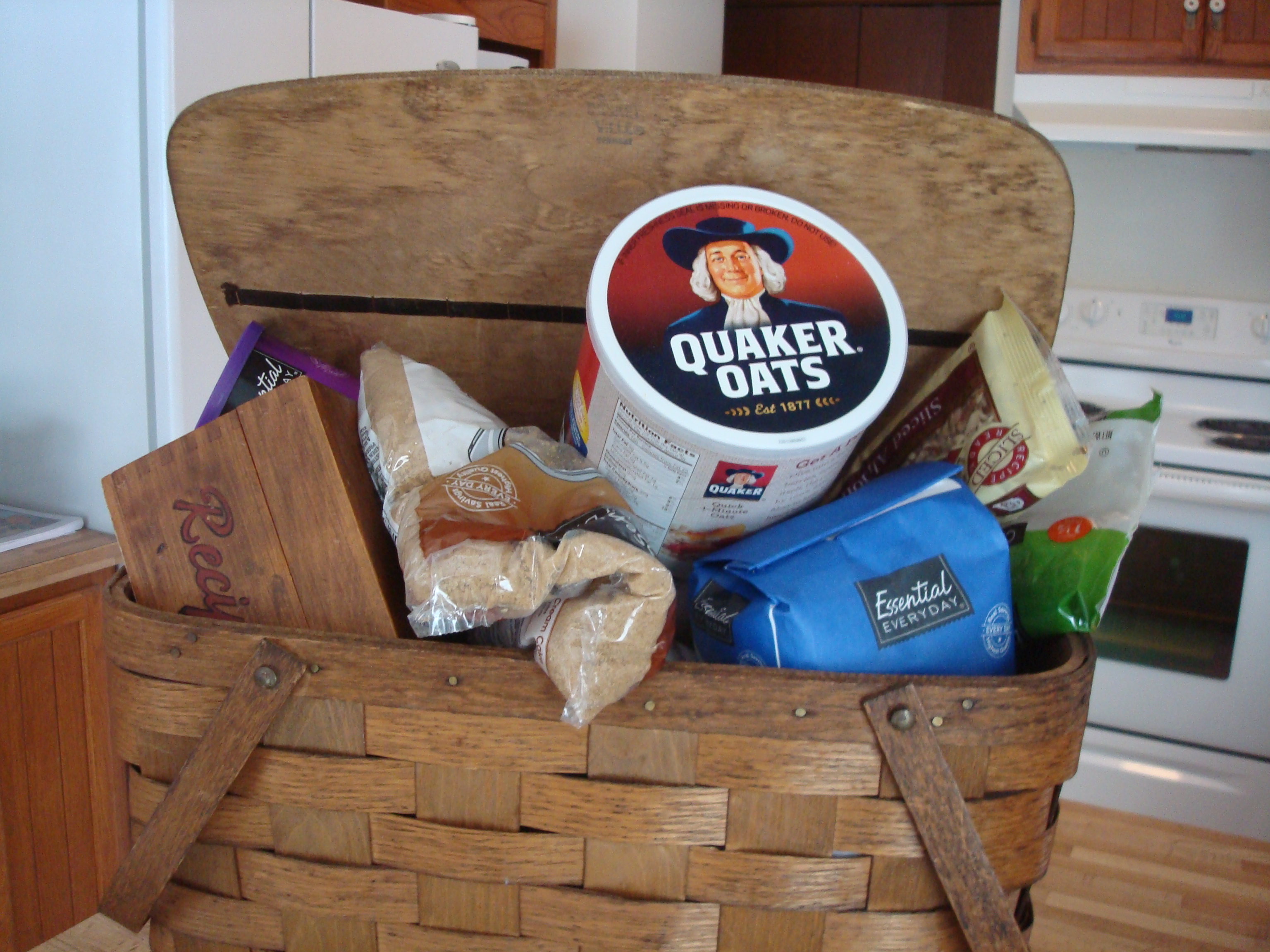
Soon Grandma would be struggling through the kitchen door carrying a huge basket filled with cookie ingredients—walnuts, raisins, brown sugar, flour, baking chocolate—and her recipes.

We’d sort through Grandma’s (and my mother’s) recipes, and try to decide which cookies to make. Many of the recipe cards indicated that the source of the recipe was a great-aunt, cousin, or other relative.

The decision about which cookies to make required a discussion not only of the merits of each perspective recipe, but also of the person who originated the recipe. Should we make Great-grandma’s filled raisin cookies? (“Dad always loved them.”) . . . or that wonderful Sand Tart recipe that came from someone who was a neighbor of my mother’s 40 years ago (“Don’t know whatever happened to her, but she was a wonderful cook.”) . . .

Ah, the memories. . . I could go on and on.

____

Grandma’s diary ends on December 29. Over the past several months readers of A Hundred Years Ago have made many wonderful suggestions about how to send Grandma off to live the rest of her life.

I’ve decided to go with a Bake-a-thon because baking cookies with Grandma holds special memories for me and I know that the older version of Grandma loved our annual cookie baking party—so I think that she would have enjoyed a virtual Bake-a-thon.

Come back tomorrow—and I’ll share details about how you can participate in the Bake-a-thon.
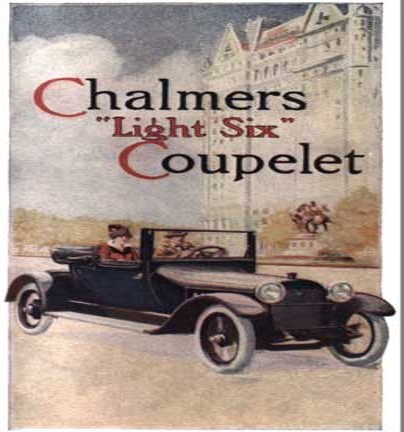
Twenty Reasons to Buy a 1915 Chalmers “Light Six” Automobile

19-year-old Helena Muffly wrote exactly 100 years ago today: 

Thursday, December 3, 1914: Autoed over (in my dreams) and took several pictures of Ruthie’s school. Do hope they will be good this time.Chalmers 3

Her middle-aged granddaughter’s comments 100 years later:

Grandma-

It sounds like fun to take pictures at your sister Ruth’s school.

In your dreams, what kind of a car did you auto over in? Maybe a Chalmers Light Six—According to the advertisements, it is as “safe and easy as an electric for a women to drive” (see number 6 below), but ever so much cooler.

Twenty Reasons for Buying a 1915 Chalmers “Light Six”

  1. It is a manufactured—not an assembled car. Built completely in the Chalmers shops by Chalmers trained workmen under rigid Chalmers inspections.

  2. Supremely good looking. Streamlined body, clean running boards, oval fenders, fine finish, and attractive colors. Pronounced by experts “the best looking car on the market.”

  3. Easy riding. Long wheelbased-126 inches. Long flexible springs, main leaf of Vanadium steel. Rear springs underslung.

  4. Medium weight. Lighter than most fours selling at the same or greater price; heavier than any of the so-called “light sixes.” Scientifically tested for a four-fold margin of safety, yet light enough to be economical; no flimsiness—no unnecessary weight.

  5. Weight perfectly distributed, hence no tire destroying sidesway. Concentric torque tube and perfect spring suspension make car hold well to any road.

  6. Non-stallable motor. Chalmers-Entz electric starter won’t let motor stop. Greatest element of motor safety ever introduced. Makes car safe and easy as an electric for a woman to drive.

  7. Left-hand drive, center-control, entrance or exit from either side of car. Starter and ignition switch, electric light control, carburetor adjustment, gasoline and oil gauges, speedometer, on cowl board of dash. Motor and all lubrication points accessible.

  8. Big power; small motor. Chalmers built. Even the castings made in Chalmers foundries. Small bore, extra-long stroke (3 ½” bore by 5 ½” stroke) develops unusual power. Very large Tungsten steel valves. Will not warp or pit, so no power is wasted. T-head design gives the smoothness of the turbine—the flexibility of steam.

  9. Practically unnecessary to shift gears: widest range of speeds on high. Such flexibility possible only in a “six” and rare even among “sixes.”

  10. Absence of vibration. All moving parts of motor perfectly balanced. Long stroke, six cylinder motor gives steady pull and sweet running. No intermittent power strokes pounding ceaselessly at bearings, cylinder walls, and gears. Upkeep expense reduced to minimum.

  11. All valve mechanism fully enclosed. Large oval cams open and shut with velvet smoothness. Perfect lubrication eliminates noise of operation.

  12. Simplest design of any “six.” Single unit ignition. Honeycomb radiator, cooling without complicated pump. Elimination of many moving parts cuts down weight and expense.

  13. A safe car. Frame of heavy, channel section pressed steel. Drop forged steering connections. Heavy artillery type wheels. Brakes 25 times as powerful in proportion to weight as those on a locomotive. Chalmers built axles of highest quality, heat-treated steel.

  14. Large bearings, positive lubrication, heat-treated gears, highest quality of materials insure least wear and minimum upkeep expense.

  15. Generously large. A “Light Six” but not a “little six.” Seats wide and deep. Ample leg room, both front and rear. Doors exceptionally wide. Luxurious upholstery.

  16. 1915 refinements. The “Master Light Six” is a year ahead in design. All moving parts enclosed. Transmission gears interlocking. Doors hung on invisible hinges. Doors flush fitting without moldings. Running boards clear. Gasoline tank can be filled without disturbing passengers.

  17. Fully equipped. Mohair top, quick acting curtains, rain vision windshield; five demountable rims; tire carrier at rear; electric lighting system with Chalmers combination headlights; speedometer, electric horn, license brackets, full set of tools, tire repair outfit.

  18. Faster selling “Six.” The “Light Six” is the most popular car ever built by the Chalmers Company. In April we shipped 1568 cars, an average of 60 cars per day. In this one month alone the public paid $3,000,000 for Chalmers “Sixes.” Buy the car the motor-wise have decided is best.

  19. Because it’s a Chalmers. This means that back of the Master “Light Six” stands one of the largest and strongest manufacturing companies in the United States. It means that the dealer you buy it from stands back of the car to see that you get satisfaction and full value.

  20. Price $1800: Experts say the Chalmers “light Six” is the greatest value ever offered at $1800. But mere figures can’t express the real worth of much a car to you and your family. Ask your wife if this isn’t the kind of car she wants. Ask her if it won’t be worth many times its price in health and recreation for the whole family. Take her with you to see the Master “Light Six”—together you will decide such beauty and value were never before offered at $1800.

Kimball’s Dairy Farmer Magazine (June 1, 1914)

Making Handkerchiefs for Xmas Gifts

19-year-old Helena Muffly wrote exactly 100 years ago today: 

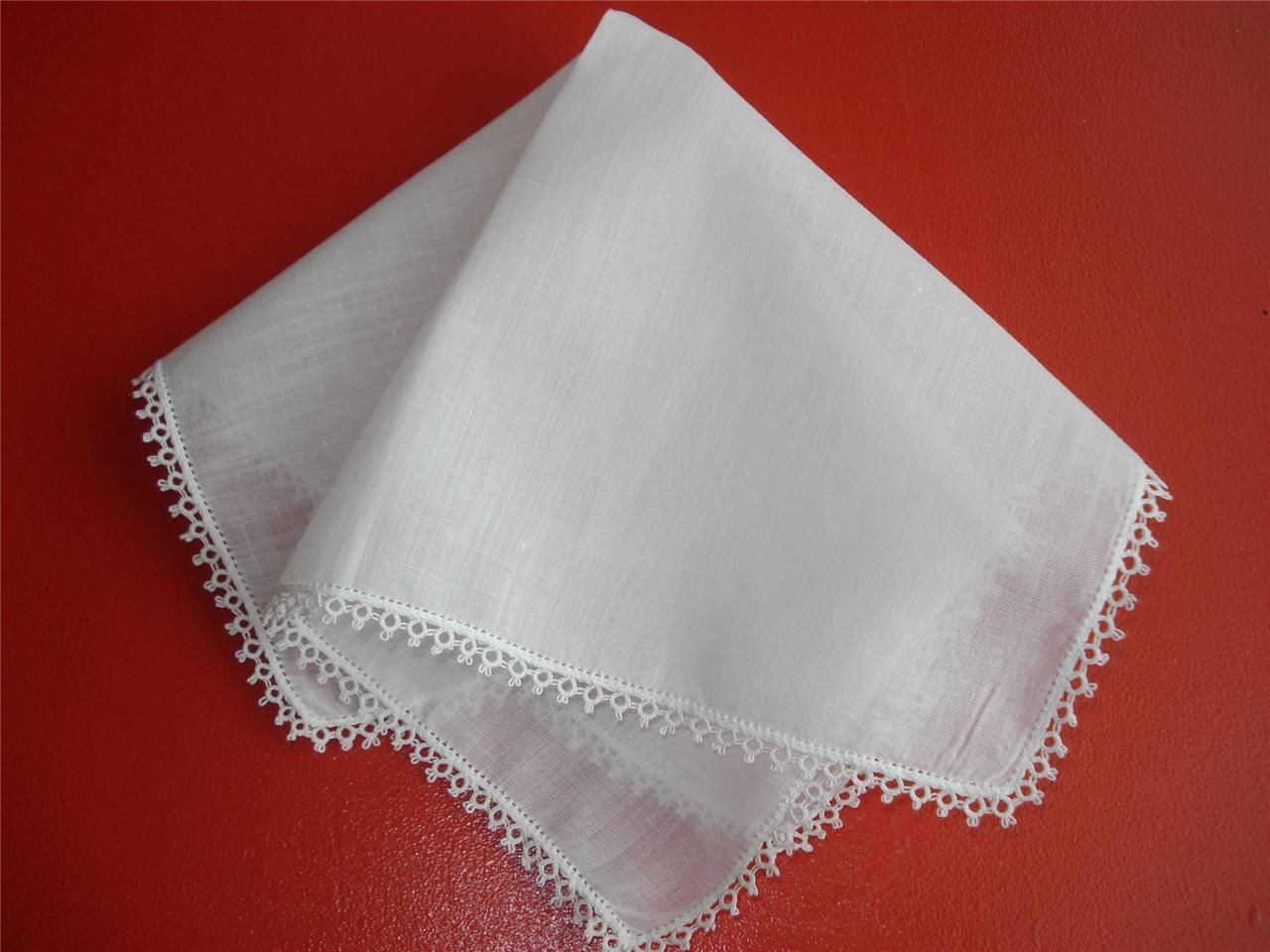
Wednesday, December 2, 1914: Am making handkerchiefs for Xmas presents. They are to be real nice and fancy, with edging of my own makings on them.

tatted handkerchief

Her middle-aged granddaughter’s comments 100 years later:

Grandma-

The handkerchiefs sound lovely. Do they have a tatted edging? Tatting is so delicate and beautiful. I have vague memories that your married sister Besse showed you how to tat last summer:

Besse was trying to teach me tatting today. Am awful stupid about it, but still I persist in trying to make the stuff. It takes some patience.

June 11, 1914


December’s on the Way

19-year-old Helena Muffly wrote exactly 100 years ago today: 

Tuesday, December 1, 1914:

The Twenty-fifth is near, December’s on the way,

And thoughts of presents nice and dear fill every passing day.

‘I wonder what I’ll get’ is what we often think

Until the day has dawned again all rosy and pink.

The last month of the year. I must hurry and fill up the remaining pages of this diary by writing silly nothings in it.

Brought my dress home. It suits me to a T. Ma doesn’t seem to like it very well, but maybe she will when she sees it on me.

Source: Ladies Home Journal (October, 1914)

Her middle-aged granddaughter’s comments 100 years later:

Grandma—

WHAT YOU ARE WRITING ARE NOT SILLY NOTHINGS! I know that you can’t possibly understand, but THEY ARE IMPORTANT THOUGHTS.

In any case—Even if you think your words are silly, please be generous with them. Someone will care about them someday.

P.S. I’m keeping my fingers crossed that your mother will like the dress after you model it for her.

Monthly Poem in Diary

Grandma began each month of the Diary with a poem. See this previous post for more information about them:

Monthly Poem in Diary

Thank You!

I’d like to thank all of you who took a moment yesterday to write a comment about why you regularly visit this blog. I’m amazed by the varied reasons that you visit—and I’m humbled by your kind, heartfelt words.

And, I think that Grandma would be absolutely astounded that so many of you read her words and story—and , I also think that, in her quiet way, that she’d be thrilled that people still remember and care about her a hundred years later.

Why do you visit A Hundred Years Ago?

19-year-old Helena Muffly wrote exactly 100 years ago today: 

Monday, November 30, 1914: <<no entry>>

DSC06502

Her middle-aged granddaughter’s comments 100 years later:

A few weeks ago Dirndl Skirt made the following comment:

. . . For all the work you put into this, it might be nice to get personal feedback as to why people connected with it. And a bit of introspection on the part of your readers’ would probably reveal some interesting observations as well, for you and for us.

And, I’ve been really curious ever since.

So since Grandma didn’t write anything a hundred years ago today, I’d like ask you a question:

What brought you to A Hundred Years Ago? . . . and why have you kept coming back?

Took Photo of Sister and her Friend

19-year-old Helena Muffly wrote exactly 100 years ago today: 

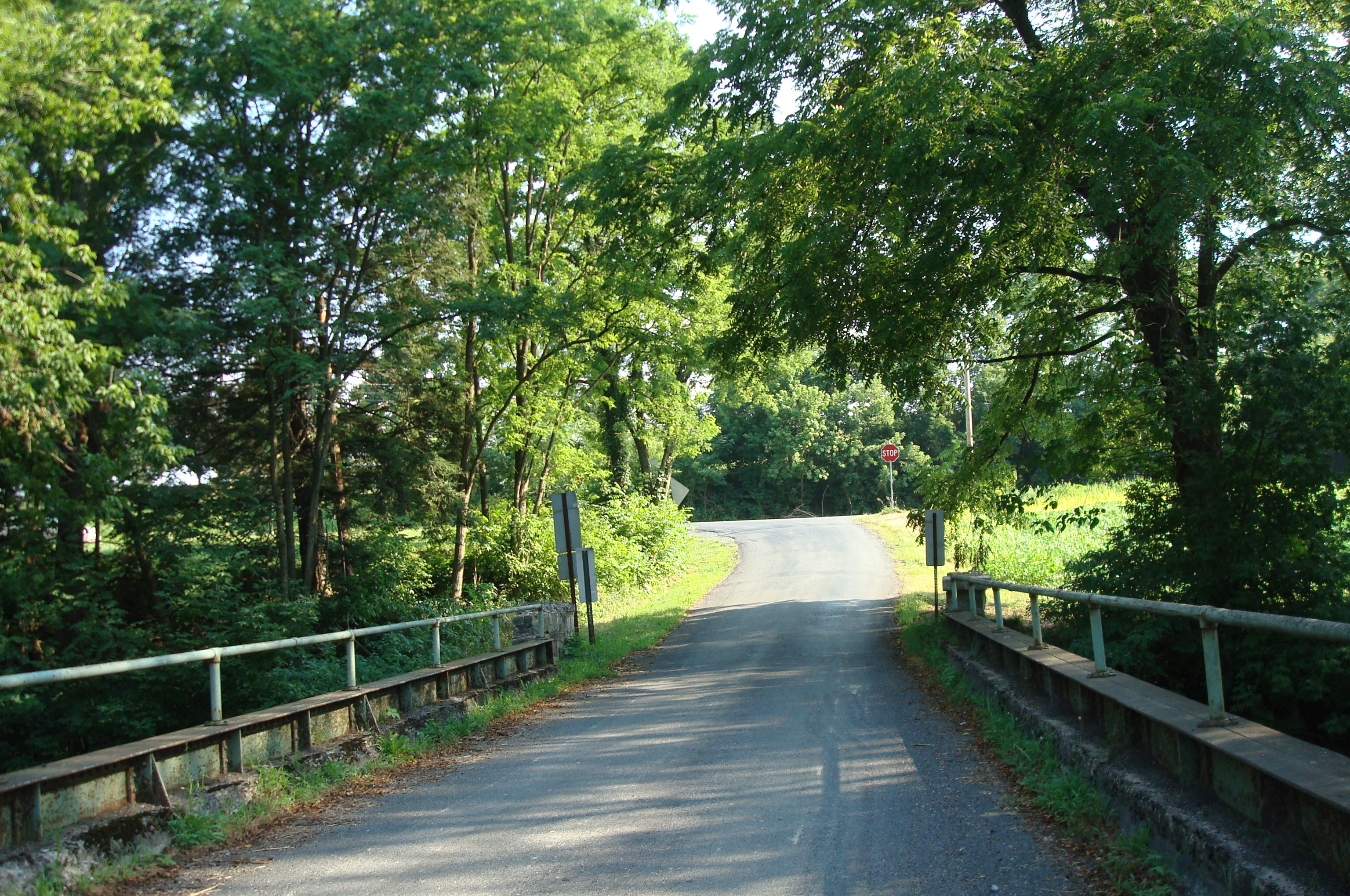
Sunday, November 29, 1914: Rufus had company today. Took their pictures over on the new bridge.

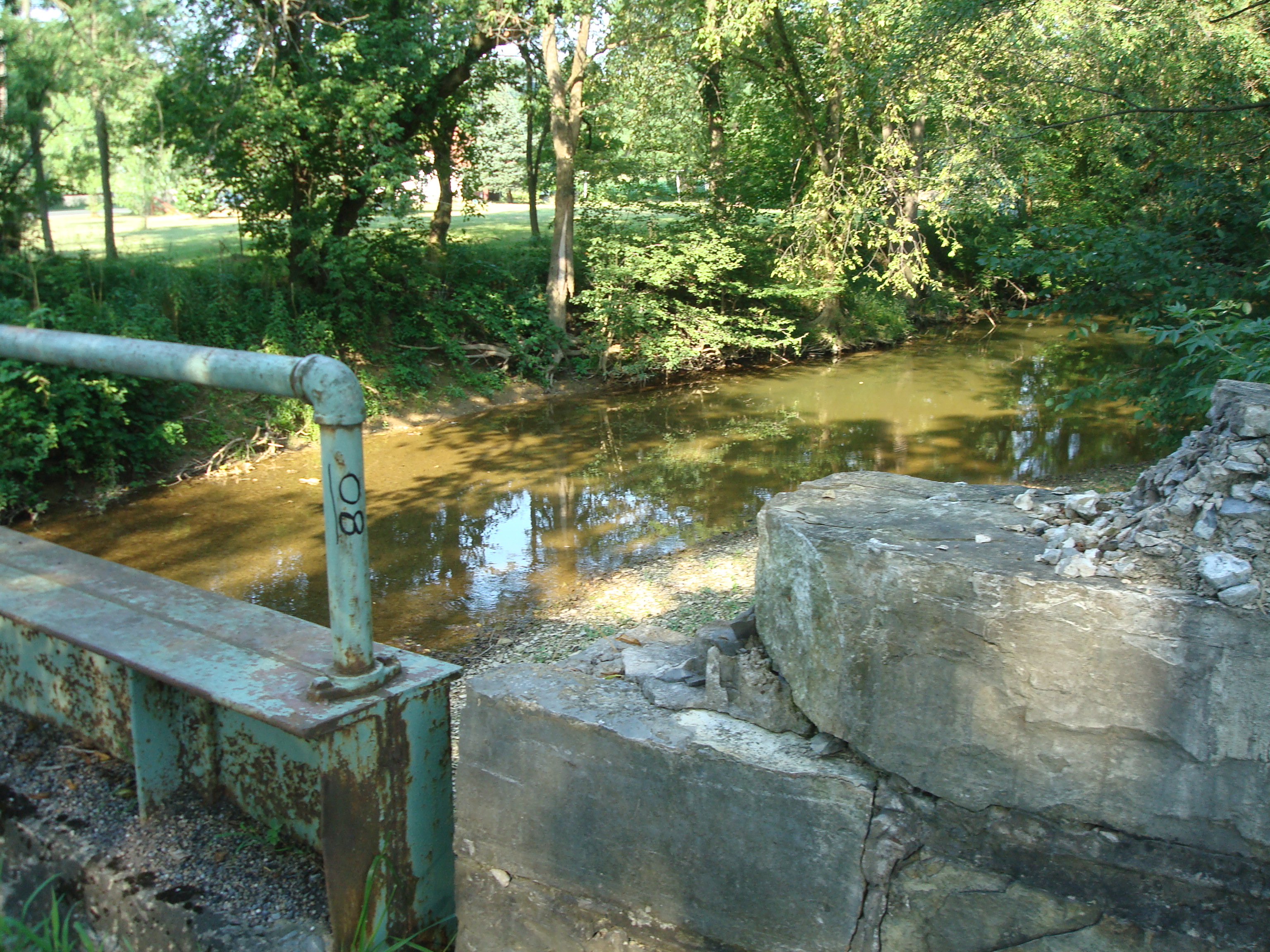
Recent photo of a small bridge near the Muffly farm

Her middle-aged granddaughter’s comments 100 years later:

Grandma—Do tell, was your sister Ruth’s company male or female? (It’s been a long time since you’ve called her Rufus. Are you just a little bit jealous?)

And, did you take their picture on the bridge that goes over the creek that flows by your family’s farm? I can picture a really old bridge. Maybe it was new a hundred years ago–though I suppose that it’s been replaced several times over the course of the last hundred years.DSC04313


Hundred-Year-old Soy Milk Description

19-year-old Helena Muffly wrote exactly 100 years ago today: 

Saturday, November 28, 1914: <<no entry>>

Source: National Food Magazine (November, 1910)

Her middle-aged granddaughter’s comments 100 years later:

I recently came across this hundred-year-old description of soy milk. Since Grandma didn’t write anything a hundred years ago today, I thought you might enjoy reading it.