18-year-old Helena Muffly wrote exactly 100 years ago today:
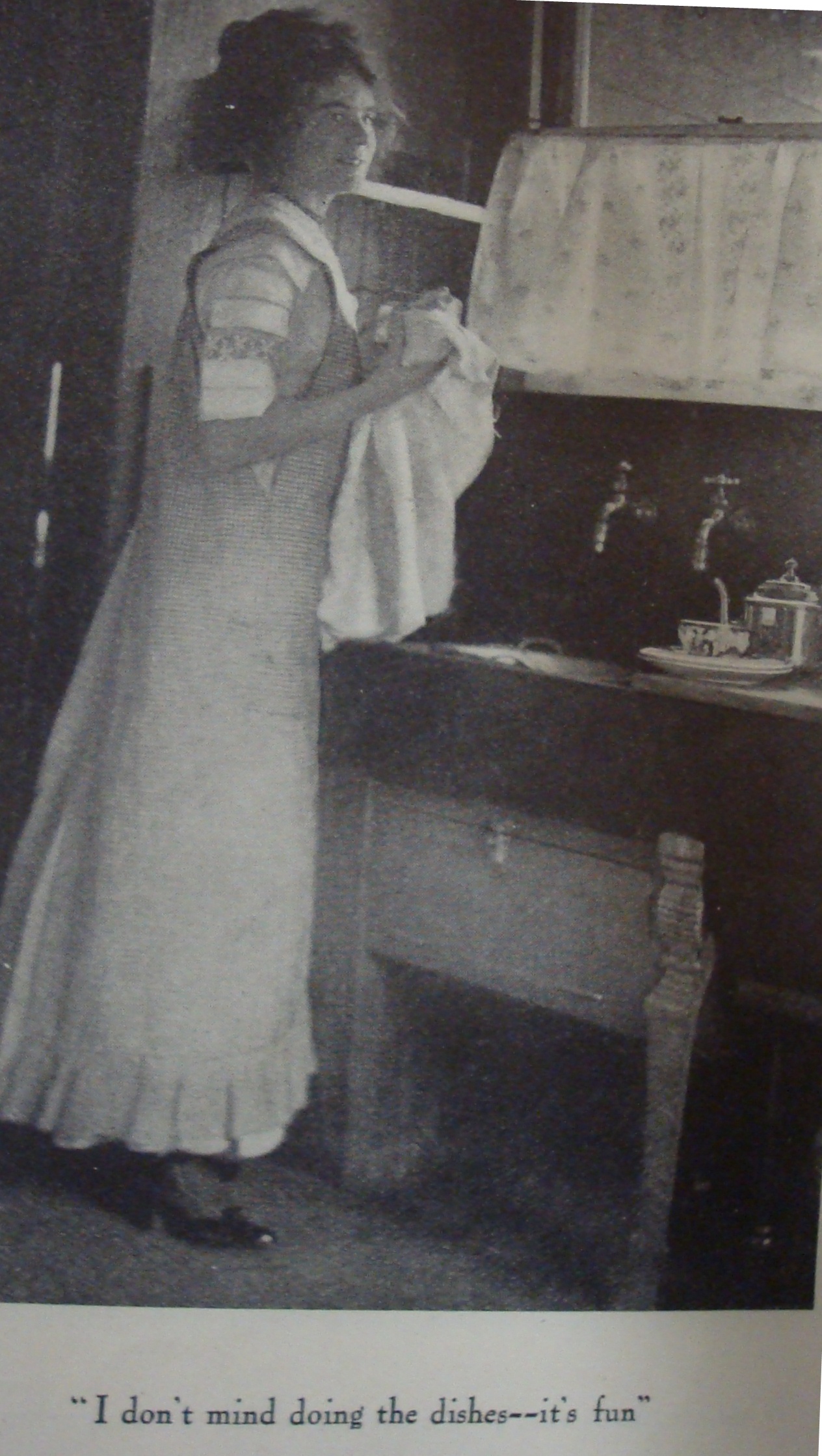
Monday, November 24, 1913: Cleaned the kitchen today. Feel rather tired and sleepy by this time.
Woman at Sink (Source: Ladies Home Journal, April, 1911)
Her middle-aged granddaughter’s comments 100 years later:
Grandma—
I understand how you feel. I did a major cleaning and re-organization of my kitchen cabinets last week-end, and I was also exhausted by the time I finished.
—
Here’s some advice from a hundred-year-old book on cleaning the kitchen sink:
The care of a house increases in proportion to the plumbing. Odors are often found in houses where the plumbing is of the very best, but this can be helped and possibly prevented by the intelligent use of proper disinfectants.
Kitchen Sink: The kitchen sink should be treated every other week with a hot solution of sal-soda (washing soda).
A solution of sal-soda is made by dissolving one pint or one pound of sal-soda to four gallons of boiling water; pour this while hot into the pipes; for pipes which may be clogged with grease make the solution much stronger.
Housekeeper’s Handy Book (1913) by Lucia Millet Baxter
18-year-old Helena Muffly wrote exactly 100 years ago today:
Sunday, November 23, 1913:Went to Sunday School this morning. The Lutherans gave a thank offering this evening. Was present.
Harold Swartz (1923 – 2013) reading printed-off copies of A Hundred Years Ago posts.
Her middle-aged granddaughter’s comments 100 years later:
The recent series of posts that I did on the death and funeral of Grandma’s grandfather were really difficult for me. They hit too close to home.
All month I’ve gone back and forth about how much to share about my personal life –and how much to keep it separate from the happenings a hundred years ago. I think that I’m now ready to share.
My 90-year-old father, Harold Swartz, passed away on October 31, 2013. He was Helena’s son.
During early November I barely managed to do the daily posts (and sometimes wondered if I should even be trying) — but somehow I felt like Dad wanted me to do them.
Then, on November 19, I got to the spot in the diary where Grandma’s grandfather died. I dreaded writing that post—and when I calculated that he was also 90 years old. . . .whew.
Dad was one of the reasons that I started this blog. I did it to give me things to talk about with him, and it was an activity we enjoyed doing together.
During the first year or so of the blog, every time I visited Dad, we’d go on car rides to take pictures of places that Grandma mentioned in the diary. I learned so much about Grandma (and Dad) during those trips.
Most mornings I called Dad. We’d often discuss upcoming diary entries. Sometimes, particularly when Grandma wrote about agricultural topics, Dad would help me figure out what she was talking about. For example, on June 24, 1911 she wrote:
. . . Have to carry the hay rope now. Such fun.
And, here is what I wrote:
My father guesses that Grandma was half carrying and half dragging the hay rope to keep the horse from inadvertently stepping on it.
Dad said that when he was young there were pulleys on a track that ran down the center of the inside of the barn roof. Depending upon where the farmer wanted to pile the hay the pulleys would be moved along the track. A young man with excellent balance would climb up onto a beam in the barn rafters and move the pulleys along the track as needed.
One end of the rope was attached to a large clamp (hay hook) that was used to pick up a large bunch of loose hay from the wagon.
The rope went then went through the pulley system—and the other end of the rope was attached to a horse. On command the horse walked forward and the pulleys lifted the hay into the mow.
The hay was then released and the rope went limp and a portion of it would fall to the barn floor. The horse would then be walked back to the original position and the process would be repeated.
My father says that when he was a child, the adult men did the heavy work, and the children did the easier jobs. His older sister Marjorie would lead the horse as it pulled the hay upward—and then circle it back to the original position after the hay was released.
And my father would pick up the rope when it fell to the floor after the hay was released and keep it away from the horse’s feet. Dad says that if a horse stepped on the rope it would damage it by breaking some of the strands. Then there would be the risk of the damaged rope breaking, which might result in a dangerous accident if it broke while the hay was being lifted.
Dad, I miss you! Without your assistance, this blog won’t be quite as rich.
18-year-old Helena Muffly wrote exactly 100 years ago today:
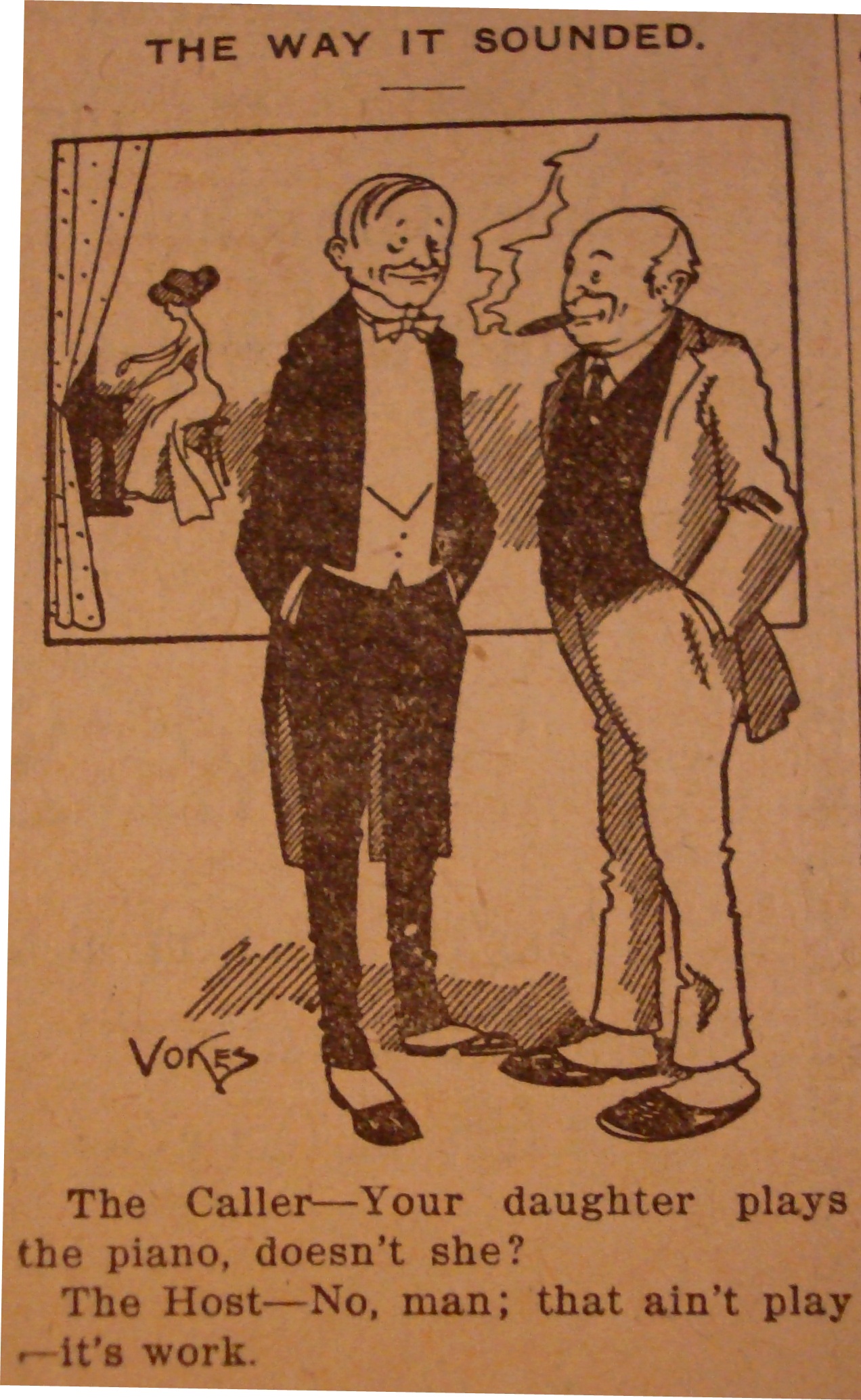
Friday, November 14, 1913: My music teacher didn’t think, or I mean she did think, that I hadn’t practiced my lesson any too much. It didn’t surprise me any for I didn’t put much work on it.
Source: Watsontown Record and Star (May 1, 1914)
Her middle-aged granddaughter’s comments 100 years later:
I wonder if this old cartoon would have resonated with Grandma . . . or with her parents.
18-year-old Helena Muffly wrote exactly 100 years ago today:
Monday, November 13, 1913: Am trying to fix one of my winter <missing word>. Wonder how it will turn out. I am good at doing awful sewing.
Source: The Dressmaker (1911)
Her middle-aged granddaughter’s comments 100 years later:
Grandma—
I understand. I’m also good at doing awful sewing.
I’m not a good seamstress because I’m not a careful sewer and tend to take shortcuts. Were you the same? Did you skip steps like basting?
—
Here’s basting directions from a hundred-year-old book:
Bastings are temporary stitches used to hold two or more pieces of material together while putting in the permanent stitches. Careful basting is essential to successful sewing.
There are four kinds of bastings.
Even Bastings start with a knot of the right side so that they may be easily removed. Pass the needle over and through the material making the stitches and spaces the same length. To fasten the thread, take two stitches over the last one made. (Fig. 1)
Uneven Bastings are made by the method just described for even bastings, except that the stitches and spaces are of unequal length. The stiches taken upon the needle are about a third shorter than the space covered by the thread. (Fig. 2)
Combination Bastings are used on seams where extra firmness is desired for close fitting. They are made by taking, alternately, one long stitch and two short stitches. (Fig. 3)
Diagonal Bastings are slanting and used in dressmaking to secure the outside material to its lining, particularly where the lining is eased on to the material, as is often the case in waist-making. The method is shown in Fig. 4.
The Dressmaker (The Butterick Publishing Company, 1911)
18-year-old Helena Muffly wrote exactly 100 years ago today:
Tuesday, November 11, 1913: Nothing, nothing.
Wrong Way
Right Way
Her middle-aged granddaughter’s comments 100 years later:
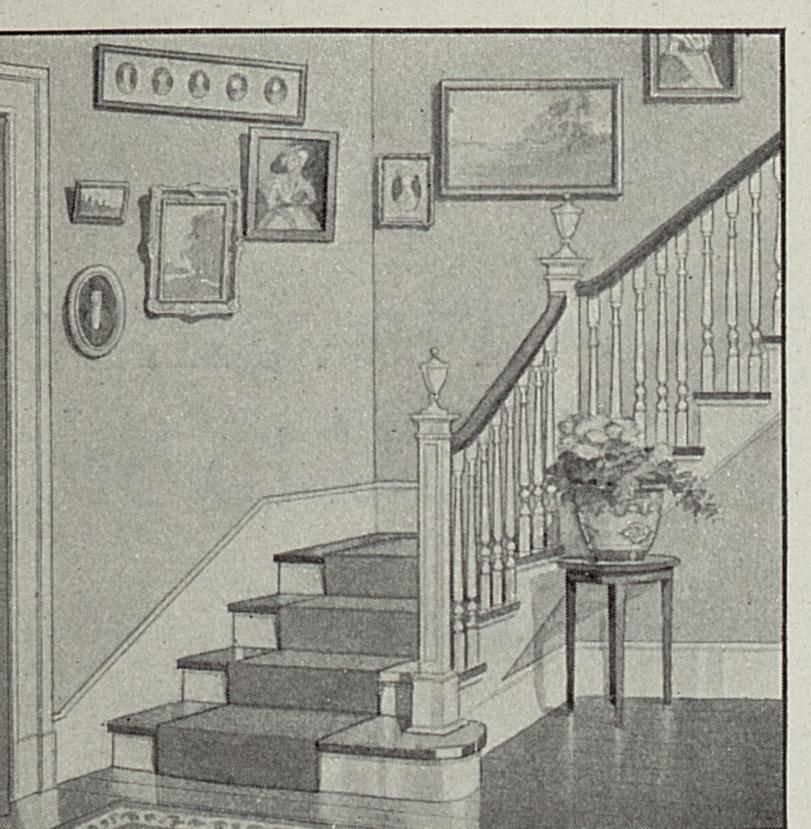
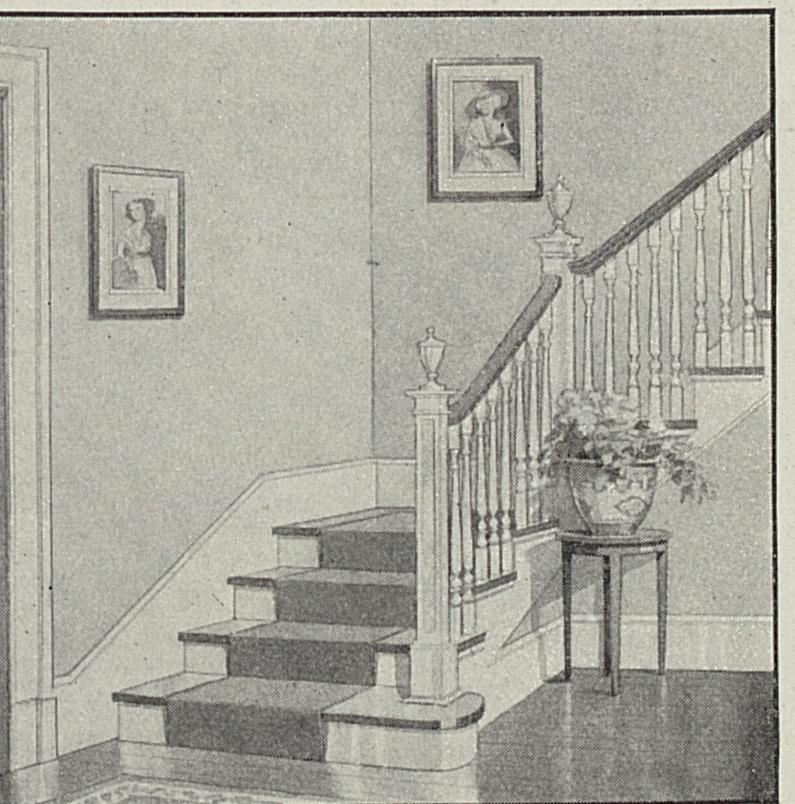
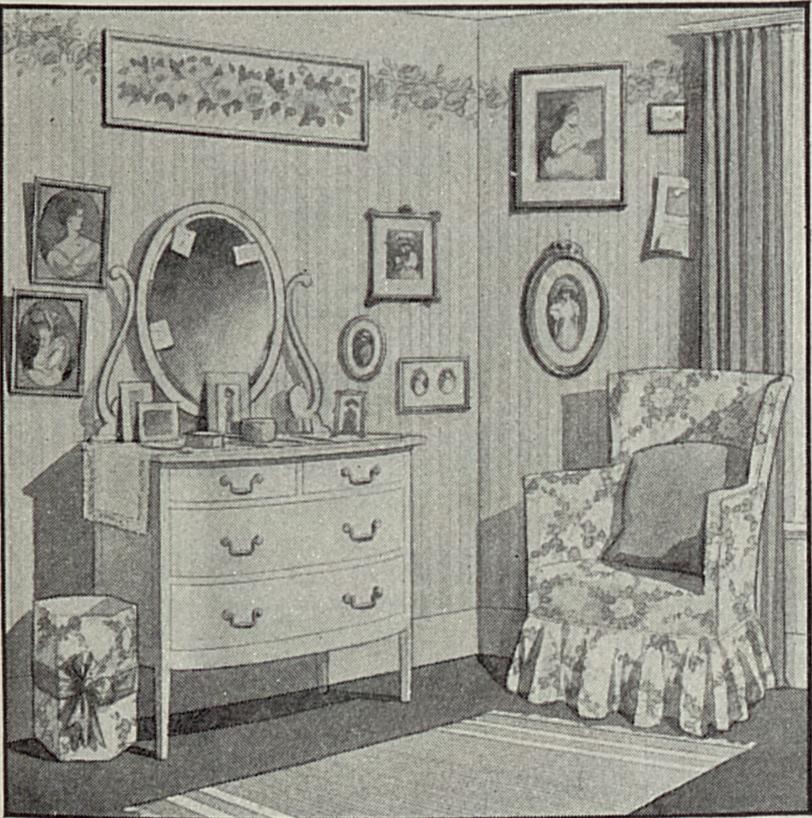
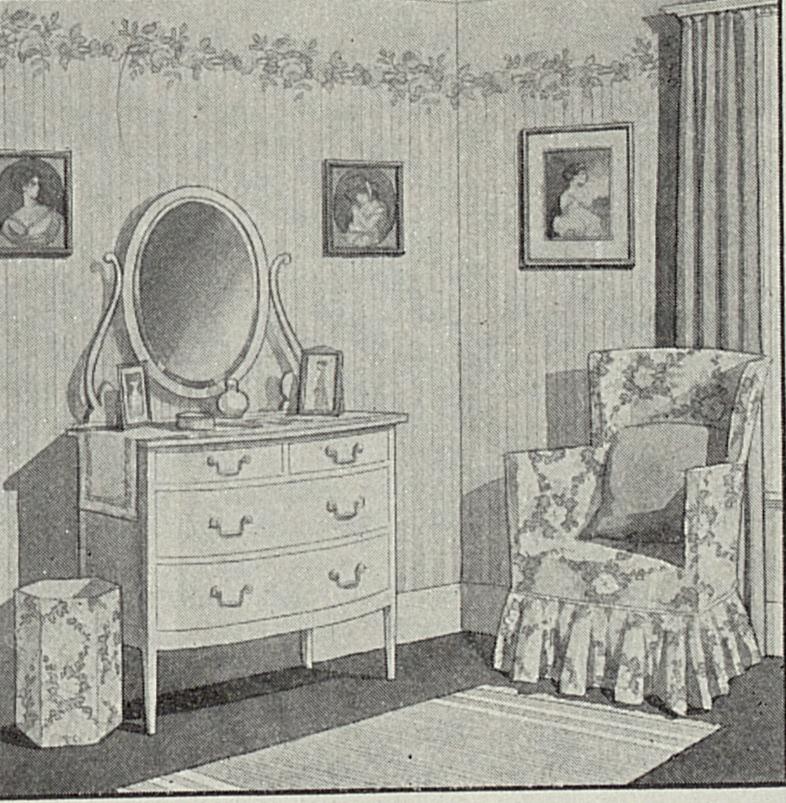
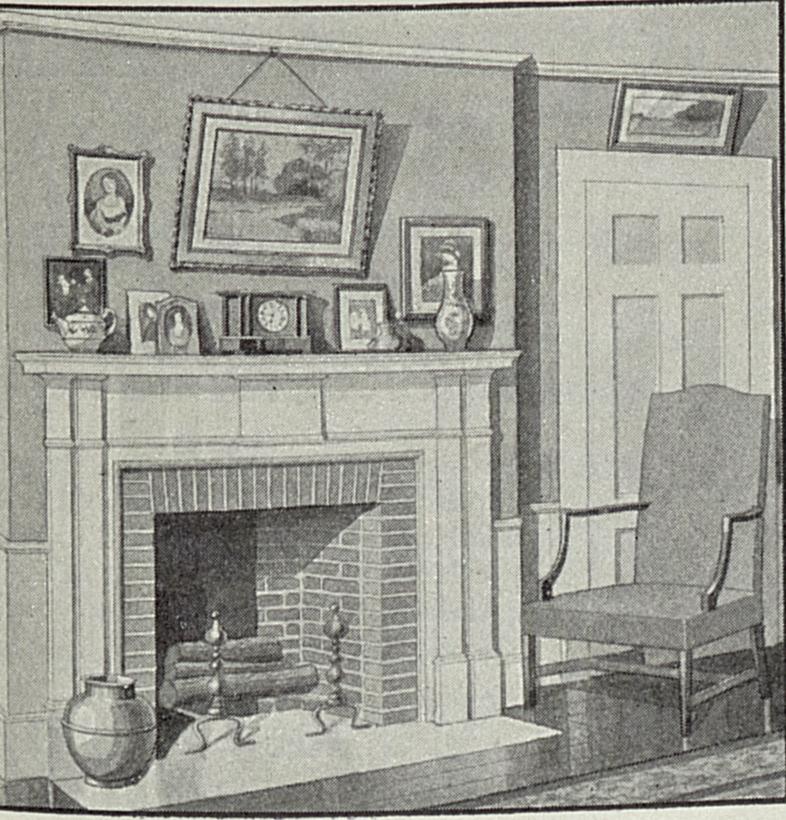
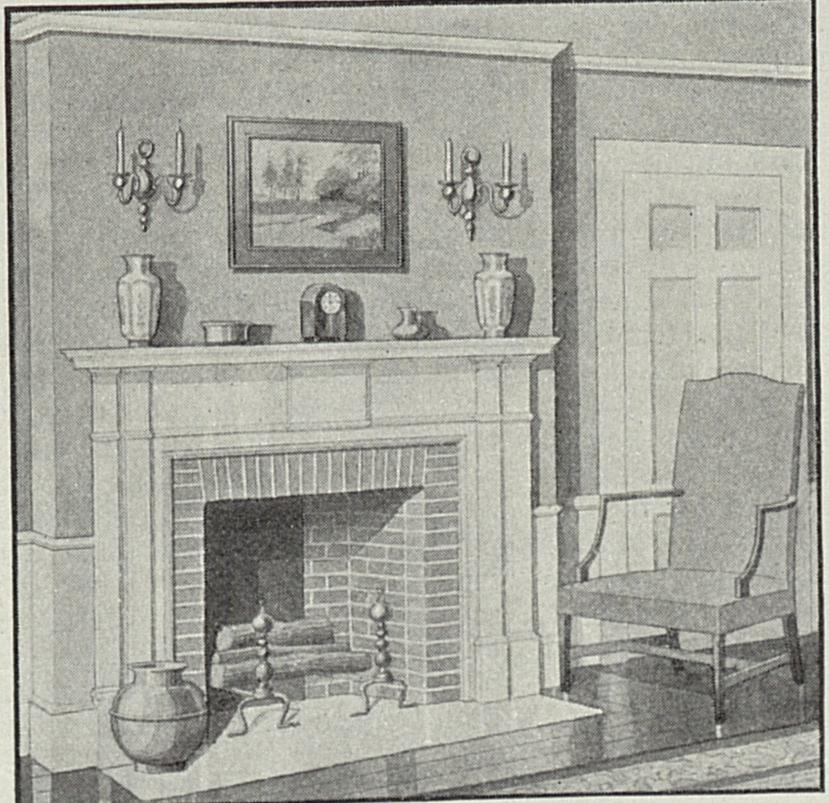
Since Grandma did “nothing” a hundred years ago today, I’m going to share some fun drawings from a November, 1913 article in Ladies Home Journal about the right way to hang pictures.
How Shall I hang My Pictures?
In the furnishing of any room the question of the proper selection and hanging of pictures is one which should be given careful consideration.
Probably the most common mistake in home furnishing is the use of too many pictures. A wall crowded with odd-sized pictures, usually of indiscriminate selection, produces the most confusing and annoying effect.
Wrong Way
Right Way
.
Wrong Way
Right Way
Hmm. . . the “right” way looks good to me–but I don’t keep up with decorating trends. Is this still the right way to hang pictures?
18-year-old Helena Muffly wrote exactly 100 years ago today:
Monday, November 10, 1913: The first snow of the Winter lay upon the ground this morning. I was rather surprised when I looked out of my window and saw that the earth was clothed in white. Was pretty cold today. Hugged the stove part of the time.
Source: Good Housekeeping Magazine (November, 1911)
Her middle-aged granddaughter’s comments 100 years later:
Brrr. . . Sometimes I wish I had an old-fashioned stove to hug. 🙂
18-year-old Helena Muffly wrote exactly 100 years ago today:
Sunday, November 9, 1913: Went to Sunday school this morning although I doubted at first whether I would get there or not. It rained pretty hard before I was ready and rained coming home. Got the back of my coat rather wet.
Her middle-aged granddaughter’s comments 100 years later:
Sounds like really yucky weather. I can just picture Grandma traipsing down the dirt road that ran past her house through the cold rain, trying to avoid mud puddles and other particularly muddy spots.
Did she get any mud on the back of her coat? Here’s some hundred-year-old advice for getting rid of mud stains:
Mud Stains: On dark clothes, allow them to dry thoroughly before attempting to remove them. Then a brisk brushing will probably take all the mud away without leaving any traces of the ugly mark that would have remained otherwise. If not, rubbing with grated raw potato will often take away a bad mud stain.
Source: Housekeeper’s Handy Book (1913) by Lucia Millet Baxter
Grated raw potato will get rid of mud stains? . . . really? I almost want to smear some mud on my clothes so that I can see if this really works.