What is Feminism?

19-year-old Helena Muffly wrote exactly 100 years ago today: 

Friday, June 19, 1914: Simply nothing.

Recent picture of McEwensville

Her middle-aged granddaughter’s comments 100 years later:

Nothing days are good days to contemplate deep questions. Did Grandma ever ask herself questions like: Do I believe that women should have more rights?. . . Am I a feminist? . . .

Here’s the beginning of an article on feminism that was in the May, 1914 issue of Good Housekeeping:

What is Feminism?

Has the question reached your hometown yet? If it has not, it soon will. And if the people in your home town are like the people in mine, the answers will be various and sundry—as many different answers probably as there are people.

“Femi-what?” your average citizen will venture. “Feminism? Something about women, isn’t it?”

“It’s the woman’s movement”—“It’s the furthering of the interests of women”—“It’s the revolt of the women”—”It’s the assertion of woman’s right to individual development”—“It’s the doctrine of freedom for women”—“It’s woman’s struggle for the liberation of her personality”—

The suggestions have crowded one on the heels of the other so rapidly, and so dogmatically, during this early part of the twentieth century, that the onlooker may be forgiven for deciding that there are a so many definitions of feminism as there are feminists.

Yet what distinguishes the contribution of the times on the subject is the really synthetic effort back of all the definitions, the effort to get “the woman question” assembled on a broader base than any from which it has as yet been projected. Higher education for women, economic opportunity for women, right of person and property for women, political enfranchisement for women—all begin as parts of something greater, vaster.

Whether or not we have found it in feminism is still an open question. Some draw back because they say, it means too much. Some don’t like it because they say it doesn’t mean enough. Some want the woman question to stay concentrated upon suffrage. . .

Stiff from Picking Strawberries

19-year-old Helena Muffly wrote exactly 100 years ago today: 

Tuesday, June 16, 1914:  Am as stiff as a poker, and feel worse than I don’t know what.

Strawberries

Her middle-aged granddaughter’s comments 100 years later:

I’d feel stiff, too. I think that Grandma was getting paid by a neighbor to pick strawberries. The previous day she wrote that she was “working for wages.” It’s hard work to stoop and pick strawberries for hours on end.

I wonder if Grandma ate any of the berries. In 1912, she wrote:

This morning I picked berries and helped myself to some. I wonder if anyone saw me. . .

June 10, 1912

Photo Supplies Arrived

19-year-old Helena Muffly wrote exactly 100 years ago today: 

Monday, June 15, 1914:  My photo supplies came this morning. Hope to make some presentable pictures now. Am very tired for I was working for wages today.

DSC08259.crop aPhoto source: An advertisement for the Kodak Film Tank that appeared in the August 1913 issue of Farm Journal. You can see the entire advertisement in this previous post:

1913 Kodak Film Tank Advertisement

Her middle-aged granddaughter’s comments 100 years later:

Grandma—

It’s awesome that your photo supplies arrived. You’ve mentioned taking and developing pictures several times over the past year or so. What a fun and rewarding hobby!

____

Apparently strawberries were in season. Throughout the diary she got paid for picking a neighbor’s strawberries each June. For example, in 1911 she wrote:

Started to pick strawberries this morning. Of course it will mean some early rising and loss of sleep, but just look at what I can earn.

June 12, 1911

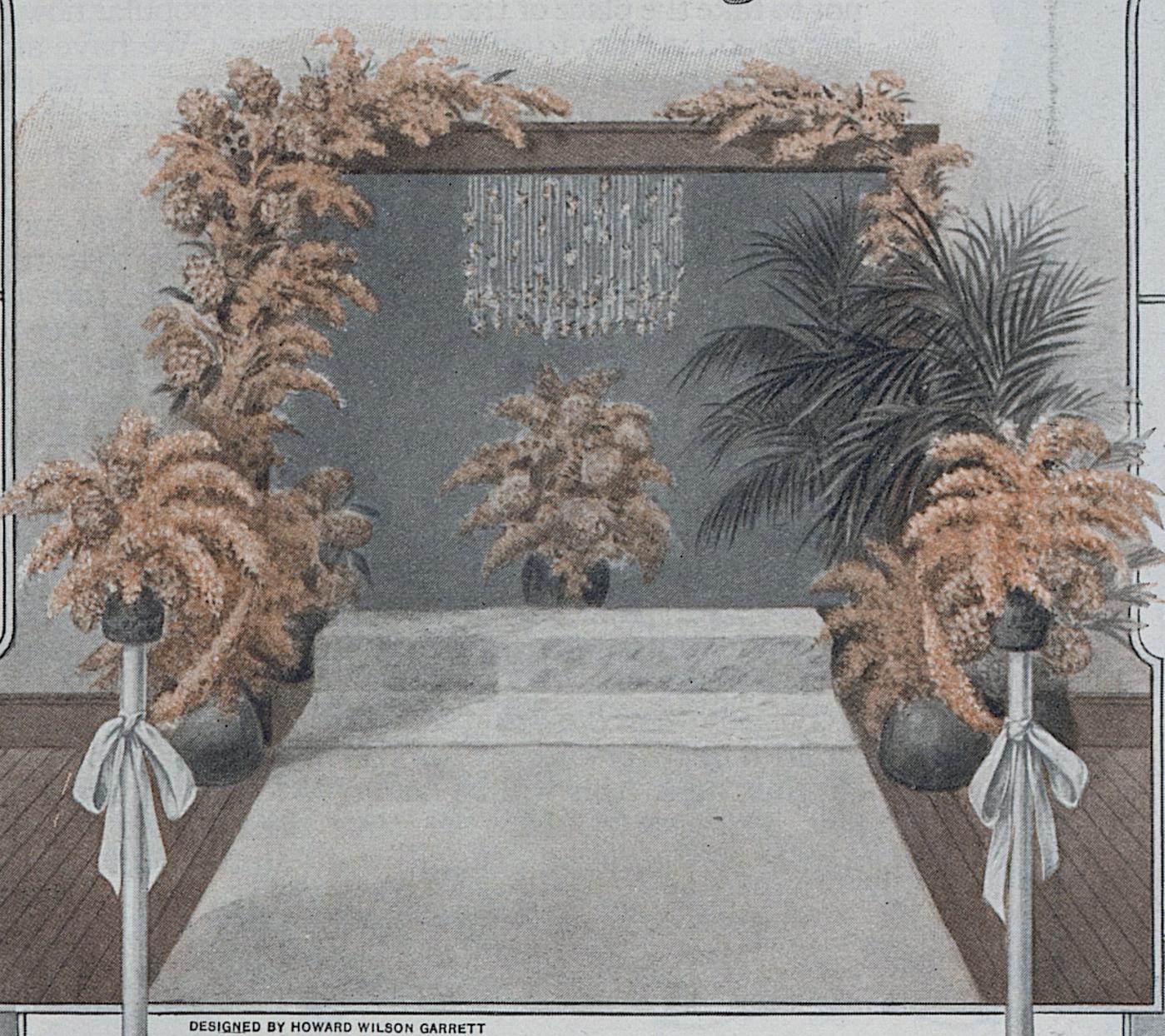
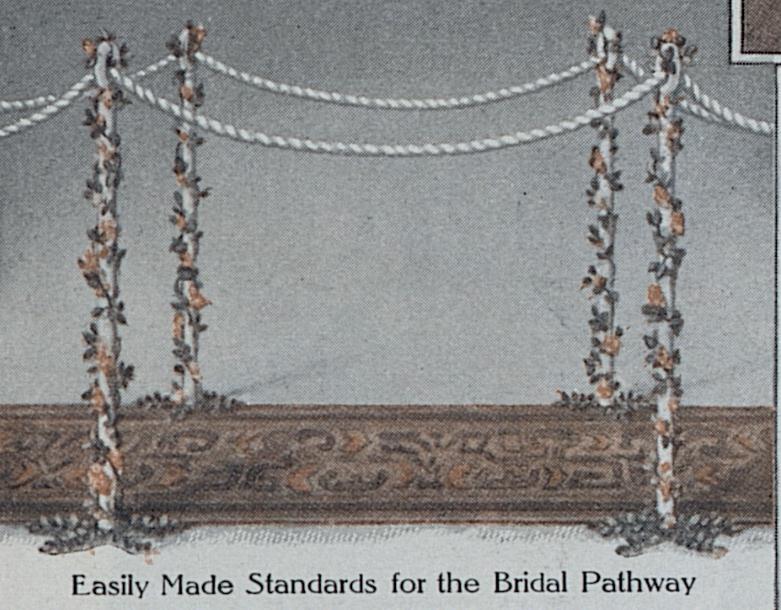
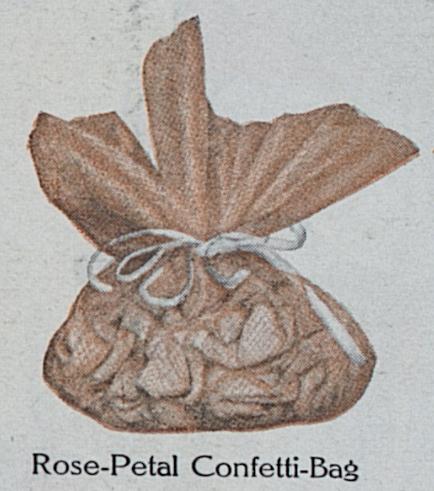
Wedding Decorations a Hundred Years Ago

19-year-old Helena Muffly wrote exactly 100 years ago today: 

Sunday, June 14, 1914:  Heard the details of a rather unusual wedding, which took place this morning. Lots of people went that weren’t invited. Ruth was one.

Attended church this afternoon. A supply preacher was there for the afternoon. He could make his eyes flash.

Photo Source: Ladies Home Journal (October, 1914)

Her middle-aged granddaughter’s comments 100 years later:

Hmm. . . Sunday morning seems like an odd time for a wedding. Why would people crash it?. . . Were the bride and groom very popular and friends of many of the young people? . . . Was there an awesome reception? . . . What were the wedding decorations like?

I wonder if Grandma’s sister Ruth kept a diary. If would be fun to read what she wrote about this unusual wedding.

1914-10-37 c

1914-10-37 a

1914-10-37 f
Bride’s bouquet with Bible or prayer book
1914-10-37 d
Bride’s maid’s bouquet

1914-10-37 e

___

What did Grandma mean when she said that the substitute pastor made his eyes flash? Was he preaching about hell, fire and brimstone?

In Pain Over Piano Lesson

19-year-old Helena Muffly wrote exactly 100 years ago today: 

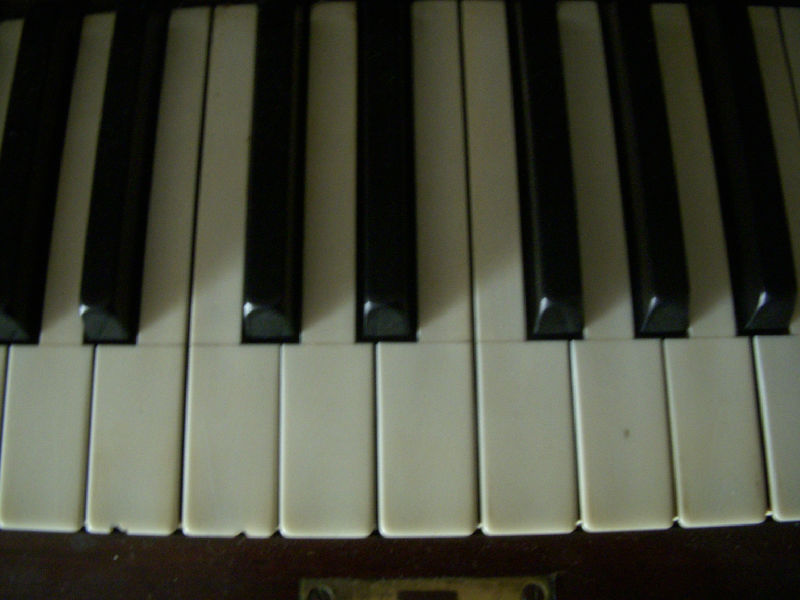
Friday, June 12, 1914: My music teacher had a pain this morning. Must have sympathized deeply for her, since by the time she was ready to go I had one too.

Besse went home this afternoon. Miss her some.

piano.keys

Her middle-aged granddaughter’s comments 100 years later:

Hmm. . . Has Grandma been practicing her piano lessons? Maybe her music teacher (and eventually Grandma) were in pain because of how poorly the lesson went.

Grandma might not be spending much time practicing. I don’t think that she mentioned her piano lessons since January.

Besse

Grandma’s married sister Besse came to visit June 9. It sounds like a fun and relaxing time for both sisters. It probably was just what Besse needed after the recent death of her infant daughter. . . and Grandma sounds like she enjoyed having her oldest sister around for a few days.

Learning to Tat

19-year-old Helena Muffly wrote exactly 100 years ago today: 

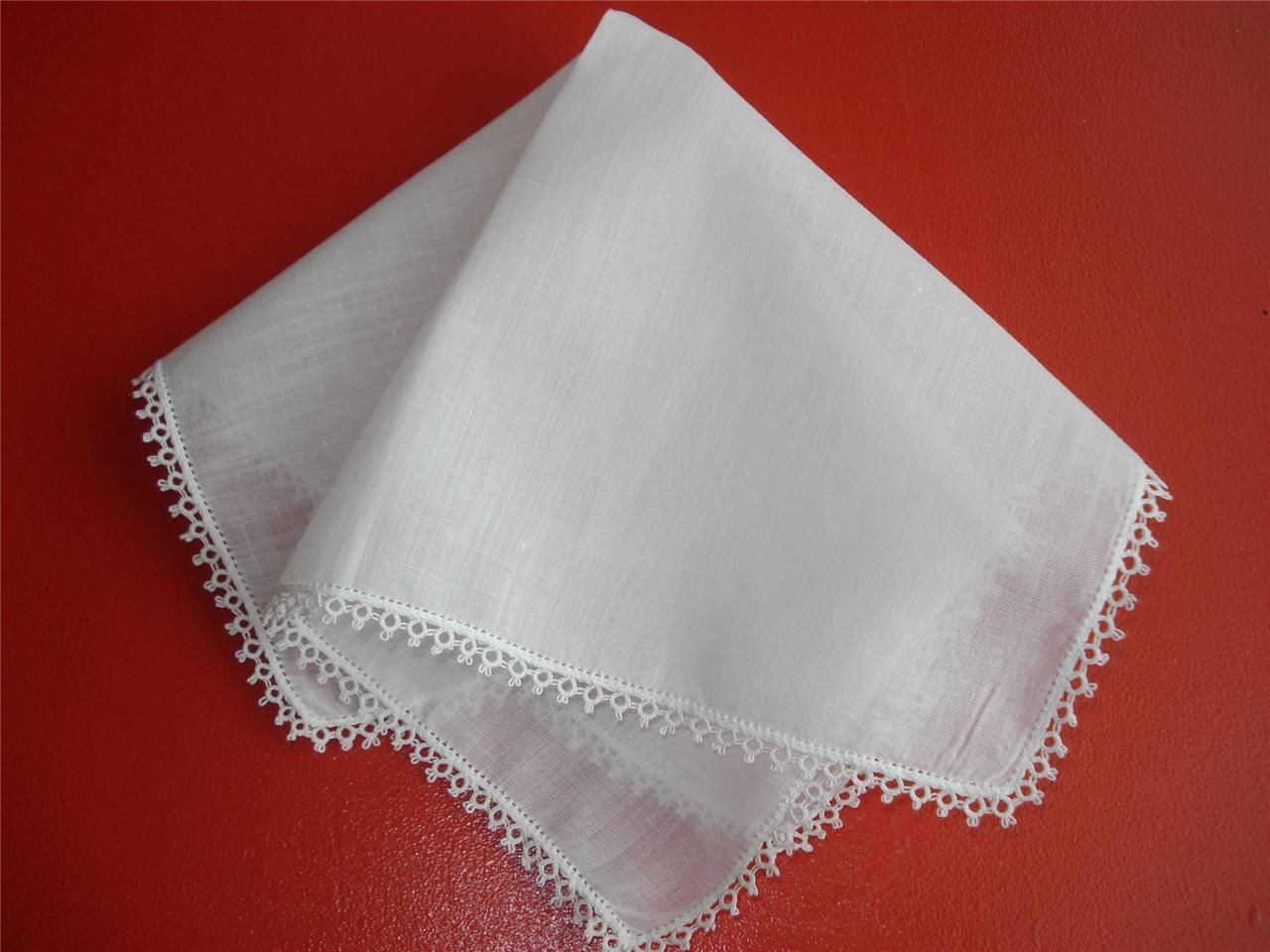
Thursday, June 11, 1914:  Besse was trying to teach me tatting today. Am awful stupid about it, but still I persist in trying to make the stuff. It takes some patience.tatted handkerchief

Her middle-aged granddaughter’s comments 100 years later:

Grandma’s married sister Besse was visiting for a few days. Even if it was it was difficult to learn how to make tatted lace, it sounds like a fun activity for the two sisters.

I’ve often wished that I knew how to tat, but it seems almost like a lost art. I remember seeing beautiful tatted doilies and handkerchiefs when I was a child—but both seem to have vanished from modern households.

According to Wikipedia:

A tatting shuttle facilitates tatting by holding a length of wound thread and guiding it through loops to make the requisite knots.

To make the lace, the tatter wraps the thread around one hand and manipulates the shuttle with the other hand.

Tatting Shuttles (Photo source: Wikipedia)

Cousins from up the Creek Came to Visit

19-year-old Helena Muffly wrote exactly 100 years ago today: 

Wednesday, June 10, 1914: Had company this afternoon. They were my cousins from up the creek.

DSC02302
This picture of Warrior Run Creek was taken from the bridge in McEwensville.

Her middle-aged granddaughter’s comments 100 years later:

Hmm. . . I have no idea who these cousins were. Warrior Run Creek flows through the Muffly farm. Going upstream from the farm, it flows through McEwensville, through the Warrior Run High School property, and then up into the Muncy Hills where it originates. (Downstream it flows into the West Branch of the Susquehanna River south of Watsontown).

I don’t know of any aunts or uncles (who would have been the parents of the cousins) who lived near the creek.   But, Grandma’s mother had 7 siblings and her father had 10. I have no idea where some of them lived.

It seems odd that Grandma refers to these cousins by where they lived along the creek. Warrior Run Creek is too small to be navigable, so the cousins would have come via a road. If I were describing where the cousins lived I think that I would have listed the town  (or perhaps a landmark like a church) that they lived near.