19-year-old Helena Muffly wrote exactly 100 years ago today:
Tuesday, June 30, 1914: It seems to me that the month of June comes and goes like a streak. The day passed like other days. Quite a few of them are alike.
summer
Her middle-aged granddaughter’s comments 100 years later:
Grandma—
I agree! June has come and gone like a streak. (Why can’t January come and go like a streak? It always seems to go on and on and on?)
19-year-old Helena Muffly wrote exactly 100 years ago today:
Monday, June 29, 1914: Nothing much to write about.
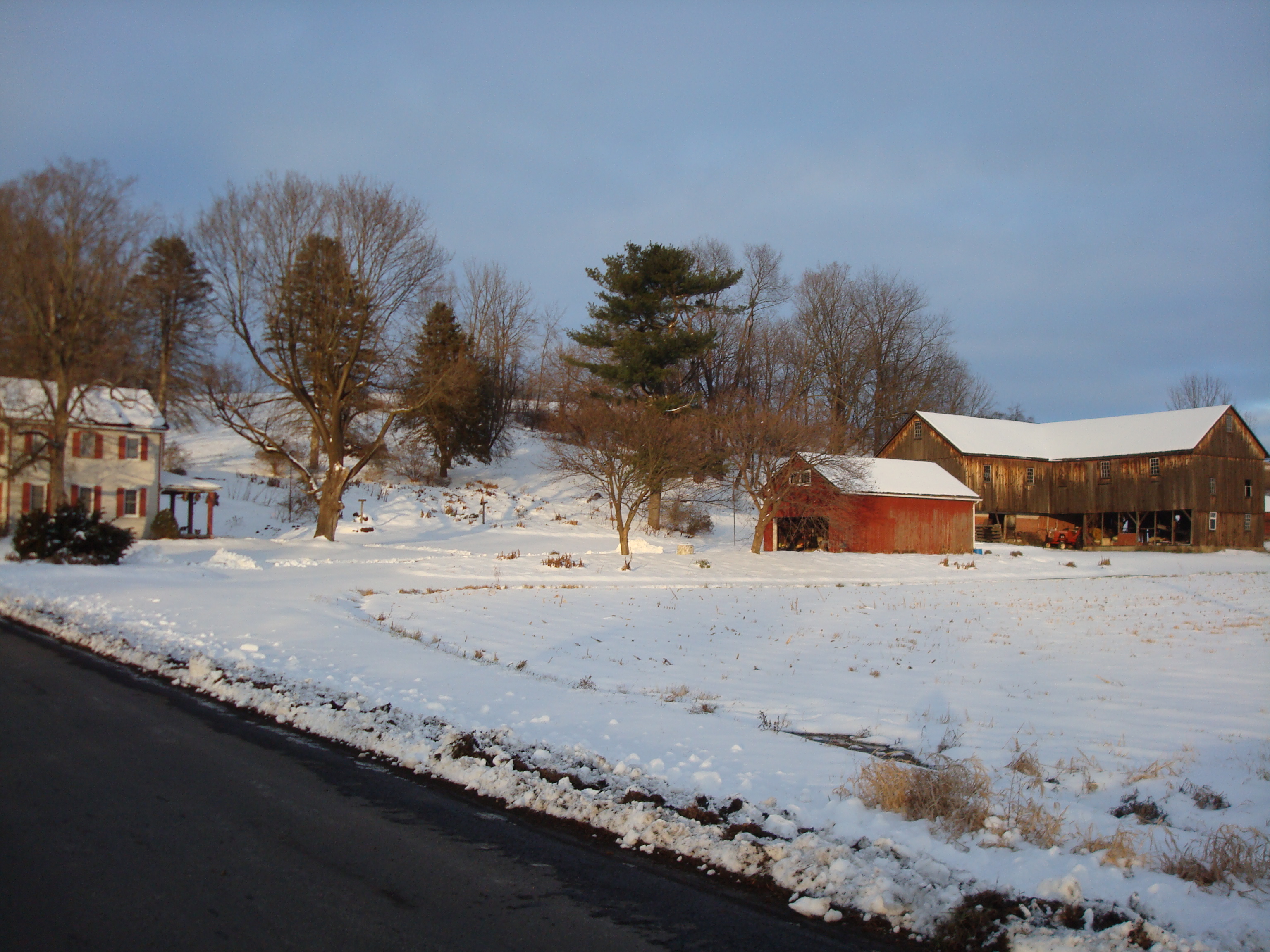
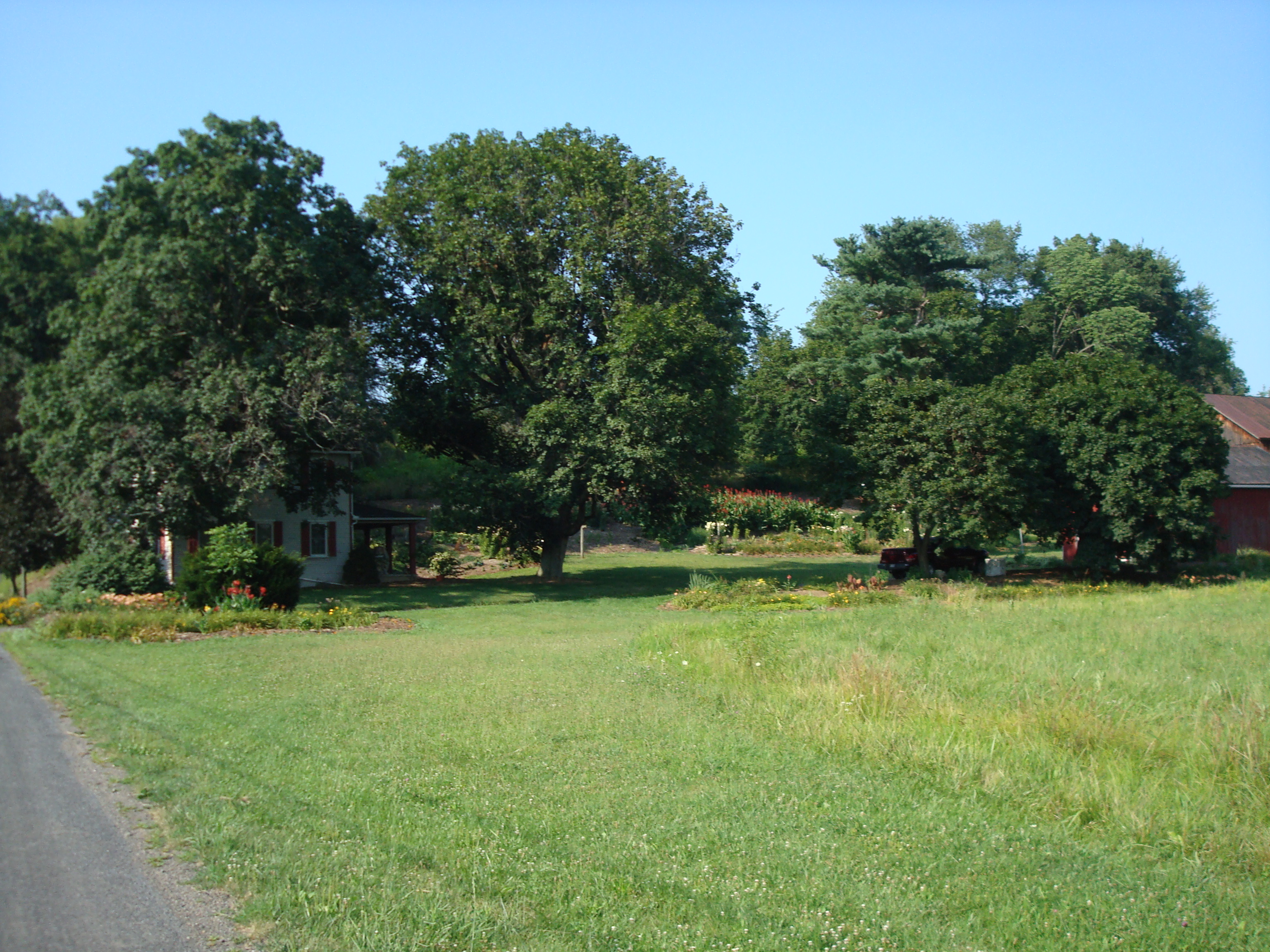
Recent photo of the road that went to the Muffly farm.
Her middle-aged granddaughter’s comments 100 years later:
Since Grandma didn’t write much a hundred years ago today, I thought that you might enjoy reading some more hundred-year-old advice from an advice columnist called “Aunt Harriet.” It was published in Farm Journal.
Heart Problems
by
Aunt Harriet
A girl writes me that in her neighborhood “every boy who walks beside you or talks to you a while is a beau.” She goes on to ask how boys and girls, from fifteen to twenty, should act toward each other.
Is it not strange that the freedom which young people enjoy nowadays should not include the liberty of a natural friendliness between young men and women, the right to enjoy each others society without the comments, criticism and conjectures of the entire community?
You much realize that one of the phases of adolescence is the curiosity regarding the other sex; tis is a normal condition, worthy of consideration and not to be laughed at. Unconsciously, each seeks his mate and an unfettered choice is impossible in a narrow-minded community.
In choosing a garment or piece of furniture one rarely takes the first that offered; others must be seen for the sake of comparison. How much more important is the choice of a life mate, and yet people would restrict that choice.
Of course, I shall be misunderstood, but again I maintain that the happiest condition for young people is a community where they may gather together for all wholesome diversions, and where a boy can walk home with one girl today and call on another tomorrow, without being considered a “flirt”, while his sister has like privileges, without reflections on her character.
If the parents are sensible, they see that no one young man absorbs all their daughter’s time, until he is an accepted lover. As for the gossips, remember the old motto, “They say! Let them say!” In other words, why care?
Farm Journal (August, 1914)
You may also enjoy these previous posts that contained advice from Aunt Harriet:
19-year-old Helena Muffly wrote exactly 100 years ago today:
Sunday, June 28, 1914: Went to Sunday School this afternoon. It was held in the Town Hall as the church is not fixed up yet. It seemed like an awful stuffy place and as hot as there was any use in being.
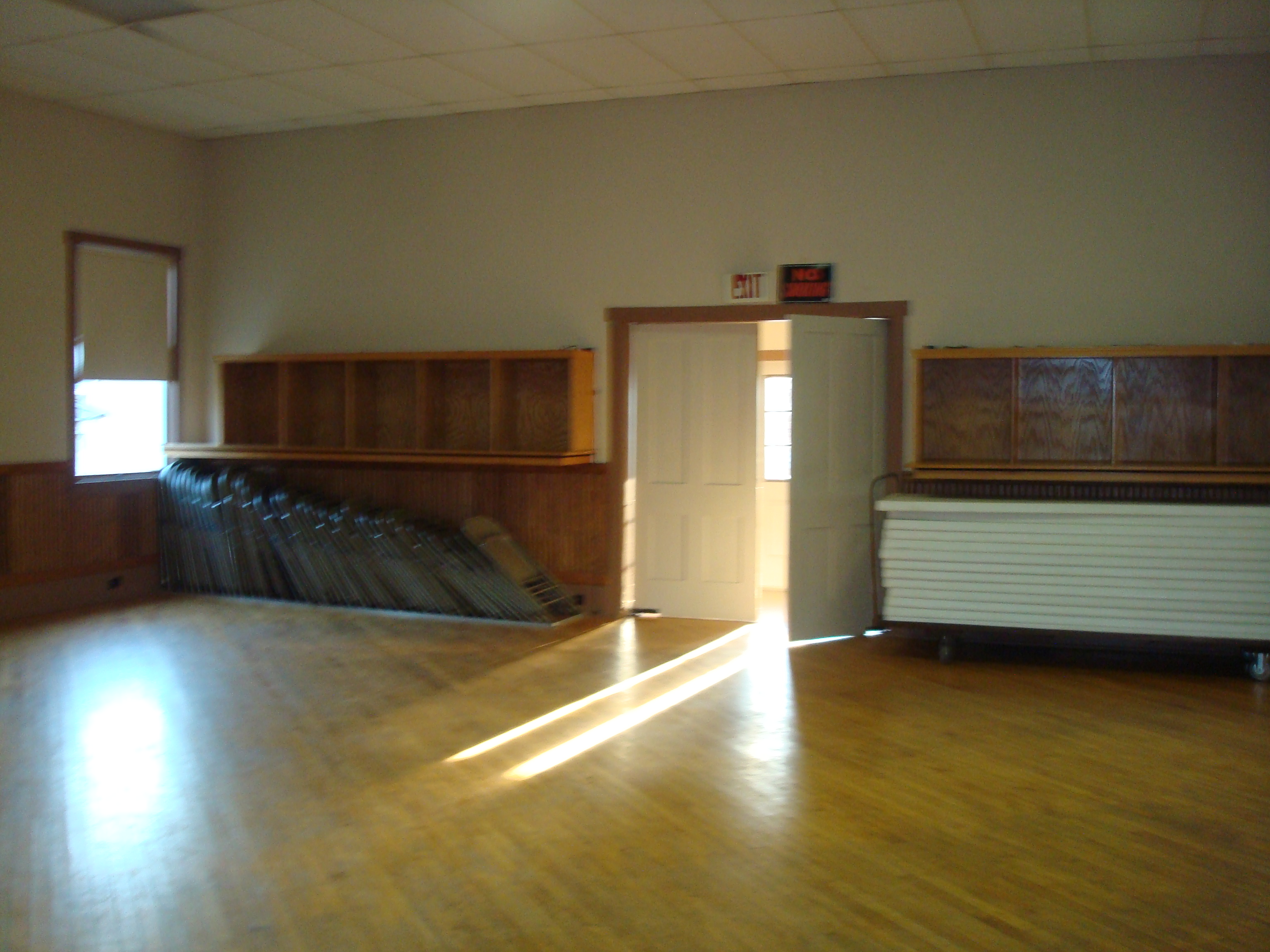
Recent photo of McEwensville Community Hall (Town Hall)
Her middle-aged granddaughter’s comments 100 years later:
The McEwensville Town Hall (or the Community Hall as it is now called) has been around for a long time—and I picture it looking very similar a hundred years ago to how it looks now.
In my imagination I can see clearly see a sweaty Grandma sitting in a folding chair fanning herself with a church bulletin while barely listening to the a very boring Sunday School lesson.
Inside of Community Hall
—
What was being done to remodel the McEwensville Baptist Church? The previous Monday Grandma wrote:
Had quite a time at rubbing and washing today, and it wasn’t here at home either. We are going to have the church fixed over, and it was necessary to wash off the walls. . .
19-year-old Helena Muffly wrote exactly 100 years ago today:
Saturday, June 27, 1914: Was going to town this afternoon, but then was detained at home to help with the work.
Photo Source: Ladies Home Journal (July, 1913)
Her middle-aged granddaughter’s comments 100 years later:
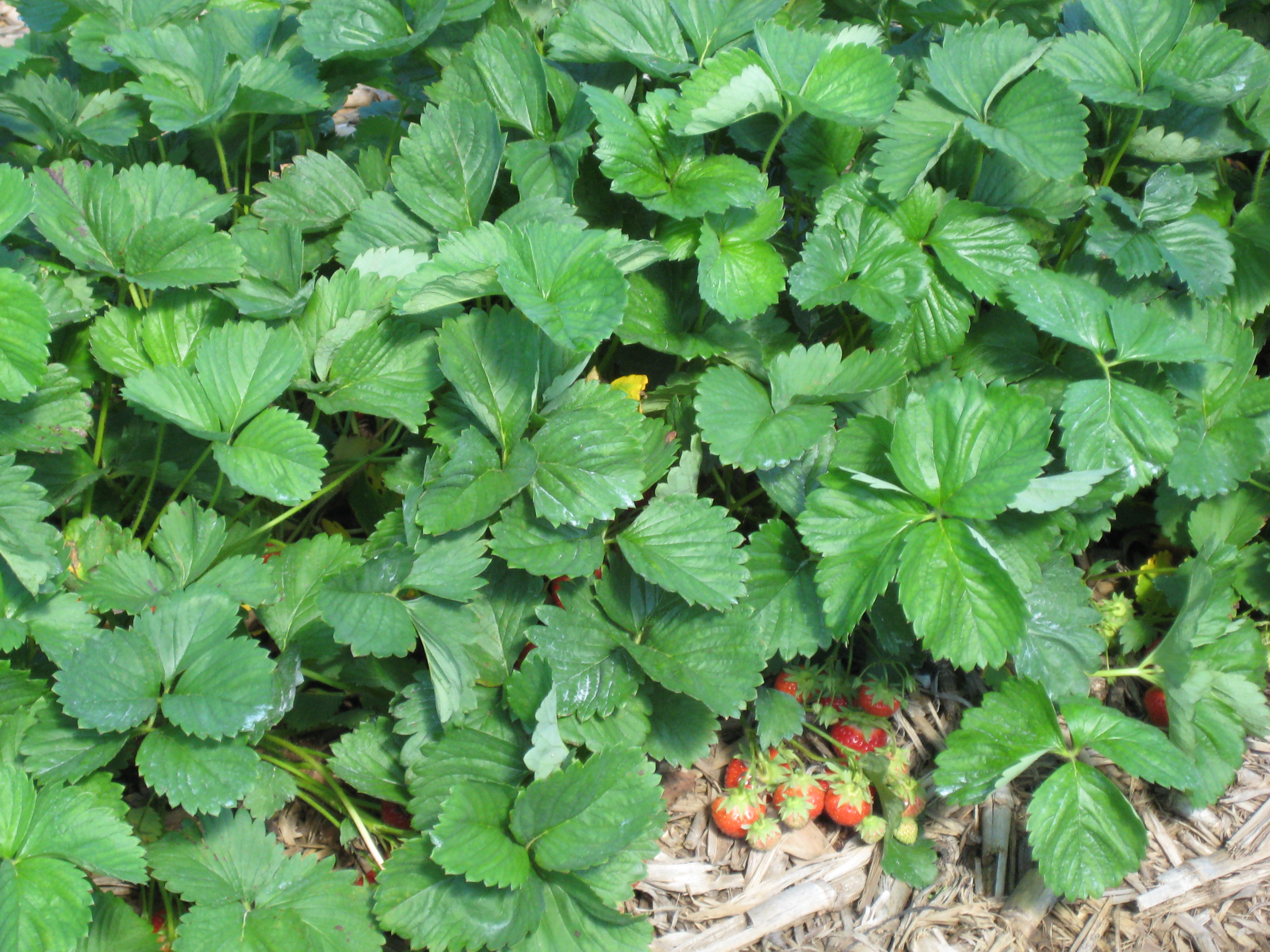
Oh dear, Grandma, I’m so sorry. You’ve worked so hard for the last two weeks or so—first picking strawberries for wages and then helping harvest hay. A 19-year-old deserves to get Saturday afternoon off so that she can spend a little time with friends in town.
—
I write this while knowing in my heart that wasn’t the way farms operated. I have very clear memories of working long days when we were making hay when I was a child. Saturday often was an especially busy day, and I’m sure that it was the same when Grandma was young.
The next day was Sunday. People didn’t work on Sunday’s back then— and there also weren’t accurate weather forecasts a hundred year ago. Grandma’s father was probably very worried that it would rain before Monday.
The old saying “make hay while the sun shines” is literally true for farmers. Farm work is very time and weather sensitive. Hay needs to be dried and brought in from the fields while the weather is good. A thunderstorm can nearly destroy a cut hay crop.
19-year-old Helena Muffly wrote exactly 100 years ago today:
Thursday, June 25, 1914: Let me see, I leaded some hay for today and Daddy growled at the result. We went over to Stout’s this evening to fill up on black cherries (we haven’t any of our own). Nary a one did we get.
This picture is from a different time period. It was taken in the late 1950s, but it’s one of my favorite photos and I thought that maybe it would work as an illustration for this post. It’s a photo of my father and me on top of a wagon load of hay. I think that the hay baler broke that summer, so my father decided to make some hay the “old-fashioned” way.
Her middle-aged granddaughter’s comments 100 years later:
Whew, it sounds like one hot summer job (picking strawberries) must be winding down, and another hot summer job (making hay) gearing up. Will the work ever end?
I think that Grandma was leading a horse that was either pulling a wagon through the hayfield while others piled the hay onto the wagon, or (and I think this is the more likely option) she was leading a horse that was operating a pulley system that was used to unload the hay in the barn.
19-year-old Helena Muffly wrote exactly 100 years ago today:
Wednesday, June 24, 1914: Haven’t got nothing, but warmed up stuff today. So there.
Her middle-aged granddaughter’s comments 100 years later:
Hmm. . . What does this diary entry mean?
. . . heated up left –over food? . . . just sitting around and warming up a seat? . . . had a disagreement with someone? . . weather was very hot? . . .
19-year-old Helena Muffly wrote exactly 100 years ago today:
Tuesday, June 23, 1914: I Boiled, Baked, and Stewed in the hot sun. Please forgive all the capitals, but I want it to stand out from this page in blaring headlines. It wasn’t a very comfortable feeling to be cooked in so many different ways.
Her middle-aged granddaughter’s comments 100 years later:
Grandma—
Are you still picking strawberries for wages? Take care— You’re young and healthy, but don’t overdo it. You don’t want to get a sunstroke.
Photo source: Wikimedia Commons
Sunstroke
The object is to reduce the temperature of the body. Generally, the causes of sunstroke are fatigue and sun heat, therefore, keep the head cool as possible and work in moderation while in the hot sun, and if any unusual dizziness is felt, cold water should be applied to the neck and head.
If the person falls unconscious he should at once be taken to a cool, airy place, and the bystanders should keep away so that the patient can get all the pure air possible. Sunstroke may be known by the respiration and pulse becoming slow and the face pale; give stimulants gradually, but do not use cold water too freely. Place the person on his back, the head being raised about two inches and a little ammonia water [smelling salts] given.
The Compendium of Every Day Wants (1908) by Luther Minter