Old-Fashioned Pearl Barley Soup with Cabbage (Cabbage and Bacon Soup)

Soup is the perfect comfort food on these cold winter days. I recently found a wonderful hundred-year-old recipe for Pearl Barley Soup with Cabbage. The soup was delightful – but the recipe name is misleading. The recipe only calls for two tablespoons of barley – and it is not a predominate ingredient in the soup. This soup is really a hearty, rustic Cabbage and Bacon soup.

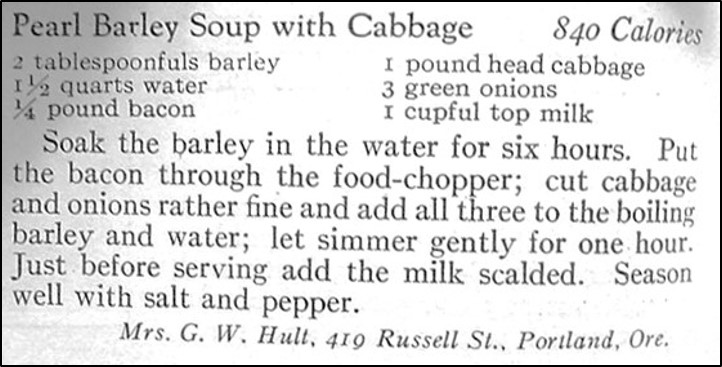
Here’s the original recipe:

Source: Good Housekeeping (October, 1917)

Since modern pearled barley does not need pre-soaking, I skipped that step. Also, I didn’t think that three green onions were very many, so I used all the green onions in the bunch that I purchased. Here’s the recipe updated for modern cooks:

Pearl Barley Soup with Cabbage (Cabbage and Bacon Soup)

  • Servings: 6 - 8
  • Difficulty: easy
  • Print

6 cups water

2 tablespoons barley

1/4 pound bacon, chopped into 1/4 inch pieces

1 small cabbage (about 1 pound), finely shredded

1 bunch green onions (6 -8 green onions), chopped

1 cup half and half

1/4 teaspoon salt

1/8 teaspoon pepper

Put water in a dutch oven; bring to a boil using high heat, then add barley, bacon, cabbage, and green onions. Return to a boil, then reduce heat and gently simmer for 1 hour. Add half and half, salt, and pepper. Heat until steamy hot, then serve.

“Take Good Care of Nature, and She Will Take Good Care of You”

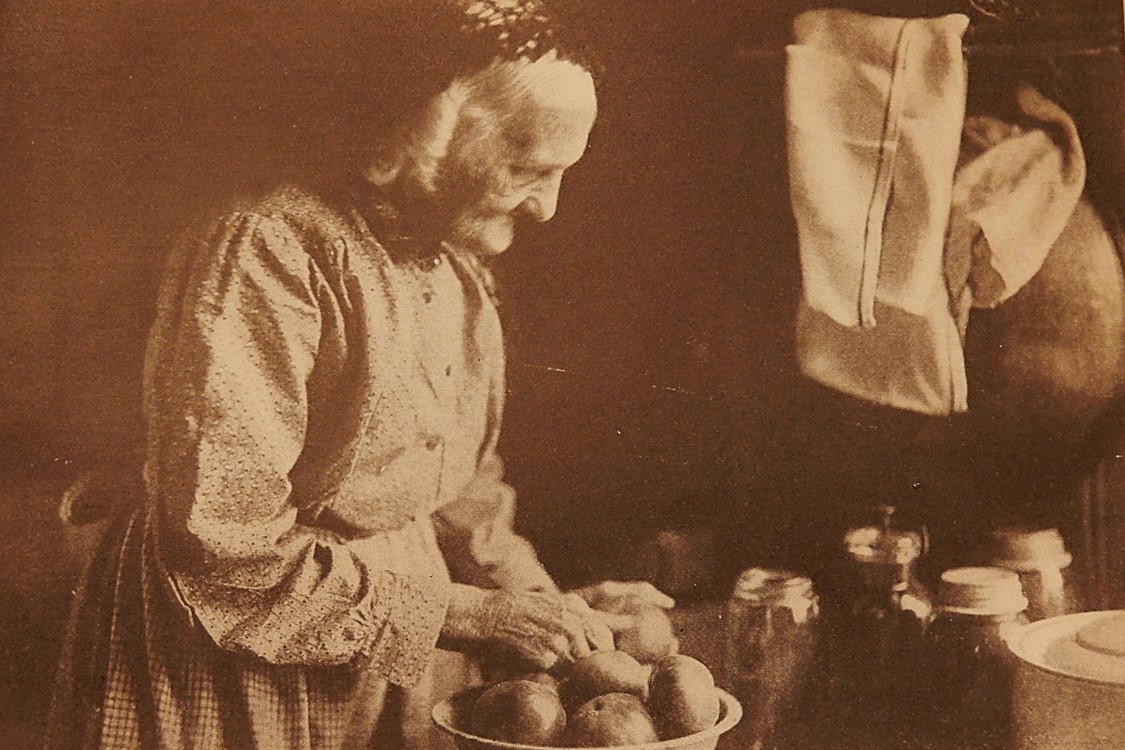
This photo was the February, 1918 issue of Good Housekeeping. The caption beneath the picture says:

This very young old lady of ninety-five did all the work in her garden last year and then put up enough canned goods to supply herself, her grandsons, and her great-grandsons. She is already planning this year’s garden. Her recipe for long life and happiness is, “”Take good care of nature, and she will take good care of you.”

Hundred-Year-Old Christmas Centerpiece Suggestions

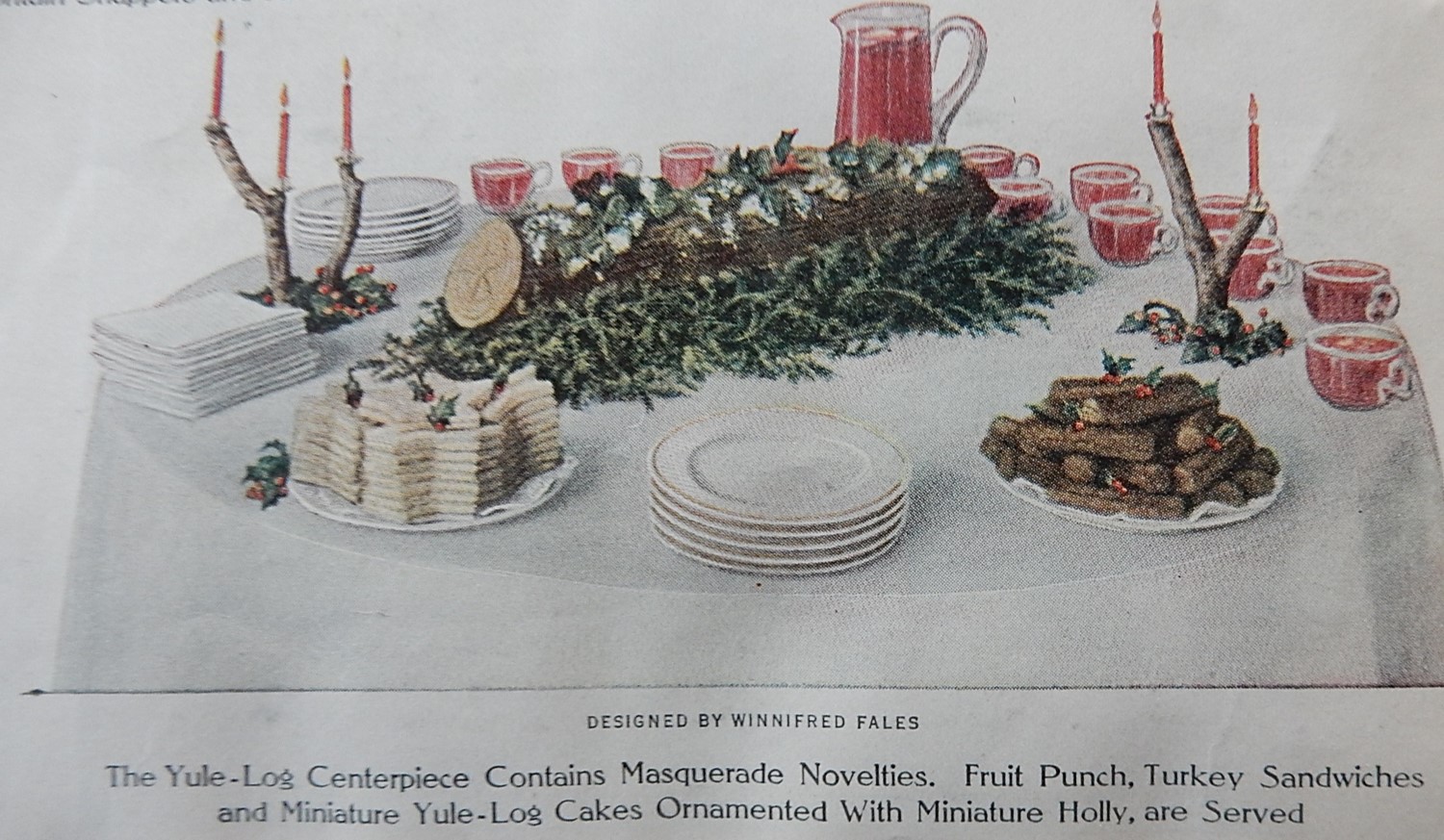
Source: Ladies Home Journal (December 1915)

Centerpieces were an important part of holiday tables a hundred-years-ago. Here is some hundred-year-old advice for a creating a Christmas centerpiece:

For Christmas, holly, mistletoe, or any other attractive green shrubs are more suitable than cut flowers. A sparkling tree or a Santa Claus make an attractive centerpiece.

The Science of Home Making: A Textbook in Home Economics by Emma E. Pirie (1915)

Hundred-year-old Advice for Melting Chocolate

Holiday baking often requires melting chocolate so I was thrilled to see advice in a hundred-year-old magazine for an easy way to melt chocolate without waste.The Discoveries  column in Good Housekeeping invited readers to send in their “discoveries” for possible publication Readers whose submissions were published received $1 from the magazine. This is what a reader wrote:

Melted Chocolate

To have chocolate already at hand for melting without waste, keep your chocolate in a pint jar. To melt it simply place it in hot water. Any amount desired may be taken out. Seal the jar and keep it in the kitchen cabinet when you are not using it. –Mrs. F.M.F., N.Y.

Good Housekeeping (September, 1917)

It took a really long time to melt the chocolate. Perhaps chocolate a hundred years ago melted at lower temperatures than modern chocolate. A better approach today would be to melt in the microwave.

Hundred-Year-Old Edible Christmas Gift Suggestions

Source: American Cookery (December, 1917)

Food makes a wonderful gift, and is sure to please friends and family – both now and a hundred years ago. But, I must admit that some gift suggestions on a hundred-year-old list of edible gift ideas don’t work for me.  Why the heck would someone want edible moss for desserts?

The article suggests wrapping the edible gift in tissue paper. The food could also be put in boxes. When giving a gift of candy a century ago, people often made decorative gift boxes. Several years ago, back when I was posting my grandmother’s diary, I did a post on how to make a triangular candy box. The directions originally appeared in the December, 1912 issue of School Arts Magazine.

Hundred-year-old Garnishing Tips

Even in the days before Instagram (and blogs) people wanted to present their food in attractive ways. Here’s some hundred-year-old advice for garnishing food:

Garnishing the Dish

All food must be neatly placed in the dish, and arranged or piled with some sort of symmetry, and this is the most that some people have time to do. Many foods may be served in the utensil or dish in which they are cooked, and in the case of a baking dish, if its appearance is not neat, a napkin can be folded about it. The simplest form of garnish is browning on top, which makes many dishes attractive (mashed potato).

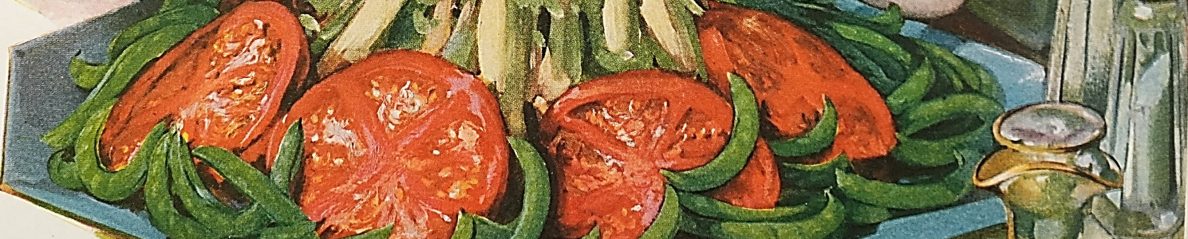
Make the garnish simple, and have it eatable when possible. Slices of hard boiled eggs on spinach, shopped parsley and butter on boiled or mashed potatoes, parsley and slices of lemon with meat and fish.

Vegetable borders are attractive and save labor in dish washing. Arrange the meat in the center of the platter, and pile mashed potato, or boiled rice or peas or beans, or a mixture of hot vegetables around the edge. This saves time in table service, too.

Foods and Household Management: A Textbook of the Household Arts by Helen Kinne and Anna M. Cooley (1915)