Pennsyvlania Game Laws in the Early 1900’s

16-year-old Helena Muffly wrote exactly 100 years ago today: 

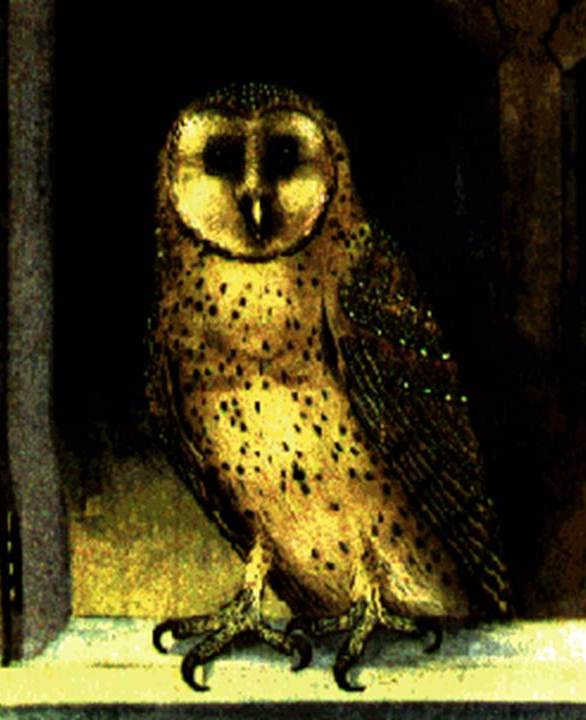
Tuesday, January 30, 1912:  Ran a splinter in my hand at noon and didn’t get it out until this evening. It went in almost straight. Jimmie pulled it out for me, although I didn’t think he could. Saw an owl this evening. Would like to have laid my hands on him and seen the result.

Source: Wikimedia Commons

Her middle-aged granddaughter’s comments 100 years later:

I’m amazed that Grandma’s six-year-old brother Jimmie was able to pull the splinter out.

My sense is that the population of many wild animals and birds has decreased over the years—though I’m really not sure.  This diary entry makes it sound as if it was unusual to see an owl a hundred years ago.

By the early 1900’s many people realized that it was important to protect wildlife.

According to The Old Tackle Box, the first non-resident hunting licenses in Pennsylvania were issued in 1901—though resident licenses were not issued until 1913.

However, bounties were still offered for some animals.

A 1908 book called The Compendium of Everyday Wants described the Pennsylvania Game Laws:

Hunting is prohibited on Sunday, and any one convicted of this offense is liable to a penalty consisting of a fine and imprisonment.

It is illegal to kill any song bird. It is unlawful to place on sale any song birds caught, except those generally sold, such as parrots, canary and other similar birds. Birds taken for scientific purposes are not included in this restriction, when the person capturing or killing them holds a certificate. These certificates are good for one year, under the law of Pennsylvania.

It is unlawful to kill deer, fawn, etc., for the purpose of selling them, in Pennsylvania.

For the benefit of agriculture and the protection of game, the legislatures in many States have passed laws whereby a certain amount of money is paid for killing wildcats, foxes, minks and any such dangerous animals. A bounty, that is a sum of money, is paid by the counties of the States for each one destroyed. In Pennsylvania, $2 is given for every wildcat, $1 for every red or grey fox, and 50 cents for every mink.

How to Make a Funnel From an Envelope

16-year-old Helena Muffly wrote exactly 100 years ago today:

Sunday, January 28, 1912: Went to Sunday School this afternoon. Worked several Algebra problems this evening though Ruth showed me how.

Her middle-aged granddaughter’s comments 100 years later:

The previous Thursday Grandma got a lecture from her teacher about cheating on tests, and she resolved to study harder. It sounds likes Grandma was really trying to understand her algebra problems.  She even asked her sister for help.

Since the diary entry is pretty self-explanatory, I’m going to go off on a tangent.

I love browsing through hundred-old-magazines. They often contain wonderfully old-fashioned (yet practical) household tips. For example,

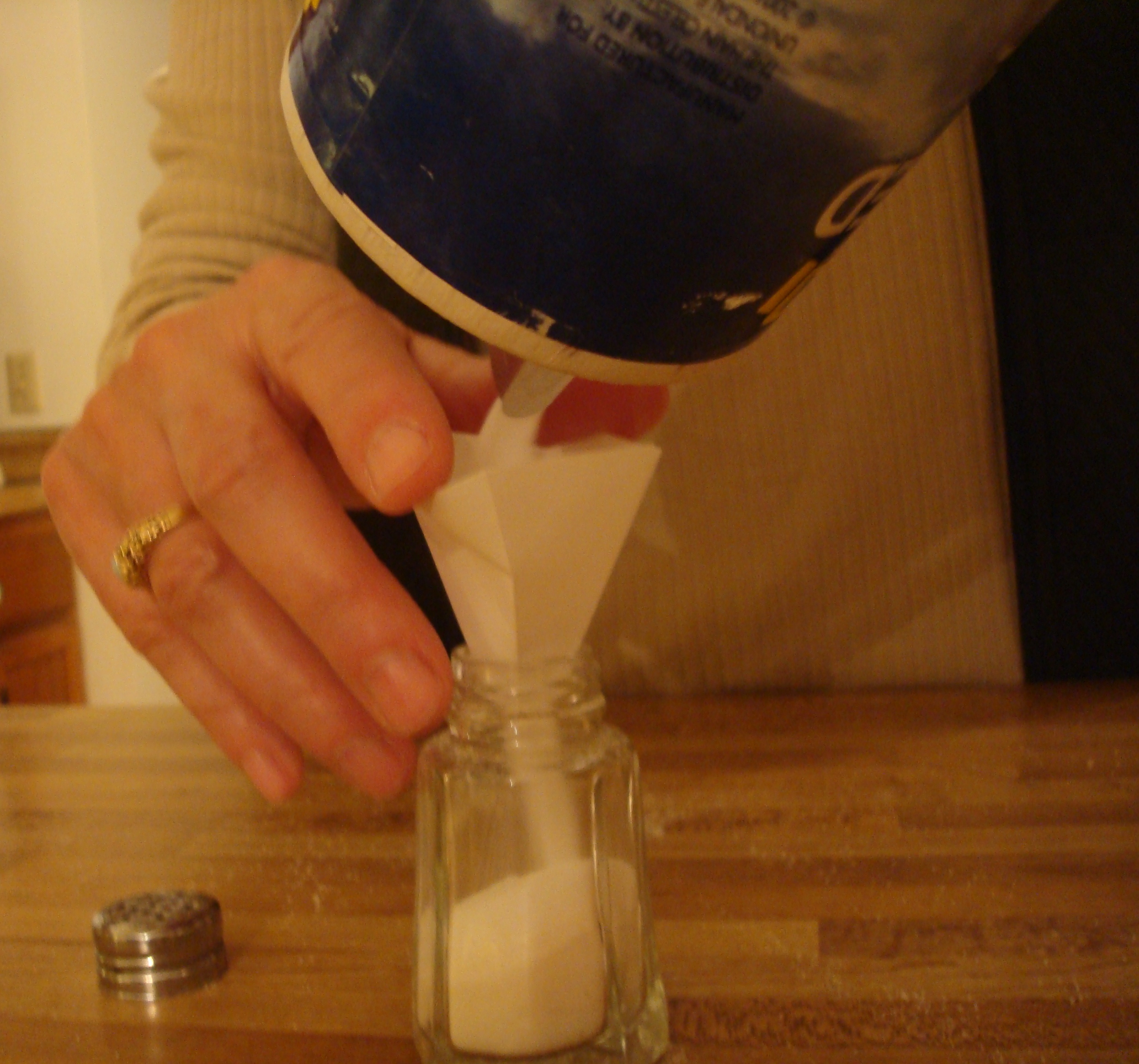
A temporary funnel is quickly made from an ordinary envelope. Clip a corner off, funnel-shaped. Then clip the point and your funnel is ready to use.

Good Housekeeping (September, 1911)

Fixing Clothes to Make Them More Stylish

16-year-old Helena Muffly wrote exactly 100 years ago today: 

Saturday, January 27, 1912: Saturday is a busy day if so you choose to make it. I was busy all day. Sewed nearly all afternoon. I didn’t make anything, but fixed some of my clothes the way I wanted them. And I’m not going to study any this evening—lessons or no lessons.

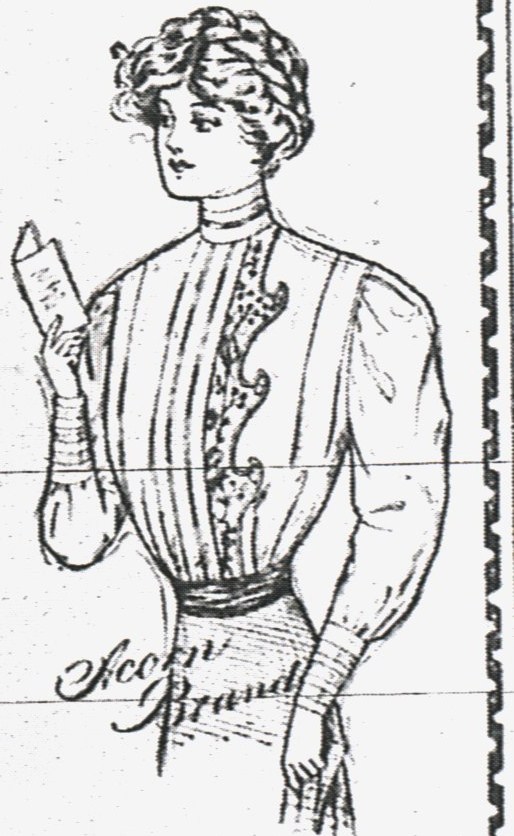
Waist (Source: Milton Evening Standard, Feb. 4, 1911)

Her middle-aged granddaughter’s comments 100 years later:

Today clothes have become almost throwaway items.  Styles seem to change ever more rapidly. The legs on my pants from last year are too wide; the skirts too long.

A hundred years ago people remodeled their clothes when styles changed. According to The Dressmaker (1911) by the Butterick Publishing Company:

In making over a waist it is sometimes necessary to use quite a little new material; but when chemisettes, yokes, and half-sleeves are in fashion it is an easy matter to supplement the old material with net, lace, chiffon, etc.

Sleeves and skirts frequently need to be recut. If piecing is necessary, see to it that the seams fall in places where they will not show or where they can be covered with trimming.

Remodeling a skirt is an easy matter if the new pattern is narrower than the old skirt. In that case it is only a question of recutting; but if the pattern calls for more material than you have in the skirt itself you will have to do some piecing.  Braided bands covering the skirt seams are an excellent way of increasing the width of a skirt.

Or you can raise the skirt at the waistline, refit it, and add to it at the bottom by a band or a fold. Or it may be pieced at the bottom and the line of piecing covered by wide braid, bias bands, etc.

Had a Little Fun–and Did a Little Studying

16-year-old Helena Muffly wrote exactly 100 years ago today: 

Friday, January 26, 1912:  Ruth and I went up to Oakes’ this evening. Wanted to stay at home and work my Algebra problems. Worked two after I came home. Ruth helped me with one. Must manage to the rest some other time.

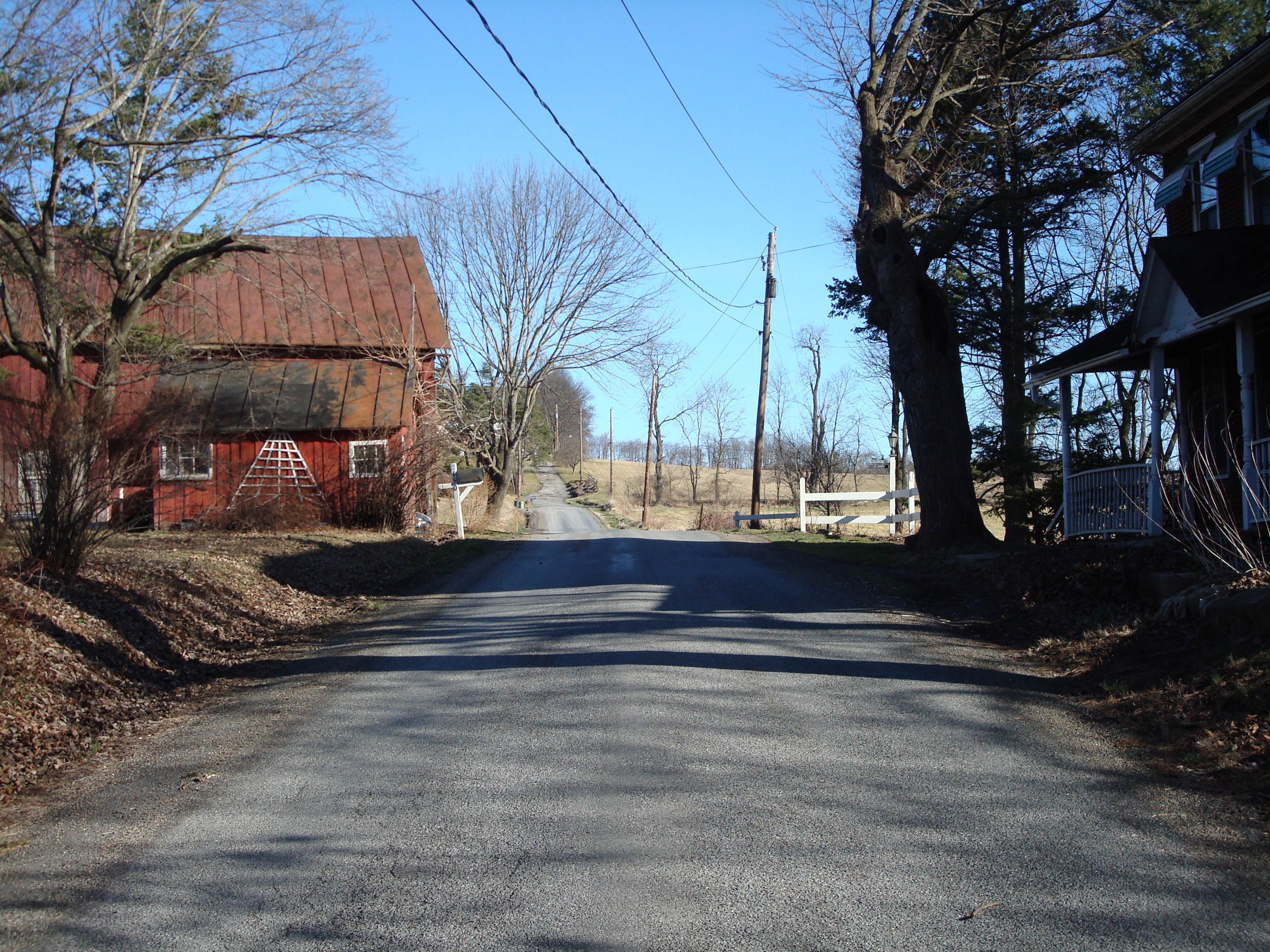
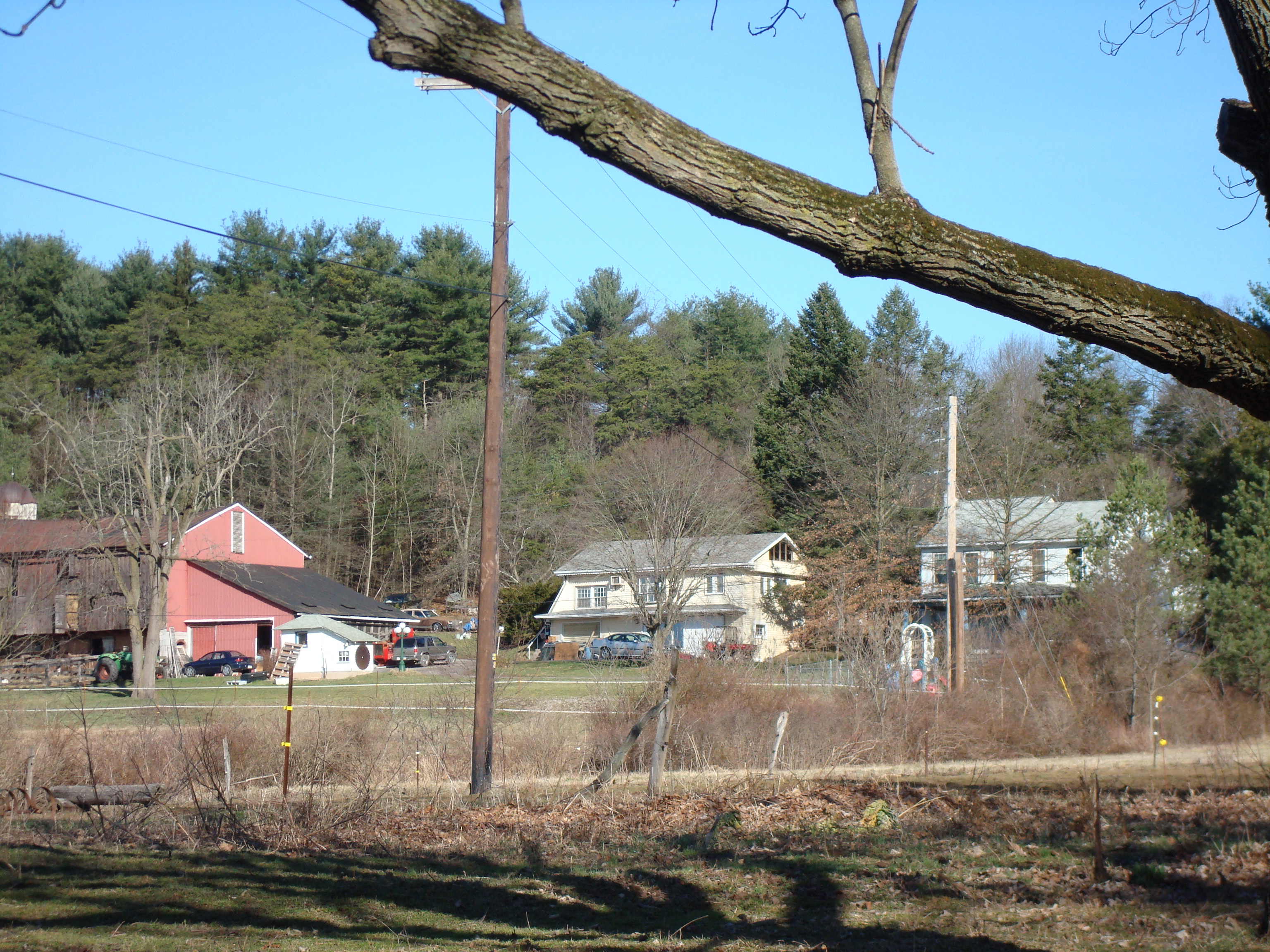
Grandma and Ruth would have walked down this road to get to Oakes.

Her middle-aged granddaughter’s comments 100 years later:

Grandma went to visit neighbors with her sister Ruth on a Friday night–though she also did  two algebra problems.

Hmm–has Grandma turned a new page?

In the diary entry that I posted yesterday Grandma wrote that she’d gotten a lecture from her teacher about cheating on tests. She said that she was going to:

. . . bid adieu to all ways of crookedness and get the things in my head instead of having them on paper.


Got Up While Still Dark and Milked Cows

16-year-old Helena Muffly wrote exactly 100 years ago today: 

Wednesday, January 24, 1912: We had to vacate the school room while Jake swept at noon. Spent the time by taking exercise on the school ground. Ruth and I had sort of a fight this morning. I happened to have all the covers and couldn’t  get them back right, so I got up and went out to milk in the darkness.

After Grandma milked each cow, she probably poured the pail of milk into a can similar to this one. To read ad, click on it to make larger. (Source; Kimball's Dairy Farmer Magazine, December, 15, 1911)

Her middle-aged granddaughter’s comments 100 years later:

Jake was Grandma’s teacher. It always amazes me that she often referred to him by his first name in the diary.

Grandma and her sister Ruth shared a double bed—at least during the cold, winter months. They must have had some fight over the blankets if Grandma decided to get up early to milk the cows instead of staying in the warm bed as long as possible.

Went Visiting Instead of Studying

16-year-old Helena Muffly wrote exactly 100 years ago today: 

Monday, January 22, 1912:  Ruth and I went up to Oakes’ this evening. I didn’t care very much about going as I had my lessons to study and don’t do so much as it is.

Recent photo of the farm where the Oakes family lived.

Her middle-aged granddaughter’s comments 100 years later:

Brrr. . . it sounds like  a cold walk in the dark.

Grandma and her sister Ruth would have walked down the road that went past their house to the farm where their friend Rachel Oakes lived.

Rachel’s brothers, Alvin and James, may have also been there. The previous spring Ruth dated James—but he hasn’t been mentioned in the diary in months, so I don’t think that they were still dating.

Rural Free Delivery

16-year-old Helena Muffly wrote exactly 100 years ago today: 

Wednesday, January 17, 1912: Had to walk to school this morning, as Daddy was busy elsewhere. We didn’t get any mail today because the mail carrier was almost too lazy I guess to get through the drifts. How you do miss the mail then. Ahem.

1996 stamp commemorating the 100th anniversary of rural free delivery of the mail

Her middle-aged granddaughter’s comments 100 years later:

Today’s diary entry brings back warm fuzzy memories of the days when getting mail was one of the highlights of the day.

A hundred years ago the mailman probably used a horse and buggy to deliver the mail.

The mailman would not have delivered packages. A hundred years ago merchants opposed the establishment of parcel post because they believed that it would take business away from the local stores—but farmers and others strongly advocated for parcel post and it would be established a year later in 1913.