18-year-old Helena Muffly wrote exactly 100 years ago today:
Monday, July 14, 1913: Didn’t feel very good today and did feel very miserable. I’m not really sick, but sick at heart over something else.
Recent photo of the Muffly farm.
Her middle-aged granddaughter’s comments 100 years later:
Why was Grandma sick at heart? What could have possibly happened?
Previous entries provided no clue that Grandma might be stressing over something—the preceding day she just wrote about the rainy weather and going to Sunday School. . . and two days before this entry she wrote about helping with the wheat harvest.
18-year-old Helena Muffly wrote exactly 100 years ago today:
Sunday, July 13, 1913: Went to Sunday School this afternoon. Had to wait awhile after church before starting home because it was raining. Just got home in time before it commenced again. I’m glad I didn’t get another drenching. Got a good one yesterday so that was enough.
Her middle-aged granddaughter’s comments 100 years later:
Yeah—Grandma, I’m glad you didn’t get soaked. Sometimes things work out just right.
According to the historic weather records for Williamsport Pennsylvania—a town about 20 miles from McEwensville—July 13, 1913 was the coolest day so far in the month. The high was only 72 degrees and the low was 55. And, there was a thunderstorm in the afternoon with 0.08 inches of precipitation.
The weather records also show (just as Grandma wrote) that there was a thunderstorm the previous day. I’m surprised she didn’t mention the rain in the preceding diary entry. Instead, on July 12, 1913, she wrote about helping load wheat. Did the storm roll in while she was loading wheat?—and did it cause any damage to the crop they were harvesting?
If you’d like to find historic weather records for many towns in the US, see this previous post:
18-year-old Helena Muffly wrote exactly 100 years ago today:
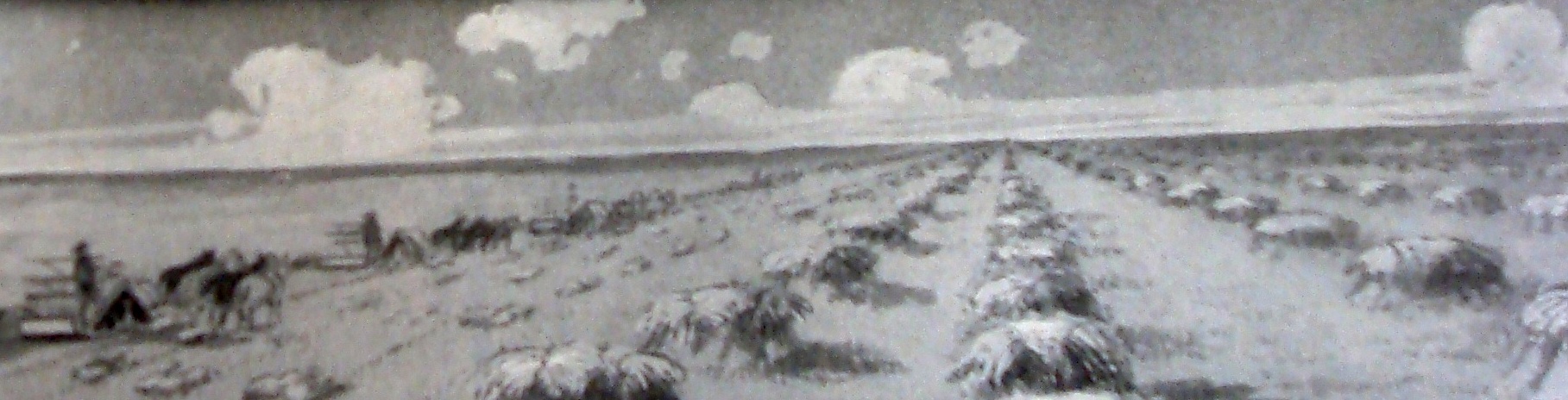
Saturday, July 12, 1913:I had to help load wheat today. That is something I never did before. Not any too good at it either.
Source: Ladies Home Journal (May 1, 1911)
Her middle-aged granddaughter’s comments 100 years later:
The day prior to this entry Grandma wrote about how the boy her father hired to help with the farm work had suddenly quit and run away only four days after his arrival.
Grandma’s father probably was short-handed –and needed extra help. I bet that Grandma was ticked that she needed to help with a hot, dusty, tiring chore that she’d never done before.
Note about the drawing used to illustrate this post: This picture of harvesting wheat was part of an advertisement for flour in Ladies Home Journal. To see the entire advertisement, go to this previous post:
Pa picked up a little boy who is going to work for him. I have to room with Ruth now.
I guess that the Muffly family again had to do all of the farm work. But my heart aches for the little boy. Why did he run away? . . . Was he homesick? . . . . Was he scared? . . .Was the work too hard? . . .
18-year-old Helena Muffly wrote exactly 100 years ago today:
Thursday, July 10, 1913:Ditto
Source: Ladies Home Journal (July, 1913)
Her middle-aged granddaughter’s comments 100 years later:
The previous day Grandma wrote, “Not so very much doing today,” so I guess that a hundred years ago today was another quiet day.
Sometimes I wonder where Grandma was sitting when she wrote these diary entries. Was she at the kitchen table? . . . sitting in a chair in the living room? . . . .sprawled on her bed?
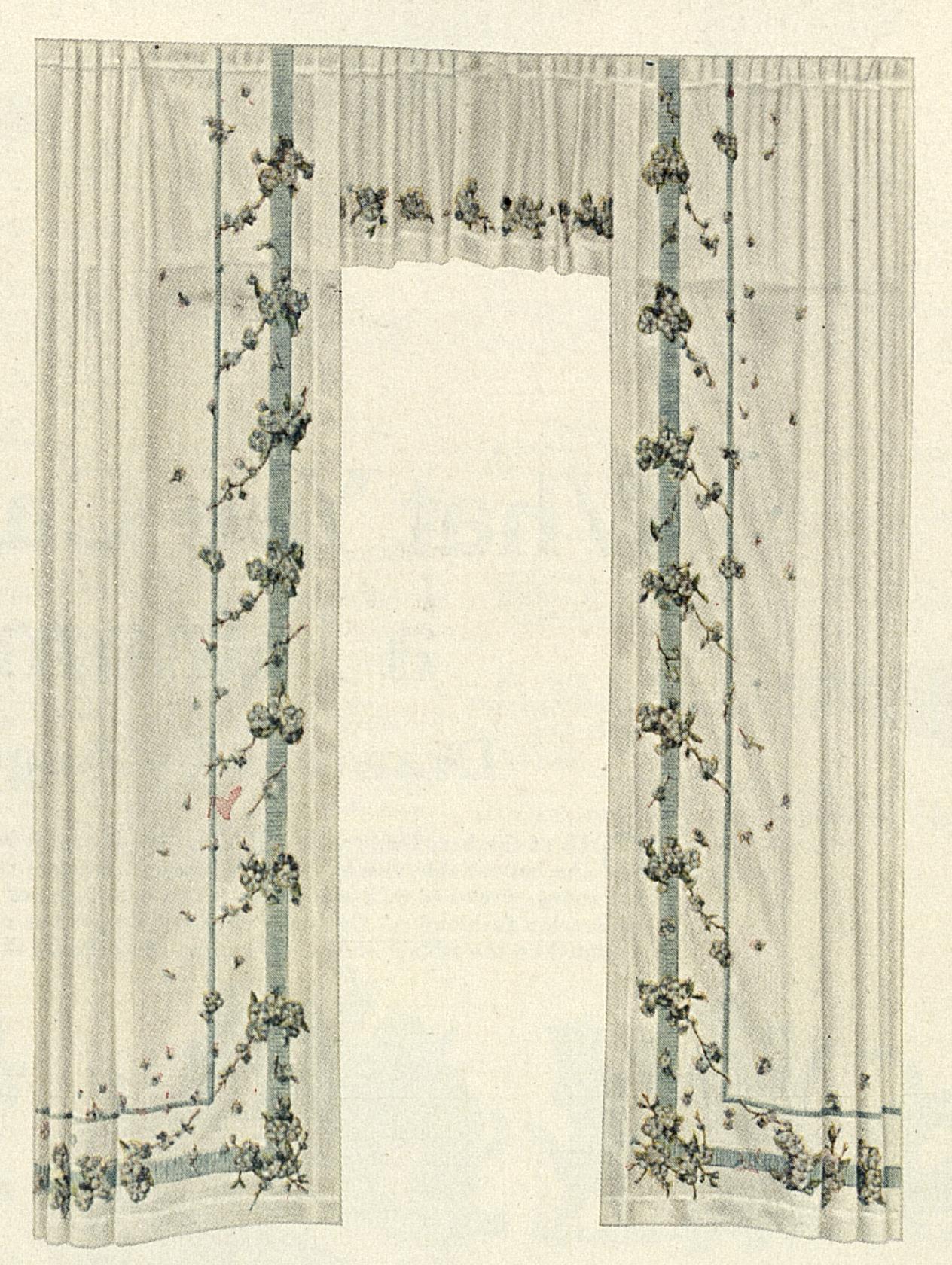
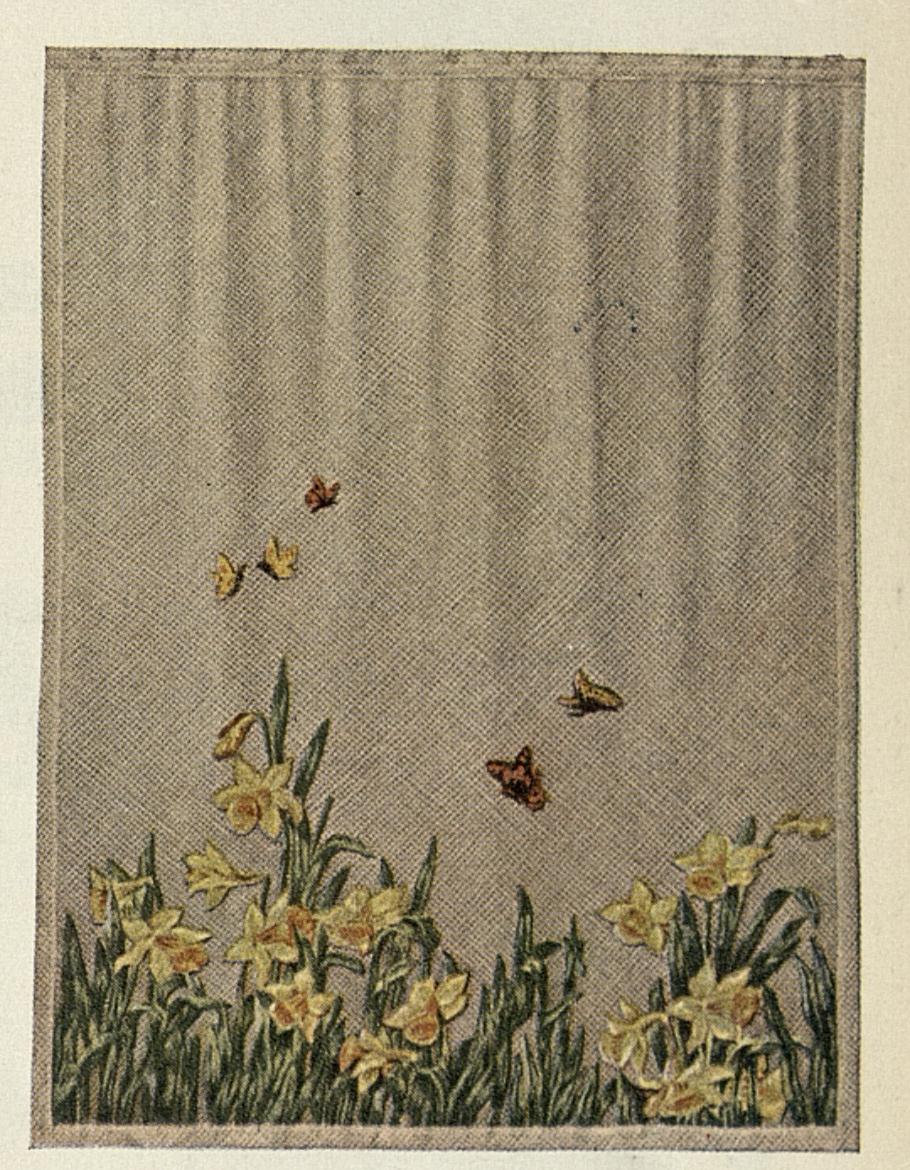
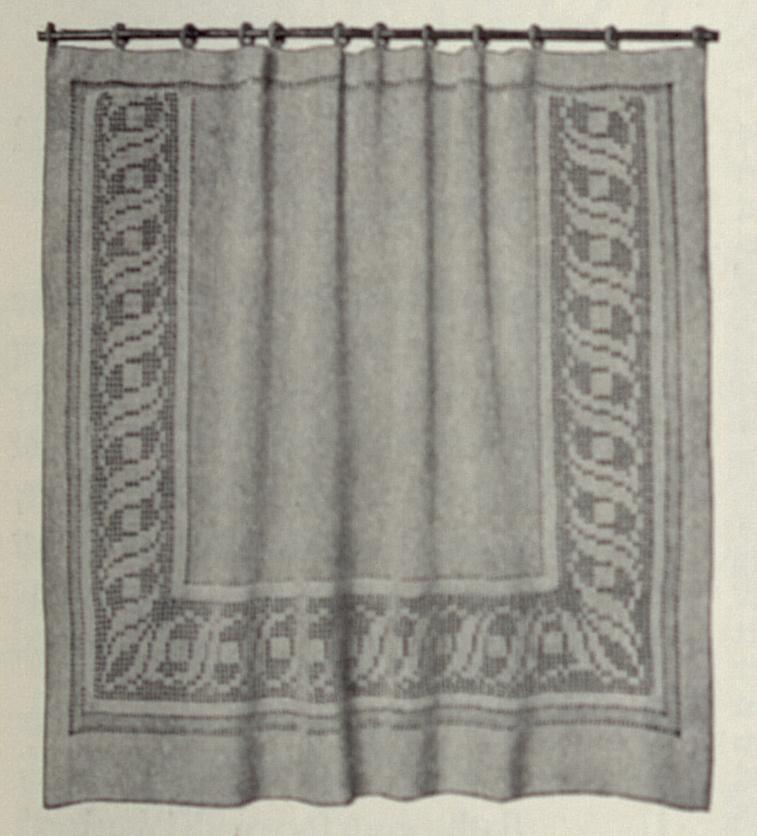
And, what was the room like? The windows were probably open and the curtains may have been fluttering in the breeze. Were the curtains stylish—and similar to ones shown in 1913 issues of Ladies Home Journal; or were they old and a little tattered?
Ladies Home Journal (July, 1913)Ladies Home Journal (July, 1913)Ladies Home Journal (August, 1913)Ladies Home Journal (August, 1913)
18-year-old Helena Muffly wrote exactly 100 years ago today:
Wednesday, July 9, 1913:Not so very much doing today.
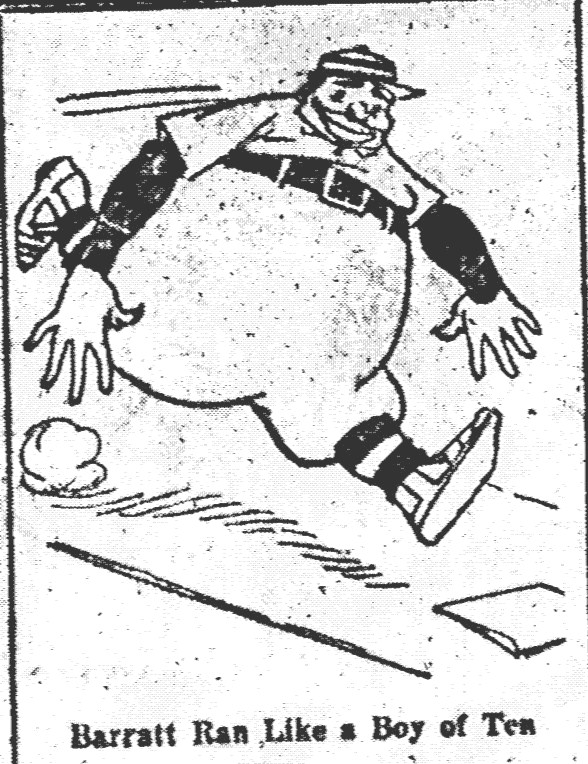
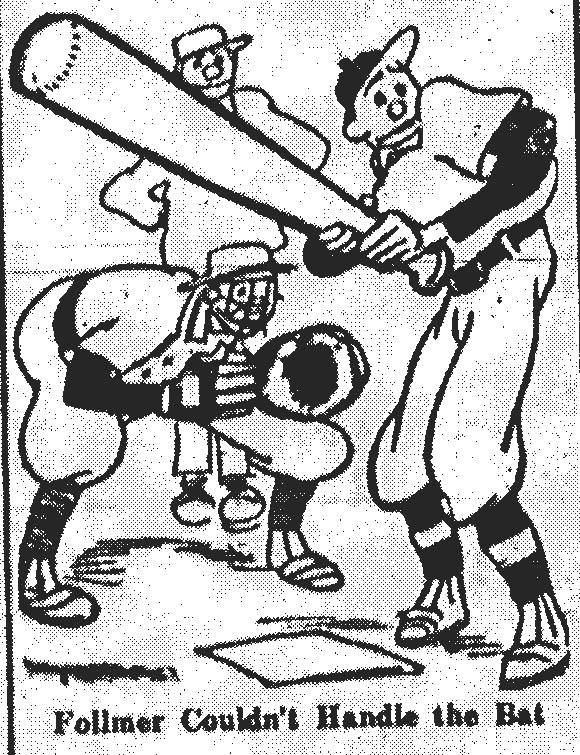
Source: Milton Evening Standard (June 26, 1913)
Her middle-aged granddaughter’s comments 100 years later:
Sounds like Grandma had another boring day on the farm. Did she ever attend baseball games or other sporting events in the nearby towns?
A hundred years ago, the headlines of the local newspapers, The Milton Evening Standard, focused on the rivalry between two local baseball teams.
LARGE CROWD SEES FRONT ST. WALLOP BROADWAY BUNGLERS
Three hundred persons witnessed the game between Front Street and Broadway last night, and all agreed that the exhibition was in many senses, marvelous beyond description.
Spectators gained from five to ten pounds each in laughing, and the players, besides paying about $10 for errors, lost twenty pounds apiece in perspiration and nervous tension. Front Street won the battle, but had the game continued indefinitely Broadway might have nosed out.
Barrett, champion strikeout artist, fooled the critics by plugging the ball no less than three times and he also crossed the plate twice.
F. Follmer’s ineffectual attempts to hit the ball featured the game. At one time he was given five strikes, but never managed to connect with the sphere. The Broadway crowd today assert, of course, that the umpire robbed them of the game, and are now busy inventing excuses to apply to their horrible exhibition. . .
18-year-old Helena Muffly wrote exactly 100 years ago today:
Tuesday, July 8, 1913:Pa picked up a little boy who is going to work for him. I have to room with Ruth now.
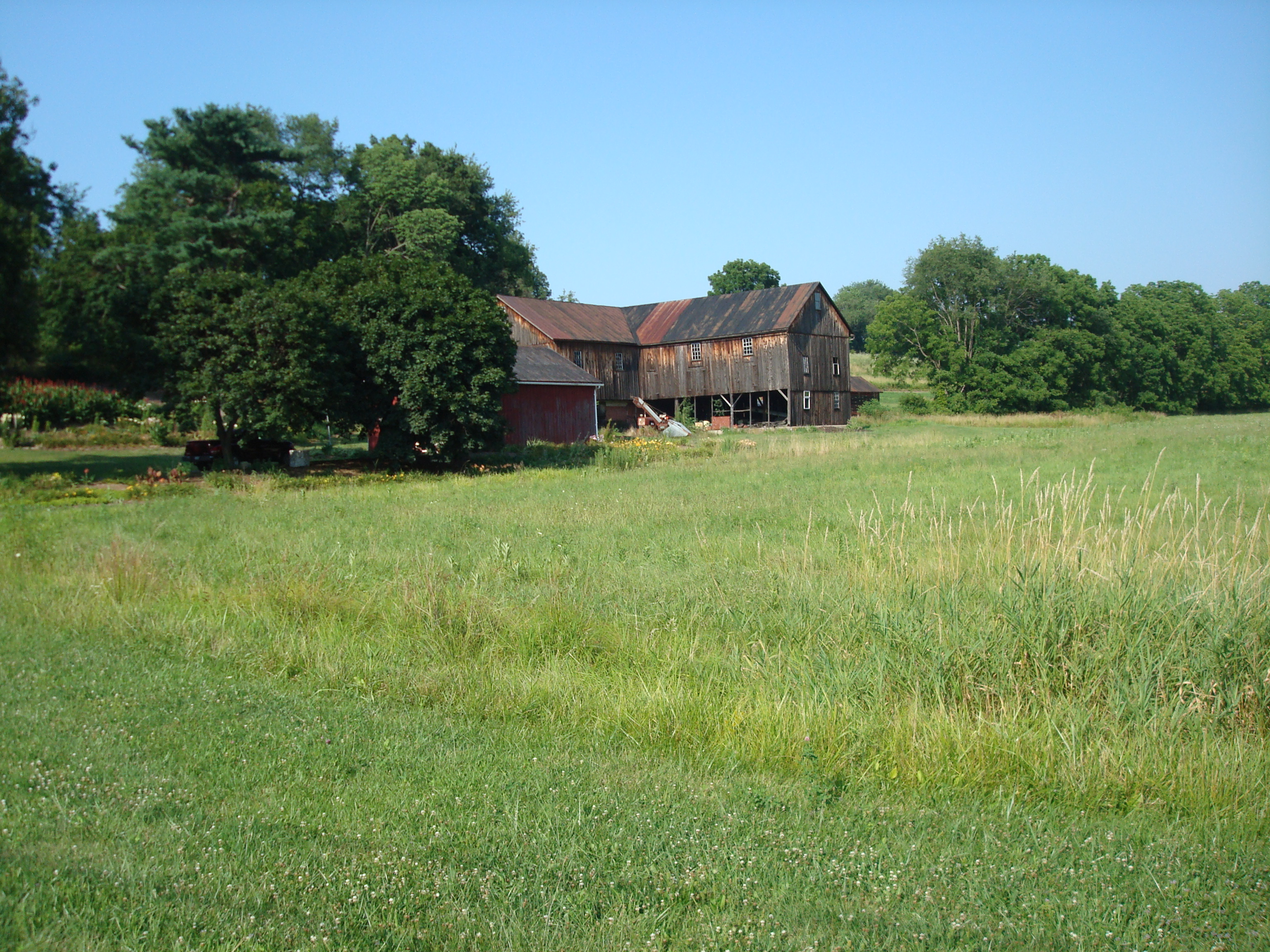
Recent picture of the barn on the Muffly farm
Her middle-aged granddaughter’s comments 100 years later:
It sounds like Grandma’s father decided that he needed to hire someone to help with the farm work.
How old was the “little boy”? . . . 9? . . . 12? . . . 15? Children often held jobs a hundred years ago, but the term “little boy” seems like an unusual way to describe a new farm laborer. I’d think that the individual would have had to have been fairly strong—and that he would have been a teen-ager not a boy.
Who was the boy? . . . a relative? . . . the son of a friend? . . . the child of someone who was struggling financially?