
Somehow I don’t think that having a box of tapioca in my cupboard will resolve my terror of unexpected company – but maybe it’s just me. Others may find tapioca very useful in this situation.
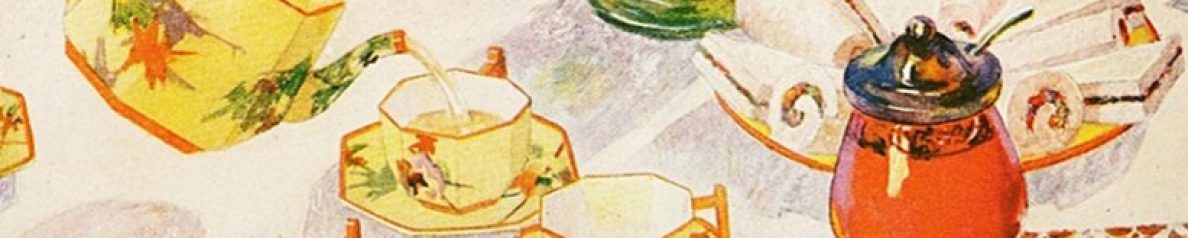
Somehow I don’t think that having a box of tapioca in my cupboard will resolve my terror of unexpected company – but maybe it’s just me. Others may find tapioca very useful in this situation.

I think this product still exists – though the name has changed slightly across the years. In 1924, it was called Grandma’s Old Fashioned Molasses while today it is just called Grandma’s Molasses. Interesting that company no longer considers it necessary to include “Old Fashioned” in the name, even though it’s been around for at least a hundred years.
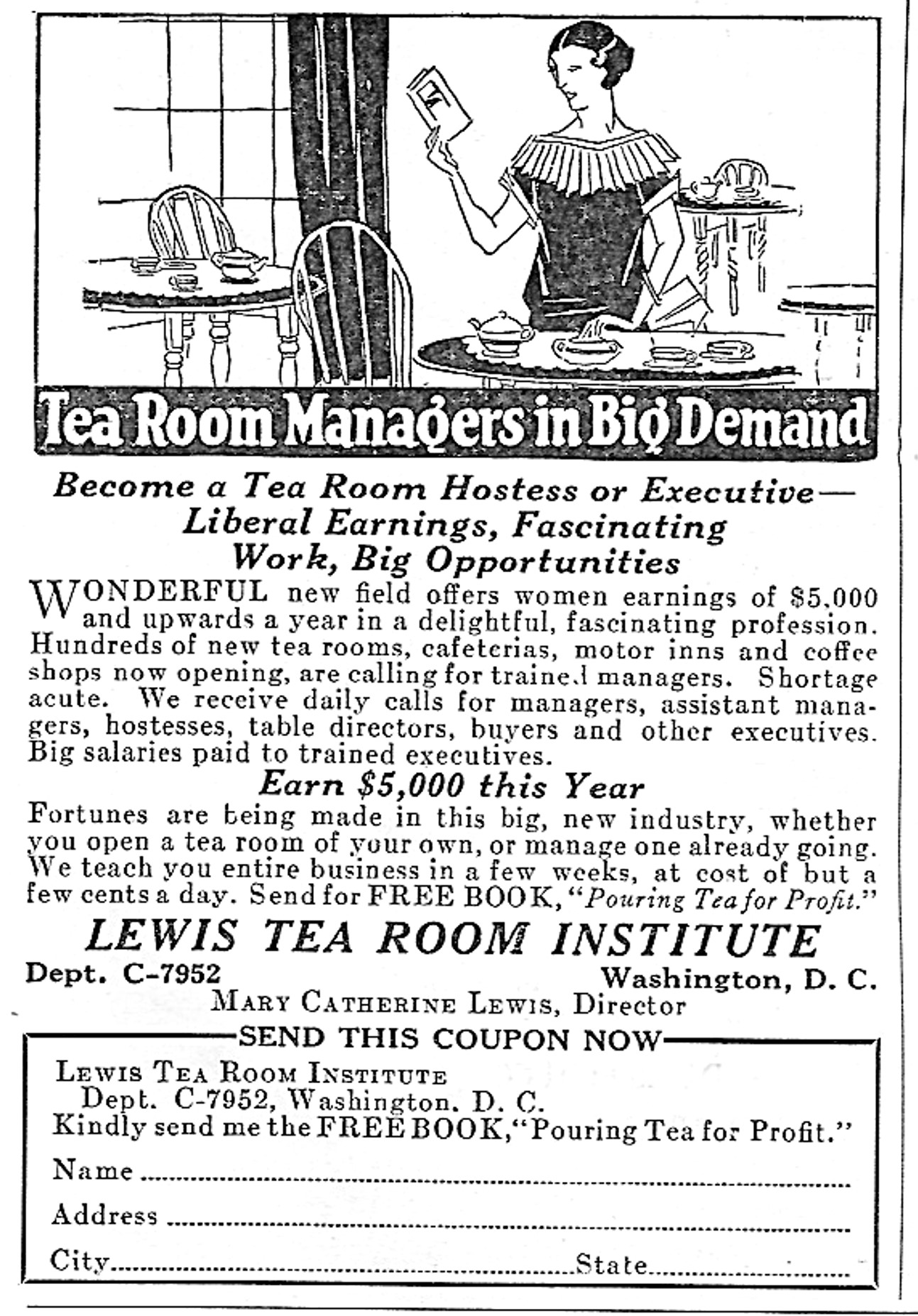
Careers for women were very limited a hundred years ago. One option was to become a tea room manager, and the Lewis Tea Room Institute was ready to teach women how to become one.
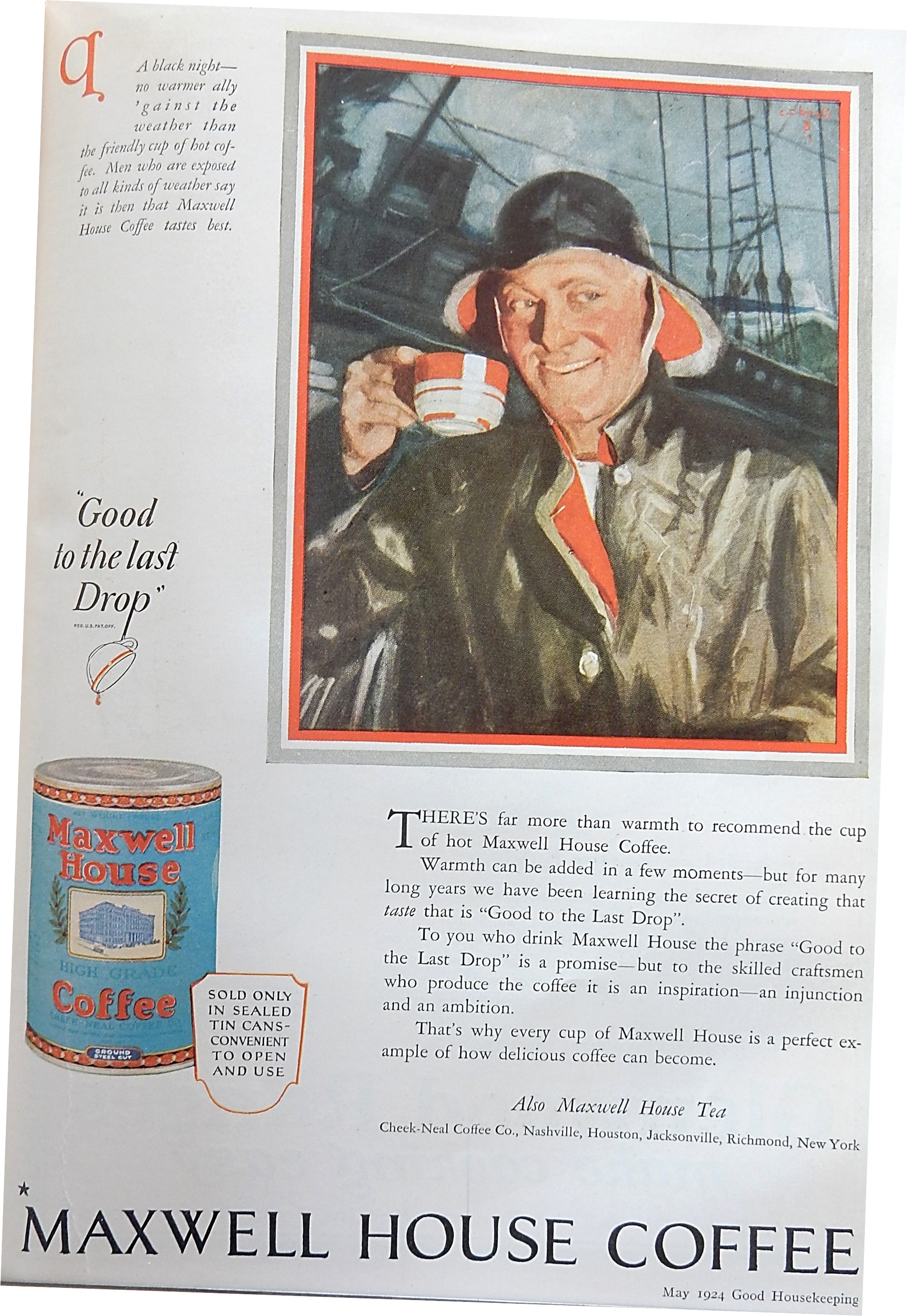
Most companies are constantly changing advertising campaigns and taglines. Maxwell House Coffee is the exception. It has used the slogan “good to the last drop” for at least a hundred years.
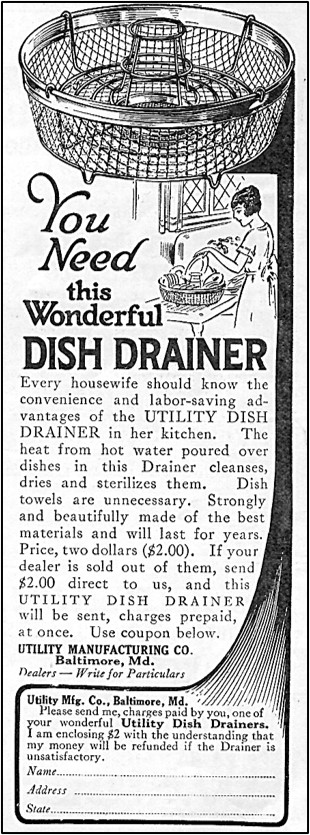
I think that I need a Utility Dish Drainer that would cleanse, dry, and sterilize my dishes.
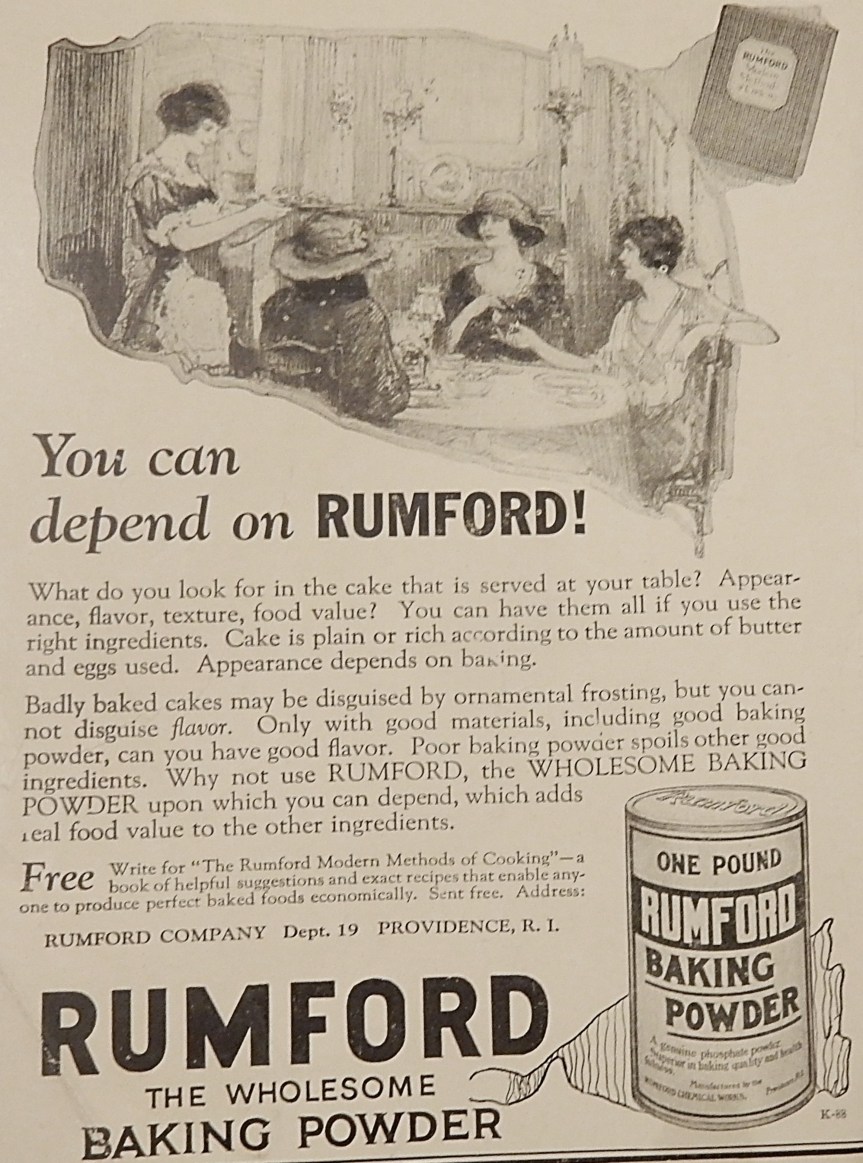
I don’t usually give much thought to baking powder brands, but this 1924 full-page advertisement on the inside cover of the April, 1924 issue of American Cookery made me realize that there used to be differences across brands. I definitely don’t want to spoil a cake by using a bad baking powder. I wonder if there still are significant differences.
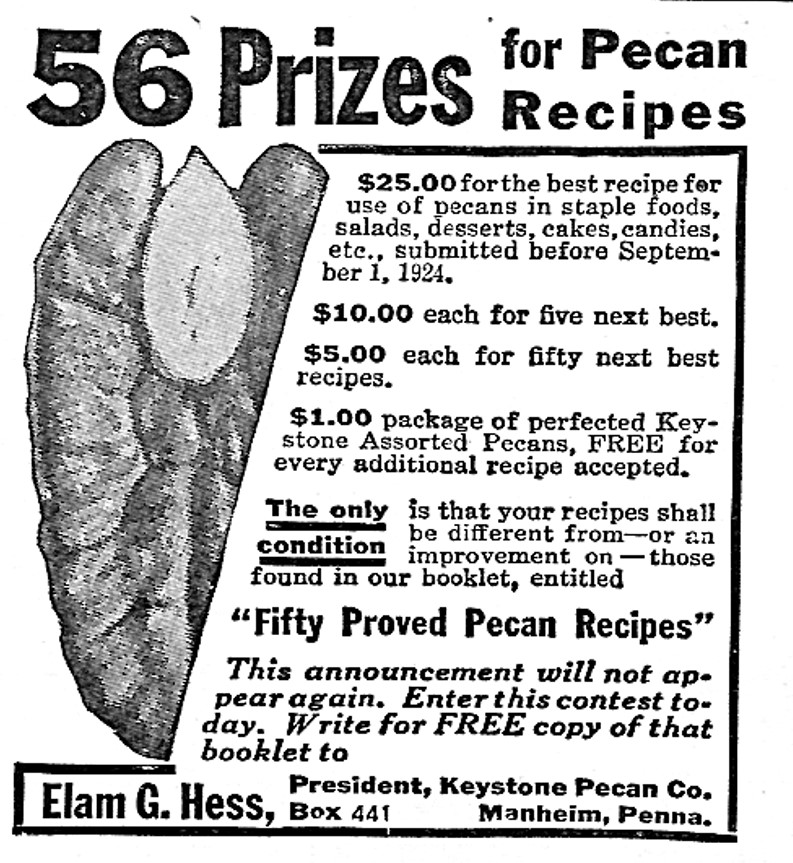
I love recipe contests – and have some great pecan recipes. Unfortunately, this pecan recipe contest ended a hundred years ago.
