Daddy Has Sore Back

18-year-old Helena Muffly wrote exactly 100 years ago today: 

Monday, December 8, 1913:  Had to help Daddy with his work today. He has a sore back and can’t do much.
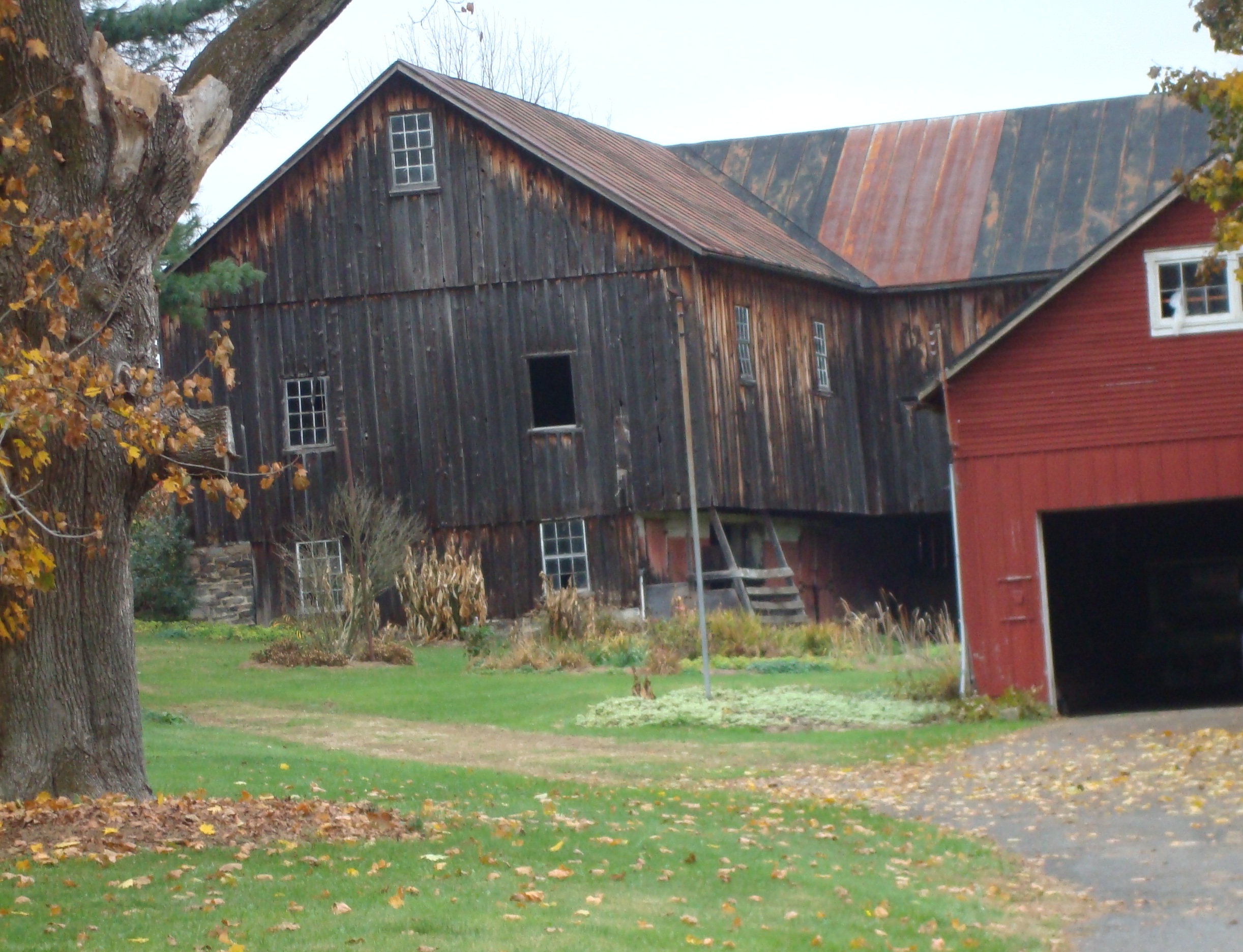
barn

Her middle-aged granddaughter’s comments 100 years later:

Grandma-

Oh dear, I hope your father isn’t in too much misery.  A backache can be so, so painful.

You must have a soft spot in your heart for your father when he’s ill. You generally refer to him as Pa, but I see that today you called him Daddy.

_____

Often when I start researching a post, I’m amazed by how much information I find. Today isn’t one of those days.

I thought that it would be easy to find information in hundred-year-old books about how treat backaches—but I found very little.

I got a 1913 book out of the library called When to Send for the Doctor and What to do Before the Doctor Comes. It had information about sore throats, fevers, sick stomachs, and bowel troubles—but nothing about backaches.

I then pulled out a 1911 book called Personal Hygiene and Physical Training for Women  –even though it was her father and not her mother with the backache—because it has lots of great health care information. And, I again came up short. Nothing about backaches–just some information about posture, rounded shoulders, and curvature of the spine.

Finally, I got out my copy of The Compendium of Every Day Wants (1908). It didn’t have detailed information, but I finally found some liniments and ointments for “lame back.” For example, here are directions for making a liniment that could be used to “bath” the sore area:

Mix 1/3 pound of cayenne pepper with 1 pint of pure alcohol.

Today, there are lots of books with detailed information about treating backaches. I can’t figure out why I couldn’t find much in the hundred-year-old books. I’ll have to dig around some more, and if I learn more about old-time backache treatments I’ll tell you about them in a future post.

Made a Call

18-year-old Helena Muffly wrote exactly 100 years ago today: 

Sunday, December 7, 1913:  Went to Sunday School this morning. It proved to be rather rainy. Made a call this afternoon. Ruth and I were going to church this evening, but it started to rain.

Telephone

Her middle-aged granddaughter’s comments 100 years later:

What does “made a call” mean? Did Grandma mean that she visited a friend? . . . .or did she mean that she made a telephone call?

Telephones were unusual enough a hundred years ago that a phone call may have merited a mention in the diary.

In the 1910s telephone lines were being strung from poles in the general area,  but I’m uncertain whether Grandma’s family had a phone. Some families who lived in town or along the main road between Watsontown and McEwensville definitely had one.

Back in 1911, Grandma wrote:

. . .This afternoon I went over to Stout’s. My first experience in telephoning. The voice at the other end of the wire sounded rather squeaky. I telephoned to Besse.

May 8, 1911

(Stout’s lived near the Muffly’s on a farm along the main road. Besse was Grandma’s married sister, and she also lived on the main road.)

Hundred-Year-Old Dolls from Russia

18-year-old Helena Muffly wrote exactly 100 years ago today: 

Wednesday, December 3, 1913: Nothing——-That word I have good use for.

1913-12-37.dThe Schoolboy must be coming home from school since his luncheon is all gone. He wears a cotton suit with a wool coat, and crocheted shoes.

Her middle-aged granddaughter’s comments 100 years later:

Grandma—

It can’t be that bad. Where’s your Christmas cheer?  Maybe you should read the current issue of Ladies Home Journal, there were a couple of articles that made me smile.

—-

Here are some pictures of Christmas Dolls from Russia that were in the December, 1913 issue of Ladies Home Journal. According to the magazine:

Christmas Dolls from Russia

Most dolls are clothed with the idea of making them pretty, but the dolls on this page were dressed to typify certain kinds of people and are accurate representations. The most interesting things about them is the fact that they were dressed by children in an orphan asylum in far-away Russia, and the money the children earned is their own. They are reproduced courtesy of the Russian Peasant Handicraft Center.

 Ladies Home Journal (December, 1911)

1913-12-37.aThe Russian Gentleman in velvet and gold braid looks very proud, with his fur-trimmed turban, and his dainty kid boots, which were made from someone’s old kid glove.

.

1913-12-37.bThe Russian Lady is dressed in a satin gown, velvet coat and elaborate headdress.

.

1913-12-37.cThe Coachman, to make himself quite pompous in the doll world, has stuffed his coat in front with cotton.

.

1913-12-37.eThe Water-Carrier looks so pretty and warm in her plaid shawl and green coat, beneath which there is a glimpse of a wool dress and a gingham apron. The water-pails have been whittled out of pine.

.

1913-12-37.fThe Broom-Seller being a poor little lady, is dressed in gingham.

Diary Blues

18-year-old Helena Muffly wrote exactly 100 years ago today: 

Tuesday, December 2, 1913:

Now if I was an energetic girl, I’d have these pages filled with things overflowing of great doings, but alas and alack, it’s actually the reverse.

DSC03318.crop.b

Her middle-aged granddaughter’s comments 100 years later:

Grandma—

Don’t be so hard on yourself, you have the diary blues—today people talk about the blogging blues when they struggle to come up with things to write.

Old Advice About How to Make Sunday School More Interesting for Teens

18-year-old Helena Muffly wrote exactly 100 years ago today: 

Sunday, November 30, 1913: Went to Sunday School this afternoon.

DSC06534This isn’t the church Grandma attended–she went to the Baptist church which was torn down years ago–, but here is a recent photo of St. John’s United Church of Christ in McEwensville.

Her middle-aged granddaughter’s comments 100 years later:

Grandma went Sunday School almost every Sunday, so she obviously got something important out of attending: however, a hundred years ago church leaders sometimes worried about teens who did not attend Sunday School.

I found an interesting book published in 1913 called The Sunday School and the Teens. It is a report of the Commission on Adolescence of the International Sunday School Association.

The Commission sent a questionnaire to girls between the ages of 13 and 20 in “widely scattered sections of the country.”

Girls who answered the survey question who no longer attended Sunday School gave many reasons including:

“We had no regular teacher.” “The Sunday School lessons weren’t interesting.” “I didn’t get anything out of it.” “There were so few girls my age in Sunday school I finally left.” “My family moved and I did not enter a new school.” “Sunday is my only day and I did not want to spend the afternoon in Sunday school.” “The other girls in the class weren’t sociable and I got sick of it and left..” “ I think Sunday school is well enough for children but I don’t see anything in it for a business girl” “ I’m too tired.” “I’d rather go to church.” “I simply did not like it.”

The Sunday School and the Teens (1913)

The report concluded that the girls wanted Sunday Schools with:

1.         Competent and interesting teachers.

2.         Some form of class organization.

3.         Some social life connected with the class.

4.         Something definite to do.

5.         Lessons that have to do with life.

Putting Things in Order

18-year-old Helena Muffly wrote exactly 100 years ago today: 

Sunday, November 29, 1913: Put things in some kind of order here, but how long they’ll stay. Goodness only knows.

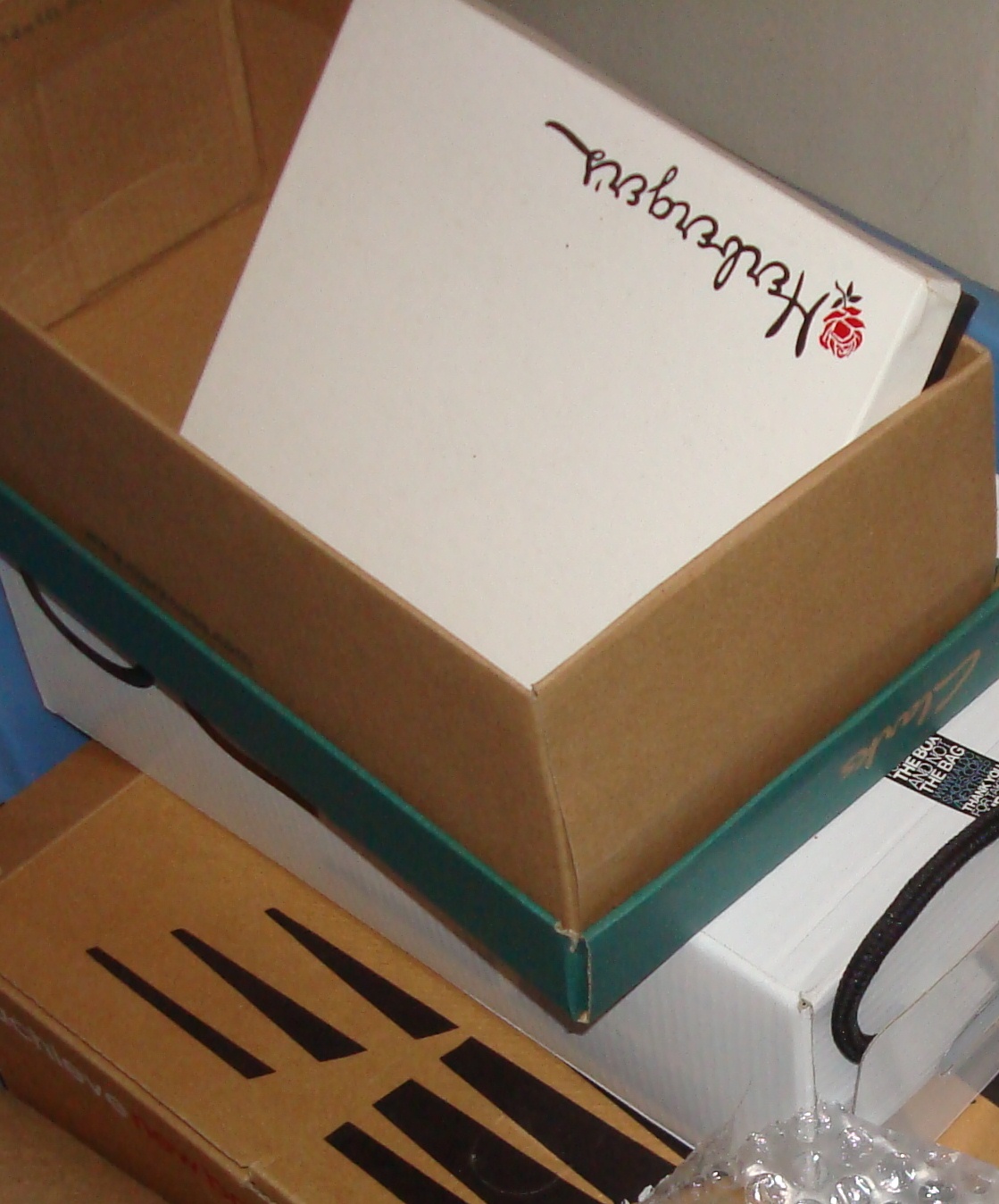
boxes

Her middle-aged granddaughter’s comments 100 years later:

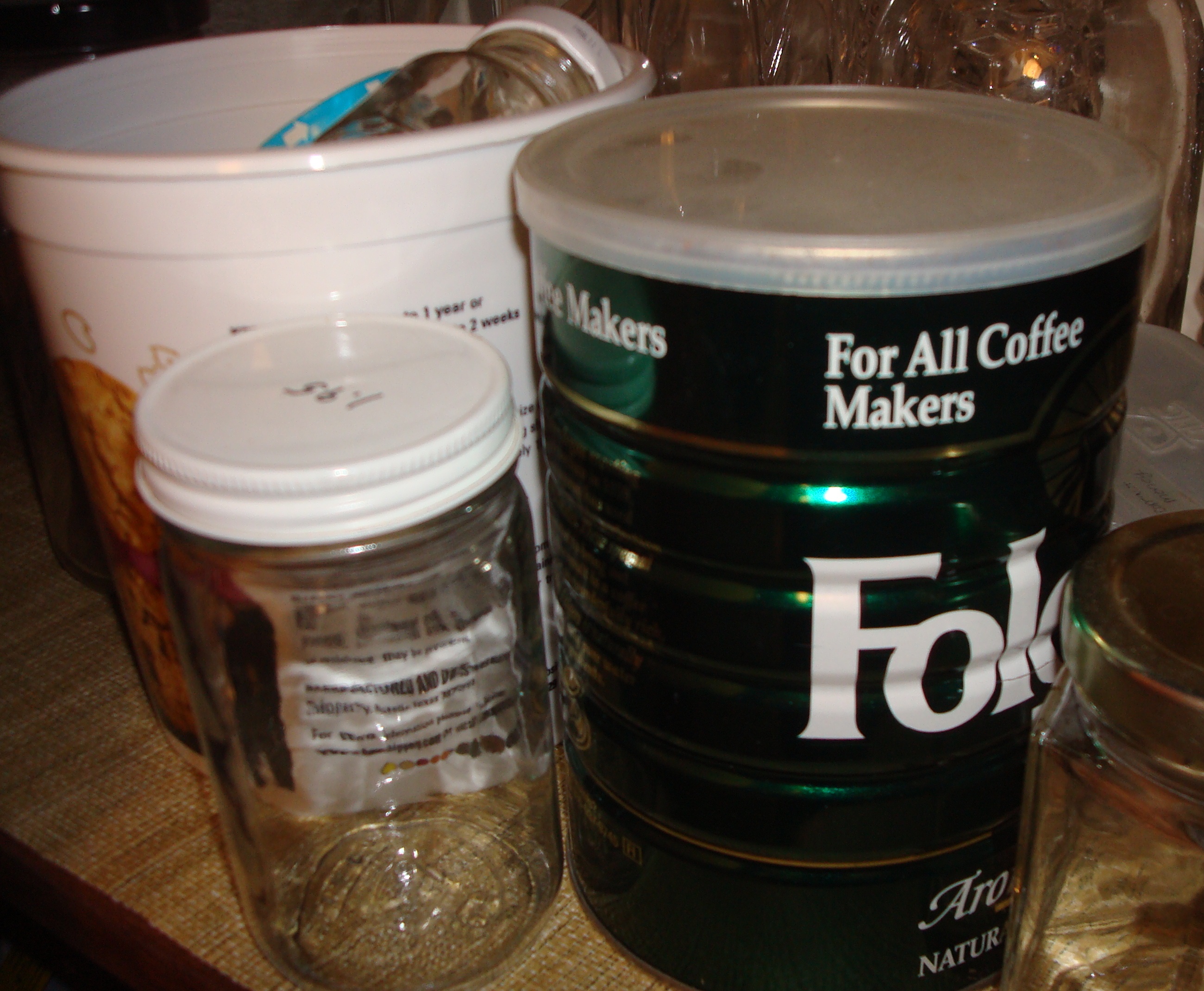
What was Grandma organizing?  Did she put similar items into a box or other container?  In the days before container stores, people used to save boxes, jars, and cans to store things in.

Actually, I still save jars and boxes. When I’m cleaning, I’ll gather a group of like items—and then search for a saved container to store them in.

Sometimes I think that I’m the only person  still saves old containers—and that most people buy nice matching containers—but I never can bring myself to buy them when I have a closet full of saved ones.

jars and cans