Big Changes and Little Changes Over Time

18-year-old Helena Muffly wrote exactly 100 years ago today:

Monday, March 9, 1914:  Nothing to write.

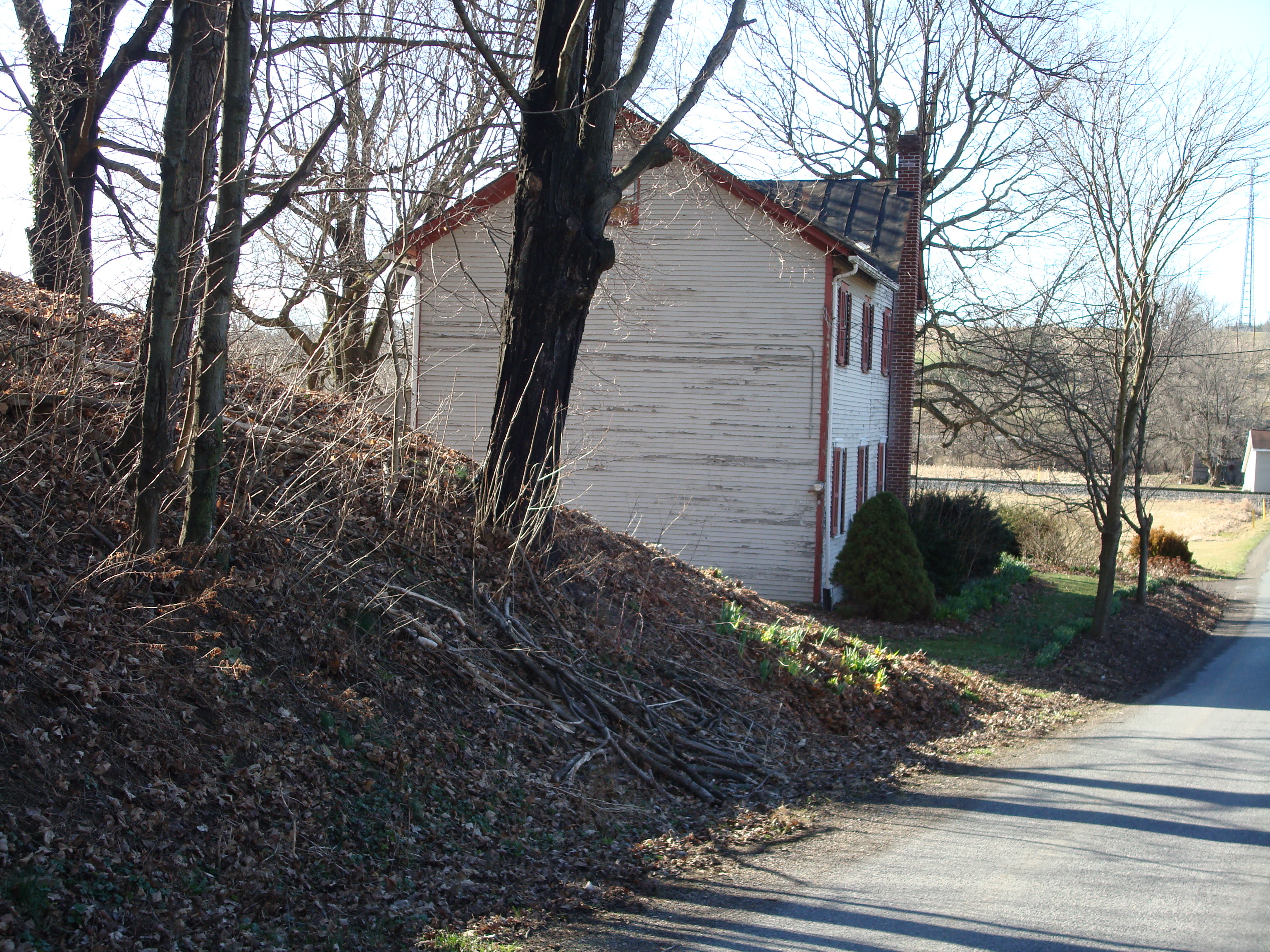
DSC02372
2010 photo
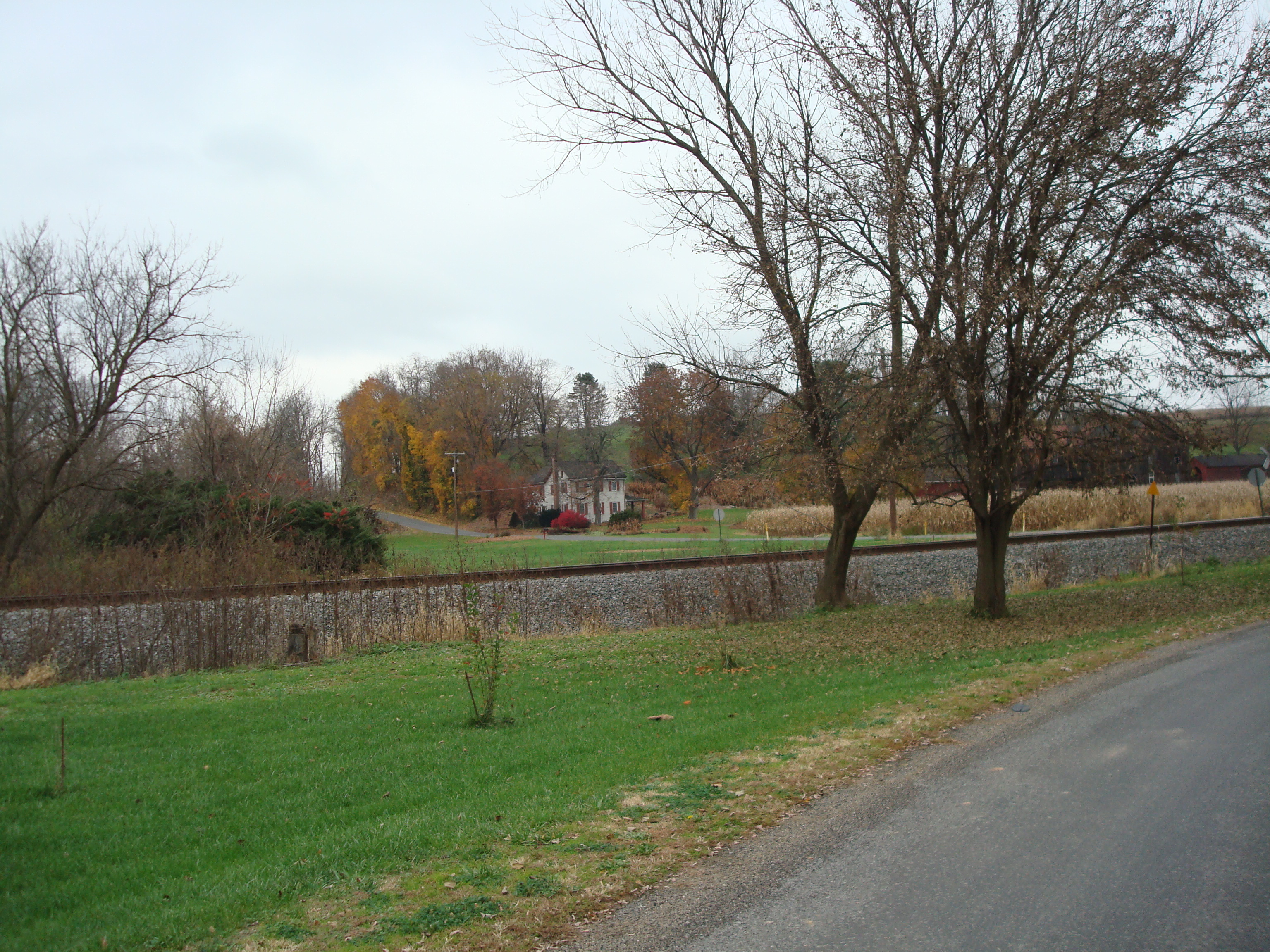
DSC06513
2012 picture

Her middle-aged granddaughter’s comments 100 years later:

When writing posts I often think about all the changes that have happened over the past 100 years—but sometimes I’m surprised to discover that this blog also makes me more aware of little changes that occur from one year to the next.

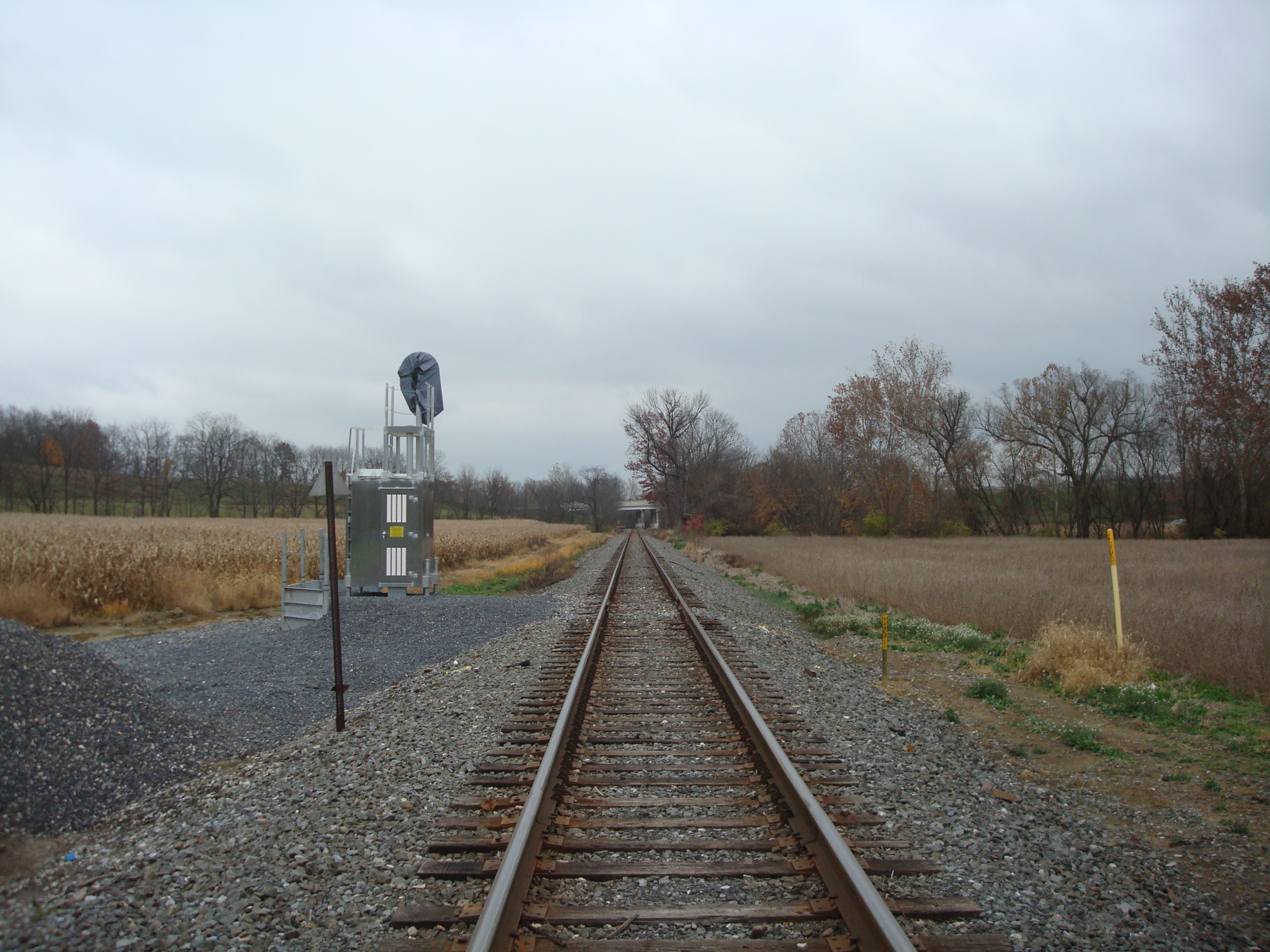
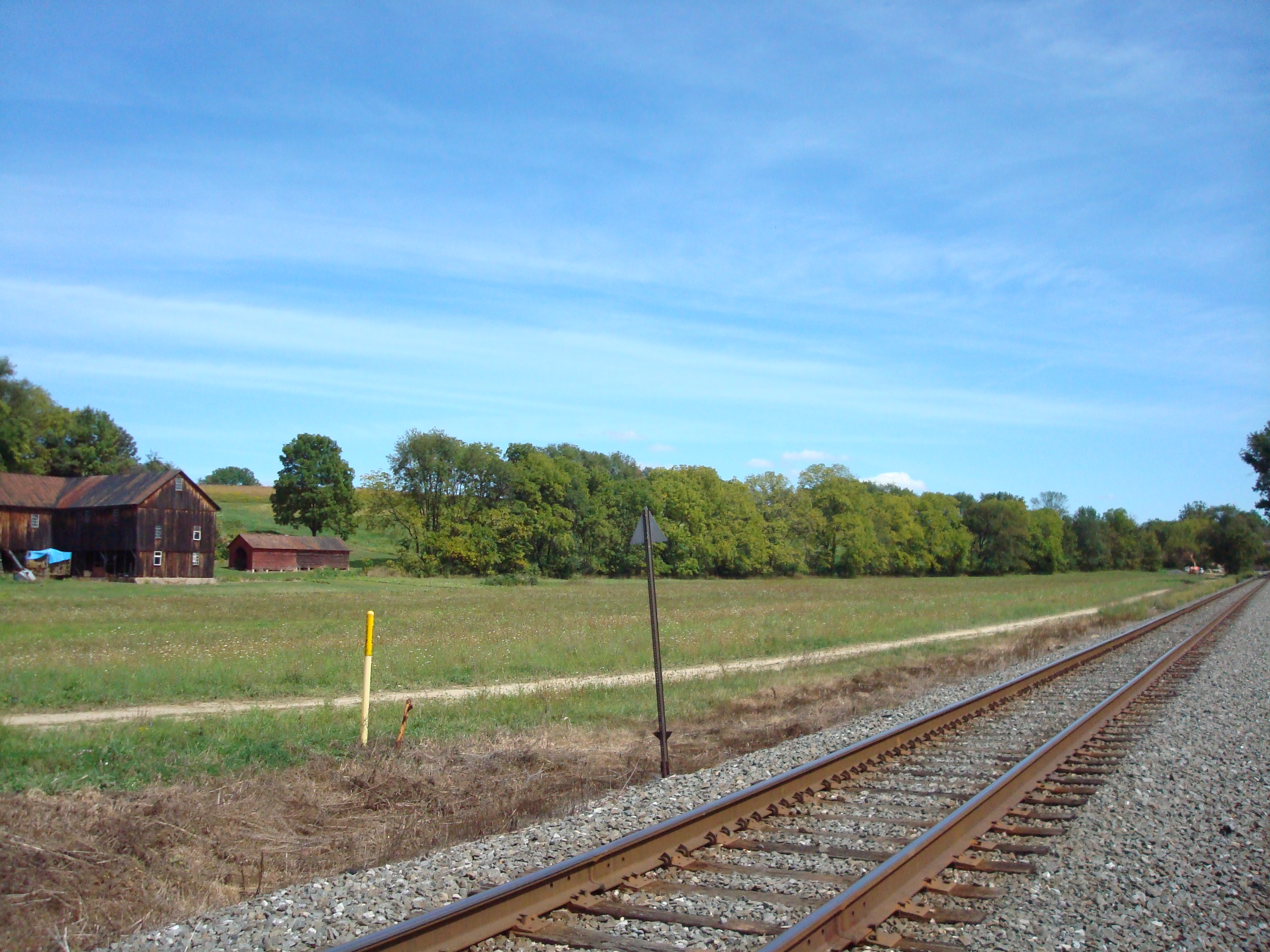
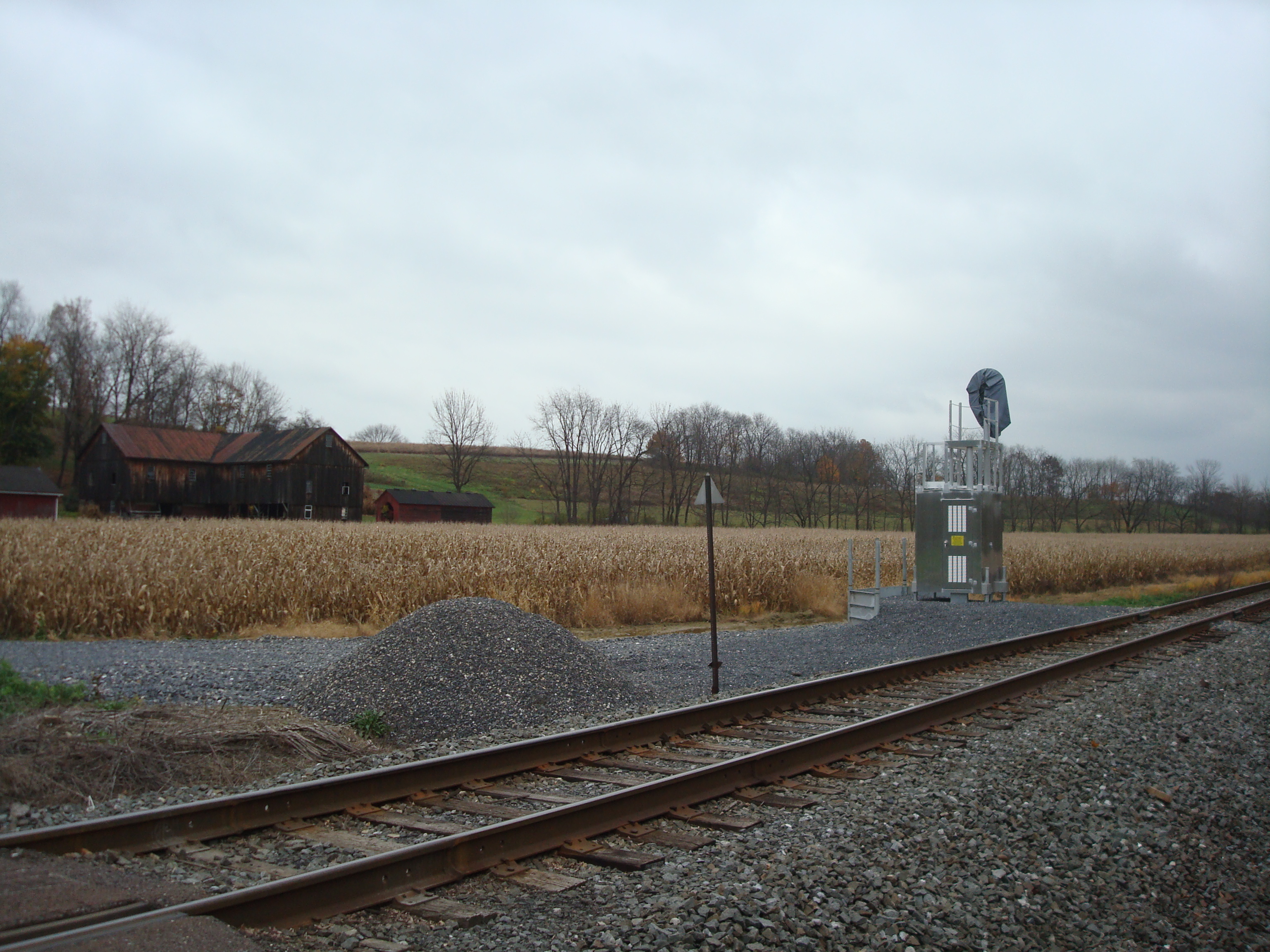
For example, several days ago I went through my pictures to find one illustrate the recent post about Ruth taking the train.  And, I was surprised to discover that the pictures of the tracks that I took in 2010 differed from the ones that I took in 2012. In  2012 there was a piece of equipment by the tracks that hadn’t been there two years before.

The Susquehanna, Bloomsburg, and Berwick railroad of Grandma’s day is long gone—but the tracks are still used by trains taking coal to the PPL Montour Power Plant near Washingtonville.

Any idea why what is the purpose of the new equipment?

DSC02860
2010 picture
DSC06512
2012 picture

Lonely Without Ruthie

18-year-old Helena Muffly wrote exactly 100 years ago today: 

Sunday, March 8, 1914:  Went to Sunday School this afternoon. Seemed rather lonesome with Ruthie away.

Ruth Muffly
Ruth Muffly

Her middle-aged granddaughter’s comments 100 years later:

Grandma’s sister Ruth went somewhere on the train the previous evening:

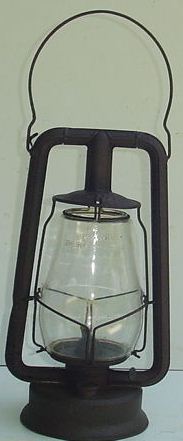
. . . Saw Mistress Ruth off on the train tonight. It was late, so I took the lantern down to act for a signal.

Diary entry for March 7, 1914

Interesting how quickly Grandma went from calling her sister “Mistress Ruth” and sounding annoyed that her sister was going somewhere fun (and that she was probably stuck with milking all of the cows by herself) to missing “Ruthie”.

Flagged Train Down with Lantern

18-year-old Helena Muffly wrote exactly 100 years ago today: 

Saturday, March 7, 1914:  Nothing doing. Saw Mistress Ruth off on the train tonight. It was late, so I took the lantern down to act for a signal.

lantern

Her middle-aged granddaughter’s comments 100 years later:

Where was Grandma’s sister Ruth going?

Tracks for the Susquehanna, Bloomsburg, and Berwick Railroad  crossed the Muffly farm. There was a flag stop at a feed mill called Truckenmiller’s Mill which bordered the farm. The route went from Watsontown to McEwensville and Turbotville and then continued east to Washingtonville, Bloomsburg, and Berwick.

DSC02372
Recent photo of the railroad tracks that crossed the Muffly farm.

Sometimes the diary entries give me powerful visual images. In my mind,  I see two young women, standing beside a dark mill on a cold, cloudy moonless night waiting for the train.

And, then the train lights appear in the distance.  As the train approaches, Grandma wildly swings the lantern, while Ruth frets that the train might not stop. . . .but it slowly rolls to a stop and Ruth vanishes into the train. . . . and Grandma slowly walks home with the lantern lighting the way.

DSC02318

Garages a Hundred Years Ago

18-year-old Helena Muffly wrote exactly 100 years ago today: 

Wednesday, March 4, 1914:  Same as ever.

1914-04-107-cHere is a garage which, though simple in design, has been made attractive by careful consideration of details. The stonework gives the impression of strength and durability, and the use of long double casements is unusual.

Her middle-aged granddaughter’s comments 100 years later:

Since Grandma still was in a rut when it came to writing diary entries, I’m going to share some fun drawings of garages that I found in the April 1914 issue of Ladies Home Journal.

I was absolutely amazed that enough people apparently had cars a hundred years ago that the magazine decided to do an article garage design ideas.

1914-04-107-aThe exterior of this garage, with the rough plaster base, shingled walls, and the broad low roof, harmonizes with the bungalow to which it belongs.

1914-04-107-dThis garage was planned for the motor enthusiast who also loves gardening. At one end is a spacious tool and work shed.

1914-04-107-eThis garage is well-designed and inexpensive. The pent roof is not necessary, but keeps it from being commonplace.

1914-04-107-gExcellent judgment was used in the selection of the site, the choice of materials, and in the general design of this garage, which opens directly on the street.

Went to Senior Class Play

18-year-old Helena Muffly wrote exactly 100 years ago today: 

Saturday, February 28, 1914:  Ruth and I went up to Watsontown with Pa this evening. The senior class gave their play in the opera house. Was the best one I ever was to. Some parts certainly did call forth plenty of laughter. Can hardly begin to describe how much I enjoyed it. After seeing this I don’t feel so put out over the party. Perhaps it’ll be some other time.

I'm not sure where the Opera House was located, but here is a recent picture of downtown Watsontown.
I’m not sure where the Opera House was located, but here is a recent picture of downtown Watsontown.

Her middle-aged granddaughter’s comments 100 years later:

What a fun evening! And, a what nice way to end the week after the disappointment over the canceled sleighing party the previous day.

According to My Watsontown there were 12 students who graduated from Watsontown High School in 1914—6 males and 6 females. Grandma graduated the previous year from McEwensville High School–and was part of a graduating class of 6.

It’s interesting that Grandma and her sister Ruth went to the play with their father (though it probably meant that both girls were very well behaved. . . . absolutely no flirting. . . but it didn’t seem to reduce their enjoyment).

I don’t think that Grandma’s father has ever previously been mentioned in the diary in conjunction with a social activity. In fact, he’s seldom mentioned at all —though his presence hovers in the background of many entries. I get the sense that he was a busy farmer who probably isn’t very involved in the daily household activities.

Sleighing Party Fell Through

18-year-old Helena Muffly wrote exactly 100 years ago today: 

Friday, February 27, 1914:  Was badly disappointed today. All week had been enjoying the anticipation of going to a sleighing party this evening, but the reality will never be realized as the thing fell through.

Weather Station Data Sheet, Williamsport, Pennsylvania, February, 1914

Her middle-aged granddaughter’s comments 100 years later:

Grandma, I’m so sorry. You were so excited when you got a “bid to a party” last week-end.

Did you cry? I can remember how I cried for hours when a date fell through when I was a teen.  It hurts!

What happened? My first thought was that the weather was too warm, and that the snow had melted.

But, I’m not sure—the 27th was a relatively warm day, but there still was snow on the ground.

I found the weather station data for February, 1914 for Williamsport, Pennsylvania. Williamsport is about 20 miles from McEwensville.

On February 27, the high temperature was 46 degrees—but there was still 12 inches of snow on the ground. Williamsport is a little further north  than McEwensville, and in a more mountainous area, so the snow cover may have been a little less at McEwensville—but it still seems like there would have been enough for a sleigh ride

Maybe something else happened. . . but what?

If you would like to find old weather station data for other cities and dates, see the following previous post:

How to Find the Temperature for Any City on Any Date in the U.S.

Edith Wharton’s Description of an Old-time Lecture

18-year-old Helena Muffly wrote exactly 100 years ago today:

Thursday, February 26, 1914:  Ruth and I went up to the Institute held in the town hall this evening. Told some things I had heard before, so they really weren’t new to me.

DSC02277
The Institute may have been held at the McEwensville Community Hall.

Her middle-aged granddaughter’s comments 100 years later:

Today people listen to TED talks online for information and inspiration.  A hundred years ago there were institutes and traveling lecturers who entertained and educated the people who attended their presentations.

Grandma attended several lectures during the previous few months. For example, on December 9, 1913 she wrote:

Went to a lecture with Ruth this evening in Watsontown. Fortunately we didn’t have to walk. We rode in a carriage. The lecture was real good and I enjoyed it quite a bit.

Edith Wharton wrote a short story more than a hundred years ago called The Pelican about a young widow who became a lecturer.  Here’s  how a lecture was described in the story:

The only way of paying her husband’s debts and keeping the baby clothed was to be intellectual; and, after some hesitation as to the form her mental activity was to take, it was unanimously decided that she was to give lectures. They began by being drawing-room lectures.

The first time I saw her she was standing by the piano, against a flippant background of Dresden china and photographs, telling a roomful of women preoccupied with their spring bonnets all she thought she knew about Greek art. The ladies assembled to hear her had given me to understand that she was “doing it for the baby,” and this fact, together with the shortness of her upper lip and the bewildering co-operation of her dimple, disposed me to listen leniently to her dissertation. Happily, at that time Greek art was still, if I may use the phrase, easily handled: it was as simple as walking down a museum-gallery lined with pleasant familiar Venuses and Apollos.

You can find The Pelican on The Literature Network website.