May Poem–and STILL Doing Spring Housecleaning!

19-year-old Helena Muffly wrote exactly 100 years ago today: 

Sunday, May 3, 1914:

Brighter days are surely dawning,

Where the flowers peep from their places,

When the birds commence their buildings,

And all things are looking fairer,

Then comes the month of May.

Pandemonium reigned today in the sitting room, and it is going to stay that way for awhile I think. Wish house cleaning days were over.

Source: Wikimedia Commons

Her middle-aged granddaughter’s comments 100 years later:

Whew, what happened? Was Grandma’s mother angry that she wasn’t working hard enough?

The Muffly’s spring housecleaning seems way over the top. They started cleaning at least 10 days prior to this entry. On April 22, Grandma wrote:

Spent part of the day on my knees. Now I don’t mean I was trying to be good. I was cleaning house. . .

Grandma began the month with a poem—as she did on the 1st of every month. For more information about the poems see this previous post:

Monthly Poem in Diary

Picking Trailing Arbutus with Friends

19-year-old Helena Muffly wrote exactly 100 years ago today: 

Thursday, April 30, 1914:  But we went today and got all we cared to carry home. It is quite a distance and my legs ache by this time.

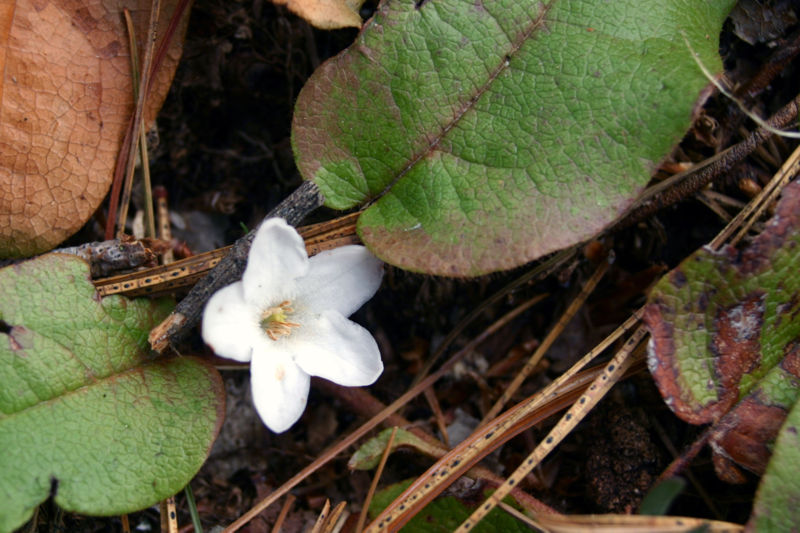
Trailing Arbutus (Mayflower)

Her middle-aged granddaughter’s comments 100 years later:

I’m guessing that Grandma and some of her friends picked lots of training arbutus. Two days prior to this entry she wrote:

Was going for trailing arbutus this afternoon, but the other girls didn’t have time to go, so it’s postponed til tomorrow.

It apparently took two days to actually get the group together to pick arbutus.

Trailing arbutus are also called mayflowers. Several years ago when Grandma wrote about gathering trailing arbutus, I found a description at The Write Way about what it was like to pick them. It’s still the best description I’ve ever seen, so I’m going to repeat it here:

I have such crisp memories of picking wild mayflowers with my brother. Scrounging around on the sun-splashed forest floor, moving decaying leaves with our bare hands to find a delicately scented flower smaller than a dime.

Trailing arbutus are not easy to find; their flowers tend to hide under the leaves. It takes quite a few flowers to make even a small bunch, but they were worth it.

Brenda Visser

Hundred-Year-Old Newspaper Article: “Woman Masqueraded As Man” for 60 Years

19-year-old Helena Muffly wrote exactly 100 years ago today: 

Wednesday, April 29, 1914: <<no entry>>

Source; Milton Evening Standard (April 2, 1914)

Her middle-aged granddaughter’s comments 100 years later:

A hundred years ago today was one of the few days when Grandma didn’t write a diary entry. Since she didn’t write anything, I thought that I’d share a hundred-year-old article I recently came across when I was browsing through old microfilms of the Milton Evening Standard.

What Does “Not Worth the Snap of Your Fingers” Mean?

19-year-old Helena Muffly wrote exactly 100 years ago today: 

Monday, April 27, 1914: Not worth the snap of your fingers.

Recent photo of house where Grandma grew up. I wonder if Grandma once planted seeds in the same flower beds.

Her middle-aged granddaughter’s comments 100 years later:

Hmm. . . I don’t think I’ve ever heard that phrase. What does “not worth the snap of your finger” mean? Was Grandma feeling ill?. . depressed? . . . Was she bored? . . . Overworked?

The Homelike Little Church

19-year-old Helena Muffly wrote exactly 100 years ago today: 

Sunday, April 26, 1914: Went to Sunday School this morning. Called on a friend this afternoon.1914-03-45-a

Her middle-aged granddaughter’s comments 100 years later:

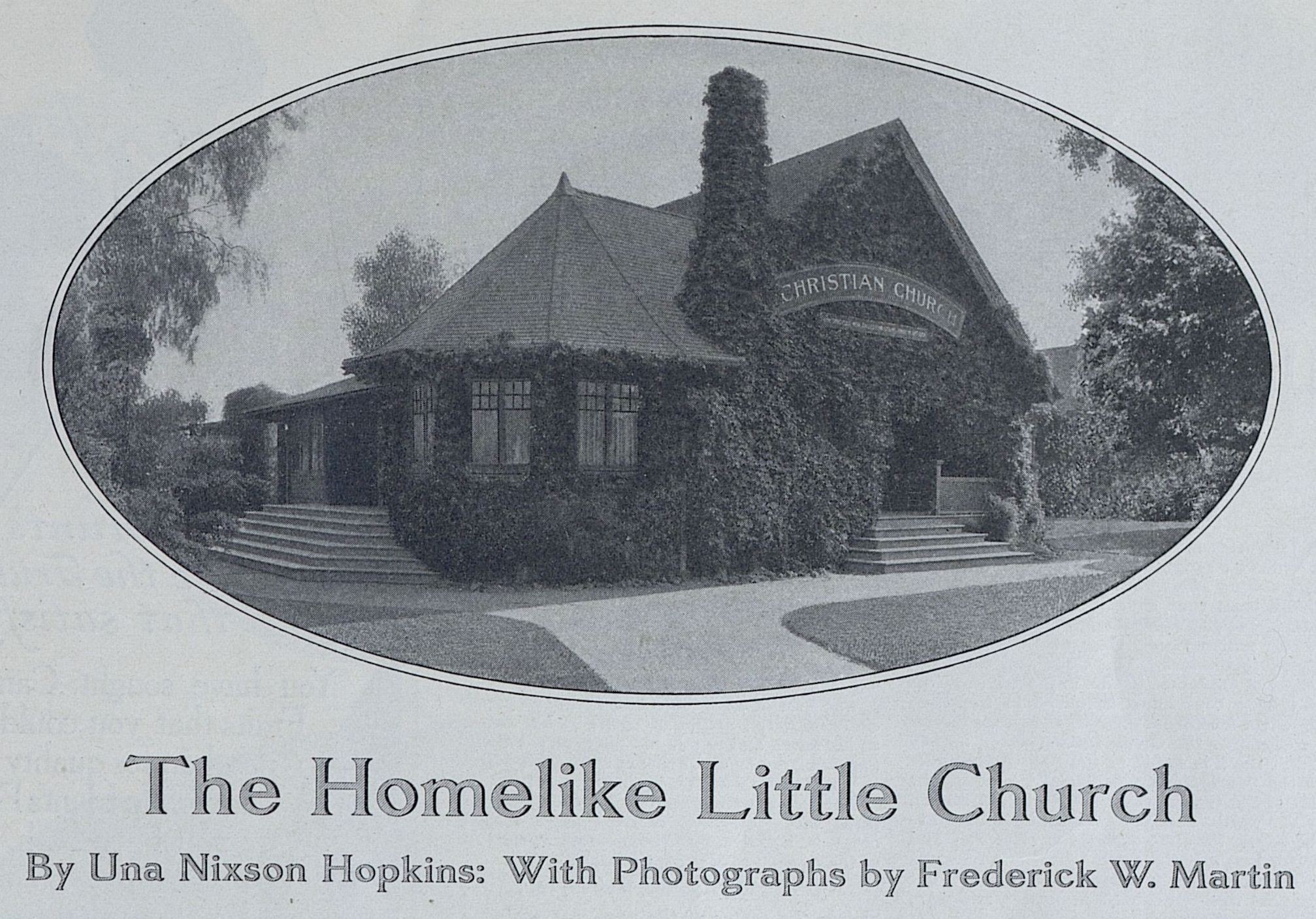
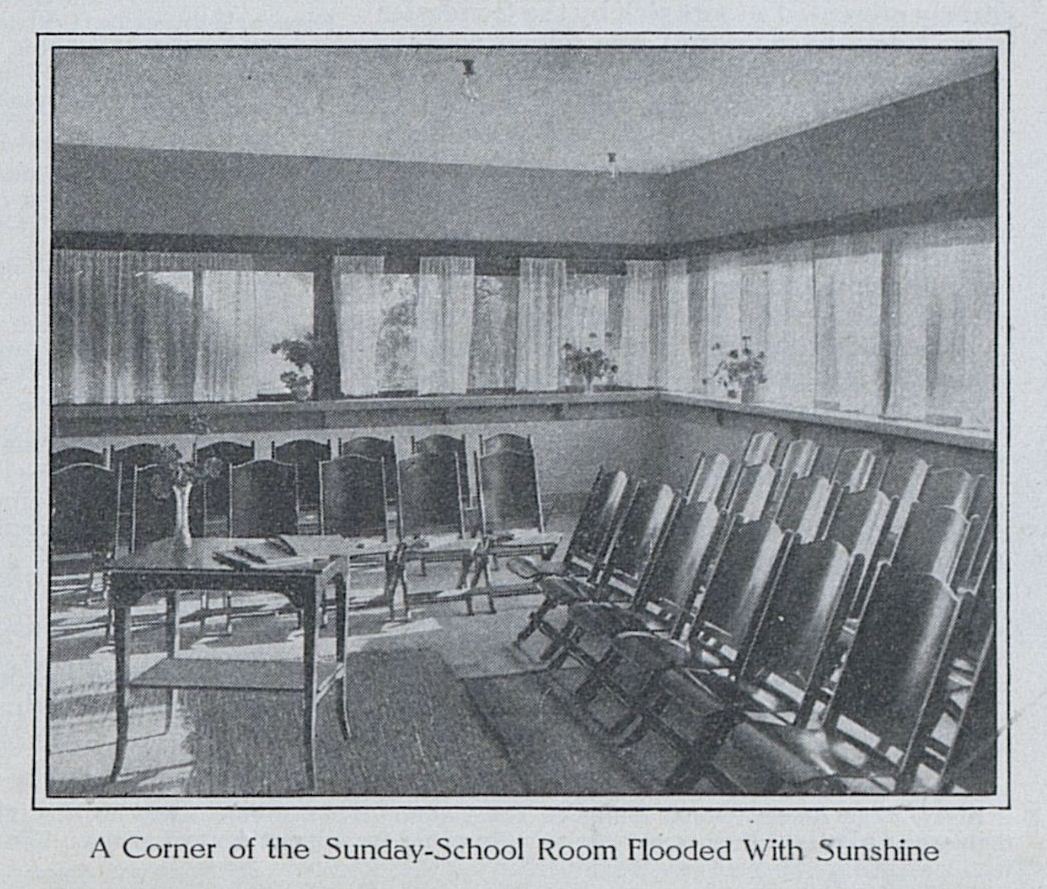
Almost every Sunday Grandma went to church at the Baptist Church in McEwensville. The church building is long gone—and I have no idea what it looked like.

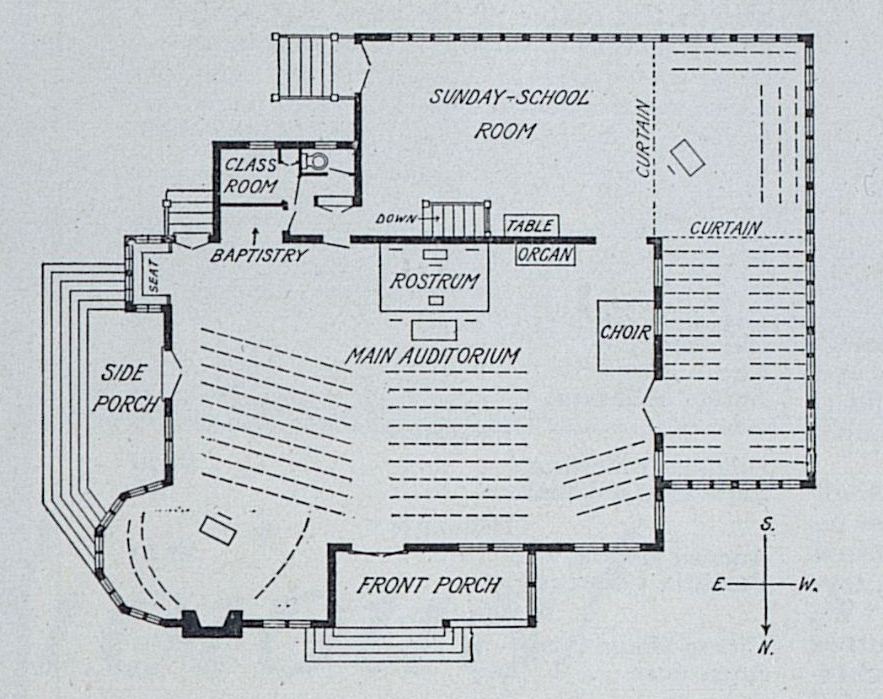
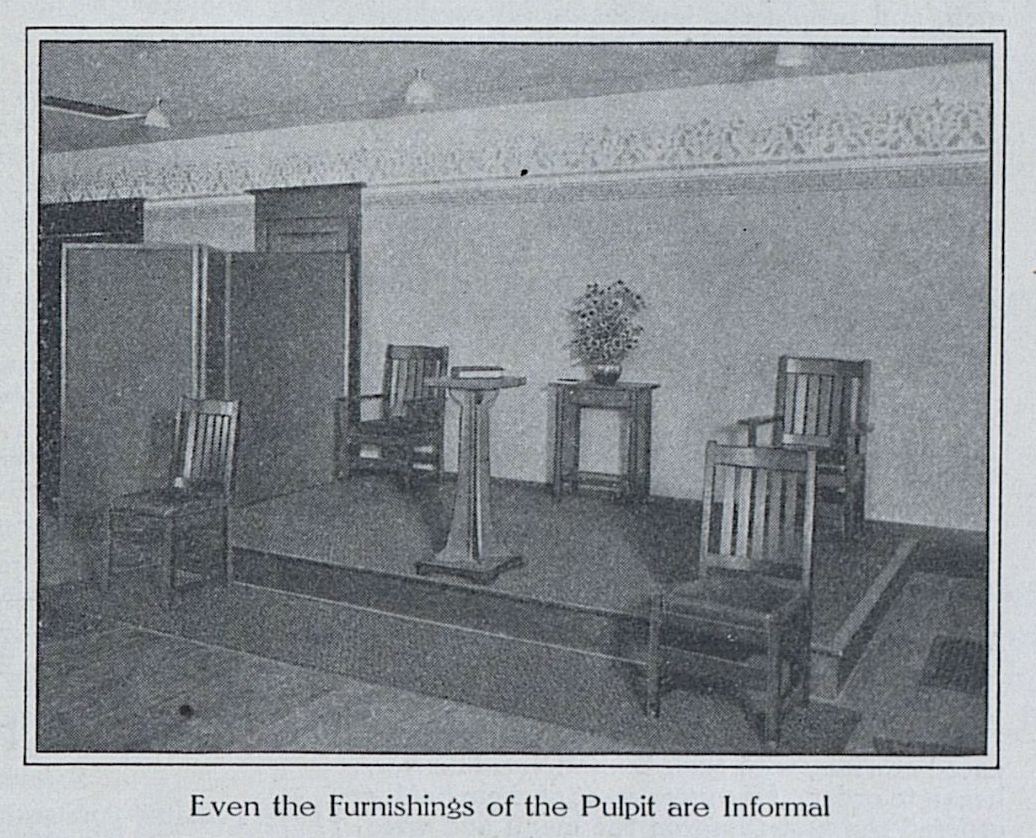
But the March, 1914 issue of Ladies Home Journal had an article about “the homelike little church.” Maybe the McEwensville Baptist Church was somewhat similar to the church in the drawings.

The interior was planned to make it as comfortable and homelike as possible.

1914-03-45-b

1914-03-45-e

1914-03-45-d


1914 Flower Embroidery Designs

19-year-old Helena Muffly wrote exactly 100 years ago today: 

Saturday, April 25, 1914:  Plugging away.

Source: Ladies Home Journal (August, 1914)

Her middle-aged granddaughter’s comments 100 years later:

Oh dear—Sounds like Grandma was still helping with the spring housecleaning. Did she get any breaks in the work when she could relax, and do something she enjoyed? . . . perhaps do a little needlework?

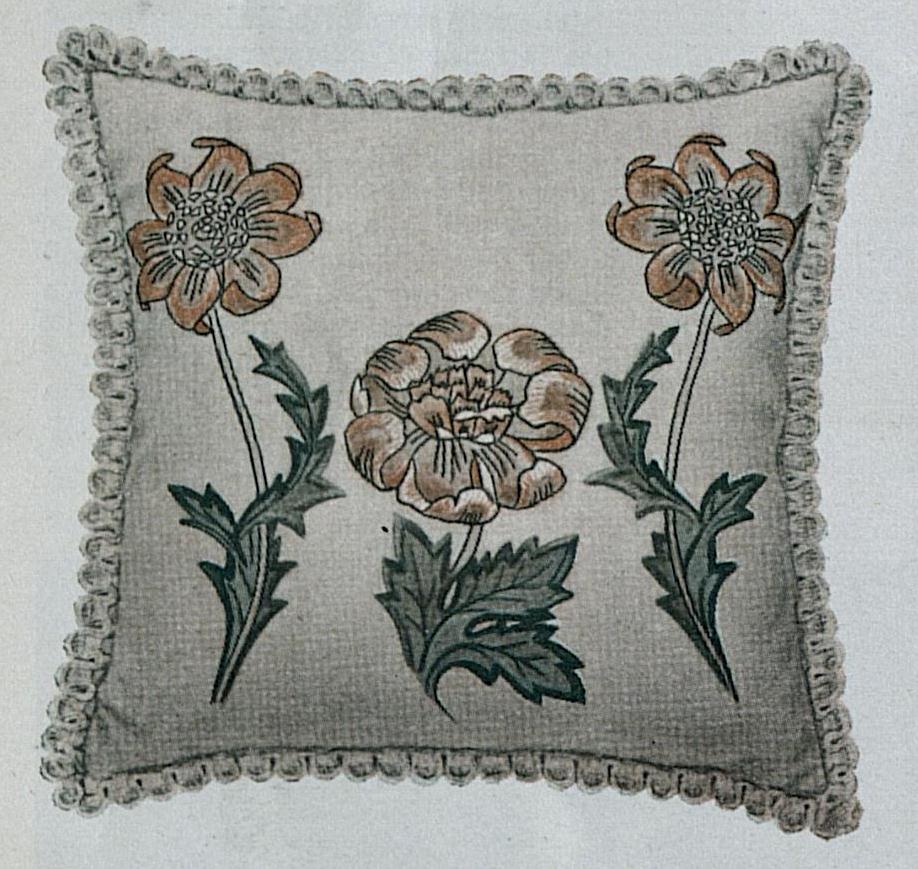
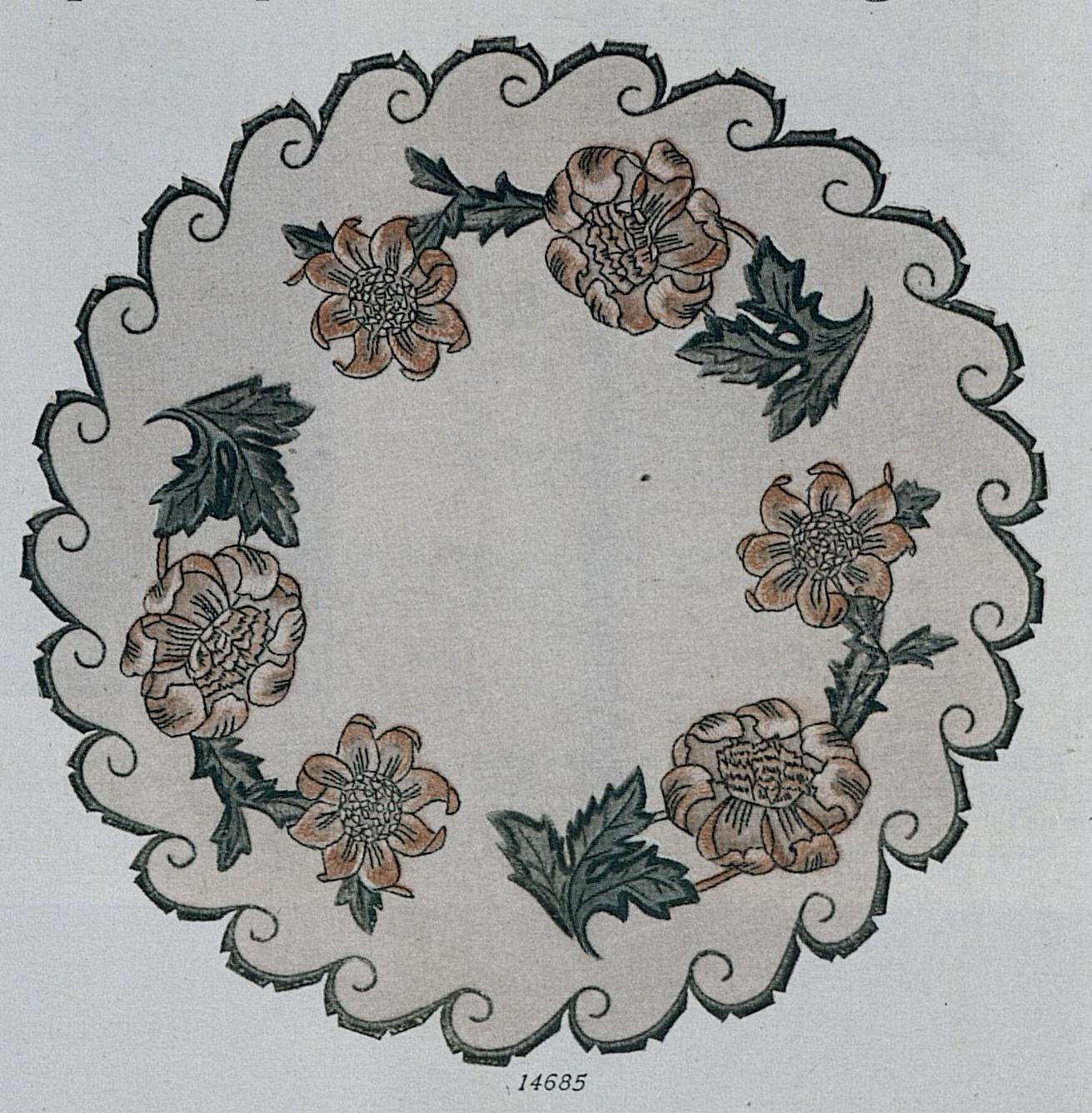
These selections of designs bring out a very pleasing effect in embroidery done with silks and natural-colored linen. The flowers are worked solid and the leaves in long and short stitches. To develop the beauty of the pattern fully requires a very careful combination of color and shading.

One or two pieces of such distinctive work are sufficient in a room; if more is used the effect is too striking.

Ladies Home Journal (August, 1914)

1914-08-28-b

1914-08-28-a

1914-08-28-c

Directions for Making Old-time Cleaners

19-year-old Helena Muffly wrote exactly 100 years ago today: 

Thursday, April 23, 1914: Ditto—Also went up to McEwensville this evening.

Photo Source: Wikimedia Commons

Her middle-aged granddaughter’s comments 100 years later:

Grandma–

Are you still doing the spring housecleaning? At least you got to go to town in the evening. Did you visit one of your friends?

A hundred years ago people often made their own cleaning solutions rather than buying commercial products. Here are the directions in an old book:

Carpets, to Clean

Ingredients—1/2 pound of washing soda, 1 pound of yellow soap, 1 ounce of nitric acid, 1 gallon of water

Mode—Melt the soap and soda in the oven; then mix with the water and add the acid; with a clean scrubbing brush wash the carpet from seam to seam with this, doing only a small piece at a time, and rinsing and drying it as quickly as possible.

Floor Cloth (Linoleum), to Clean

Ingredients- 1/2 ounce of beeswax, turpentine

Mode- Shred the beeswax into a saucer, pour ever enough turpentine to cover it, and set in the oven until melted. Wash the floor cloth in the ordinary way, wait till dry, and rub lightly over with the wax and turpentine, then with a dry cloth.

Another way in which linoleum or floor cloth may be cleaned is by rubbing it over with milk when dried after washing.

Furniture, Polished, to Clean

Ingredients—1 ounce of white wax, 3 ounces of beeswax, 1 ounce of curd soap, 1 pint of turpentine, 1 pint of water boiled and allowed to get cold again.

Mode—Mix all the ingredients together, bottle, shake often, and do not use for two days. Dust the furniture well, rub the mixture on with a flannel, then polish with a duster and afterwards with an old silk handkerchief. A good furniture cream brought ready for use may be found to save trouble.

 Looking-Glass, to Clean

First take off fly stains or any other soils with a sponge damped with spirits of wine, or any other spirit, then dust over the glass with fine sifted powder blue and polish with an old silk handkerchief or very soft dry cloth.

Paint, to Clean

Dirty paint should have the dust removed first with the bellows, afterwards with a brush; it should never be wiped with a cloth, and the great secrets in cleaning paint are not to use much water and to dry quickly.

The water used should have a little soda or pearlash dissolved in it; and after dipping the flannel used in this, it should be wrung almost dry before being applied to the paint. Directly this is done (a small piece only being done at a time, unless two are at work, and one can rinse as the other washes) it must be rinsed with clean water and dried with a clean cloth.

Mrs. Beeton’s Cookery Book (1902)