17-year-old Helena Muffly wrote exactly 100 years ago today:
Sunday, December 8, 1912: Didn’t go to Sunday School this morning, partly because I didn’t think it would be very good for me to go out today.
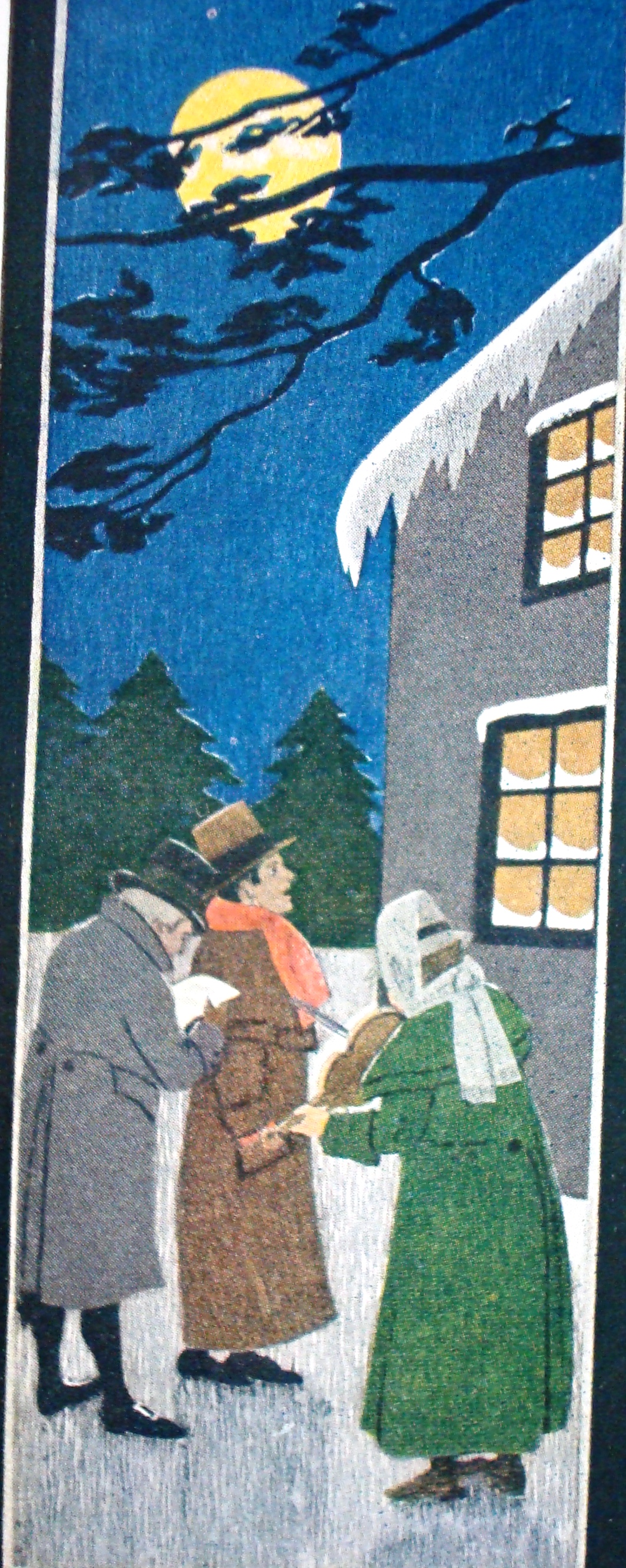
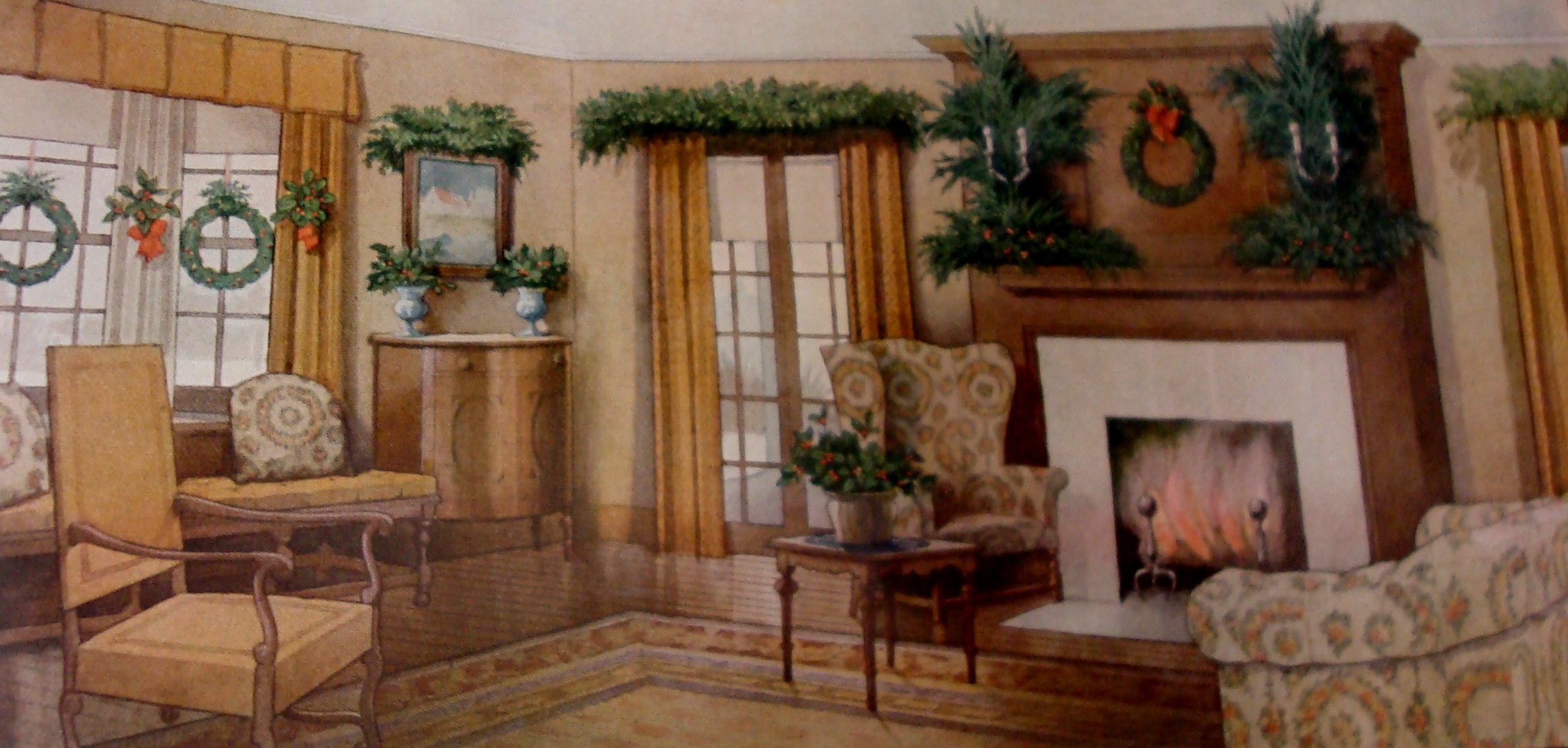
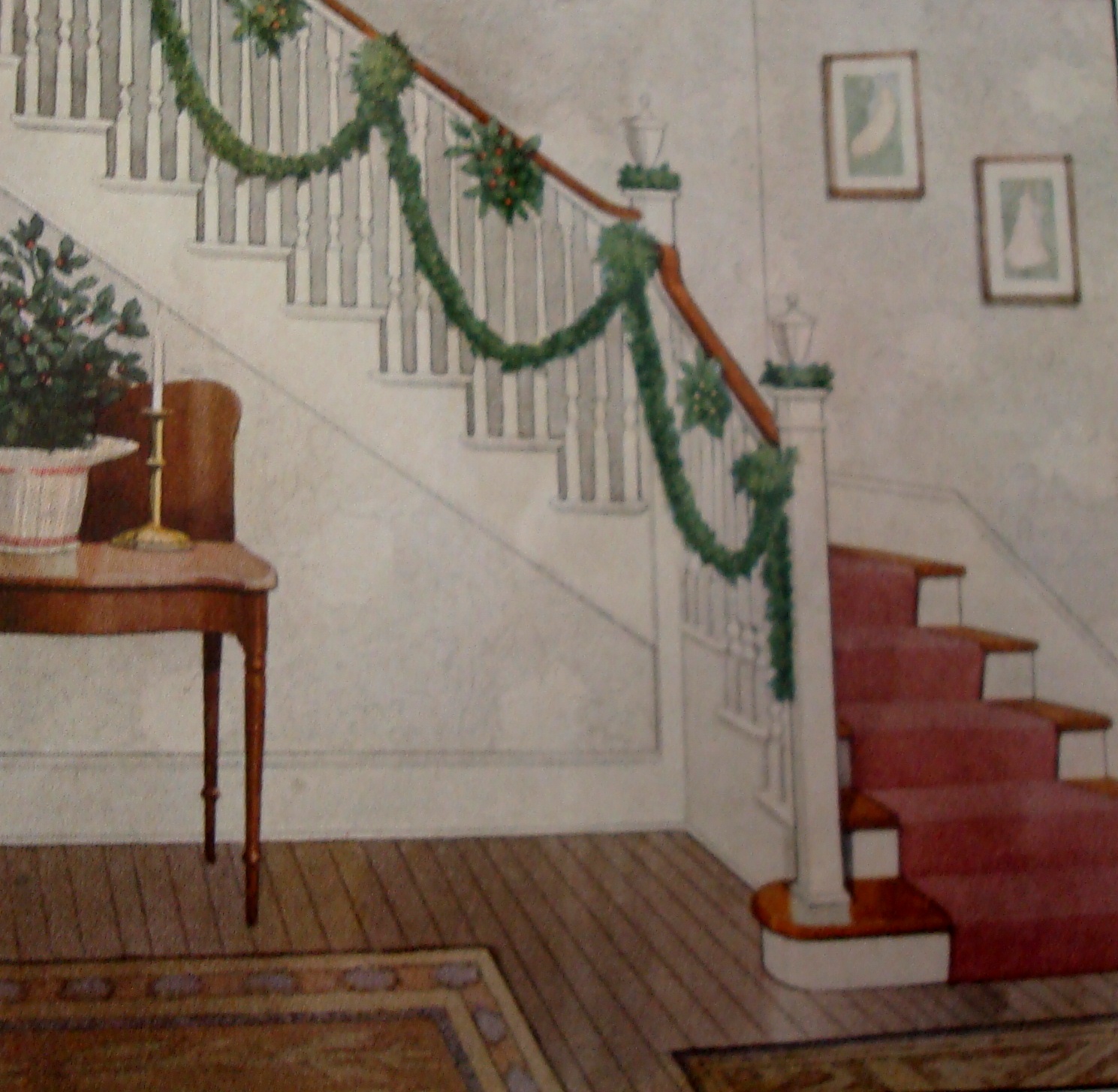
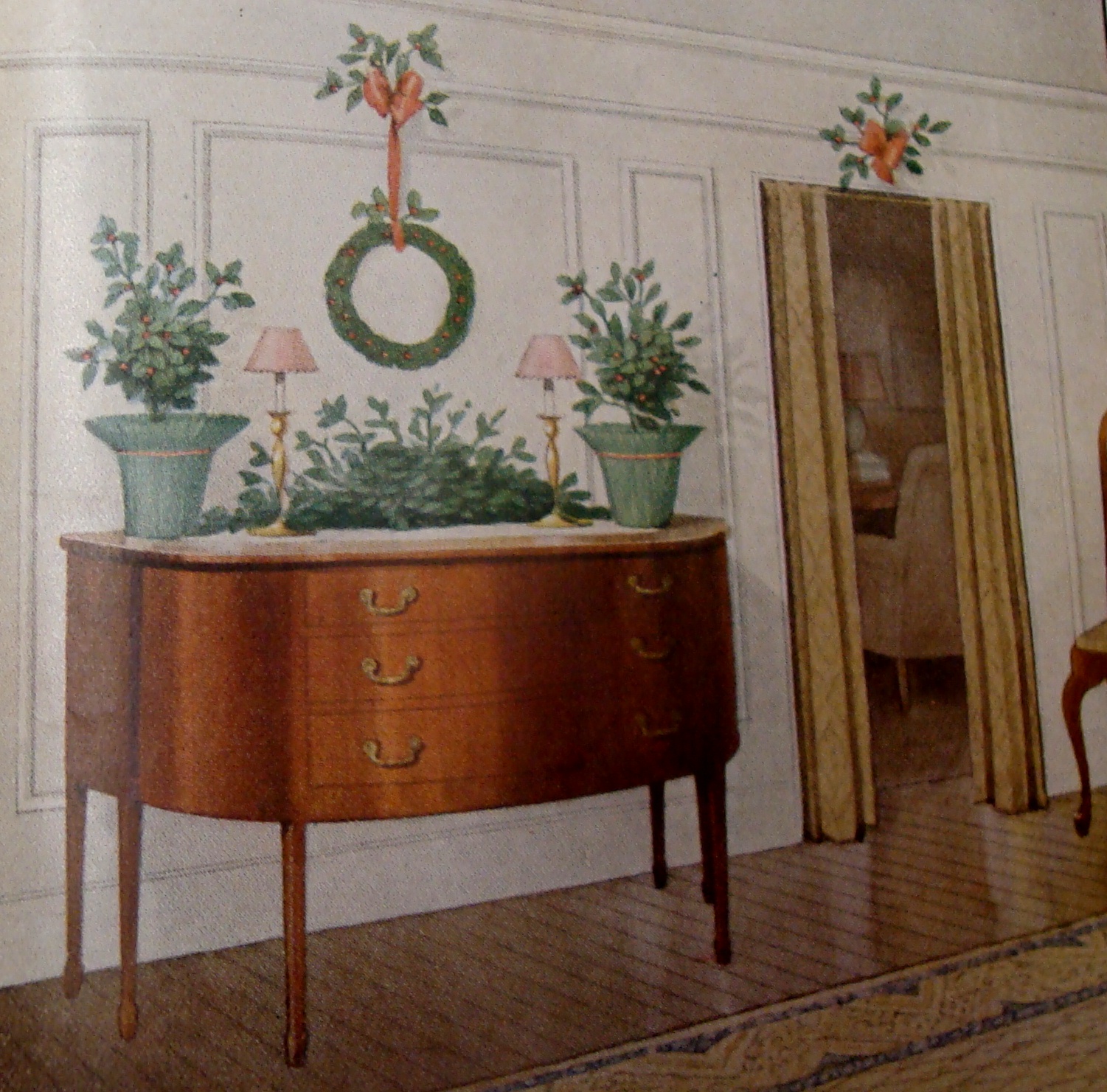
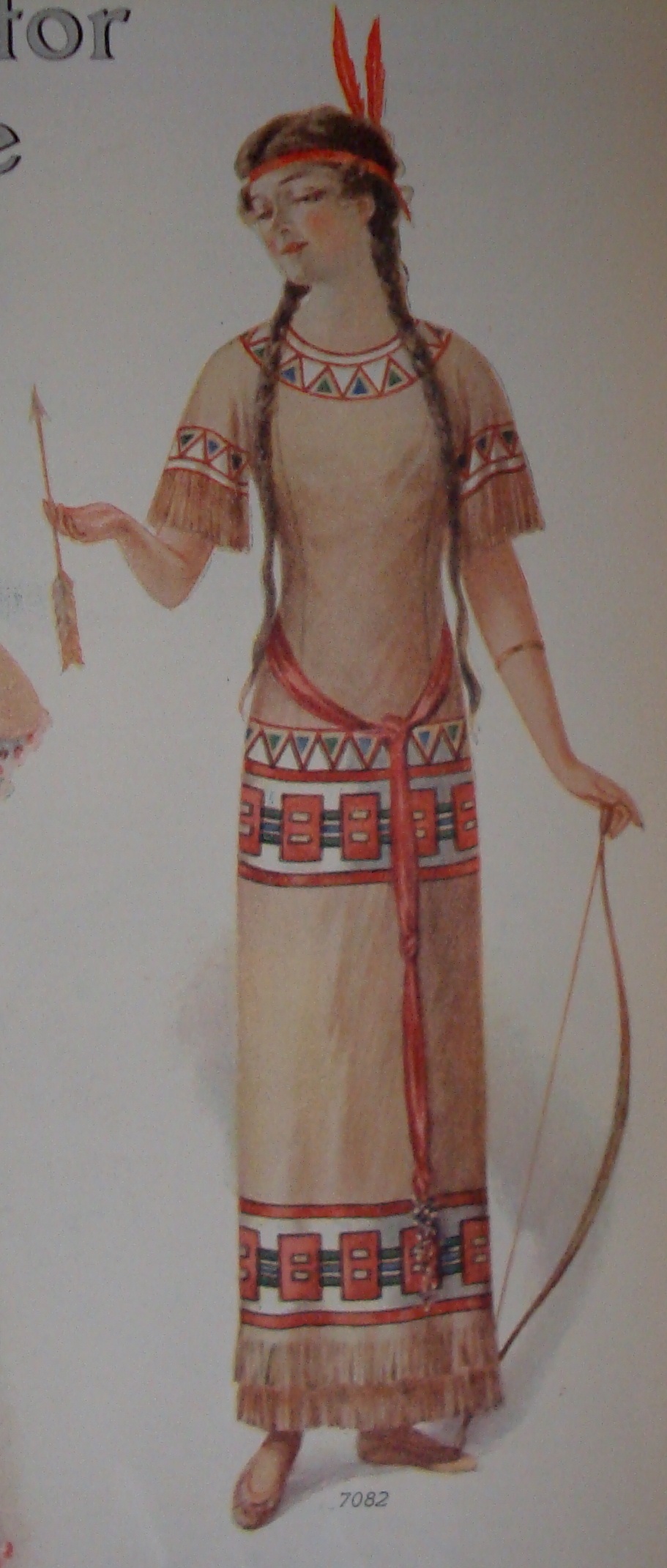
Source: Ladies Home Journal (December, 1911)
Her middle-aged granddaughter’s comments 100 years later:
Sounds like Grandma still wasn’t feeling very well. Hope she gets better soon. Since she didn’t write much a hundred years ago today, I’ll share a list of winter and Christmas songs that was in an old Ladies Home Journal magazine.
MUSIC FOR THE SEASONS
Winter
Snow Man
When the Snow is on the Ground
Jack Frost
Tracks in the Snow
Snow Flakes
Coasting
Winter Jewels
Snowballs
Sleighing Song
Little White Feathers
Jacky Frost
Christmas
Old Santa Claus
Once a Little Baby
Once Unto the Shepherds
In Bethlehem Stable
The First Christmas
Christmas Carol
A Christmas Song
Carol, Brother, Carol
Christmas Day in the Morning
Christmas Eve
O! Holy Night
Silent Night
Holy Night; Holy Child
Carol, Children, Carol
Martin Luther Christmas Carol
While Shepherds Watched
While Stars of Christmas Shine
The First Christmas Song
The First Christmas
A Christmas Carol
Santa Claus
Do You Believe in Santa Claus?
A Christmas Party
The Christmas Tree
Ladies Home Journal (December, 1913)
Whew, it’s astonishing how few of the songs I know. I would have guessed that Christmas carols hadn’t changed much across the years. Though—now that I’m looking more carefully at the list— I realize that some of the songs might be the same, just the names have changed.
17-year-old Helena Muffly wrote exactly 100 years ago today:
Thanksgiving Day, November 28, 1912: Yesterday thought perhaps I’d go up to McEwensville for my dinner, but then I changed my mind as I didn’t think I could afford it. Besse was out this afternoon. I actually believe that I am getting a rather bad cold.
Her middle-aged granddaughter’s comments 100 years later:
This entry suggests that a Thanksgiving feast may have been held (minus Grandma) in McEwensville. Was it a fundraiser? . . . for the school? . . . or maybe the volunteer fire department . . . or a church?
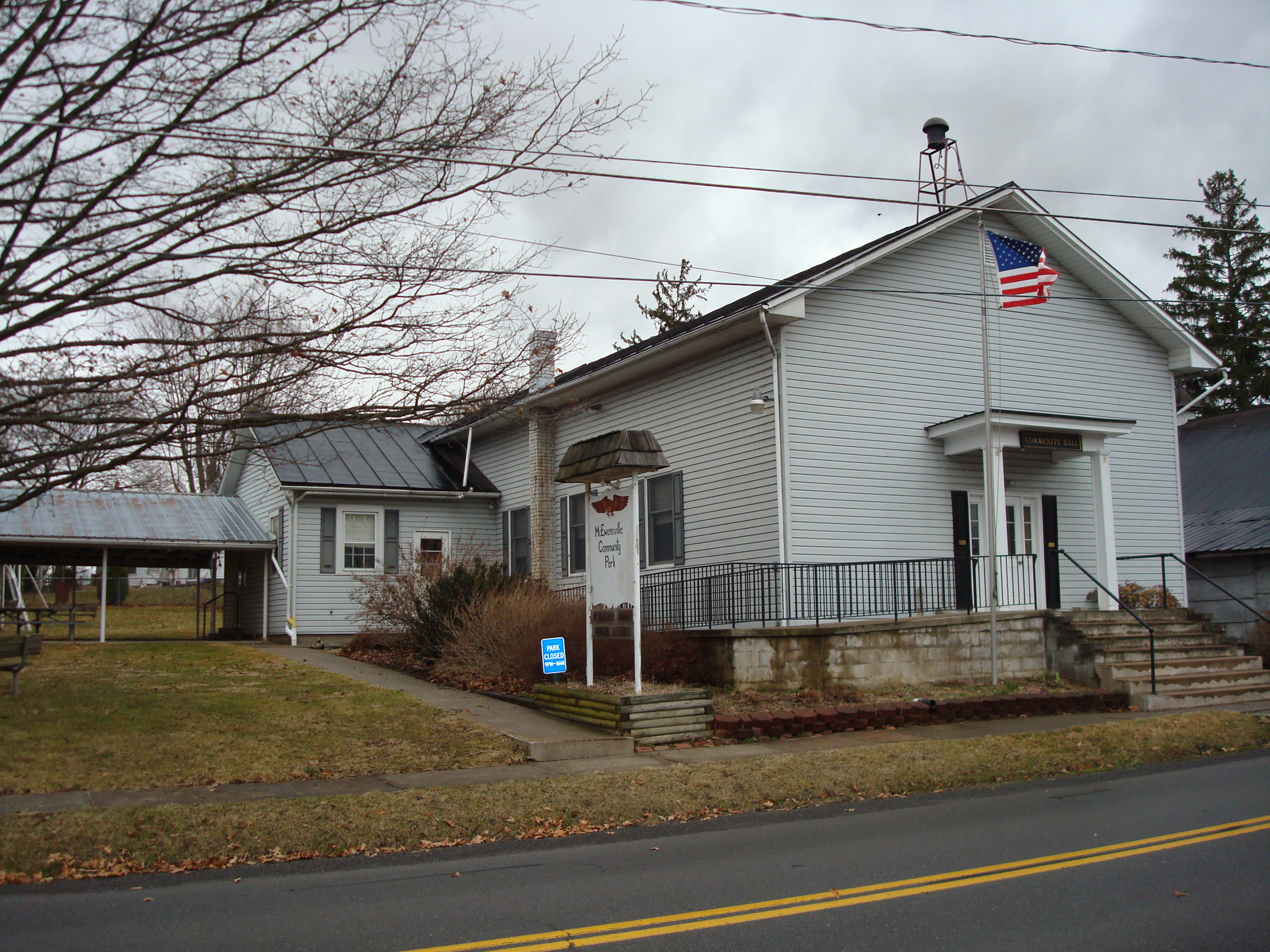
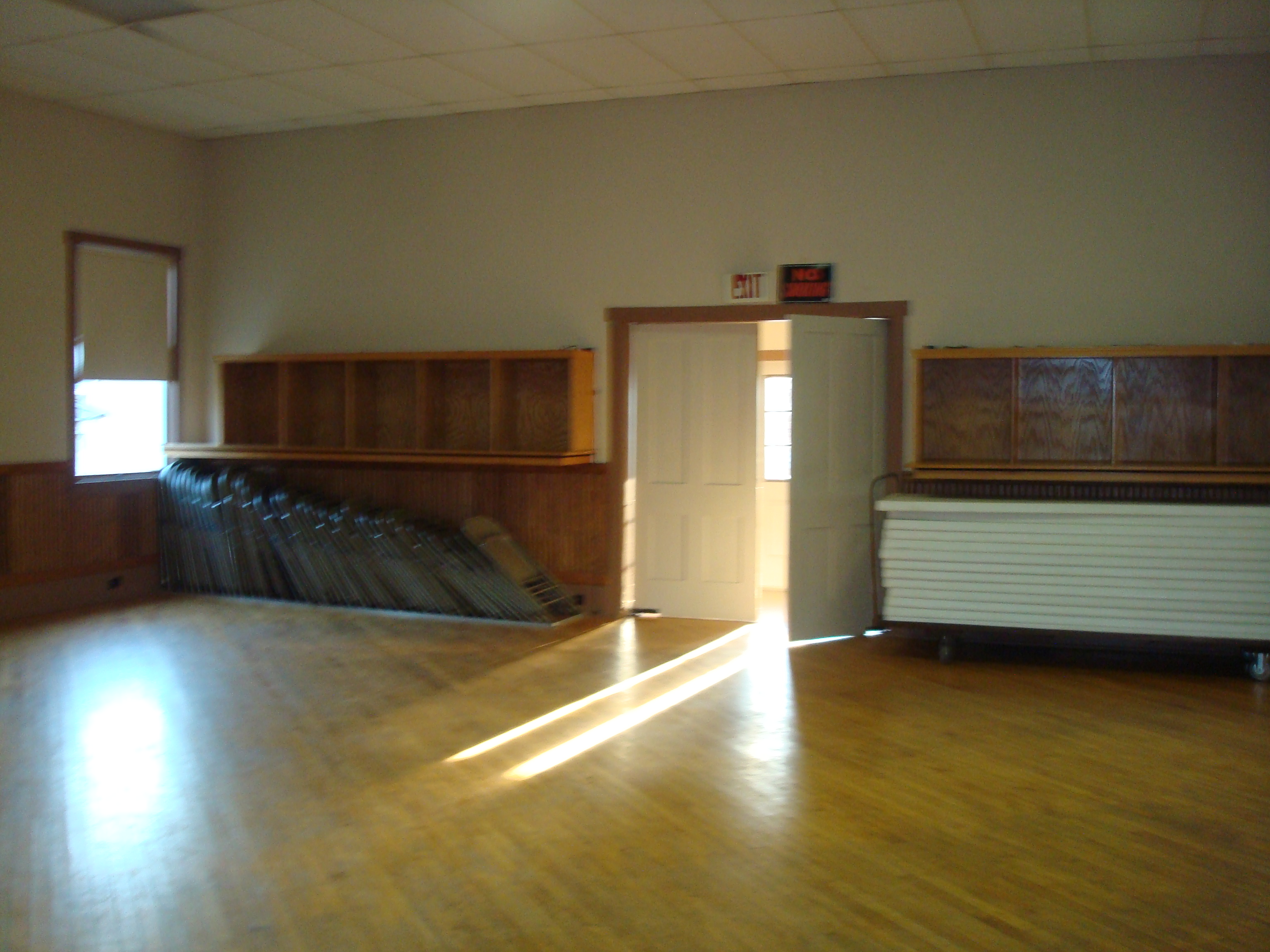
Was the feast held at the McEwensville Community Hall? The community hall has existed for more a hundred years ago–and I don’t think that it’s changed much over the years.
.
I can almost picture gaily chatting women, men and children in old-fashioned clothes sitting at long tables laden with turkey, giblet stuffing, homemade gravy, mashed potatoes, and lots of pies–apple, pumpkin, minced meat, mock cherry. . .
It doesn’t sound as if the Muffly family ended up doing very much to celebrate the holiday—though they must have had a small celebration since Grandma’s married sister Besse Hester came out from nearby Watsontown.
Grandma’s mother probably still is not feeling well. The previous day Grandma wrote:
Guess we aren’t going to have much of a Thanksgiving tomorrow cause Ma is sick and we haven’t got a turkey.
It’s been a rough November in the Muffly family. Her little brother Jimmie missed school on November 19 because he was sick; then her mother was sick—and now it sounds like Grandma may have caught the same thing.
17-year-old Helena Muffly wrote exactly 100 years ago today:
Wednesday, November 27, 1912: Guess we aren’t going to have much of a Thanksgiving tomorrow cause Ma is sick and we haven’t got a turkey.
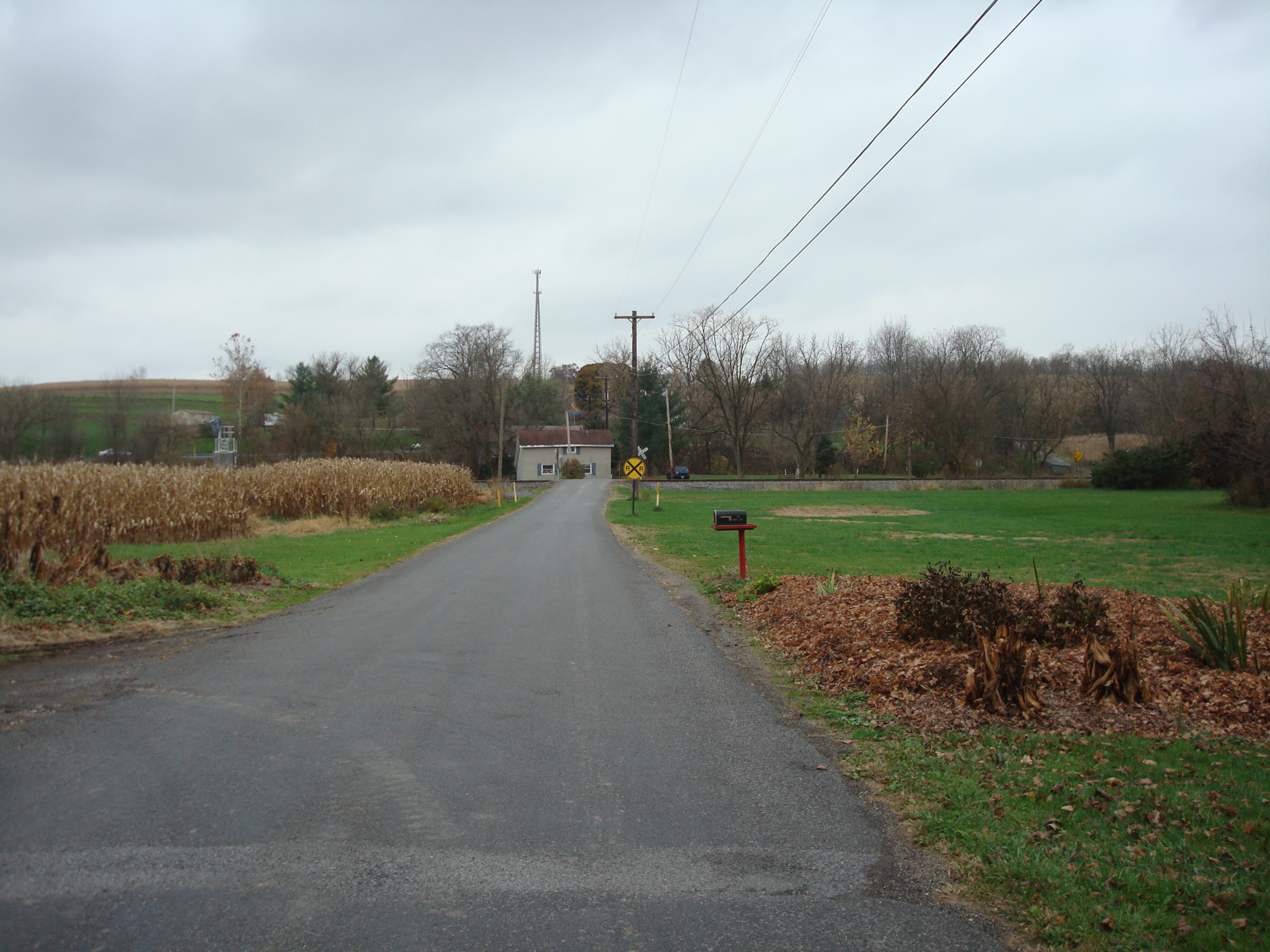
Recent fall photo of fields on the farm where the Muffly’s once lived.
Her middle-aged granddaughter’s comments 100 years later:
Dang it—Thanksgiving was a week later in 1912 than it was in 2012.
From a blog post perspective, it works much better when the dates of holidays are the same for both years—and floating holidays like Easter and Thanksgiving are problematic.
This year Thanksgiving is history—and we’ve moved past Black Friday and Cyber Monday to holiday parties and decorating Christmas trees . But, on the off-chance that you’re willing to read about Thanksgiving at this late date, here is a lovely Thanksgiving poem that was in the November, 1912 issue of Farm Journal.
17-year-old Helena Muffly wrote exactly 100 years ago today:
Thursday, October 31, 1912: And this is Halloween. What a pity it is that I’m not out having a good time, and I’ve never had that pleasure either.
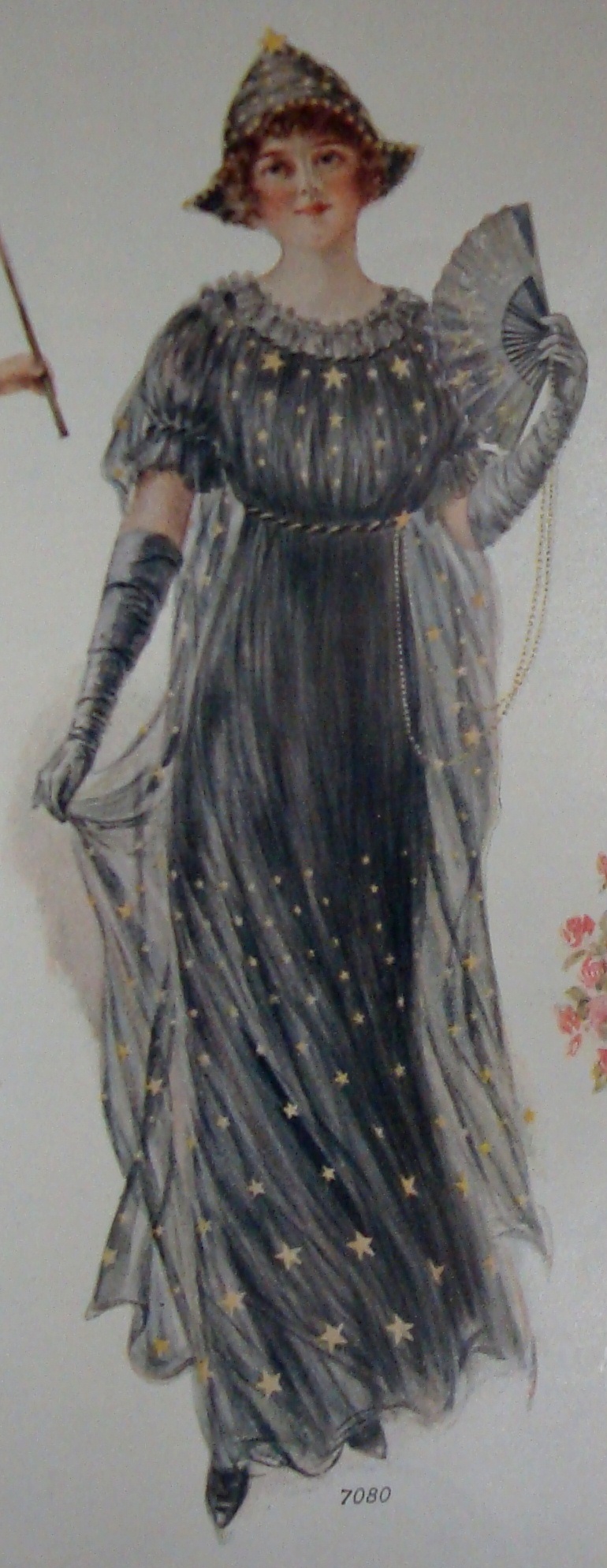
Witch (Source: Ladies Home Journal, July, 1912)
Her middle-aged granddaughter’s comments 100 years later:
Poor Grandma—It’s too bad that she missed all the fun. I’d be bummed, too.
Here’s what was happening in nearby Milton on Halloween, 1912:
HALLOWEEN PARTIES AND MASQUERADERS MADE NIGHT GAY
Young Folks and Old Enjoyed Selves in Various Ways
Streets Were Filled with Merrymakers
Milton was the scene of high carnival last night. Chattering and laughing, it was a merry throng that wandered up and down the length of Broadway and Front last night for hours attired in costumes that represented every character and nation under the sun, and in some costumes that didn’t represent anything in particular. . .
Milton Evening Standard (November 1, 1912)
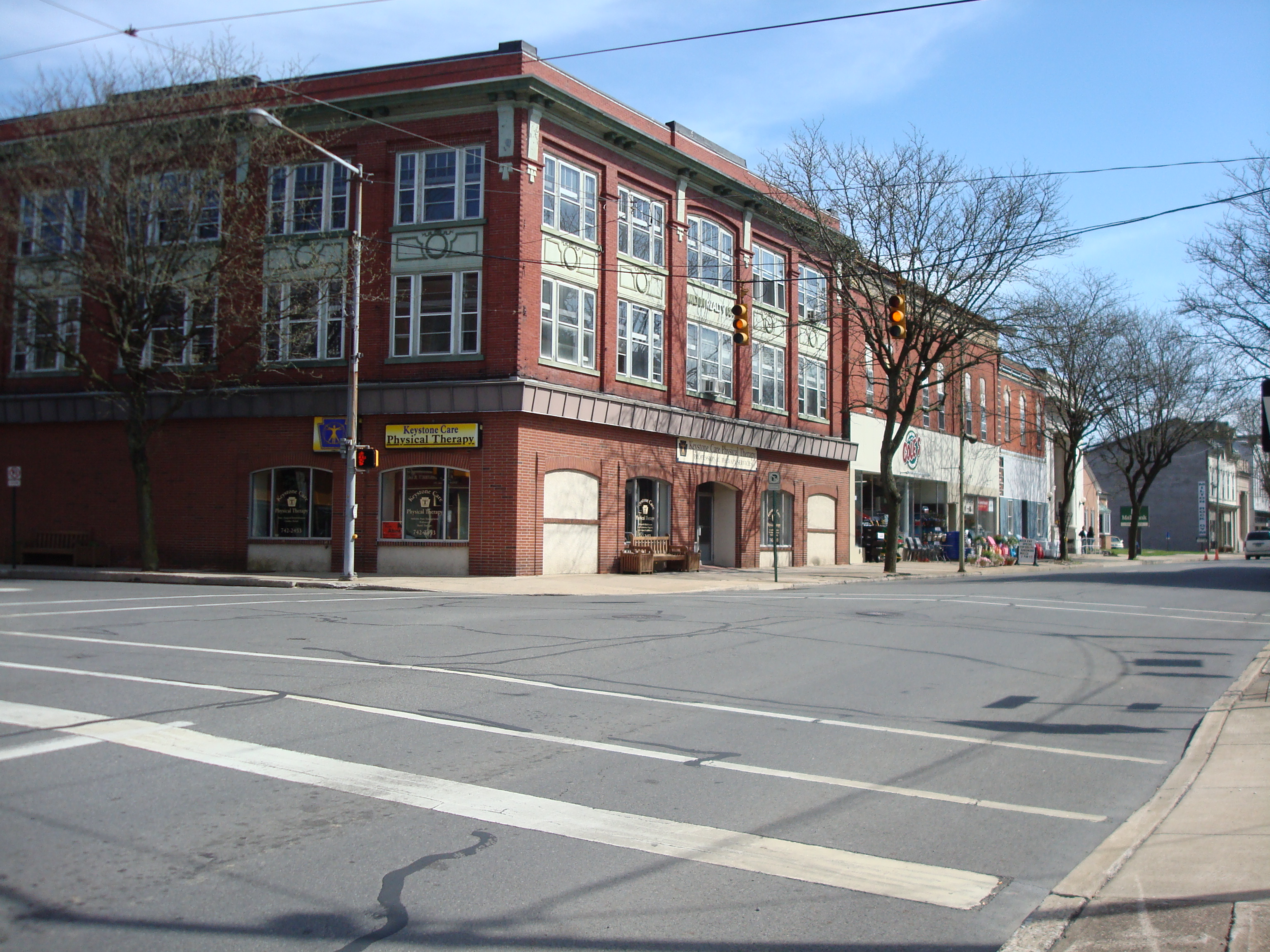
Recent photo of Broadway and Front Streets, Milton The street is generally very quiet now. Imagine what it was like a hundred years ago with masqueraders parading through the downtown.
17-year-old Helena Muffly wrote exactly 100 years ago today:
Monday, September 2, 1912: Had to go to school, even if it is labor day. We had this day off last year.
Cold isn’t much better. Have to blow my whistle almost all the time, which constant usage make it rather sore and pink.
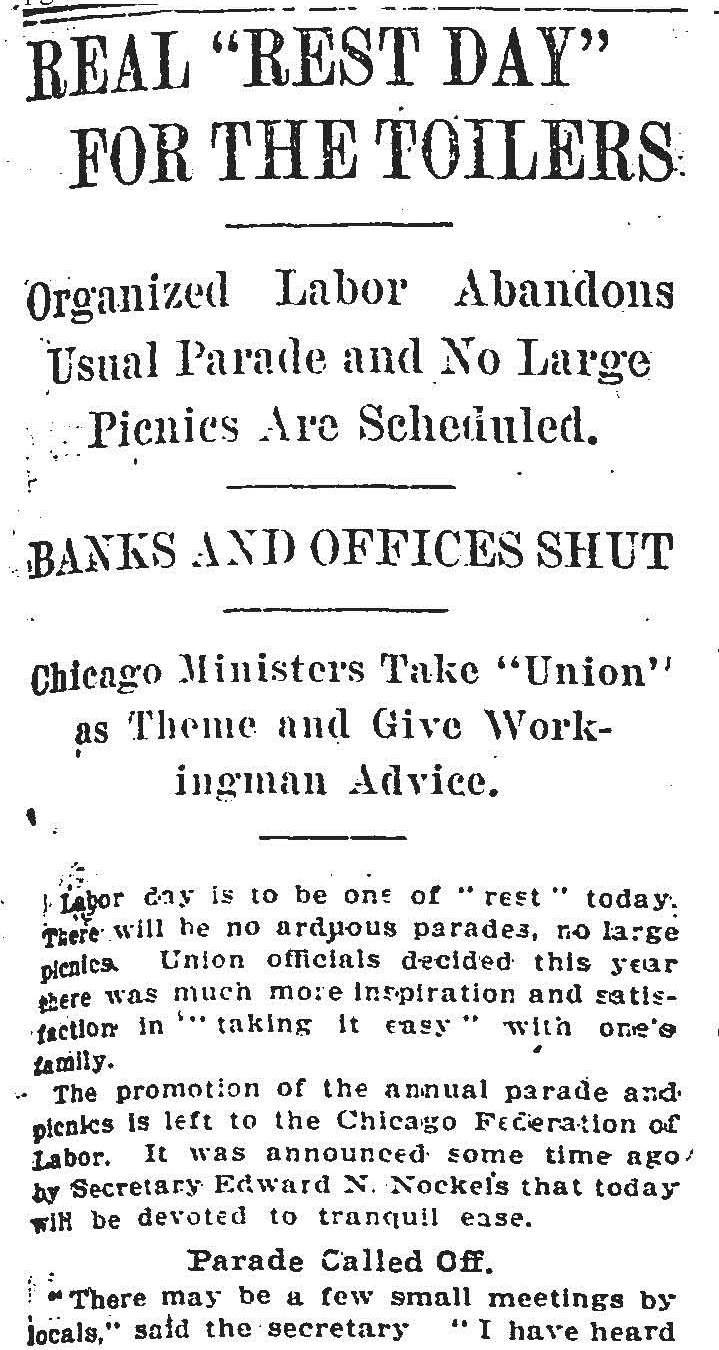
Source: Chicago Morning Tribune (September 2, 1912)
Her middle-aged granddaughter’s comments 100 years later:
It’s interesting that in 1911 the students didn’t have to go to school on Labor Day—but that in 1912 they did. Was Labor Day an important holiday in 1912?
A quick scan of newspaper headlines from September 2, 1912 shows that in 1912 the nation was engaged in a debate over the role of labor and unions (as well as whether woman should be paid the same as men).
Representative Newspaper Headlines
Labor Day, September 2, 1912
Cathedral Packed for Labor Service: Mgr. Lavelle Points Out Socialism’s Weakness to Vast Throng of Union Men (New York Times)
Labor Day Parade: Large Squad of Police Detailed to Assist in Keeping Order-Line of March (Los Angeles Times)
Labor Will Parade Today, While City Lends Cheers: Predicted That 50,000 Persons Will Attend Celebration at Armory (Minneapolis Morning Tribune)
Minnesota State Fair to Open This Morning: Exposition Gates to be Thrown Wide to Northwest Visitors: Labor Program Planned (Minneapolis Morning Tribune)
Urges Pay Raise to Save Women: Bishop Samuel Fallows Advocates Putting Them on an Equal Basis with Men: Bar to Immorality (Chicago Daily Tribune)
17-year-old Helena Muffly wrote exactly 100 years ago today:
Thursday, July 4, 1912: Such a magic sound it has to some, but to me it is about the same as other days. We got a glorious rain this afternoon. I can’t help but rejoice over the very thought of it. It’s cooler now for one thing.
I bet that people a hundred years ago would never have expected that “ancient” traditions like fireworks would still exist in 2012.
Her middle-aged granddaughter’s comments 100 years later:
Poor Grandma–It sounds like an incredibly boring 4th. Some places were livelier.
About 125 miles northeast of McEwenville, New York City was holding a modern 4th of July celebration.
Here are some excerpts from the July 4, 1912 issue of the New York Times:
CITY TO CELEBRATE ITS SANEST FOURTH
Music, Parading, Speeches, and Electric Light to Banish Firecracker Riot
Over the Old Fort Block House at 5:30 o’clock this morning the new forty-eight-starred flag of this country will be raised and its raising will be the start of this city’s celebration of Independence Day. This celebration will be the 136th anniversary of the signing of the Declaration of Independence in Philadelphia.
It will represent weeks of effort put forth by the Mayor’s Committee and by countless societies and organizations, all joined in a determined campaign to free the marking of this day from the ancient rites of fire and powder and its ancient toll of death and wounds.
Instead of the steady popping of firecrackers and deafening crash of the cannon cracker, there will be parading, music, dancing, and speechmaking.
The prediction last evening, as the final touches were put on the innumerable arrangements, pointed to the safest and sanest Fourth in a city where the Nation’s big day has been growing safer and saner every passing years.
For safety Acting Chief Guerin of the Fire Prevention Bureau reported that for the last week he and his men had been on the lookout for fireworks stored away for sale. Confiscation is the rule and some $3,000 worth of explosives have been so put out of harm’s way.
The weather man, after scanning the heavens and weighing the evidence with unusual care last evening announced his gloomy fear that this city and the surrounding country would experience thunderstorms this afternoon or evening.
Quite as much as any other part of the celebration, the elaborate illumination depends on the holding off of the rain. If all goes well many parts of the city will be radiant with fantastic light, for nearly a hundred thousand Japanese lanterns have been strung to the trees in the parks and these were supplied with current last evening to try them out. As the dim trees in each park, loaded with festoons and strung ropes of these lanterns would spring into radiance with the turning of the switch, a shrill chorus of delightful approval would go from hundreds of children. The current is the gift of the New York Edison Company for the celebration and besides this, it has given the lanterns.
City Hall and its square is to be more brilliantly lighted than any, 6,000 electric light bulbs being devoted to this purpose.