17-year-old Helena Muffly wrote exactly 100 years ago today:
Saturday, November 30, 1912: Ruth and I washed this morning. Went to Watsontown this afternoon.
Her middle-aged granddaughter’s comments 100 years later:
Sounds like a nice way for Grandma to spend a Saturday—doing a little work in the morning with her sister Ruth, and then rewarding herself by going to town in the afternoon. Maybe Grandma started her Christmas shopping.
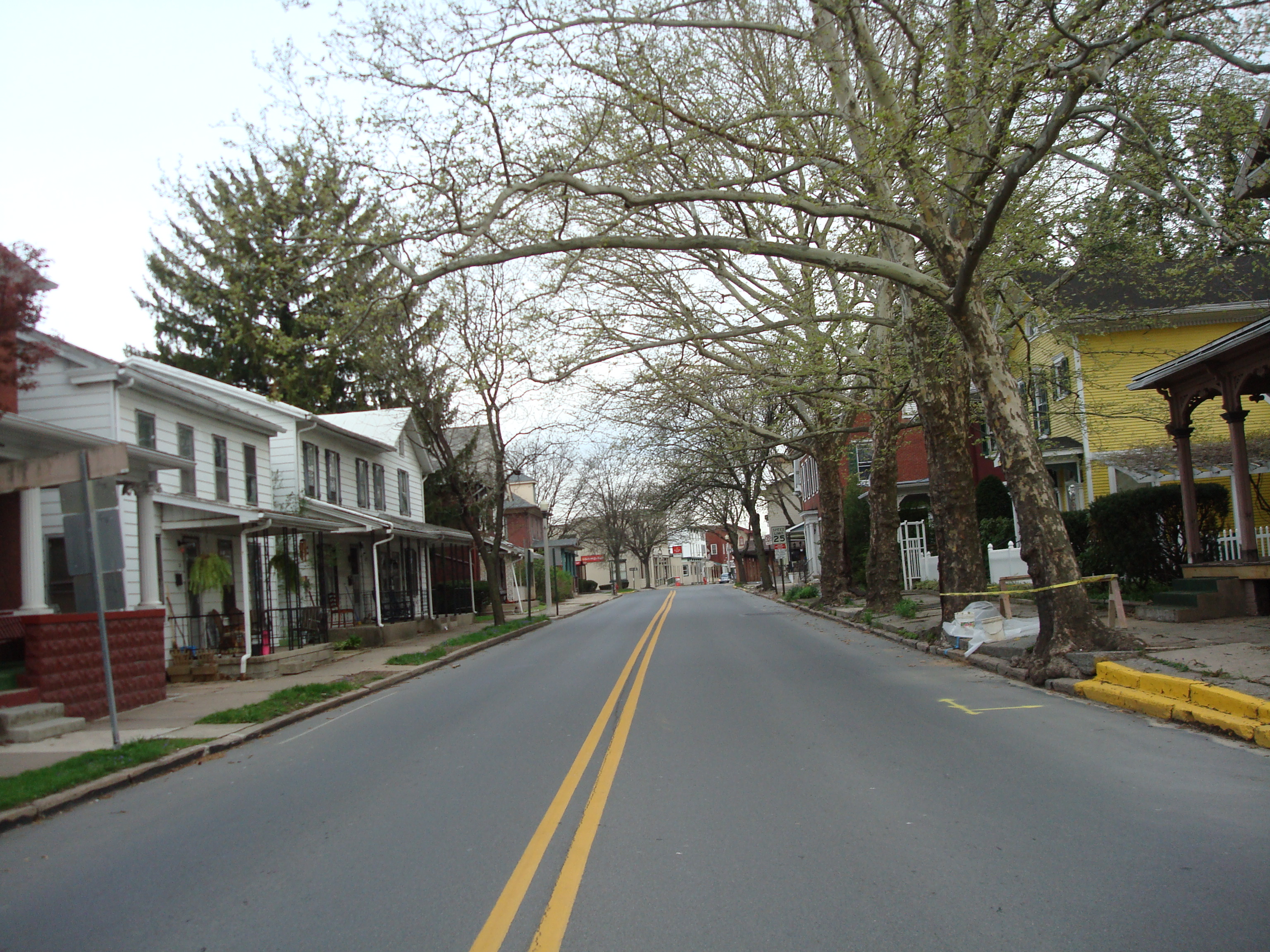
There are three towns regularly mentioned in this diary—all small in the big scheme of things, but within Grandma’s world there was a small town (McEwensville), a medium-sized town (Watsontown), and a large town (Milton).
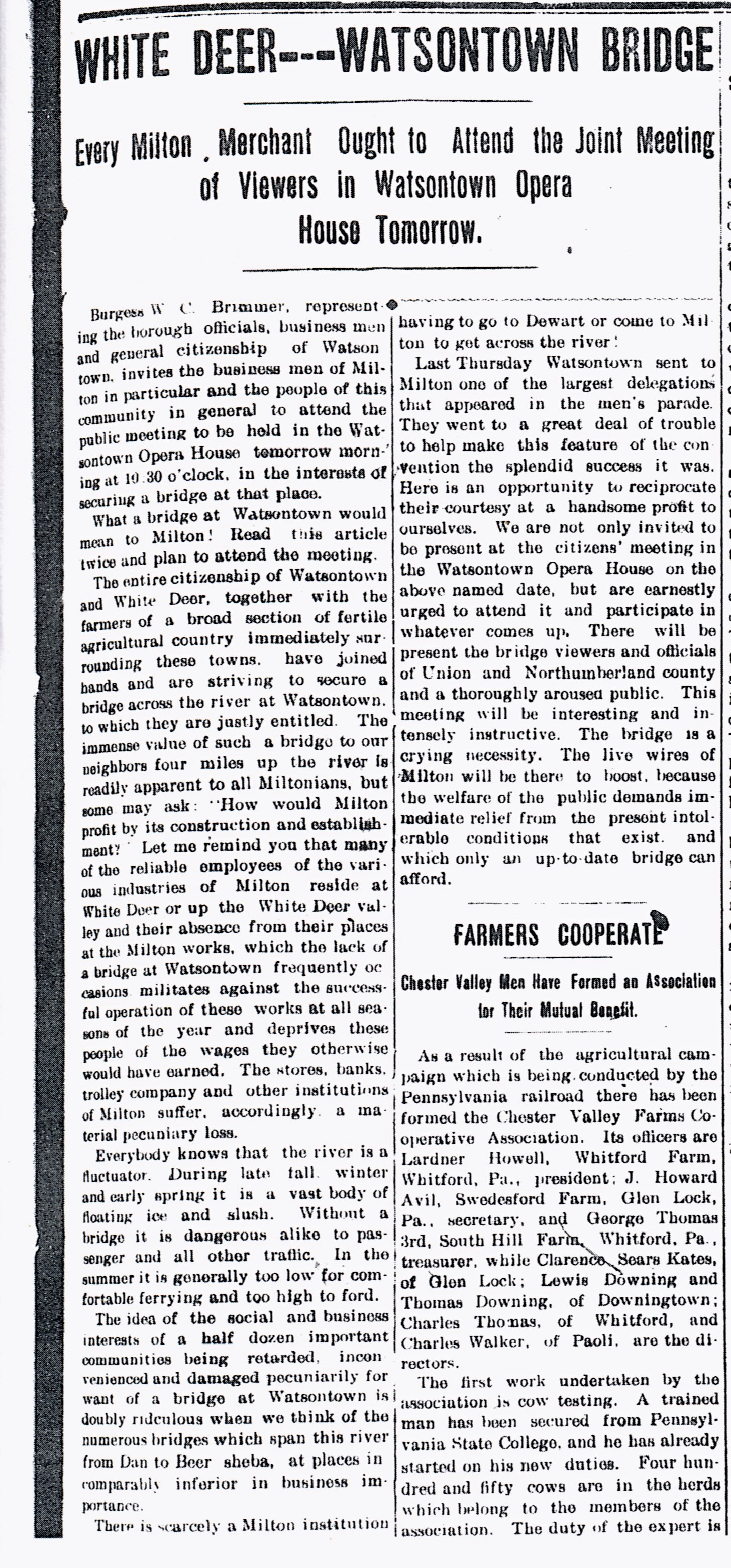
Today none of the three would be much of a shopping destination—but a hundred years ago transportation was so much more difficult and each had stores.
McEwensville was the small town, but the one Grandma went to the most frequently . It also was where she attended school. McEwensville was about 1 1/2 miles east of the Muffly farm. It had a general store, a pharmacy, a restaurant, and a few other businesses.
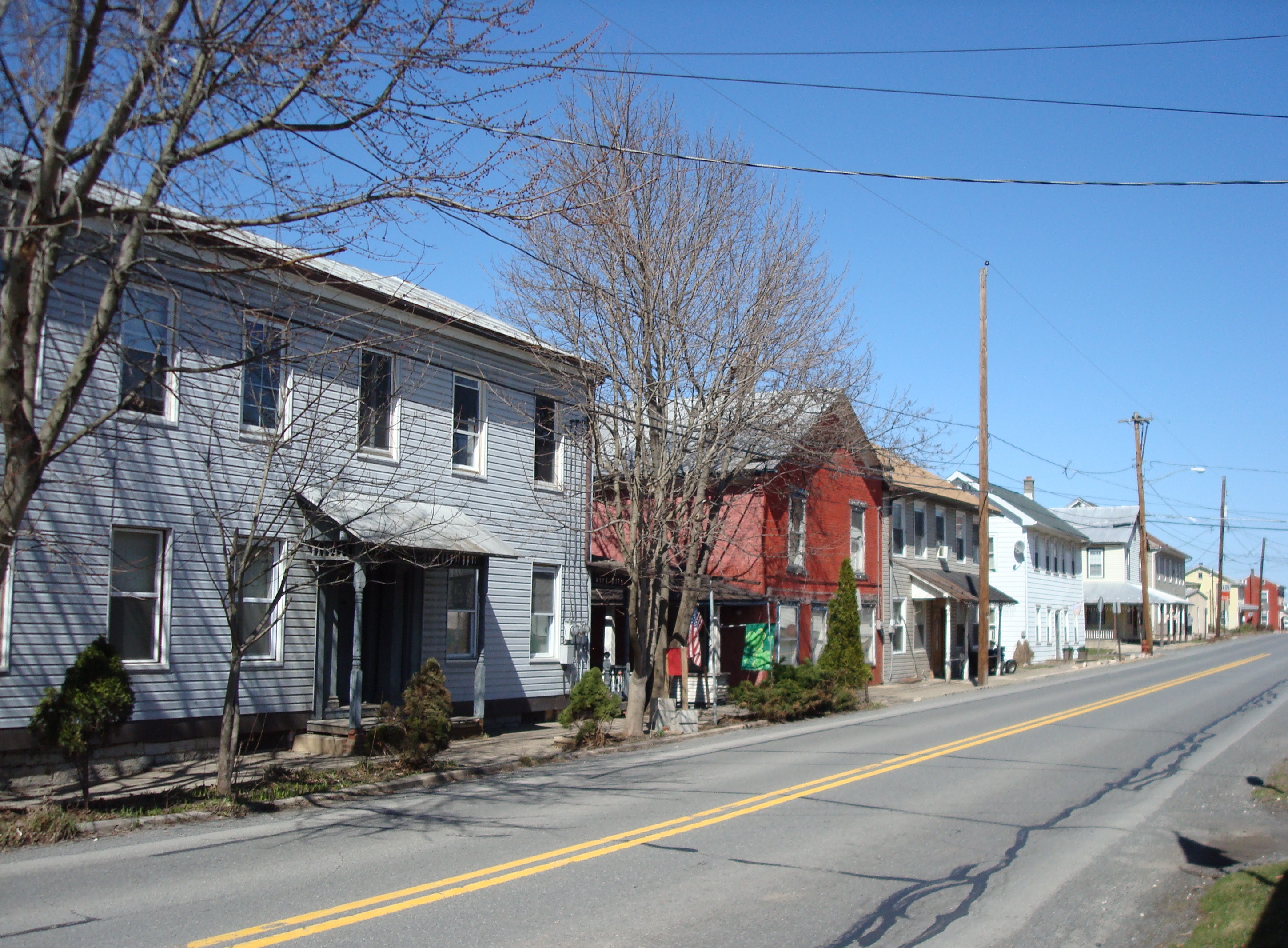
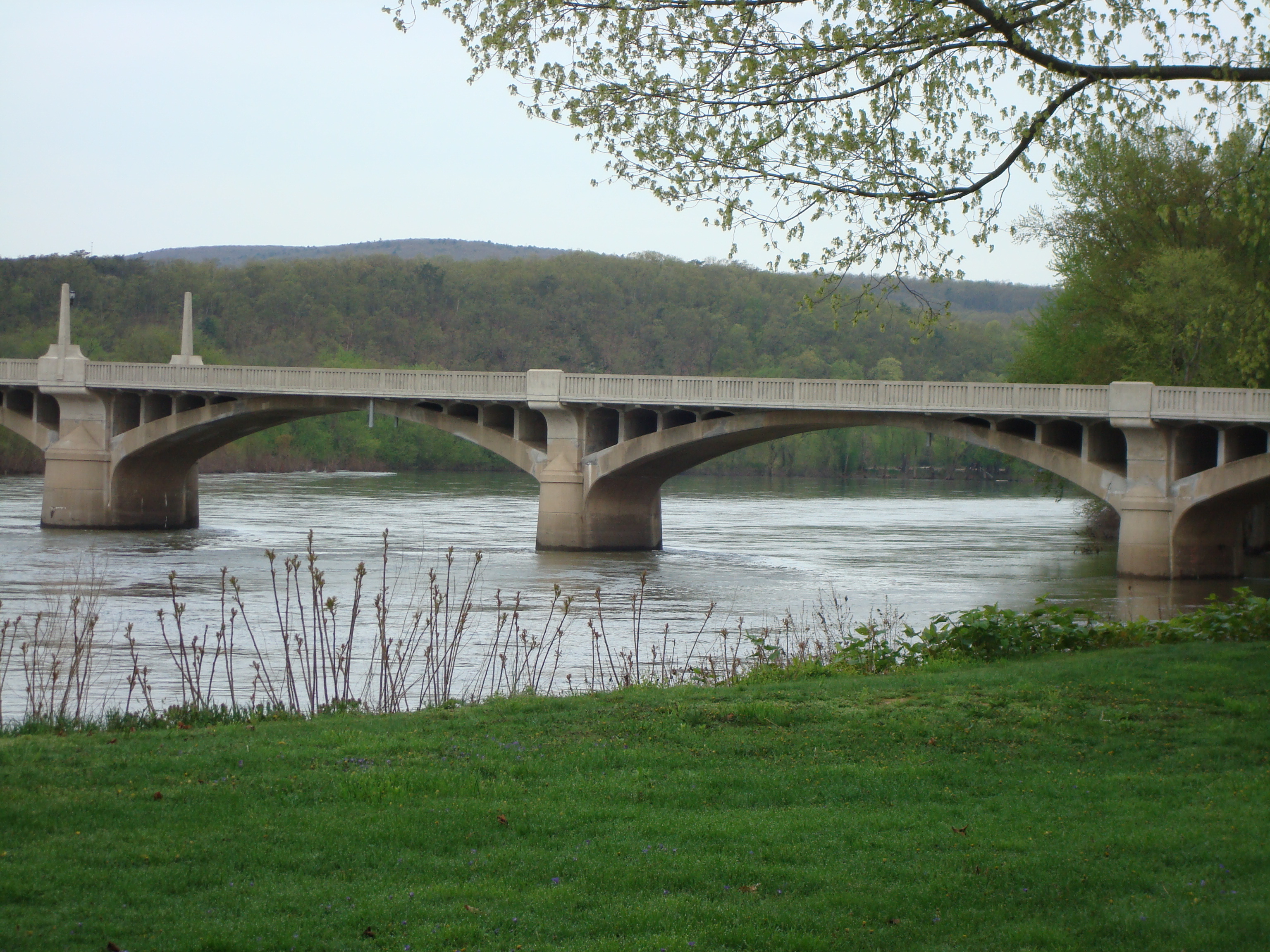
Watsontown was the medium sized town and where Grandma went a hundred years ago today. It was also about 1 1/2 miles from the Muffly farm, but in the opposite direction from McEwensville. Grandma often walked to Watsontown. It was to the west and is located along the West Branch of the Susquehanna River. It had a small downtown with a full range of stores where clothes, housewares, etc. could be purchased.
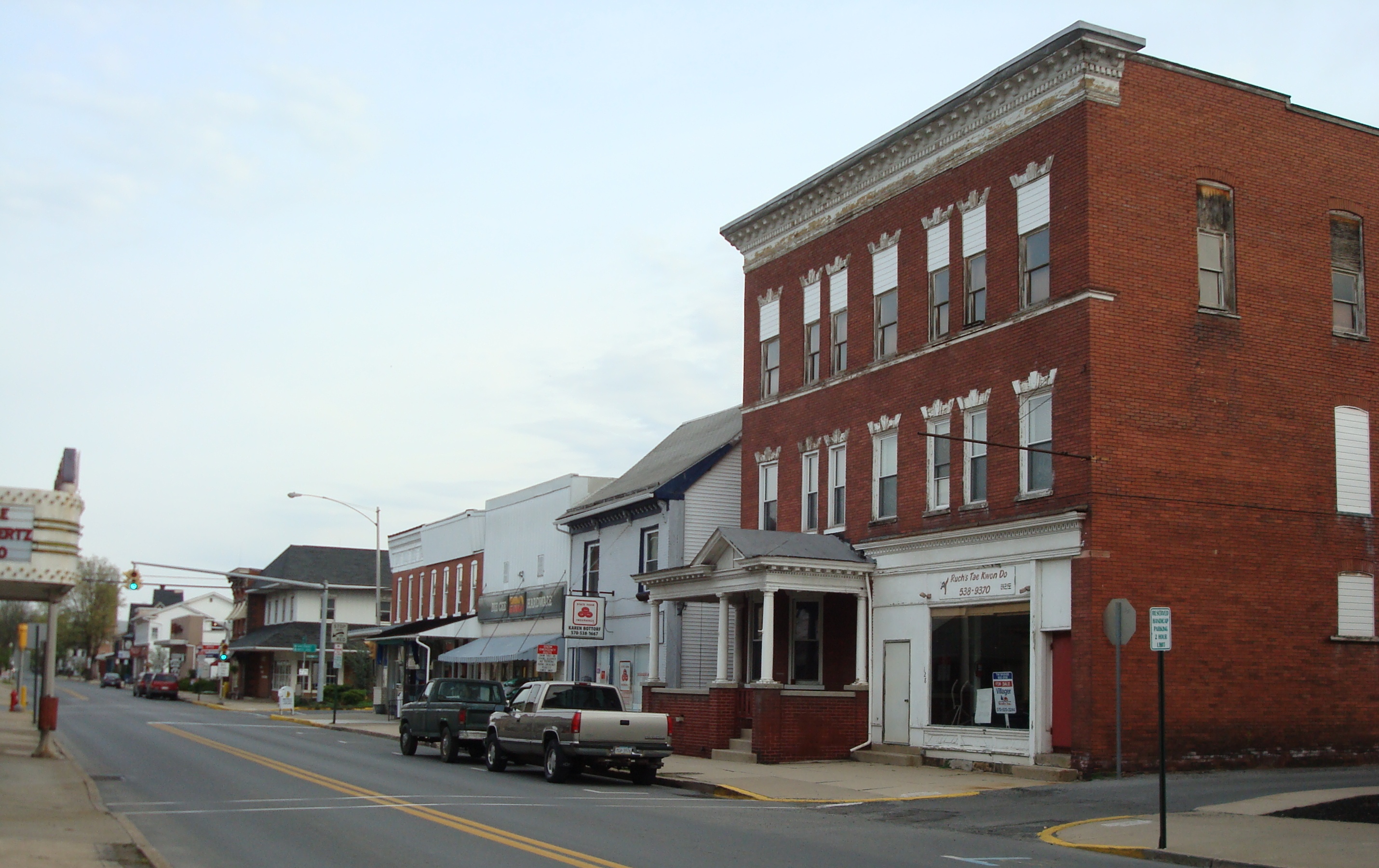
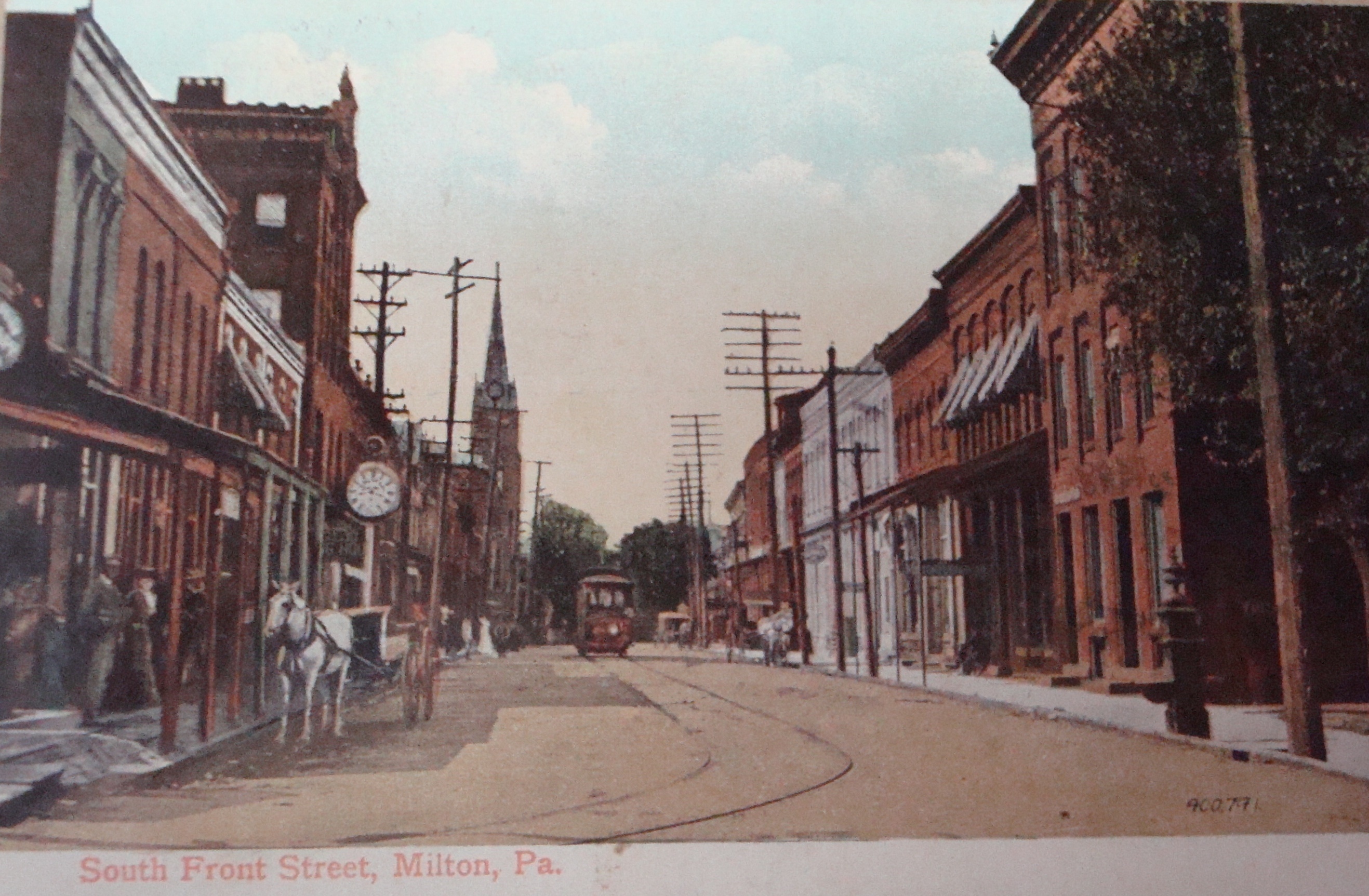
Milton was considered the “big city” in Grandma’s day—even though the population was only about 7,500 people. At the time, it was a considered a glamorous shopping destination with glittery department stores, women’s clothing shops, shoe stores, and restaurants. It was about 5 miles from the Muffly farm. Grandma would have either ridden in a buggy to get there—or she could have walked into Watsontown and then taken the trolley from Watsontown to Milton.
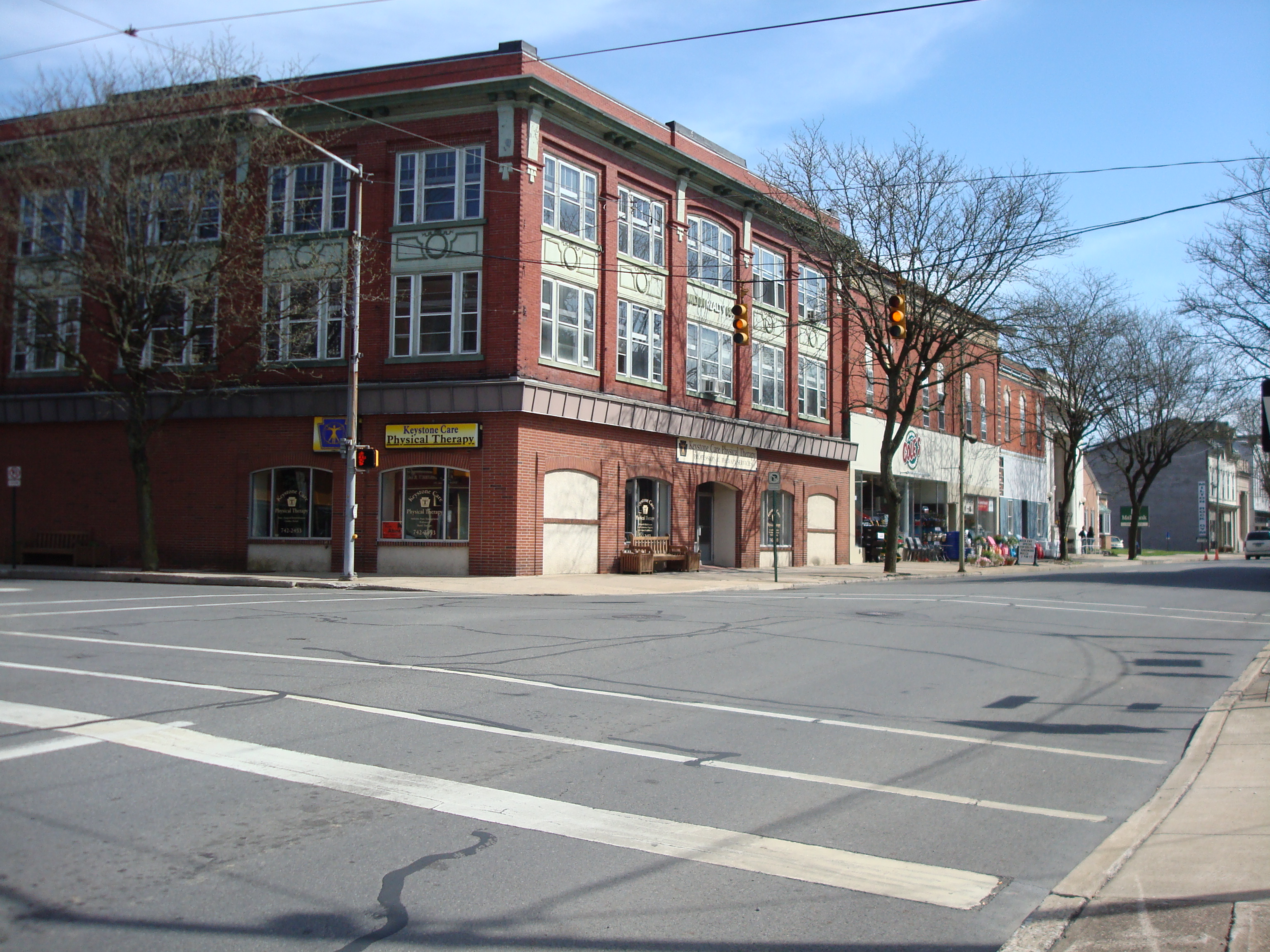
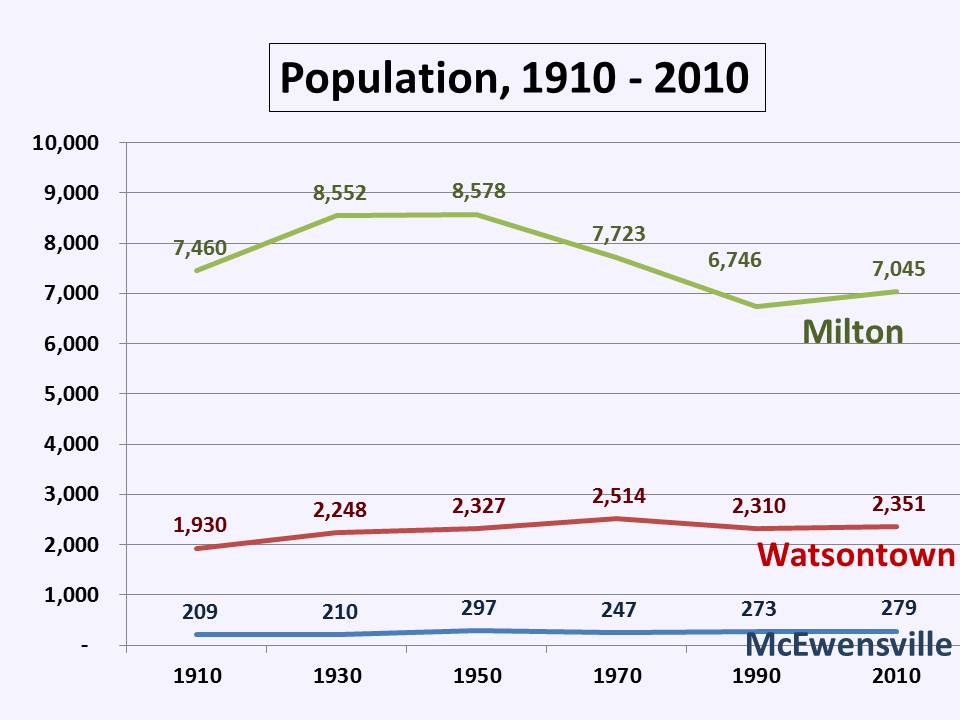
Since all three towns seem very sleepy today, I decided to see it they’d lost a lot of population across the years (see graph above). I was surprised to discover that the population had changed less than I expected between 1910 and 2010. Milton and Watsontown have lost a lot of factories since the 1970s—and many people moved away. It’s nice to see that the population trends have turned and that the population is increasing.
Links to Census Data Sets
I used data from US censuses to make the tables. There is an awesome amount of census data available for every town in the US. Here are the links to the Census population data for each of the years.