Memorial Day: Watsontown Cemetery

16-year-old Helena Muffly wrote exactly 100 years ago today: 

Tuesday, May 30, 1911: Carrie and I went over to the Watsontown cemetery this afternoon. Am rather tired and sleepy.
Her middle-aged granddaughter’s comments 100 years later:

Grandma and her friend Carrie may have gone to the cemetery to put flowers on the graves of deceased relatives for Memorial Day–or maybe there was a Memorial Day ceremony held there.
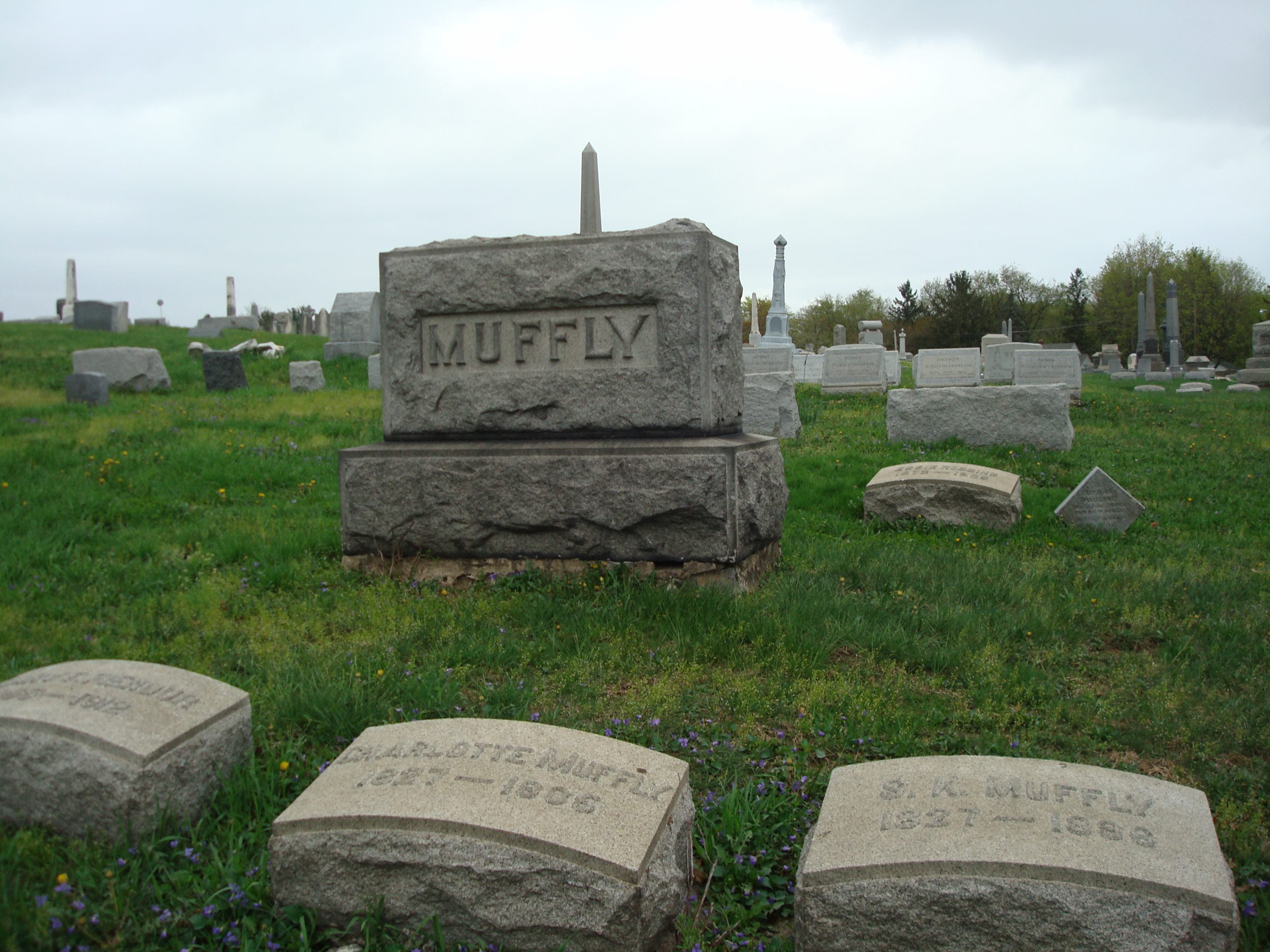
Grandma’s paternal grandparents are buried in the Watsontown cemetery. Her grandfather had died before she was born, but Grandma would have remembered her grandmother, Charlotte Muffly, who died in 1905 at the age of 78.

I wonder what Grandma’s memories are of her grandmother—Had she been close to her grandmother? . . . or not? Had her grandmother been in ill health for years prior to her death? . . . Or had she died suddenly?

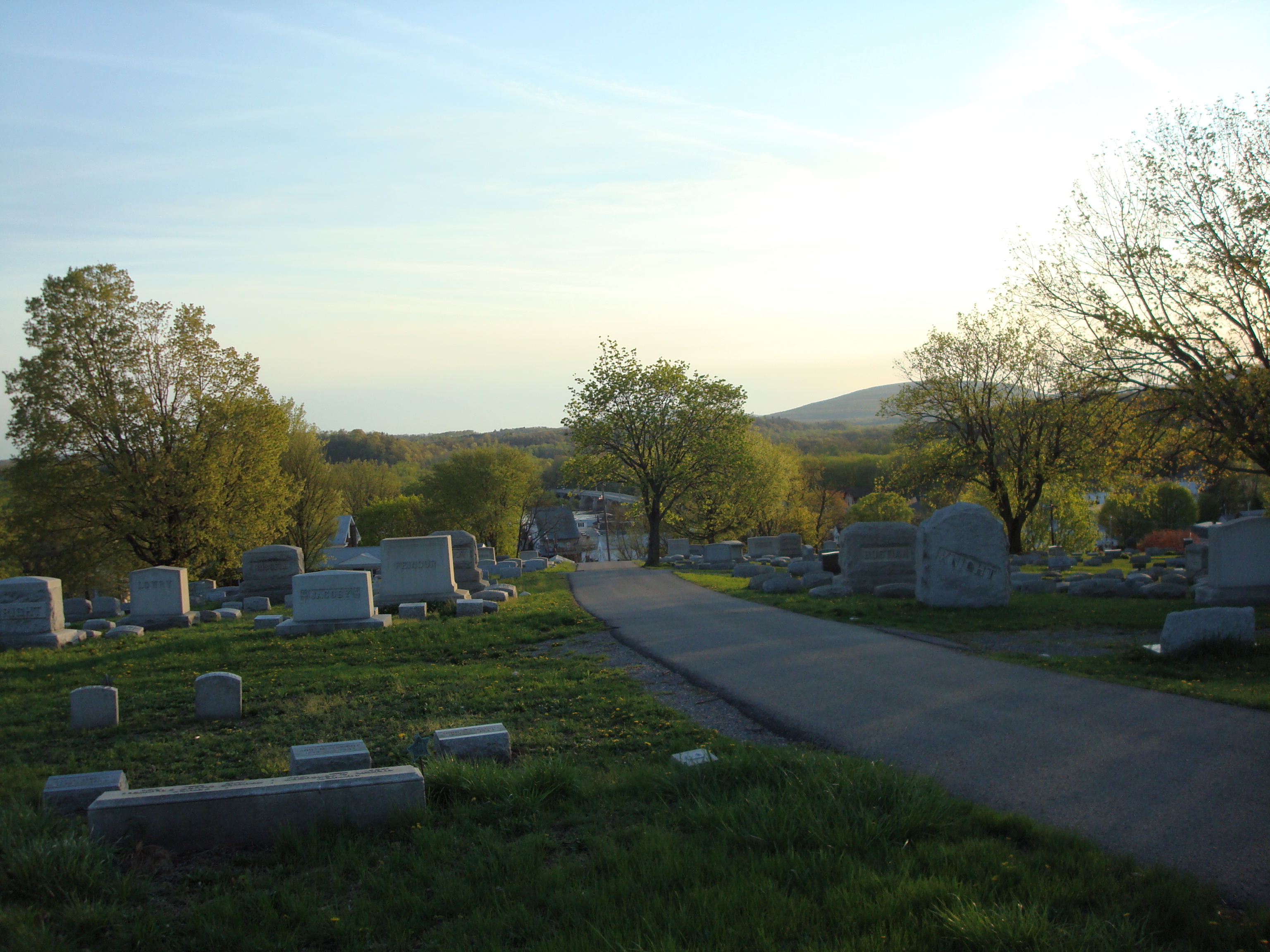
Watsontown Cemetery is on very high hill that overlooks the town of Watsontown. Grandma and Carrie would have had a bird’s eye view of the entire town. They would have been able to look over downtown Watsontown to the West Branch of the Susquehanna River and the looming mountains beyond. Now, just as they did a hundred years ago, the sound of trains rumbling through town periodically breaks the silence.

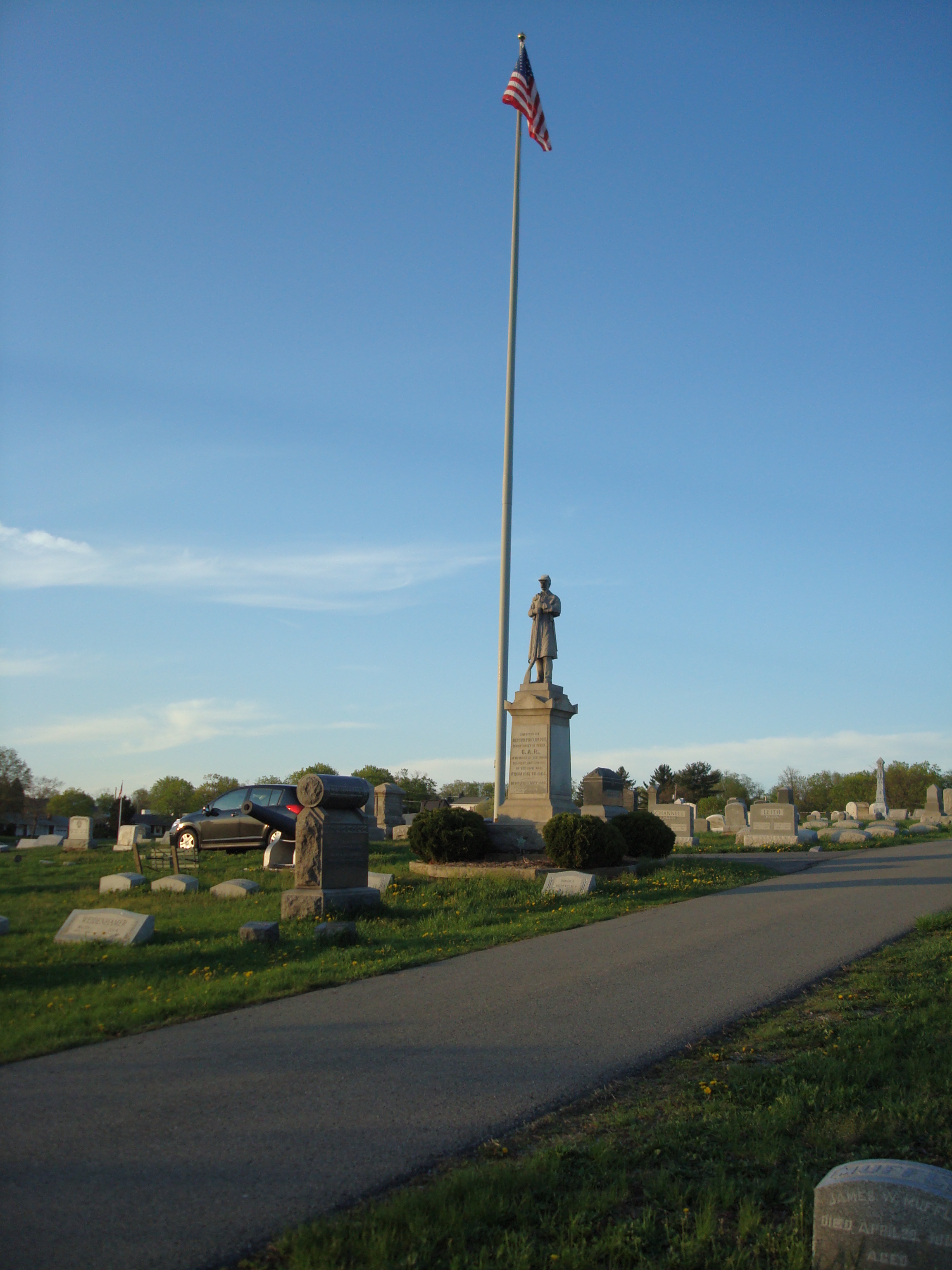
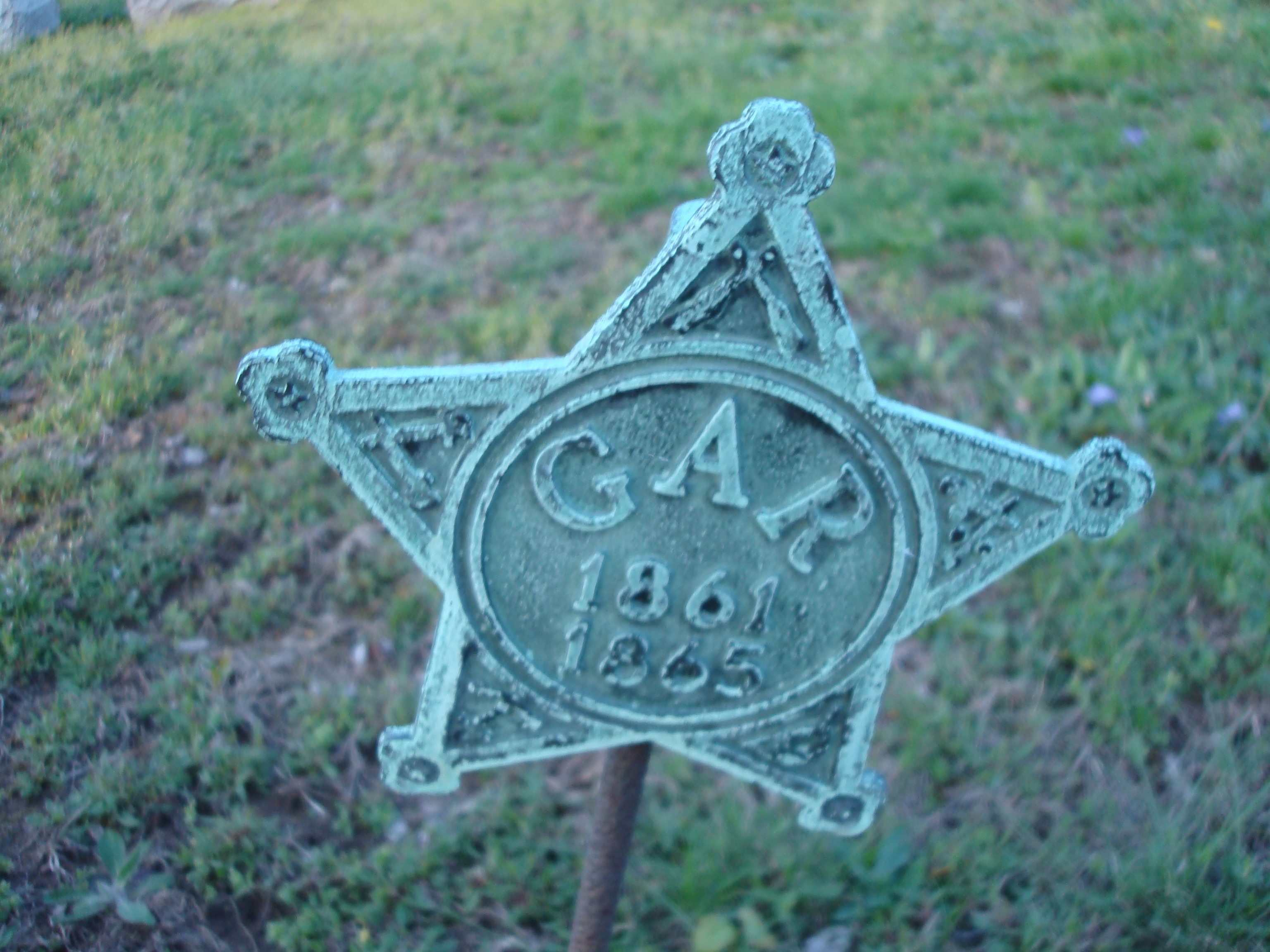
The cemetery is dominated by a memorial to Civil War veterans.  According to the engraving on the base of the monument the memorial was built in 1902—so it would have been less than 10 years old when Grandma and Carrie visited the cemetery. The memorial probably was built with funds raised by aging GAR (Grand Army of the Republic) veterans who didn’t want the war to be forgotten after they passed on.
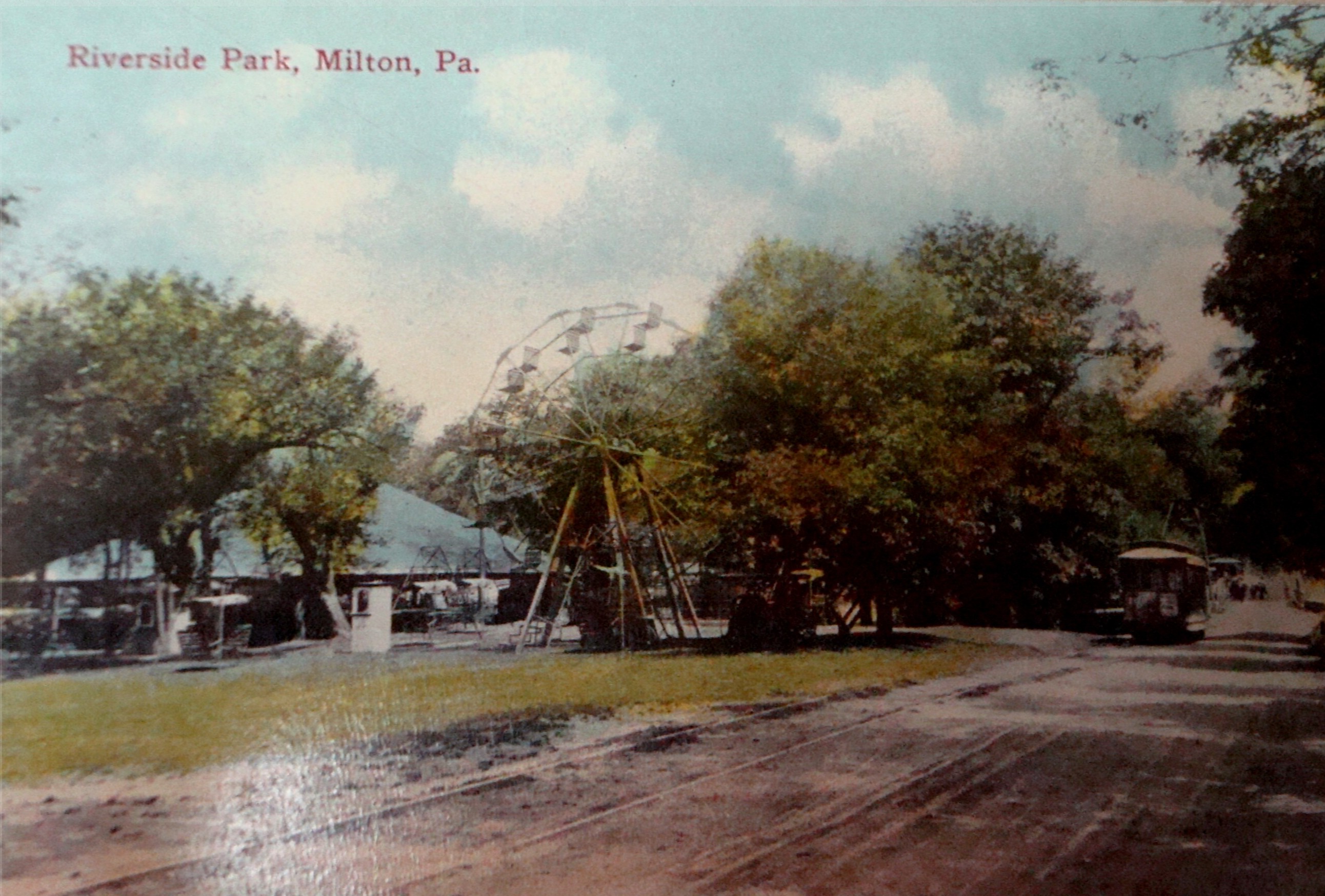
Riverside Park

16-year-old Helena Muffly wrote exactly 100 years ago today: 

Saturday, May 27, 1911: Went to Watsontown this morning, and up to McEwensville this afternoon. Oh the countless errands I have to perform keeps me rather busy. Ruth went to Riverside park.

Source of old Riverside Park postcards: Milton Historical Society

Her middle-aged granddaughter’s comments 100 years later:

A hundred years ago today, it sounds as if Grandma’s sister Ruth had all the fun—and Grandma had all of the work. I wonder if Ruth got home in time to help milk the cows—or if Grandma had to do it by herself.

Riverside Park

When Grandma was young, Riverside Park was the center of the summer social scene.

A trolley ran between Watsontown and Milton. According to Robert Swope, Jr.”

The line passed through a popular recreational park called Riverside Park just south of Watsontown. The park had amusements, swimming, boating and romantic scenery.

 Robert Swope, Jr. in Watsontown, McEwensville, and Delaware Township: A Real Photo Postcard History

The park was only open during the summer months—and probably had just opened for the season. An article in the Watsontown Star and Record from three years later describes the park opening.

Watsontown Star and Record, May 15, 1914 (Source: Montgomery House Library)

Riverside Park was located near the current location of Fort Boone Campsites.

Running Errands

When I was growing up on a farm, after I got my driver’s license,  I remember clearly how farm machinery broke with maddening frequency—and how I’d be sent on errands to buy the needed parts. In Grandma’s day, farm machinery wouldn’t have been nearly as mechanized, but maybe repairs still needed to be purchased—or maybe the errands were totally unrelated to machinery repairs. . .

An Errand and a Male Visitor (to See Her Sister)

16-year-old Helena Muffly wrote exactly 100 years ago today: 

Thursday, May 25, 1911: Went to Watsontown on an errand this morning. I had to walk though. Besse came out this evening. (Jim) Ruthie’s was here also tonight.

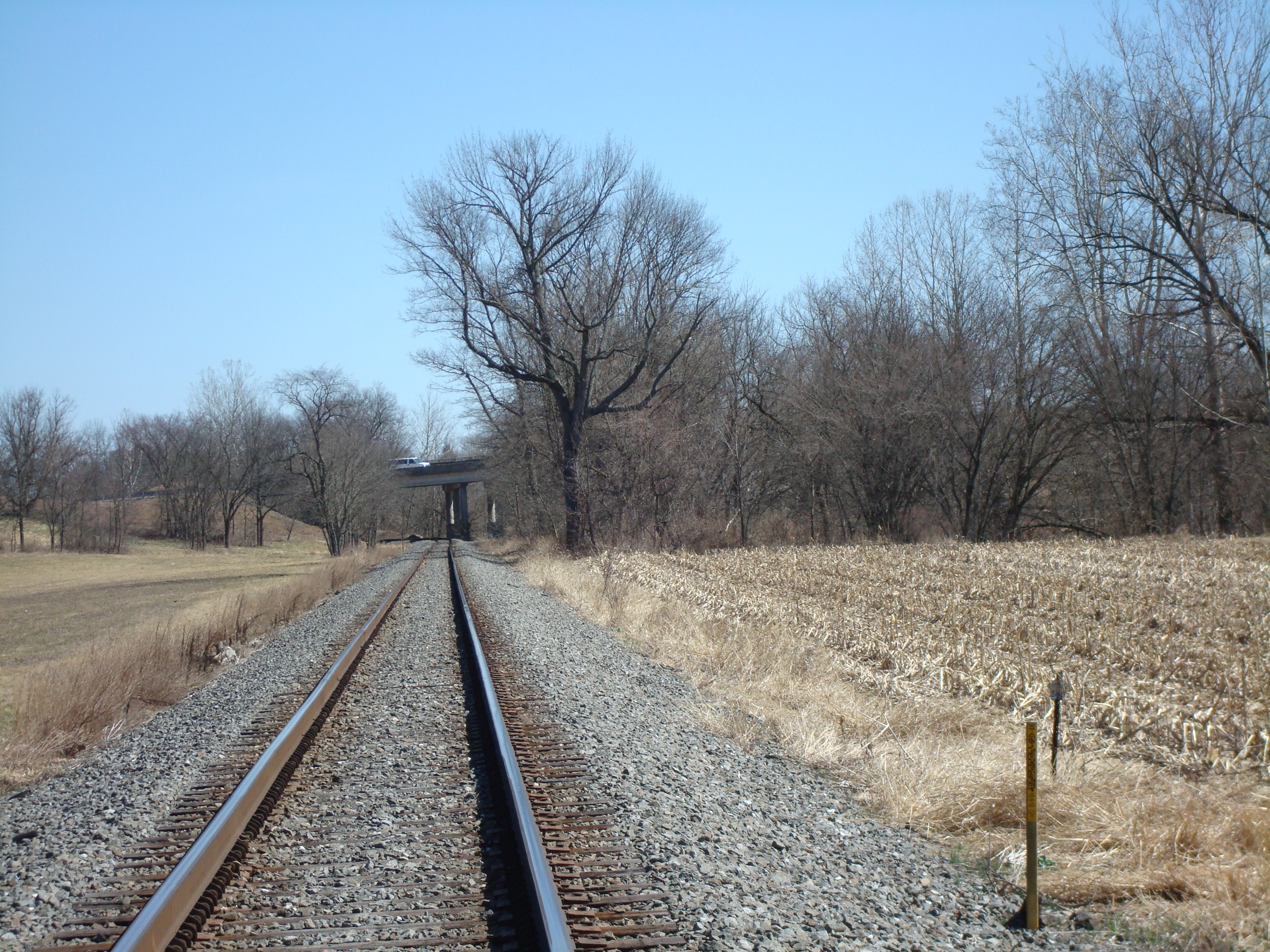
Recent photo of the view Grandma would have had as she walked into Watsontown. (Well, it isn't exactly the same because 100 years ago there would have been a bustling railroad station in the foreground.)

 Her middle-aged granddaughter’s comments 100 years later:

This entry suggests that Grandma did not always walk when she went to Watsontown. I’d previously assumed that she generally walked since it was only a mile and a half or so from the Muffly farm to Watsontown. But maybe she often got a ride—either in a carriage or wagon, or possibly on a Susquehanna, Bloomsburg and Berwick (S. B. &  B.) train that went by her house. (There was a flag stop at a nearby feed mill.)

Grandma seems to be feeling a little sorry for herself—She not only had to walk to Watsontown; but a beau came to see her sister Ruth.Grandma probably wished that she also had a boyfriend. Jim probably refers to James B. Oakes. On March 26 Grandma had written:

 . . . I’m making this entry in her room, because I can’t have the light. Ruthie has the honorable James B. Oakes down in the sitting room, but she had to go after him or he wouldn’t have been here. Papa is down there also, so nothing won’t happen . . .

Even if Ruth originally had to chase James B. Oakes back in March—it sounds as if he was interested enough to have become Ruthie’s Jim over the next several months.

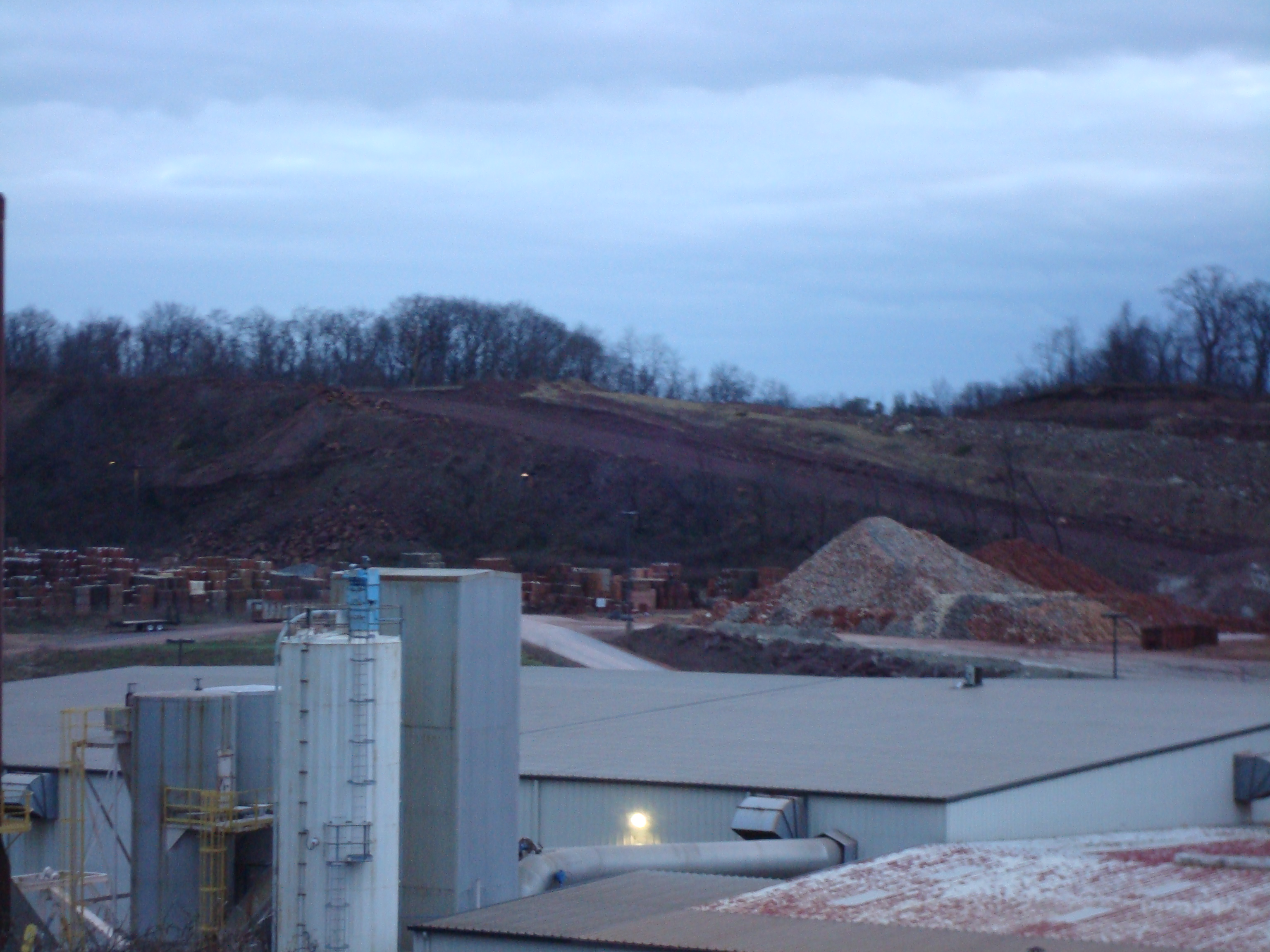
Watsontown Brick Company

15-year-old Helena Muffly wrote exactly 100 years ago today: 

Friday, March 10, 1911:  Pulled a girl’s ears at school. It was her birthday. Will be glad when mine comes along. Hope tomorrow will prove more stirring than what today had been.

Her middle-aged granddaughter’s comments 100 years later:

Grandma’s sixteenth birthday will be on the first day of spring—March 21. It sounds like she’s already looking forward to it. This is the second time that pulling ears on someone’s birthday has been mentioned in the diary.

____________________

On days when Grandma writes little of interest, I always wish that she’d described her daily routines more. For example, what time did school start each morning? And when Grandma walked to school each morning were there men going in the opposite direction towards jobs in Watsontown?

The road Grandma walked to school each morning. It would have been dirt (or mud) in 1911.

Raymond Swartz, Grandma’s classmate at McEwensville High School and future husband, wrote a short family history many years later. He mentioned working in the Watsontown Brick Plant a few years after he graduated from McEwensville High School.

The next five years I spent working for father on the farm with the exception of three months in the winter of 1918 when I worked at the Watsontown Brick Plant. To do that, it was necessary to get up at four o’clock in the morning in order to get some of the morning chores done on the farm and then leave home to drive a horse and buggy to work about six-fifteen. Work at the plant started at seven o’clock and lasted until five o’clock. Then I drove home and helped with some of the chores in the evening. We worked five hours on Saturdays. For the three months work I received $228.00 which was good wages in those days.

Raymond Swartz

Watsontown Brick Company was founded in 1908, and a hundred years ago other strong young men were probably making the daily trip on the road from McEwensville to Watsontown to earn a good wage for a hard day’s work.

Bricks are still produced in Watsontown and sold nationally. The town is famous for its clay soils that make excellent bricks.

Susquehanna, Bloomsburg, and Berwick Railroad

15-year-old Helena Muffly wrote exactly 100 years ago today: 

Monday, February 27, 1911: The roads were so muddy that I went up the railroad to school and came home that way. Besse was out this afternoon. Wish I had all of my lessons out for tomorrow especially my latin.

Her middle-aged granddaughter’s comments 100 years later: 

It’s hard to picture how bad the mud must have been in the era before paved roads. Railroad tracks for the Susquehanna, Bloomsburg, and Berwick Railroad (S.B. & B. R.R.) crossed the Muffly farm.The route went from Watsontown to McEwensville and Turbotville and then continued east to Washingtonville, Bloomsburg, and Berwick.

My father says that Grandma always called the railroad the Sweet Bye and Bye.

According to an essay by the Columbia County Historical and Genealogical Society the Susquehanna, Bloomsburg and Berwick Railroad (S.B. & B.R.R.) was often called the ‘Sweet Bye and Bye’ because traffic was intermittent, and trains traveled at a slow speed and stopped at every hamlet and feed mill along the route. Sweet Bye and Bye is also the name of an old-time hymn.

There were flag stops at two feed mills between Watsontown and McEwensville (a distance of only 4 or 5 miles). One was at a hamlet called Pioneer–it’s just a group of 4 or 5 houses today–and the other was at Truckenmiller’s Mill which was located next to the Muffly farm.

The railroad was also sometimes called the Weak and Weary railroad. It was a financial failure because there were no major industries along the route.

The S.B. & B.R.R. no longer exists, but the track is still used by trains transporting coal to the Pennsylvania Power and Light (PP & L) power plant at Strawberry Ridge near Washingtonville.